







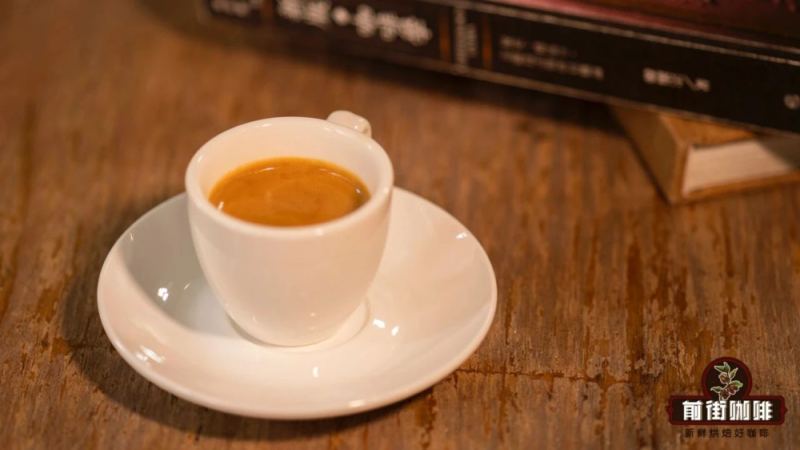
What Is SOE in Coffee and Which Beans Work?
SOE stands for Single Origin Espresso, an espresso pulled from beans of one origin instead of a blend. It makes the link between a farm and the cup easier to taste. The catch is roasting: too dark and the origin notes flatten, too light and the shot lacks body and consistency, so medium roast is the usual compromise.
Style is the practical way to choose. Beans tend to fall into floral-fruity, fermented winey and rich-bodied groups, each with its own origin, processing method and flavor profile. Because soe espresso has to hold up in the basket yet still read clearly in the cup, a medium roast single origin is the reliable starting point for repeatable extraction.
SOE stands for Single Origin Espresso, meaning espresso made from beans of a single origin, and it has gained strong favor in the specialty coffee circle in recent years. However, SOE beans have rather particular roasting requirements: roasting too dark wears away the origin's flavors, while roasting too light makes it hard to achieve both body and stability, so medium roasting becomes the balance point. This article first clarifies the definition of SOE and the roasting approach, then, according to three style directions—floral-fruity, fermented winey, and rich-bodied—introduces the origin backgrounds, processing methods, and flavor profiles of three beans: Front Street Xizhua, Front Street Blackberry, and Front Street Queen's Farm, helping you find the cup that suits you.
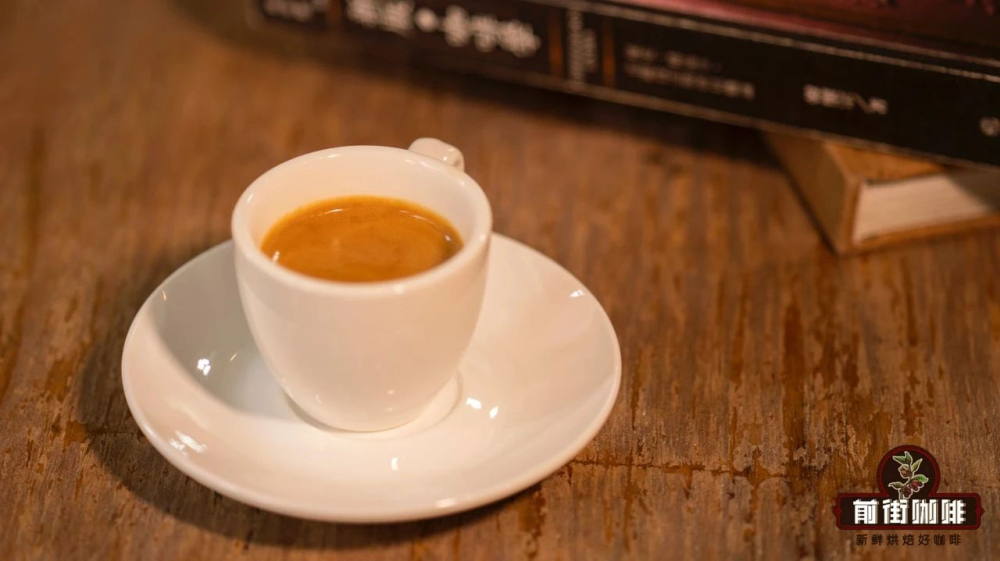
What exactly does SOE espresso refer to?
The term SOE comes from the initials of Single Origin Espresso, usually translated into Chinese as "single origin espresso." This type of coffee insists on using green beans from the same producing region to make espresso. Compared with the blending approach of combining multiple beans, its greatest highlight is that it allows the regional flavor of a specific origin to be identified more clearly, and it also makes the connection between origin and consumer more direct.
In addition, SOE beans are more difficult to control during roasting. On one hand, in order for the origin's character to be fully expressed, the roast level should not go dark, otherwise the coffee's own rich flavor characteristics will be greatly weakened; on the other hand, espresso needs sufficient body and consistency in the cup, so the roast level cannot be too light either. With concerns at both the dark and light ends, how exactly should we choose?
If you want to consistently extract a delicious espresso, a relatively reliable approach is to choose medium-roasted single-origin beans to make SOE. By flavor orientation, they can broadly be grouped into three categories: floral-fruity, fermented winey, and rich-bodied:
1. The floral-fruity choice—Front Street. Xizhua
This Front Street Xizhua SOE comes from Colombia's highly renowned Huila region and is produced by Finca La Divisoria. The estate is located near a volcanic belt, and its exceptional terroir infuses the coffee with abundant aroma. Ripe coffee cherries are processed using the double anaerobic natural method, and the roast is positioned at medium, allowing the floral and fruity aromas to unfold to the greatest extent. Made into espresso, it offers clear notes of blueberry juice, passion fruit, and ripe grapes, with a sweet-and-tart aftertaste of apricot in the finish;
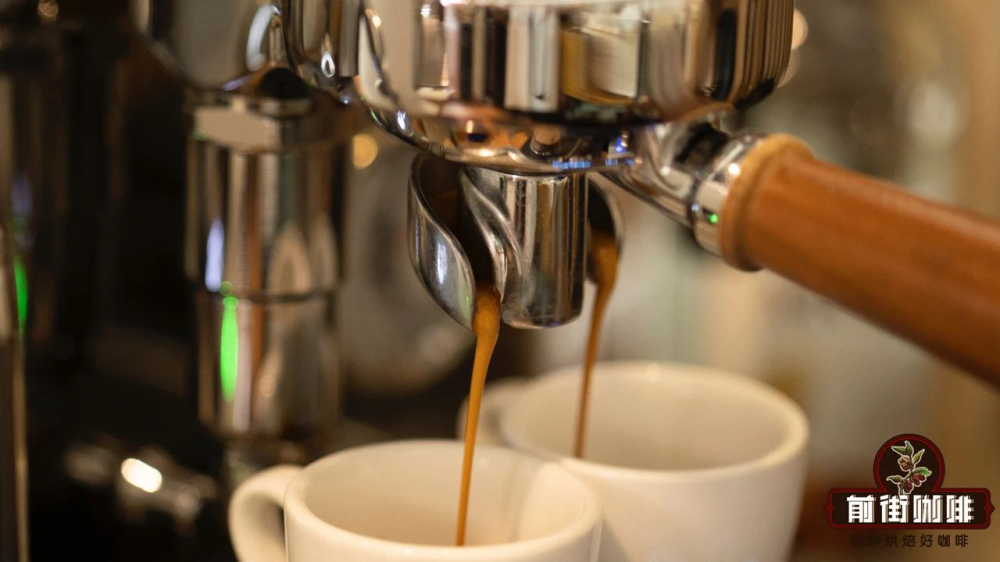
2. The fermented winey choice—Front Street. Blackberry
If you want the flavors extracted from SOE to be more concrete, it is advisable to select beans with ripe fruit character, making it easier to taste a sweet fermented aroma reminiscent of fruit wine. In honey processing, during the step of removing the fruit skin, coffee farmers can independently control the amount of mucilage retained according to the desired fermentation direction. Because mucilage contains a large amount of sugar, the more is retained, the darker the green beans become after drying. Among the four types of honey processing, black honey retains the most mucilage, with almost no mucilage removed, and it also takes the longest to dry, usually requiring more than 14 days of drying. Therefore, coffee processed as black honey has an especially rich flavor, and its sweetness is also very full.
3. The rich-bodied choice—Front Street. Queen's Farm
Some friends may feel that the SOE made from the two types of beans mentioned above does not have a strong enough "coffee taste," in which case beans taking a rich-bodied route may suit your palate better, such as the highly representative Front Street Brazil Queen's Farm coffee beans.
Front Street Brazil Queen's Farm coffee beans
Region: Mogiana
Altitude: 1400–1950m
Variety: Yellow Bourbon
Processing method: Semi-washed
Flavor: roasted nuts, creamy peanut, chocolate, caramel, cookies
Unlike many commercially produced beans in Brazil, Queen's Farm focuses mainly on producing specialty-grade coffee beans and selects the outstanding Yellow Bourbon variety. Through the semi-washed process, Front Street Brazil Queen's Farm coffee not only gives off rich aromas of cream, peanut, and nuts, but also brings a very high sucrose-like sweetness in the aftertaste. Made into SOE, the coffee's aroma is rich and full-bodied, and the flavor tone in the finish is clear and distinct.
The above content is compiled by CoffeeHunters, a coffee news website.


