







Search Results for: Finca La Divisa

What variety is Chili Geisha coffee? What is the relationship between Aji, Bourbon, and Geisha? Does the Chili bean from Finca La Divisa really taste spicy?
In recent years, a rather buzzworthy name has emerged in the coffee world—Aji Chili Coffee. Is it actually Bourbon? Why is it also called Chili Geisha? Do the beans really carry a chili flavor? Front Street Coffee specially acquired a small lot of washed Aji Chili beans from Finca La Divisoria in Colombia, peeling back the layers of this mysterious coffee—from its varietal origins and genetic identification to actual cupping flavors. The article also fully documents Front Street's roasting approach and tasting impressions, helping you understand the identity and taste of Aji Chili Coffee all at once. [more…]
A Complete Guide to the Varieties and Flavors of Colombia Huila Finca La Divisa Sidra Coffee Beans
Colombia, with its high-altitude mountains, volcanic soil, and abundant rainfall, has become the world's third-largest coffee-producing country. Among its many regions, the southern Huila Department is known for its pure and gentle flavors, while Finca El Diviso has gained widespread fame after the 2022 WBC champion chose its Sidra coffee beans. This article will guide you through Colombia's coffee-growing conditions and the terroir characteristics of the Huila region, offer an in-depth look at Finca El Diviso's family background and the origins and botanical characteristics of the Sidra variety, and include complete brewing information and flavor notes for Front Street Coffee's double anaerobic natural Sidra. [more…]
Colombia Huila Region Finca La Divisa Sidra Coffee Bean Variety and Flavor Analysis
Colombia, as the world's third-largest coffee producer and the largest exporter of Arabica, has given rise to numerous specialty coffee regions thanks to the high altitudes, volcanic soils, and diverse microclimates of the Andes. Huila is one of the most representative specialty regions, and Finca El Diviso is located there. The estate rose to fame after the 2022 WBC champion chose its Sidra coffee beans. This article introduces Colombia's coffee-growing conditions, the terroir of the Huila region, the background of Finca El Diviso, and the origins, cultivation characteristics, and Front Street Coffee's brewing performance of the Sidra variety, giving you a comprehensive understanding of the appeal of this rare variety. [more…]
A Complete Guide to Colombian Sidra Coffee Beans: From Huila's Finca La Divisa to Fame via Two WBC Champions
The Sidra variety has risen to fame in the specialty coffee world in recent years, becoming a focal point after being chosen by two World Barista Championship winners. It originally came from Ecuador, developed by crossbreeding Typica and Red Bourbon, and genetic testing shows it has a genetic connection to Ethiopian landraces. It is currently mainly grown in Ecuador and Colombia, with Finca El Diviso in the Huila region of Colombia drawing much attention after Anthony Douglas's championship win. Front Street Coffee has also introduced this bean, using a double anaerobic washed process and a medium-light roast, presenting rich fruit flavors of apricot, citrus, and grape. This article will guide you through the origins of Sidra, the story of Finca El Diviso, the variety's characteristics, and Front Street's brewing recommendations. [more…]
Why Can Sidra Coffee Beans Become Championship Beans? A Detailed Guide to Brewing Colombia Finca La Divisa Sidra
Sidra rose to fame after the 2022 World Coffee Championships and has become a highly anticipated variety in the specialty coffee world. It originated in Ecuador, and genetic identification shows it is closer to Ethiopian landraces, with a flavor profile known for rich fruitiness and floral notes. The Sidra in Front Street Coffee's bean lineup comes from Colombia's Finca El Diviso, uses anaerobic natural processing, and is the same coffee used by the 2022 World Coffee Championships champion. This article will review Sidra's varietal background and genetic research conclusions, and for this more deeply fermented bean, provide specific V60 three-pour brewing parameters and operational key points to help enthusiasts recreate at home the layered complexity of grapes, passion fruit, apricot, and floral notes. [more…]
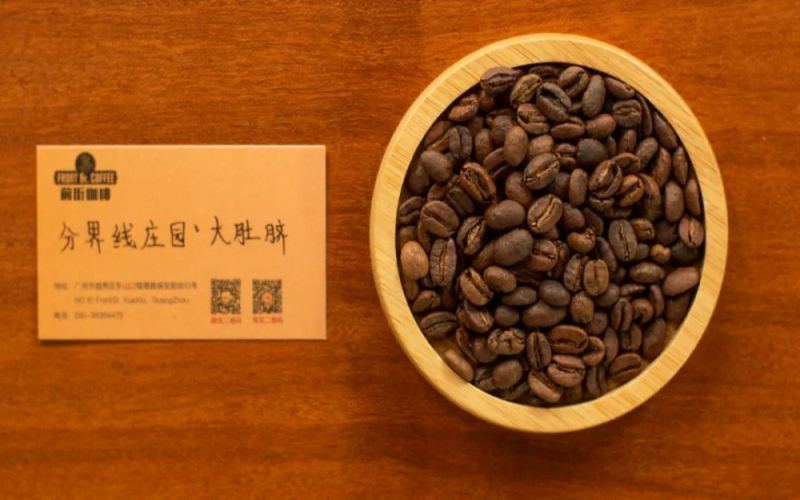
Colombia Finca La Divisa Ombligon Coffee Variety Analysis: A Full Reveal of Flavor Characteristics and Processing Methods
In the world of specialty coffee, there are always some rare varieties that burst into the public eye with their unique flavor expressions. Ombligon is a rising star that has attracted much attention in recent years—it originates from Finca El Diviso in the Huila region of Colombia, and is named for the navel-like shape at the bottom of the fruit. From the 2023 WBC finals to the Chicago WBrC, this bean has frequently appeared on the international competition stage, conquering judges and coffee lovers with its rich and varied juicy feel and fermented wine aroma. This article will give you a comprehensive understanding of the variety origin of Ombligon, its flavor characteristics, the background of Finca El Diviso, and its meticulous double anaerobic natural processing flow, along with Front Street Coffee's pour-over parameter suggestions, so that you can recreate the bean's captivating layers at home. [more…]
Colombia Finca La Divisa Ombligon Coffee: Variety Origin, Thermal Shock Fermentation Process, and Flavor Analysis
On the stages of the 2023 WBC finals and the WBrC in Chicago, a Colombian coffee variety named "Ombligon" appeared frequently, drawing industry attention. It comes from Finca El Diviso in the Huila region; its fruit resembles a papaya with a small ring at the bottom, and its name derives precisely from this. Genetic research shows it is related to Ethiopian landraces, yet it is a unique variety formed through natural mutation in Colombia. Finca El Diviso has tailored a processing protocol for Ombligon that includes hot-water flotation, sealed fermentation, and sugar-solution-activated yeast—known in the industry as "thermal shock fermentation"—allowing this bean to display layered fruit flavors reminiscent of grapes, oranges, blueberries, and pineapple juice. In this article, Front Street Coffee will guide you through a comprehensive understanding of Ombligon's varietal characteristics, estate background, processing details, and pour-over recommendations. [more…]
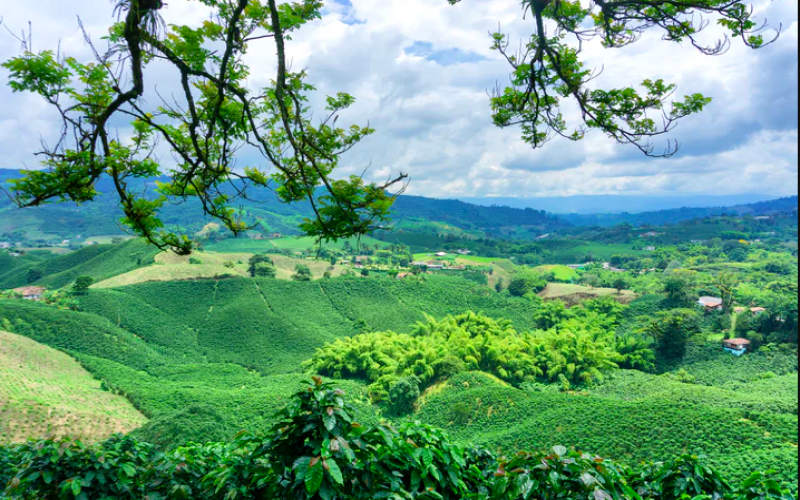
The Development History of Colombian Specialty Coffee and an Analysis of the Sidra Variety at Finca La Divisa in Huila
Colombia, as the world's third-largest coffee producer and the largest processor of washed Arabica, has a specialty-grade share of up to 40% in its coffee exports. From the establishment of the first experimental plantation by Don Mariano Ospina Rodríguez in the 19th century to the founding of the National Federation of Coffee Growers of Colombia in 1927, the Colombian coffee industry has undergone more than a century of development. In this article, Front Street will take you through this history, outline the characteristics of representative producing regions such as Huila and Cauca, and focus on Finca La Divisa in the Huila region and its Sidra variety—a coffee that has attracted much attention since being selected by Anthony Douglas, the 2022 World Barista Champion. What exactly makes it so uniquely charming? [more…]
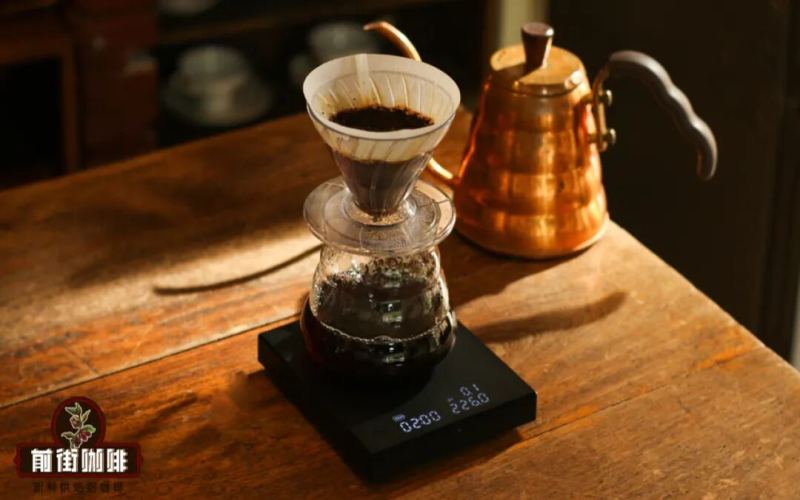
Colombian Coffee | What Is Big Belly Button Coffee? Does Big Belly Button Refer to a Coffee Variety? What Are the Flavor Characteristics of Big Belly Button from Finca La Divisa in Colombia?
“Why is this coffee called Big Belly Button?” This is a question N friends ask when looking at the Front Street Coffee bean list blackboard! But indeed, it's not just on the Front Street Coffee bean list—the name Big Belly Button stands out no matter where it's placed, so it draws more attention than other coffees! [more…]
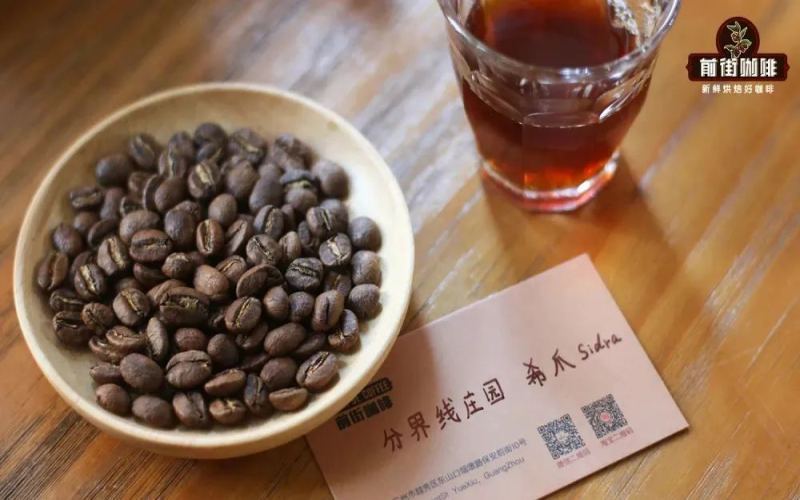
Brewing Highlights of Colombia Finca La Divisa Sidra Coffee Beans: An Analysis of Double Anaerobic Natural Extraction Techniques
Front Street's Sidra coffee beans come from Finca El Diviso in Colombia, processed using the double anaerobic natural method, with intertwined flavors of grape, passion fruit, and apricot, and they have performed impressively in world competitions. However, many enthusiasts encounter a problem of bland taste and thin body when brewing, which is usually related to under-extraction. This article will focus on the characteristics of the double anaerobic natural process, analyze the reasons for the loose structure of Sidra beans, and explain step by step how to let this champion bean release a suitable and full-bodied flavor, from Front Street's grinding setting, water temperature, coffee-to-water ratio, to the three-stage pouring technique. [more…]
A Comprehensive Analysis of the Development History of Colombian Coffee and the Sidra Variety from Finca La Divisa in Huila
Colombia is the world's third-largest coffee producer and the largest producer of washed Arabica, with specialty-grade beans making up as much as 40% of its exports. From the early experiments of Don Mariano Ospina Rodríguez in the 19th century to the founding of the National Federation of Coffee Growers in 1927, Colombia's coffee industry has forged a distinctive path of development. This article traces the historical threads of Colombian coffee and the distribution of its main producing regions, with a focus on Finca El Diviso in the Huila region, as well as the Sidra variety that has attracted considerable attention in recent years—what exactly is the appeal of this coffee that once shone on the world barista championship stage? Front Street Coffee has also brought in Sidra coffee beans from this estate, and the pour-over parameters will be shared below. [more…]
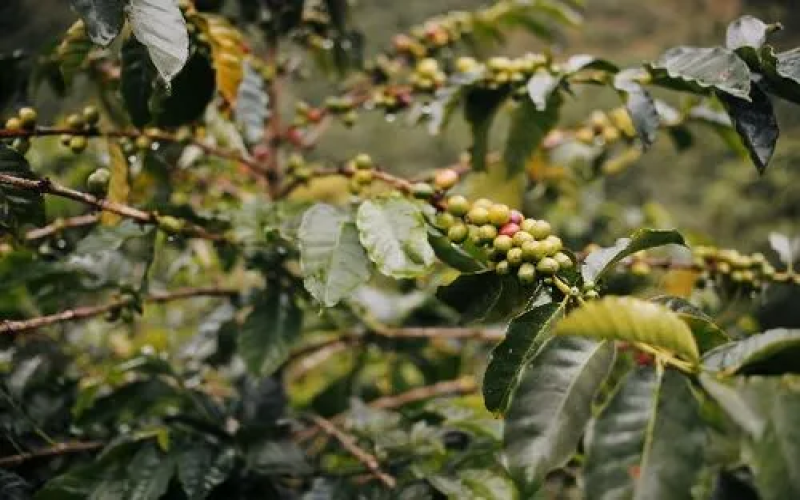
Colombia Huila Region: A Complete Analysis of the Finca La Divisoria Geisha Coffee Beans
Colombia, as the world's third-largest coffee producer and the largest exporter of Arabica, nurtures exceptional coffee thanks to the high altitudes, volcanic soils, and diverse microclimates of the Andean region. The southern Huila Province is widely recognized as a core specialty coffee producing area, and Finca La Divisa is one of the more representative small estates in the region. This article will systematically review the origin advantages of Colombian coffee and the terroir characteristics of the Huila region, with a focus on introducing the development history of Finca La Divisa and the variety, processing method, and brewing performance of its Geisha coffee beans, while also bringing Front Street Coffee's specific recommendations and brewing parameters for this bean. [more…]
Estate Stories of Signature Pour-Over Beans: From Blue Mountain to Golden Mandheling
Behind every distinctive pour-over bean lies the story of its origin estate; understanding these stories adds a layer of meaning beyond flavor when drinking pour-over. From Jamaican Blue Mountain to Indonesian Golden Mandheling, the estate backgrounds of these distinctive beans are themselves important chapters in the world of specialty coffee. The story of Jamaican Blue Mountain is about high-altitude mist and clouds. [more…]
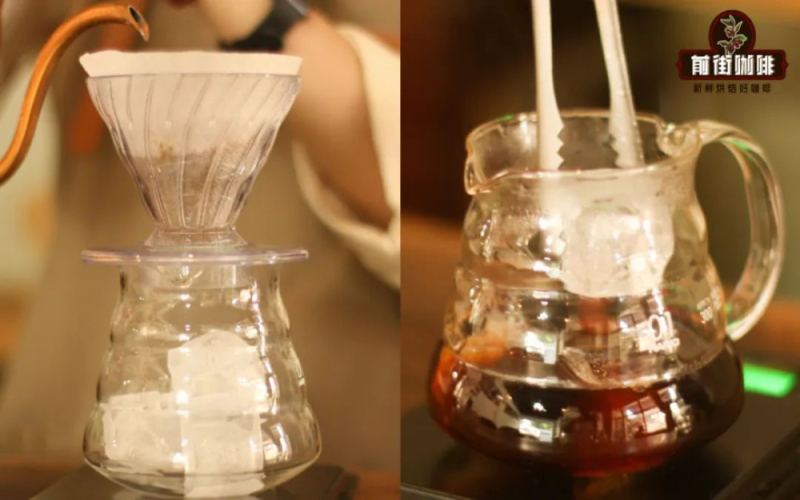
Iced Pour-Over Coffee Ice Timing Comparison Experiment: How Does Adding Ice First vs. Adding Ice Later Affect Flavor and Strength?
In the preparation of iced pour-over coffee, should the ice be placed into the server in advance, or added only after brewing is complete? This question appears to concern only the order of operations, yet it may affect the cooling speed of the coffee liquid, the retention of aroma, and the final concentration. Front Street Coffee used a washed Geisha from Colombia's Finca La Divisa as a sample, and by controlling the coffee-to-water-to-ice ratio, grind size, water temperature, and brewing technique, conducted a comparative tasting of the two methods—"ice first" and "ice after"—while recording temperature and flavor changes at different time points. The experiment attempted to answer: does the order of adding ice truly produce a perceivable difference, or is it merely an illusion caused by the time gap? [more…]
How to Extract Colombian SOE Espresso? Front Street Coffee Sidra Coffee Bean Parameters and Latte & Flat White Test
To make a delicious espresso with single-origin coffee beans, extraction parameters and roast level are key. Using Front Street Coffee's Colombia Finca La Divisa Sidra SOE as an example, CoffeeHunters shares a complete preparation plan from espresso to Americano, latte, and flat white: 20 grams of grounds extracted to 40 grams of liquid in about 27 seconds, and explores why SOE requires a lighter roast than traditional espresso beans. The article also addresses why Finca El Paraiso Strawberry Yogurt is not recommended for espresso, making it a useful reference for coffee lovers looking for SOE coffee beans or wanting to adjust their espresso recipe. [more…]
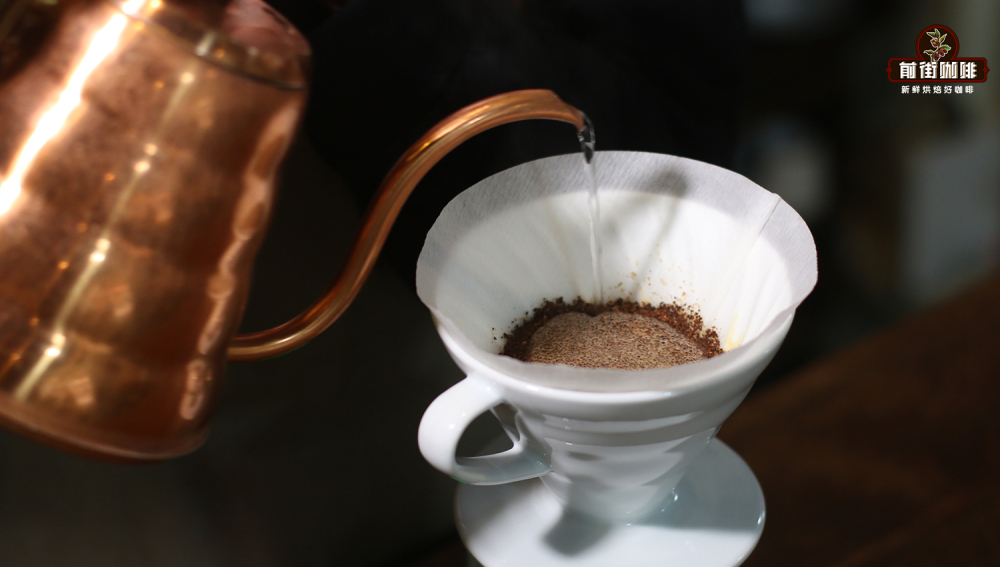
Pour-over Coffee Brewing Techniques and Tips Tutorial | How Much Coffee Powder for a Single Serving of Pour-over Coffee? Sharing the Pour-over Recipe and Parameters for Colombia Finca La Divisa Sidra
For more specialty coffee knowledge, please follow: Front Street Coffee (FrontStreet Coffee). Every day at Front Street Coffee, we encounter customers asking about pour-over coffee, perhaps about what pouring technique should be used for pour-over coffee? Or [more…]
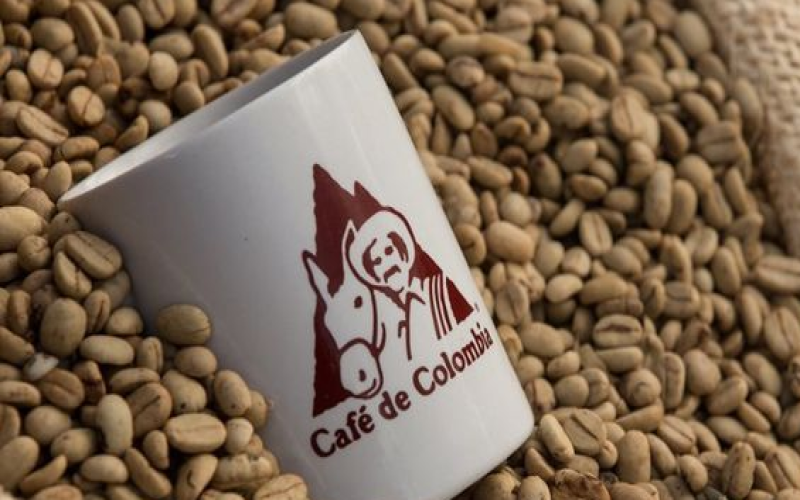
How to Choose the Roast Level for Colombian Coffee Beans? Color and Flavor Differences Between Dark and Light Roasts, Plus a Brewing Guide for Front Street Washed Huila
Colombia, with its Andean microclimates and volcanic-ash soils, has become the world's largest exporter of Arabica coffee, and its washed beans are known for notes of nuts, dark chocolate and gentle fruit acidity. Starting from the terroir of its producing regions and the washed-processing workflow, this article explores how roast level affects the flavor of Colombian coffee, with a focus on the medium-dark roast performance of Front Street Coffee's washed Huila everyday-drinking beans, as well as the brewing parameters and techniques for Finca La División's Sidra, helping enthusiasts understand the differences in color and flavor across roast levels. [more…]
Complete Guide to Colombian Coffee: From Cultivation Origins to Washed Processing and Pour-Over Parameters
Colombia is not only the world's third-largest coffee-producing country, but also the largest exporter of washed Arabica coffee, with specialty-grade beans accounting for as much as forty percent of its exports. From Mariano Ospina Rodríguez establishing the first experimental plantation in the nineteenth century to the founding of the National Federation of Coffee Growers in 1927, Colombia's coffee industry has traveled a path from pioneering exploration to organized promotion. Front Street Coffee uses washed beans from Huila as its everyday representative, while also introducing the Sidra and Maragogipe from Finca El Diviso, showcasing the flavor differences between different varieties from the same estate under anaerobic natural processing. This article will provide a complete overview of the core knowledge of Colombian coffee, from its historical development and the principles of processing methods to specific pour-over recipes. [more…]
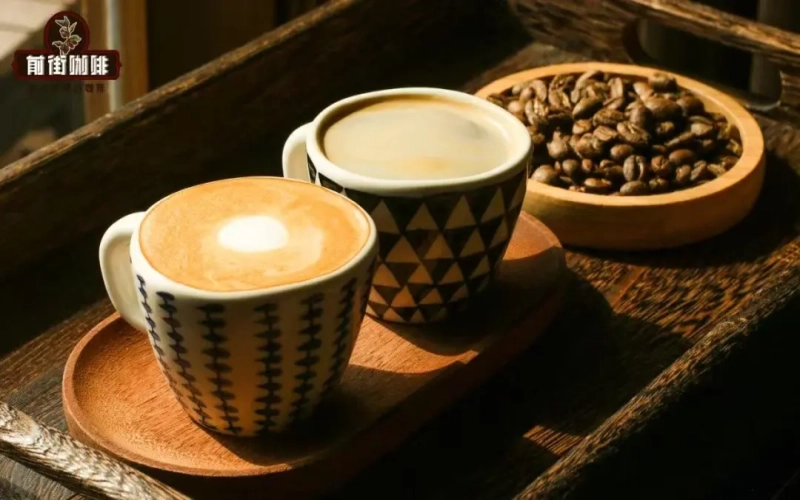
Can a Moka Pot Also Make a Combo? A Complete Operating Guide from Bean Selection, Extraction, to Mixing Ratios
In recent years, the Coffee Combo format—serving multiple drinks from a single bean—has become increasingly popular in coffee circles. People usually make it with an espresso machine, but many friends wonder: can coffee brewed with a moka pot also do the job? The answer is yes. A moka pot also uses pressure extraction. Although the concentration is not as high as espresso, as long as you master the key points in three areas—choosing coffee beans, brewing strong coffee, and adjusting the mixing ratio—you can absolutely make a decent Combo at home to serve friends. This article starts with several popular beans recommended by Front Street Coffee, then gradually breaks down the grinding size, dose, water temperature, and ratio adjustment methods for making a Combo with a moka pot, helping you avoid the pitfall of weak-tasting coffee. [more…]
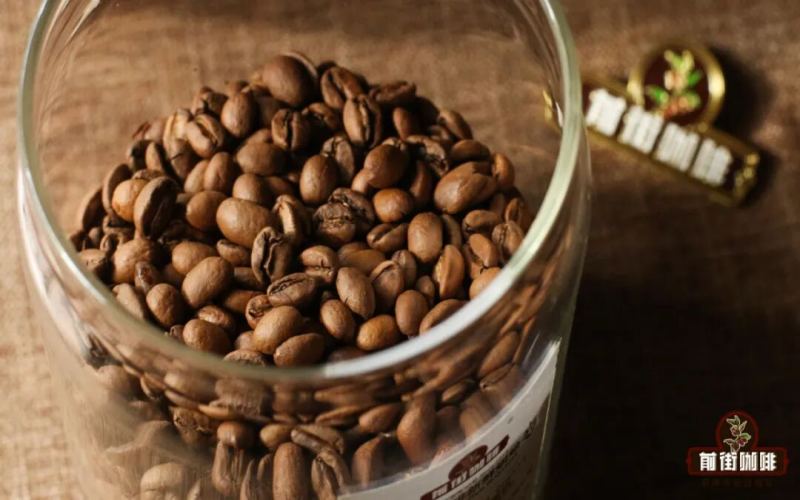
Coffee Knowledge | How to Quickly Identify Coffee Bean Roast Levels? Introduction to Grind Size and Brewing Water Temperature Parameters for Medium-Light and Medium-Dark Roasted Coffee
As everyone knows, Front Street Coffee mainly sells beans and has shops on both Taobao and Tmall, so friends who can't make it to the store often place orders online. Then some friends noticed that the labels on Front Street Coffee's beans don't indicate the roast level of the coffee beans, so they reported that after receiving them, they didn't know how to identify [more…]