







How Do Roast Levels Shape Colombian Coffee Flavor?
Colombian coffee flavor typically shows a round, full body with nutty and dark chocolate aromas and soft fruity acidity. Colombia is the world's largest exporter of Arabica coffee, and its washed beans hold a clean cup, which is why they appear in three of the four espresso blends from a single roaster.
Terroir does much of the work. The Andean growing belt spans three north-south mountain ranges at 800 to 2,300 meters, with mineral-rich volcanic ash soil, moderate sun, rainfall, and cloud cover. Washed processing, often done with family-farm equipment such as an Ecomill or Eco-Pulper, keeps the cup clear. Lighter roasts highlight acidity and fruit, while darker roasts push chocolate and nut notes forward.
Colombia, with the microclimates of the Andes and volcanic ash soil, has become the world's largest exporter of Arabica coffee, and its washed beans are known for nutty, dark chocolate, and soft fruity acidity. This article starts from the terroir of the producing regions and the washed processing flow, explores the impact of roast level on Colombian coffee flavor, and focuses on the medium-dark roast performance of Front Street's washed Huila daily beans, as well as the brewing parameters and methods for Finca La Divisa's Sidra, helping enthusiasts understand the color and flavor differences under different roast levels.
Colombia has an extremely superior natural growing environment, and the coffee it produces usually shows a round, full body, with nutty and dark chocolate-like aromas, as well as pleasant soft fruity acidity, so it has always been widely favored in the consumer market. High-quality Colombian coffee can both provide rich aromas and maintain a clean cup, and is often used as an important component in espresso blends. Among the four espresso blends currently launched by Front Street, three include Colombian coffee beans in their recipes. Next, Front Street will discuss with everyone exactly which factors shape the flavor characteristics of Colombian coffee.
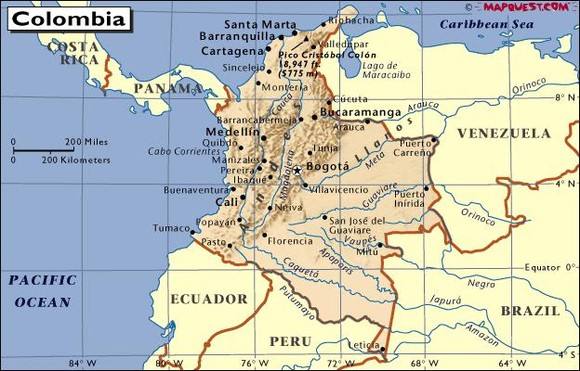
Colombia is the world's third-largest coffee producer and exporter, and also the largest exporter of Arabica coffee. The country borders Brazil, the largest producer, and to the northwest it borders Panama. Colombia's coffee-growing belt is mainly distributed across three Andean mountain range areas arranged like the Chinese character "川", and these mountains run north-south, with coffee trees planted at elevations of 800 to 2,300 meters. The local unique microclimate, mineral-rich volcanic ash soil, moderate sunshine hours, rainfall, and cloud shading conditions together create natural advantages very suitable for growing high-quality Arabica coffee. The climate differences between the mountain ranges are obvious, allowing Colombia to harvest coffee throughout the year; different varieties mature at different times, so in every season you can see coffee farmers busy picking among the trees.
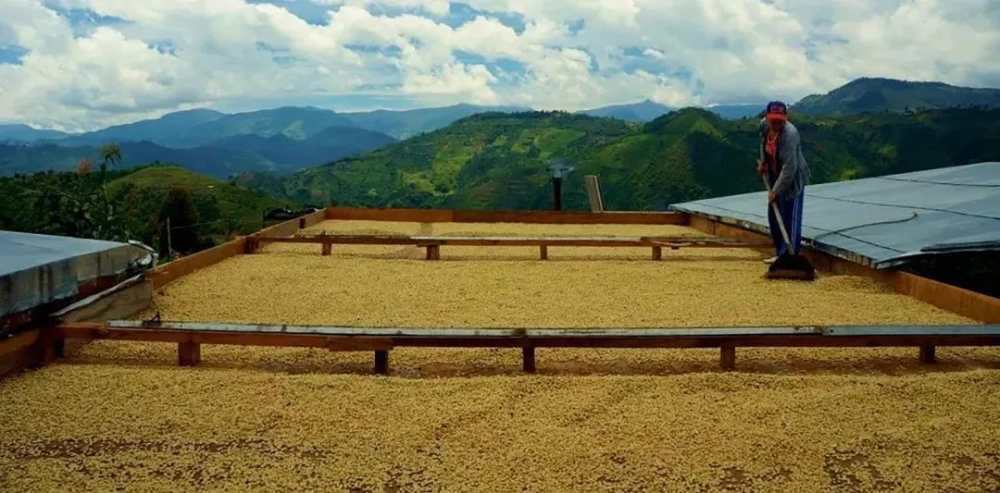
Colombia is rich in water resources, and most coffee uses the washed processing method. Family-based farms usually have specialized green bean processing equipment (Ecomill or Eco-Pulper). After harvest, the coffee cherries are poured into the machine, which not only removes the skin and pulp, but also removes most of the mucilage with only a very small amount of water. The parchment beans with a small amount of remaining mucilage are then placed into a small tank or container—possibly a tiled tank—and left overnight to ferment, allowing the remaining mucilage to loosen naturally, then rinsed clean with water the next day, and finally spread out in the sun to dry to the target moisture content.
Nowadays, many Colombian coffees using novel processing methods have appeared on the market, and they often present more vivid flavors. Front Street believes that to understand a coffee origin, one should start by tasting the coffee's own flavor, that is, first try the natural processing methods: washed and natural. The washing step can greatly reduce the defect rate of coffee beans, preserve the beans' own flavors, and at the same time bring higher cleanliness. The Colombian daily beans launched by Front Street are exactly washed processed, picked from the locally famous Huila producing region.
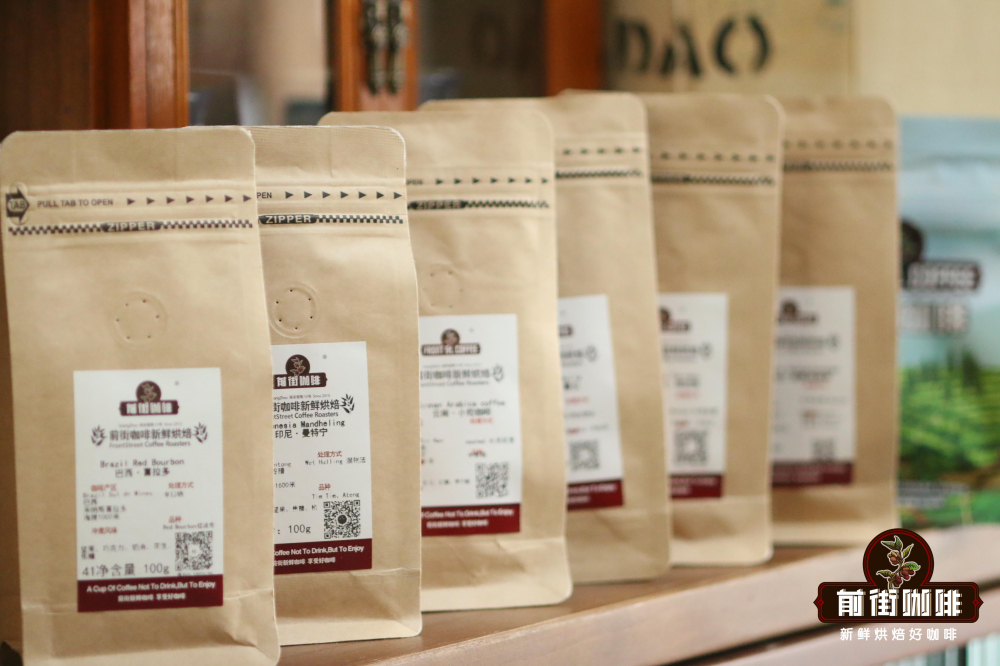
Front Street's daily bean series is sold in 100-gram small packages, covering seven classic producing regions: Brazil, Colombia, Ethiopia, Costa Rica, Indonesia, Yunnan, and Guatemala. Friends who are new to coffee can, by tasting them one by one, learn the flavor characteristics of each classic origin and then clarify the type they prefer.
Huila, located in southern Colombia, is a very popular specialty producing region in recent years, and is also one of Colombia's certified regions of origin for coffee. The growing elevation here is concentrated between 1,700 and 2,100 meters, surrounded by diverse hills and hilly terrain, and the Colombia River converges here, providing sufficient water for coffee tree growth. In addition, being close to the equator and surrounded by mountains, the coffee farms are not affected by the humid air of the Pacific or the southern trade winds, so the climate in this area is very stable throughout the year, and it also has famous volcanic soil. Front Street chooses washed Huila coffee as the representative face of Colombia, using a medium-dark roast to restore the classic mellow taste of Colombia.
In addition to classic-flavor washed Colombian coffee, in recent years whenever the specialty coffee producing region Huila is mentioned, people always think of Finca La Divisa, which appeared in the World Barista Championship. Here we recommend Front Street Sidra coffee and Front Street Ombligon coffee; both beans are medium roast, with charming floral aromas and juicy feel, suitable for many brewing methods, including moka pot, coffee machine, cold brew pitcher, pour-over, clever cup, and so on, so they have also become the first choice of many coffee lovers. Everyone can place orders at Front Street's Tmall flagship store.
However, because its fermentation degree is relatively deep, many friends often report that the taste they brew at home is not as ideal as what they drink in the shop. Therefore, Front Street has specially written this sharing article today to briefly introduce the background of Sidra and the corresponding brewing method. Next, Front Street will share how to brew this Finca La Divisa Sidra well. The extraction parameters are as follows: Dose: 15g Coffee-to-water ratio: 1:15 Brewing water temperature: 92°C Grind size: 75%~80% passing rate on a No. 20 sieve, Ek43 setting 9.5, fine granulated sugar texture (slightly fine)
Filter cup used: V60 The brewing method is the same as Front Street has shared before. We do not need to pay too much attention to how many pours it is divided into. As long as the final extraction time falls within the range we want, then whether it is three pours, four pours, or five pours is all fine. Front Street generally uses a three-pour method! The first pour of the three-pour method is blooming. We pour in twice the coffee dose for a 30-second bloom to release gas.
After the bloom ends, we use a moderate stream of water to pour the second batch of hot water in a large circular motion. The hot water poured in this stage totals 120ml. It should be noted that because anaerobically processed coffee drains faster, the stream of water when pouring cannot be too large, to prevent the extraction time from being too short and causing under-extraction.
When the second batch of hot water has seeped through almost completely, we can then pour the third batch of hot water in a small circular motion at the center of the coffee bed using a moderate stream. This stage totals 75ml of hot water. After pouring is complete, we only need to wait for dripping to finish, then remove the filter cup and end the extraction.
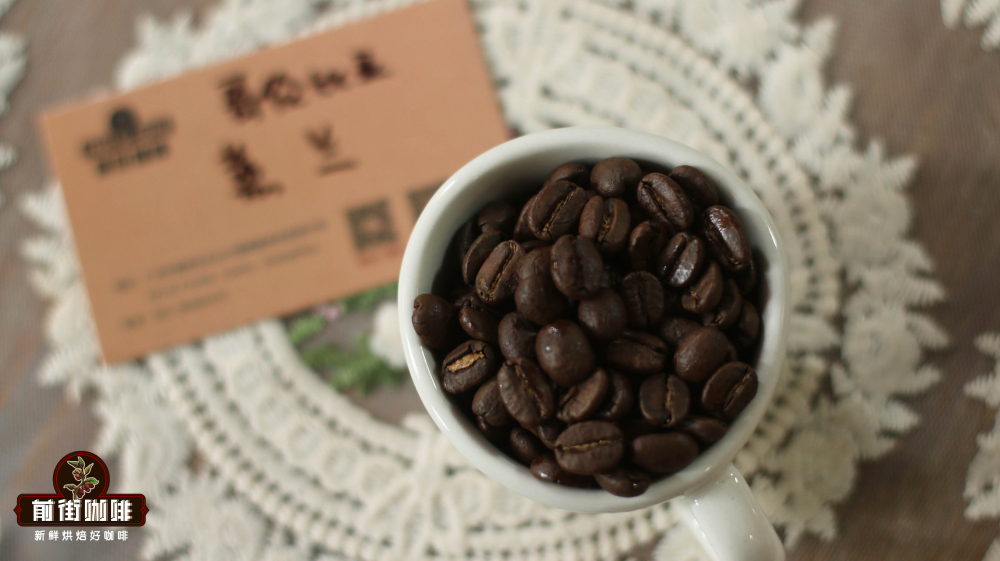
The total time is exactly 2 minutes. The Front Street Sidra brewed this way has a very outstanding sweet-and-sour taste, with a very prominent flavor performance, and at the same time it is also very rich, with aroma characteristics of grape, passion fruit, apricot peach, floral notes, chocolate, and a little red wine.
And if we make iced pour-over, then the coffee's bitterness will be further reduced, and it will taste very much like a glass of grape juice, very nice~
The above content is compiled by CoffeeHunters, a coffee news website.


