







Search Results for: Ethiopian Airlines

Somalia Halts Ethiopian Airlines Flights Over Sovereignty Dispute, East African Tensions Affect Coffee Exports
Somalia's civil aviation authority demanded that Ethiopian Airlines make corrections within a deadline on the grounds that the words "Somaliland" appeared on the airline's official website. After being refused, it suspended all Ethiopian flights on August 23. The root of this matter lies in the memorandum of understanding signed between Ethiopia and Somaliland on the use of a port, which has led to continued tension between Somalia and Ethiopia. At the same time, Eritrea also suspended Ethiopian flights, and the peace talks mediated by Turkey have been hindered. Ethiopia's exports of agricultural products such as coffee are highly dependent on neighboring countries' ports. Now that the Port of Djibouti is affected by the Red Sea crisis, and Ethiopia cannot use routes through Somalia and Eritrea, the outlook is worrying. [more…]

Eritrea Suspends Flights to Ethiopia, Adding Further Uncertainty to Ethiopia's Coffee Export Corridors
On July 24, the Eritrean side announced that it would suspend all Ethiopian Airlines flights to and from the country starting at the end of September, citing suspected malicious commercial practices. Ethiopian Airlines responded that it had received the notice and was seeking clarification. At the same time, Ethiopia is already facing multiple pressures on its export routes, including the Red Sea crisis, the suspension of operations at Djibouti Port, and tensions between Somalia and Eritrea, severely obstructing the outward shipment of coffee and other goods. This article will sort out the context of this flight suspension incident, analyze its deep impact on Ethiopia's coffee industry and import-export trade, and pay attention to potential fluctuations in the supply chains of producing areas for brands such as Front Street Coffee. [more…]

Ethiopia's exchange rate volatility intensifies, coffee export prices continue to climb
The National Bank of Ethiopia recently held a foreign exchange auction in an attempt to narrow the gap between the official exchange rate and the parallel market, but the sharp depreciation of the birr has already pushed up domestic prices, with the coffee industry bearing the brunt. The Coffee and Tea Authority, together with the National Bank, has issued minimum export floor prices for each producing region. The price of G1-grade coffee beans rose by about 5% month-on-month, while the increase for commercial beans reached 14%. The combined effects of exchange rate volatility, dependence on imports, and insufficient foreign exchange earning capacity mean that prices for Ethiopian coffee and other export commodities may continue to rise in the future. Front Street Coffee continues to monitor developments in producing regions, bringing enthusiasts the latest market analysis. [more…]
The origins of coffee lie in Ethiopia: Heirloom flavor profiles, tasting etiquette, and a practical travel guide
Ethiopia, in eastern Africa, is not only one of the important birthplaces of human civilization but is also regarded as the homeland of coffee. The English word "coffee" is said to derive from the Ethiopian place name "Kaffa." On this plateau, coffee grows widely in its native form, and different producing regions, due to differences in altitude and ecology, present diverse flavors such as floral aromas, fruity acidity, and vinous notes. Local people have developed a unique drinking ritual around coffee, from roasting and pounding to brewing in a clay pot, the entire process is full of ceremony. In addition to coffee, Ethiopia also boasts rich landscapes such as the Rift Valley, waterfalls, rock caves, and ancient churches. This article will introduce you to the origins, flavor characteristics, and drinking customs of Ethiopian coffee, and provide practical information on visas, flights, accommodation, and currency. [more…]
Ethiopia, the Hometown of Coffee: A Complete Cultural Interpretation from the Origin of the Kaffa Place Name to Traditional Drinking Rituals
The roots of coffee lie in the Horn of Africa. Ethiopia not only gave coffee its name through the place name "Kaffa," but also, with growing conditions spanning multiple climate zones, nurtured bean varieties with distinct personalities such as Harar, Yirgacheffe, and Sidamo. Here, people regard coffee as a daily ritual: gathering around the fire in the evening, roasting, pounding, and brewing on the spot—a whole process that continues to this day. At the same time, Ethiopia is also an important tourist destination in Africa, with its highland scenery, rock-hewn churches, and unique calendar together forming its charm. This article will take you through origin legends, regional flavors, drinking etiquette, and practical travel information, offering a complete introduction to this coffee nation. At the end, there are also related recommendations from Front Street Coffee for your reference. [more…]

Indonesia's Anak Krakatoa Volcano Erupts Massively, Multiple Airports Forced to Shut Down
Around September 7 local time, the Anak Krakatau volcano in Indonesia (commonly known as the "Child of Krakatau") remained highly active, with ash plumes surging as high as about 50,000 feet (roughly 15,000 meters), reaching the cruising altitude of commercial airliners. [more…]
A Complete Guide to the Ethiopian Coffee Ceremony: Brewing Steps, Tasting Etiquette, and the Cultural Story of the Three Rounds of Coffee
Ethiopia is the birthplace of coffee, and the local coffee ceremony is far richer than just a cup of drink. Based on a three-week firsthand experience, this article provides a complete breakdown of the coffee ceremony process: laying out fresh green grass, washing raw beans, roasting over charcoal, crushing in an iron mortar, boiling in a clay pot, and then the three-round coffee drinking order of "Abol," "Tona," and "Baraka," along with the accompanying snacks. The article also describes the unique atmosphere created by myrrh incense, and why locals insist on hand-crushing rather than using a machine grinder. Whether you are a coffee enthusiast or a cultural explorer, you can feel the devotion and ease of this ancient ritual, and learn about Front Street Coffee's recommendations for Ethiopian coffee. [more…]
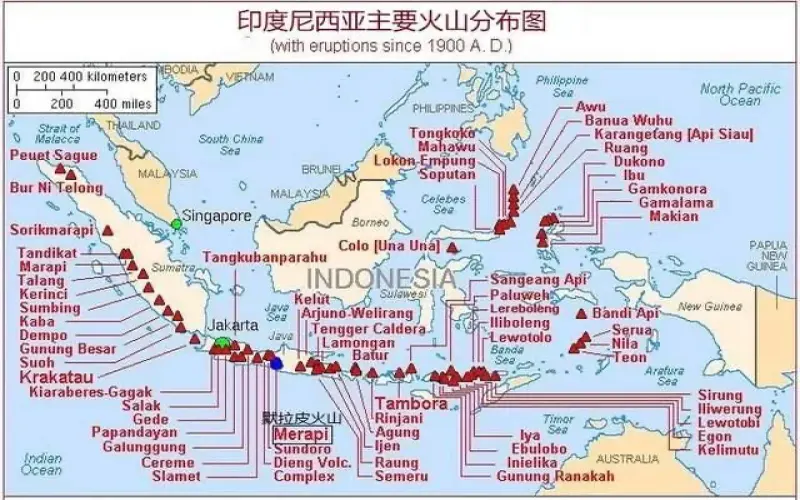
Multiple volcanoes in Indonesia erupt in succession, alert level raised to maximum, Robusta coffee production may decline significantly
Indonesia is located at the junction of multiple geological plates and has the largest number of active volcanoes in the world, with 127 active volcanoes within its territory. Recently, multiple volcanoes in the country have erupted intensively, and authorities have raised the alert level to the highest. Volcanic activity not only threatens the safety of local residents, but also poses serious risks to agriculture, including coffee. The current period coincides with the Robusta coffee harvest, and some producers expect output on certain islands to decrease by 20%, while total national production may fall by 50%. Combined with tight global inventories caused by drought in Vietnam, Robusta coffee prices may be pushed further higher. This article will review the specific details of these volcanic eruptions and their potential impact on the coffee industry. [more…]

Microsoft system outage hits Starbucks stores worldwide, cashiers disrupted as staff resort to handwritten cups and even free drinks
A global digital accident triggered by a Microsoft 365 service outage caused devices running Windows systems to collectively display the "blue screen of death," paralyzing multiple industries including aviation, finance, and education. As a well-known brand affected, Starbucks saw its point-of-sale systems fail in a large number of stores across the United States and Canada, forcing mobile ordering and payment functions to be suspended, with some stores even closing outright or offering customers free drinks. Some Starbucks stores in China were likewise not spared, as computer failures forced staff to return to the "handwritten cup era," manually marking requests after orders were placed through Feikua. Microsoft later announced that the root problem had been fixed, but residual effects continued. This article reviews the specific impact of the incident on Starbucks and how stores responded. [more…]
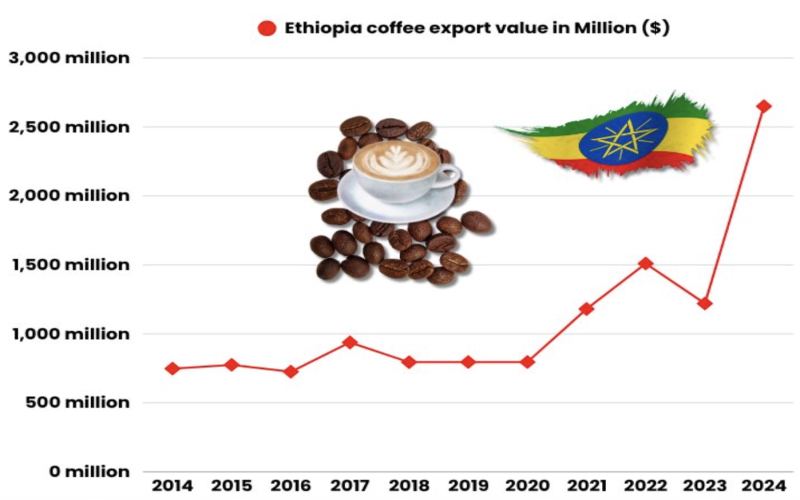
2024-2025 Ethiopia Coffee Export Report: Ethiopia's Main Coffee Export Destinations and Production
Ethiopia is not only the birthplace of Arabica coffee but also one of the world's major suppliers of high-quality coffee beans. Coffee occupies a central position in Ethiopia's economy, culture, and trade. In 2024-2025, Ethiopia's coffee export volume and export revenue both reached historic highs, marking [more…]
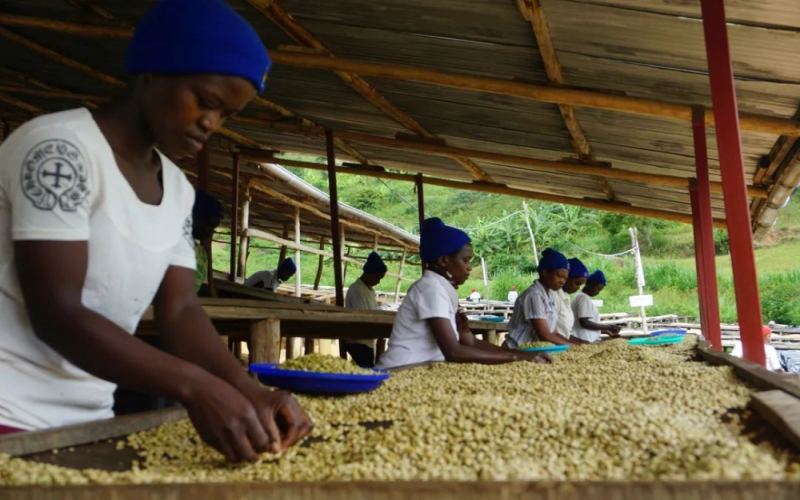
Ethiopian Coffee Bean Buying Guide: A Complete Analysis of Regional Flavors, Variety Characteristics, and the Grading System
Ethiopia is the birthplace of coffee. With its vast and complex gene pool and diverse processing methods, it gives rise to richly layered coffee flavors that are deeply loved by coffee enthusiasts. Among the beans offered by Front Street Coffee, the Ethiopian region accounts for thirty to forty percent. This article will walk you through the variety classification of Ethiopian coffee, the flavor characteristics of the two representative regions Yirgacheffe and Sidamo, the differences between washed and natural processing methods, as well as Ethiopia's unique green bean grading system and the Red Cherry Project. Whether you are a beginner just getting into pour-over or a seasoned connoisseur chasing the ultimate flavor, you will find practical guidance here for choosing Ethiopian coffee beans. [more…]
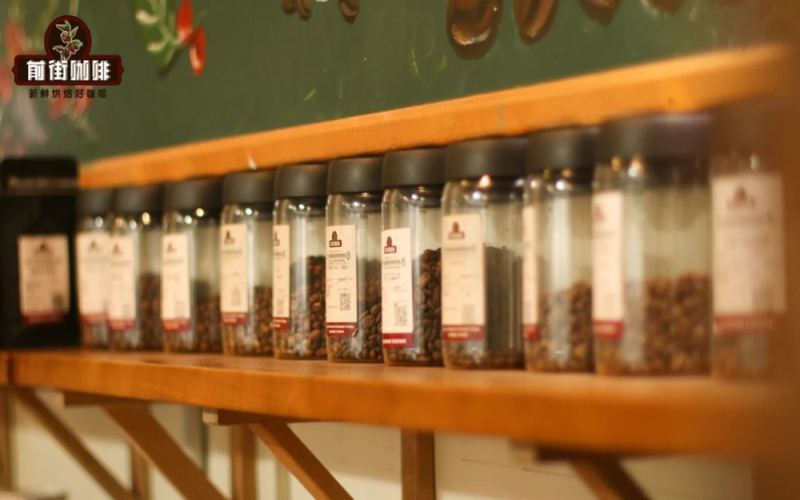
Ethiopian Heirloom Coffee Beans: Unraveling the Truth and Flavor Mysteries of Heirloom Varieties
Ethiopian coffee beans are perpetually labeled with the variety name Heirloom, but what exactly lies behind this broad designation? Why are Ethiopian beans always so inconsistent in size and so varied in flavor? This article, from the perspective of Front Street Coffee, traces the origin of the term "heirloom" and the controversies surrounding its definition, analyzes Ethiopian coffee variety classification, cultivation models, and green bean grading systems, and, through a blind tasting comparison of Front Street Sidamo Natural Arsi, reveals the true flavor differences between large and small coffee beans, helping you genuinely understand the richness and complexity of Ethiopian coffee. [more…]

Ethiopian Coffee Beans | Why Do Ethiopian Coffee Beans Vary So Much in Appearance? What Coffee Variety Is the Ethiopian Heirloom Native Species?
"Boss, why are the beans in this bag so uneven in size? Every bean looks so unique..." This is the question customers ask our customer service most often after receiving Ethiopian coffee beans ordered from Front Street's Taobao store. From the picture, we can see that, just as our friends have reported, [more…]
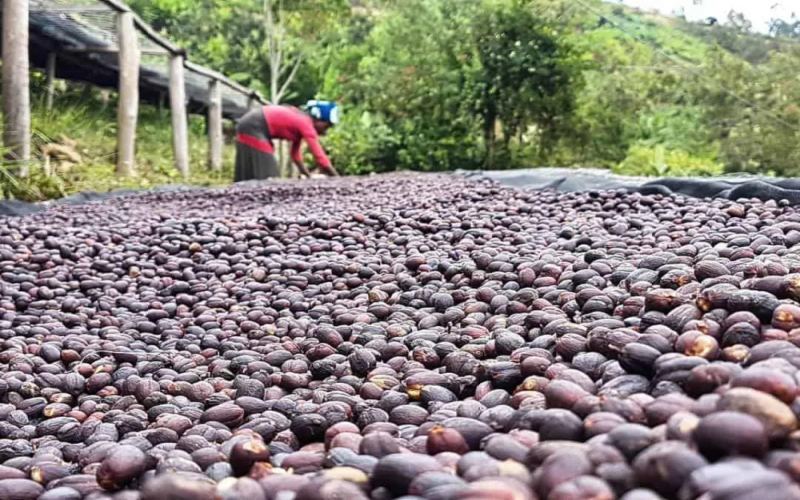
China Becomes a Major Export Destination for Ethiopian Coffee
According to data from Xinhua News Agency and the Ethiopian Coffee and Tea Authority (ECTA), China has surpassed the United States to become the world's third-largest importer of Ethiopian coffee. It is reported that the Ethiopian Trade and Trade Administration (ECTA) exported 47,8 [more…]
A Complete Analysis of the Ethiopian Coffee Bean Grading System and Flavor: Heirloom Varieties, the Red Cherry Project, and Front Street Recommendations
Ethiopia, as the birthplace of coffee, is home to tens of thousands of heirloom varieties, and its coffee is world-renowned for its citrus and floral notes and complex flavors. This article provides a detailed analysis of the Ethiopian coffee grading system, from the classification of washed and unwashed coffees to the G1 to G9 evaluation standards, and introduces how the Red Cherry Project improves coffee quality. At the same time, Front Street Coffee shares cupping experience from the Yirgacheffe and Sidamo regions, comparing the flavor differences between washed and natural beans, offering coffee enthusiasts comprehensive knowledge about Ethiopian coffee. [more…]

Ethiopian Coffee: A Comprehensive Analysis of Heirloom Varieties, Processing Methods, and Grading Systems
Ethiopia is a genetic treasure trove of coffee, where tens of thousands of heirloom varieties interweave with diverse processing methods to create an extraordinarily rich flavor spectrum. From Yirgacheffe to Sidamo, from washed to natural, the coffee of this East African highland is renowned worldwide for its citrus florals and bright acidity. Yet the uneven bean appearance of landrace varieties, the unique grading system, and the quality boost from the Red Cherry Project together form the distinctive character of Ethiopian coffee. Drawing on Front Street Coffee's shelving experience and cupping records, this article systematically reviews the varietal origins, regional characteristics, processing method differences, and green bean grading logic of Ethiopian coffee, helping coffee enthusiasts gain a deeper understanding of the appeal of this producing country. [more…]

Arabica Espresso Origin Selection: A Comparison Between Ethiopian SOE and Central & South American SOE
When making espresso SOE with Arabica beans, the choice of origin directly determines the flavor direction of the espresso. Ethiopian SOE and Central-South American SOE are two entirely different paths, each with its own charm, suited to drinkers with different taste preferences. Ethiopian SOE takes the route of intense floral and fruity aromas. Huakui sun-dried beans [more…]

Ethiopian regulators halt cooperation with Chinese coffee merchants over unpaid goods, affecting foreign exchange earnings
As Africa's largest coffee producer, Ethiopia is known for the floral and fruity aromas of its coffee beans, and in recent years it has become increasingly popular in the Chinese market. However, a recent report from local media has drawn attention: the Ethiopian Coffee and Tea Authority has decided to ban a Chinese coffee company from signing contracts with Ethiopian parties because it failed to pay its local exporter. This incident not only reflects payment disputes in China-Ethiopia coffee trade but also highlights the importance of coffee exports to the country's foreign exchange earnings. This article will review the course of events, the companies involved, and local regulatory measures, and revisit the popularity of Ethiopian coffee in the Chinese market. [more…]

Why Are Ethiopian Coffee Beans So Uneven in Size? Analyzing Ethiopian Coffee Characteristics and Native Heirloom Varieties
As the birthplace of coffee, Ethiopia often produces coffee beans of varying sizes, a phenomenon closely tied to its unique variety system and cultivation methods. On Front Street Coffee's bean list, the Ethiopian region boasts the richest selection, and we frequently receive feedback about uneven bean sizes. This article explores the reasons behind the size differences in Ethiopian coffee beans, analyzes the overall characteristics of Ethiopian coffee, and explains what heirloom and native varieties are, helping coffee enthusiasts gain a more comprehensive understanding of this region's unique charm. [more…]
Why Are Ethiopian Coffees Collectively Called Heirloom? An Analysis of the Origins and Characteristics of Heirloom Varieties
In the specialty coffee world, the variety labeling on Ethiopian coffee beans often includes the word "Heirloom," which leaves many enthusiasts confused. In fact, this term does not refer to any single specific variety, but is a collective name for the vast number of native coffee variety groups within Ethiopia. It is estimated that the country's forests may contain more than ten thousand naturally growing coffee varieties, and because genetic identification work has not kept pace, buyers find it difficult to distinguish them one by one and can only use "heirloom" as a general description. This article will sort out the dual meanings of the word Heirloom in the coffee world, explain why Ethiopian coffee varieties are so difficult to identify precisely, and help you understand the variety diversity and natural pollination mechanisms behind this term. Front Street Coffee will also draw on producing-region examples to help you more clearly understand the varietal attributes of Ethiopian coffee. [more…]