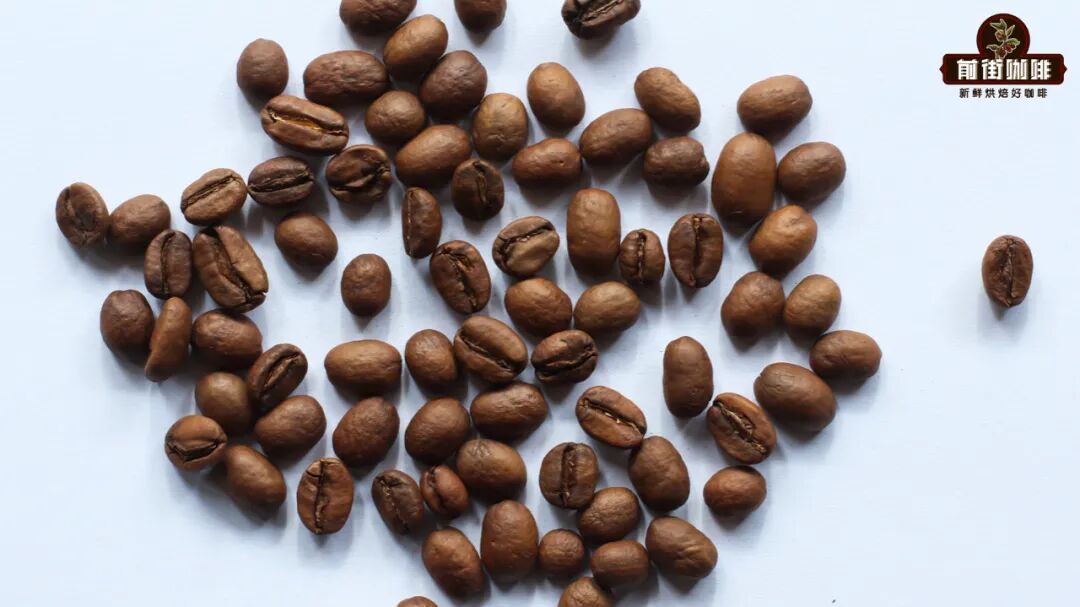
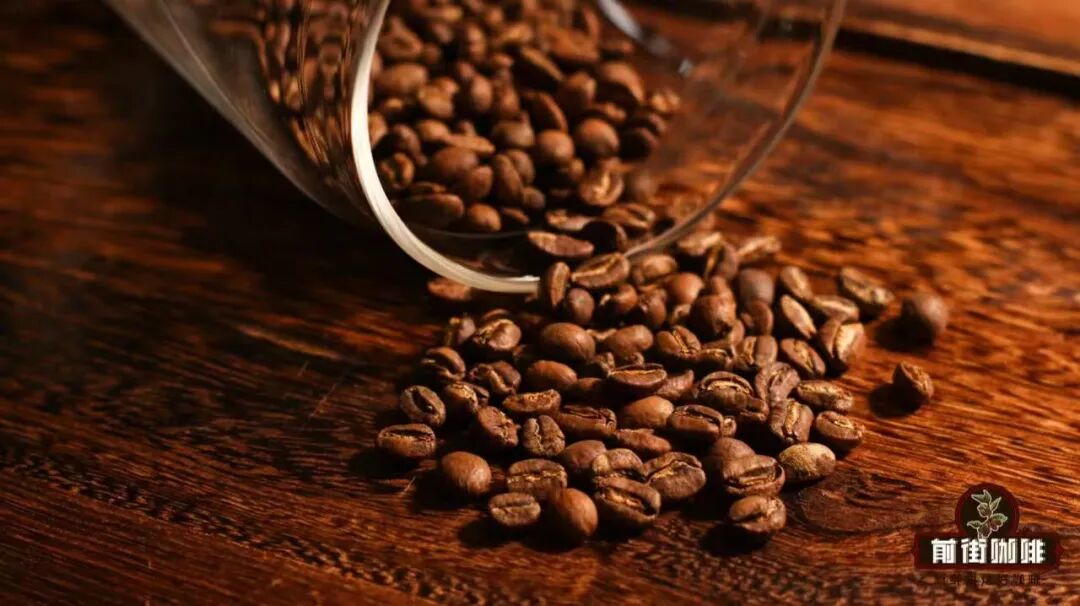
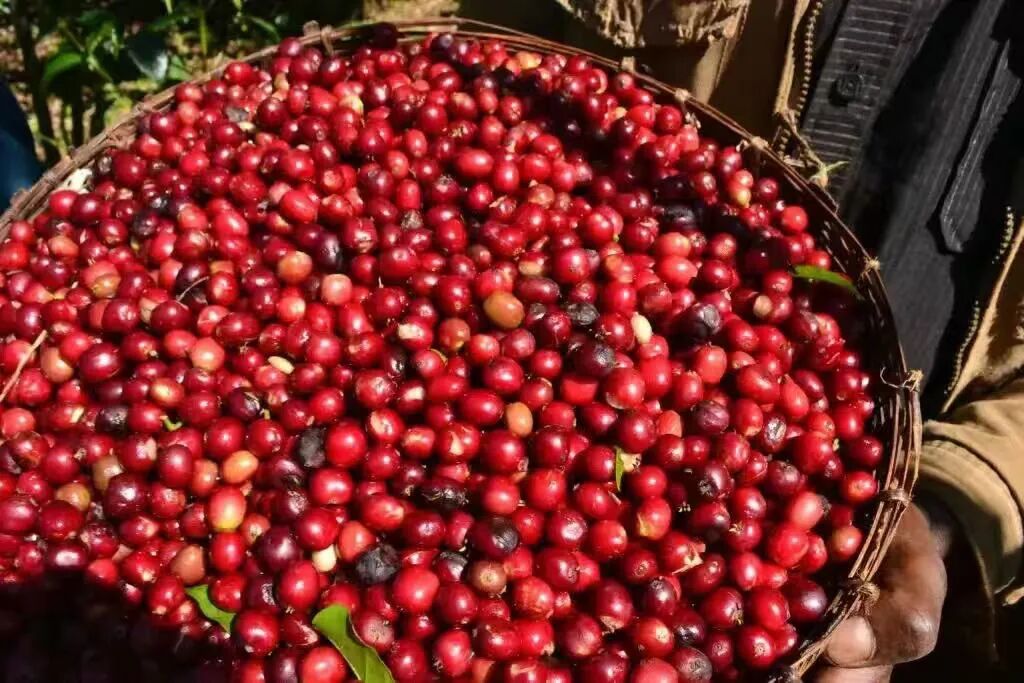
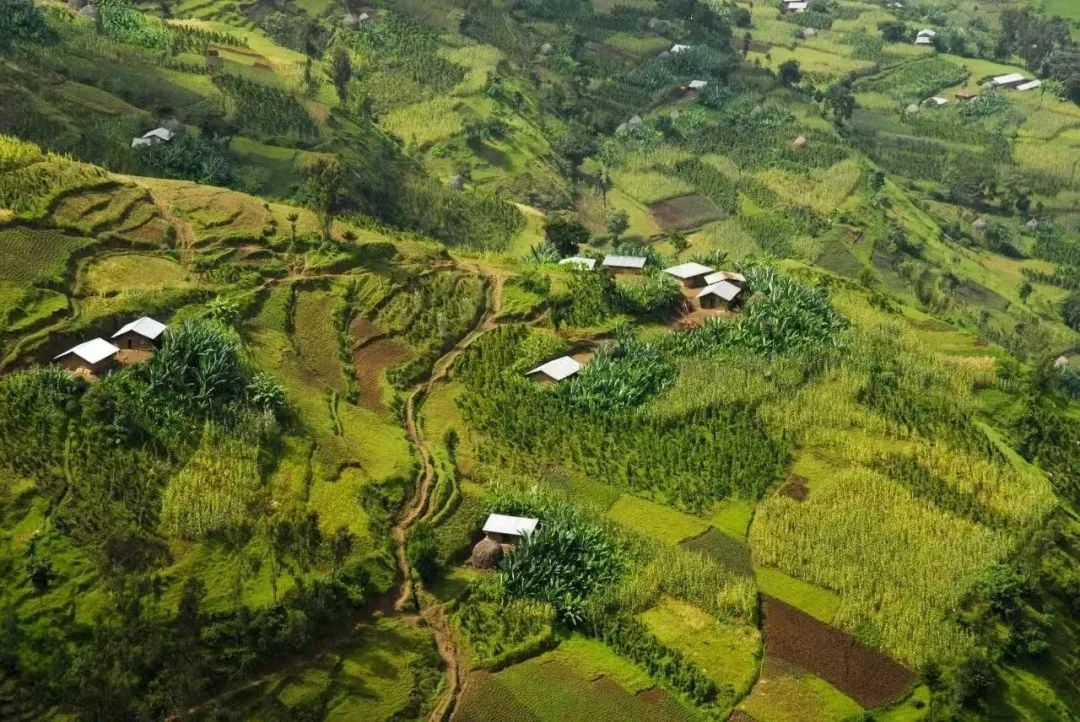
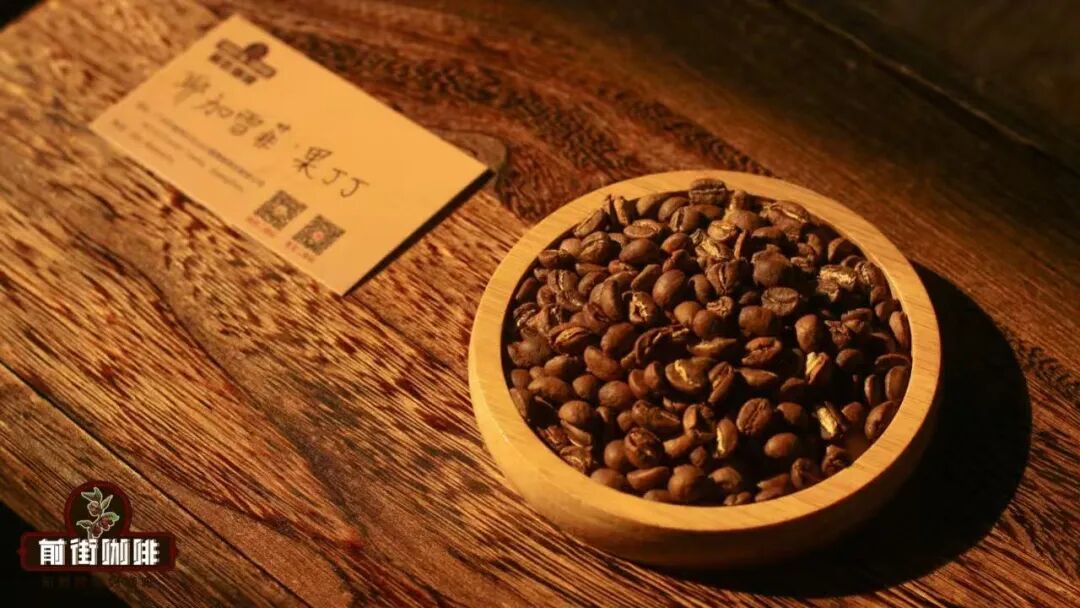
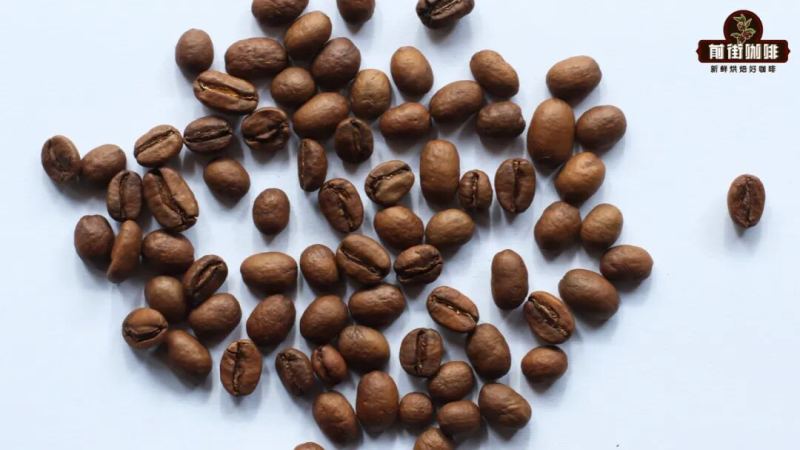
"Boss, why are the beans in this bag so uneven in size? Every bean looks so unique..."This is the most common question some friends ask customer service after receiving Ethiopian coffee beans ordered from Front Street's Taobao store.From the pictures, we can see that, just as our friends have reported, although they come from the same bag of coffee beans, these beans are not only different in size but also vary in appearance, looking completely unrelated. It's inevitable that people might suspect whether defective beans weren't picked out cleanly, or if the seller mixed in other beans to make up the numbers.But in reality, for Ethiopian coffee beans, this is a perfectly normal phenomenon, and it has a certain relationship with their coffee production methods.Why do Ethiopian coffee beans vary so much in appearance?Aside from Geisha(Gesha),the 74/75 seriesof coffee varieties, we can often see a name called "Heirloom" in the variety introduction column of beans from Ethiopian regions. The characteristics mentioned above—"uneven in size, varying in appearance"—mainly come from "Heirloom.""Heirloom" translates to "family treasure," and we also call it "native species." The reason beans named native species look so strange is that it is not a single variety, but a collective term for Ethiopian coffee.As is well known, Ethiopia is the birthplace of coffee. The Arabica species we are familiar with, such as Geisha, Typica, and Bourbon, originated in Ethiopia. In addition to these well-known, identified varieties, there are tens of thousands of coffee varieties in Ethiopia that have not yet been identified or even discovered. In a small forest, dozens or even hundreds of coffee varieties with different forms might grow together, an extremely large number. The term "Heirloom" is used to summarize all these varieties that exist in Ethiopia.Coffee is an important source of income for nearly one-fifth of Ethiopia's population. Farmers in each area collect ripe coffee grown in nearby forests, along roadsides, or in their own backyards and send it to nearby processing plants in exchange for income. After receiving the coffee from surrounding farmers, the processing plants carry out unified processing, packaging, and finally export.Since the coffee varieties are not distinguished throughout the process and cannot be distinguished, these coffees are ultimately sold directly under the name "Heirloom."Therefore, when you see a bag of Ethiopian coffee beans with huge differences in size and appearance, you can guess that it is most likely a Heirloom mixed from dozens or hundreds of different varieties. It represents a green bean blend from a certain origin, combining the harvests of multiple small farmers from the same period. Since a single batch may contain dozens or hundreds of different varieties, these coffees vary in particle size, dimensions, and shape.Although this kind of "blending" weakens the characteristics of individual varieties, it can add richer layers. And it should be noted that this type of coffee does not belong to the category of "blended coffee," but is a single-origin coffee.Single-origin coffee has always referred to coffee beans from a single origin rather than a single variety. Because coffee beans are agricultural products, their taste is influenced by the growing environment, thus forming the flavor of the origin.For example, Front Street Ethiopia·Floral Queen in the Front Street bean list is a very famousGuji regionsun-dried Heirloom. The "Floral Queen flavor" it carries, with citrus, berries, strawberries, cream, and so on, is the charm brought by the terroir of the place where this Floral Queen coffee is grown;Or Front StreetYirgacheffe·Gudgudin the Front Street bean list, which is also a Heirloom and cannot be distinguished into specific varieties. The white floral, lemon, and citrus notes it exudes are the characteristic flavors developed after the coffee beans have adapted to the local environment. The above content is compiled by CoffeeHunters, a coffee news website.