







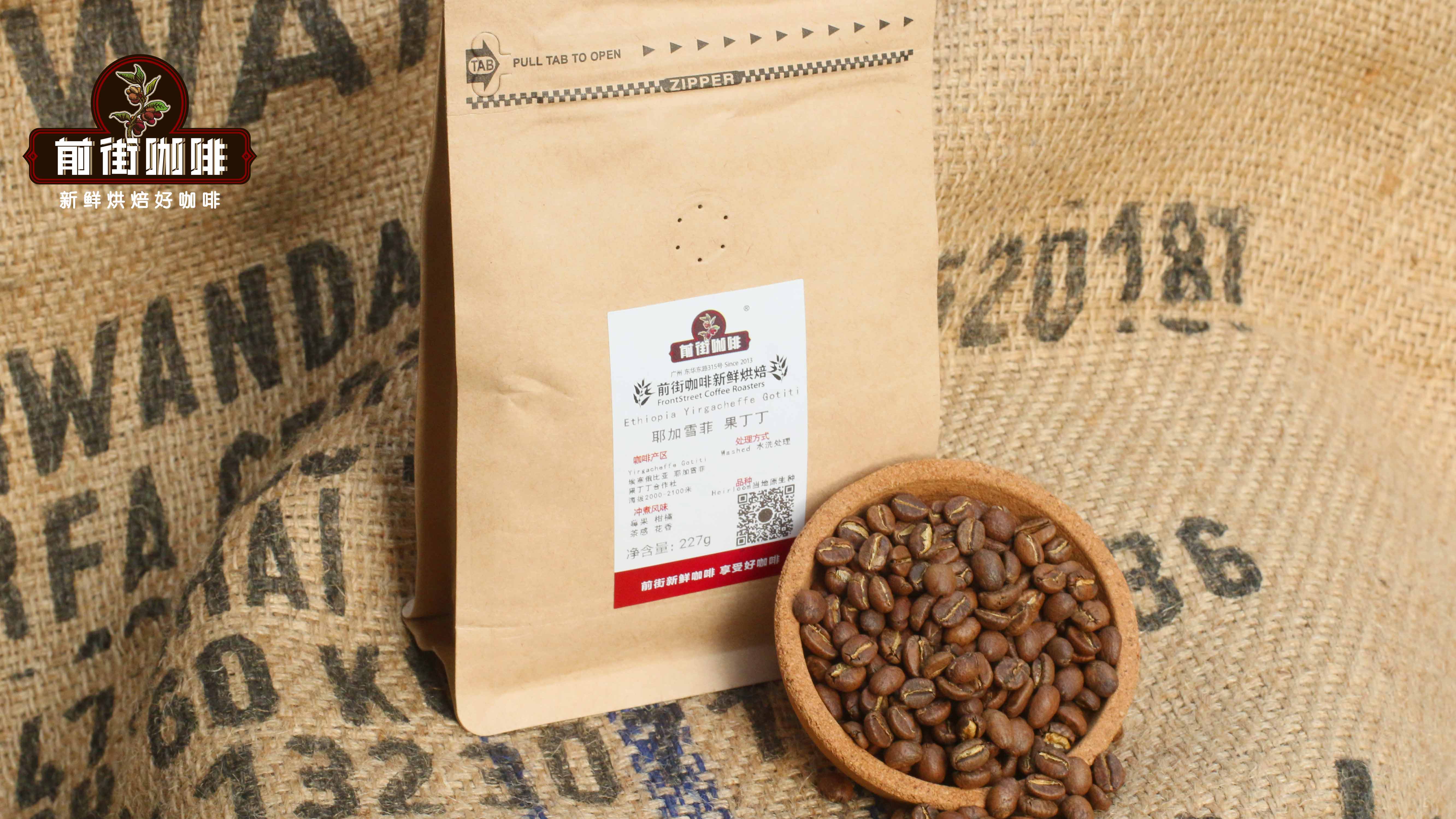
Ethiopia is a genetic treasure trove of coffee, where thousands of heirloom varieties and diverse processing methods interweave to create an extremely rich flavor spectrum. From Yirgacheffe to Sidamo, from washed to natural, the coffee of this East African highland is renowned worldwide for its citrus florals and bright acidity. However, the uneven bean appearance of native varieties, the unique grading system, and the Red Cherry Project's push for quality all contribute to the distinctive character of Ethiopian coffee. Drawing on Front Street Coffee's shelving experience and cupping records, this article systematically sorts through the variety origins, regional characteristics, processing method differences, and green bean grading logic of Ethiopian coffee, helping coffee enthusiasts gain a deeper understanding of the allure of this producing country.
The reason Ethiopian coffee fascinates so many seasoned drinkers lies in the extreme diversity of its varietal genetics, compounded by different processing methods such as natural and washed, ultimately presenting a richly layered and ever-changing flavor profile. Among the coffee beans currently offered by Front Street Coffee, beans from the Ethiopian region account for thirty to forty percent, demonstrating their popularity. The two regions of Yirgacheffe and Sidamo are often the starting point for most people encountering Ethiopian coffee. When guests new to pour-over are unsure how to choose, Front Street Coffee's baristas typically recommend beans from these two regions as the "first cup" to open the door to the world of Ethiopian coffee.
When people mention Ethiopian coffee, the first thing that comes to mind is its highly recognizable flavor. About 15% of the population in this East African country depends on the coffee industry for their livelihood. The local coffee culture has deep roots, and Ethiopians themselves are extremely passionate about drinking coffee, with domestic consumption accounting for roughly half of the nation's total production.
According to Front Street Coffee's understanding, there are approximately 10,000 to 15,000 heirloom varieties distributed within Ethiopia. Limited by technological conditions and economic capacity, the country does not yet have the foundation to carry out systematic variety identification work. Additionally, the government, out of consideration for protecting wild coffee resources, is unwilling to publicly disclose relevant variety information. Therefore, Ethiopian coffee varieties are collectively referred to as "Ethiopian native species." Currently, local native species are roughly classified into two categories: one is the JARC varieties bred and developed by the Jimma Agricultural Research Center, and the other is regional landraces that grow entirely naturally in the wild.

For example, the varieties cultivated by the coffee cooperative on one mountain will inevitably differ from those on another mountain; even smallholder farmers within the same region each grow different coffee varieties. Some estimate that Ethiopia has at least 2,000 coffee varieties, and there are even claims of more than 4,500.
Compared with SL28, the main variety of neighboring Kenya to the south, or the plump and large bean shape of Typica in Central and South America and Asia, Ethiopian coffee beans appear relatively small and slender. However, "beans" should not be judged by appearance. Ethiopia's citrus aroma is arguably the best in the world. Whether instant or freshly ground, one can sense the striking orange or lemon fragrance during extraction. On the palate, the rich floral notes, fruity flavors, and the interwoven sweet and sour taste are precisely the signature characteristics of Ethiopian coffee.
Front Street Coffee has conducted cupping on multiple coffee beans from Yirgacheffe and Sidamo, one of which was the Ethiopian TOH washed group champion bean from the Guji region of Sidamo. First, grinding to smell the dry fragrance, this champion bean displayed an extremely intense floral aroma; then pouring water to the brim to confirm the wet fragrance, it presented a citrus-like refreshing sweetness, somewhat similar in character to the Gutingding coffee beans from the Yirgacheffe region.
Four minutes later, breaking the crust and skimming to assess the flavor, the cupping results recorded by Front Street Coffee were: jasmine, lemon, berry, pomelo, honey, green tea. After actual brewing, the front section showed citrus acidity and jasmine aroma, the middle section turned into pomelo tea, and the tail section left a honey-like aftertaste. After washed processing, this bean's brightness of acidity from the Uraga region was fully highlighted, with the overall style leaning toward the Yirgacheffe region's characteristic balance of floral aroma and citrus acidity.
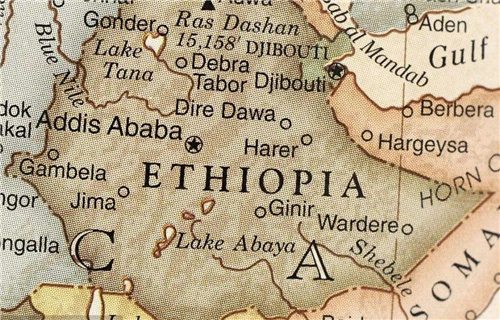
However, Ethiopian native species vary greatly in bean size, which brings a significant drawback—uneven heating during roasting, especially pronounced in natural beans. Even the relatively high-quality Grade 3 Harar natural beans often show inconsistent bean color. This can be said to be the biggest shortcoming of Ethiopian beans, though fortunately it does not affect their outstanding flavor performance.
For coffee enthusiasts, bean appearance is not the key; tasting good is fundamental. Ethiopian washed beans are far more stable than natural beans, with the latter showing greater flavor fluctuation from year to year. Front Street Coffee typically conducts extensive cupping before shelving to ensure that the Ethiopian coffee beans offered reach an ideal quality state. Top-quality natural beans have far greater flavor depth than washed beans; but if one buys improperly processed natural beans, it is quite frustrating—a sentiment shared by many coffee fans.
Precisely because of this, Ethiopian coffee beans suffer from inconsistent quality—some are of higher quality, some lower, and mixing them together drives down the overall price. Dutch green bean merchants also noticed this situation with local native species and joined forces with Ethiopian cooperatives to launch an initiative aimed at improving coffee quality and prices, called the "Red Cherry Project."
The Red Cherry Project is essentially a commercial project promoting coffee quality improvement, tackling the problem from the source. By raising the purchase price of high-quality green coffee beans, it incentivizes coffee farmers to more carefully complete every step of picking and processing, with picking entirely done by hand, selecting only highly ripe cherries. Coffee beans screened through the Red Cherry Project have more guaranteed quality. Front Street Coffee's natural Red Cherry is precisely purchased through this project, so the brewed flavor is a step above the original baseline.
The grading method for Ethiopian coffee beans is completely different from other countries. In Ethiopia's grading process, there is almost no strict distinction based on coffee bean size; instead, requirements are placed on moisture content: first, coffee bean moisture content must not exceed 11.5%, and at least 85% of beans must not be smaller than 14 mesh; second, for washed coffee beans undergoing physical characteristic measurement, appearance size score accounts for 10%, while the unwashed group has no size requirement. Ethiopia's green bean grading process is as follows:
1. First, classify by processing method: washed and unwashed. 2. Washed and unwashed beans are separately divided into nine grades from G1 to G9 based on physical characteristics, cup testing characteristics, and basic cup quality. Specifically: physical characteristics score accounts for 40% (washed group: defect count 20% + appearance size 10% + color 5% + odor 5%; unwashed group: defect count 30% + odor 10%), and cup quality score accounts for 60% (cleanliness 15% + acidity 15% + body 15% + flavor 15%).
Among these, G1 represents the highest comprehensive green bean score, with a comprehensive score between 91 and 100; G2 comprehensive score is 81 to 90; G3 comprehensive score is 71 to 80. This also explains why Yirgacheffe G1 has better green bean quality and flavor performance than Yirgacheffe G2. The grading does not end here. The three grades G1 to G3 still need to be cupped again according to SCAA standards to more meticulously evaluate flavor attributes: G1 and G2 scoring no less than 85 are rated Q1; G1, G2, and G3 scoring between 80 and 85 are rated Q2; those below 80 are downgraded to G3. This is the classification system for Ethiopian coffee beans.
Many guests, when visiting Front Street Coffee to purchase beans, are not very clear about the flavor differences between washed and natural beans. Simply put, washed beans better present the regional terroir of a coffee bean, while natural beans add richer aroma and sweetness on top of the washed processing foundation.
If you prefer fresh white florals and clean fruity acidity, we recommend Front Street Coffee's Gutingding coffee; if you favor the rounded sweetness of tropical fruits, we suggest choosing Front Street Coffee's natural Red Cherry.
Front Street Coffee has cupped this washed bean from the Yirgacheffe region: after grinding 11.3 grams of coffee beans, the dry fragrance exudes fresh passion fruit acidity, citrus, and berry sweet-and-sour notes; the wet fragrance is citrus and berry. On the palate, one can sense citrus acidity, berry sweetness, accompanied by almond and tea notes, with a honey-like sweetness in the aftertaste. The body is on the lighter side, the acidity is bright, and the overall cup is clean and refreshing.
The above content is compiled by CoffeeHunters, a coffee news website.


