








What Causes Uneven Coffee Beans Size in Ethiopian Lots
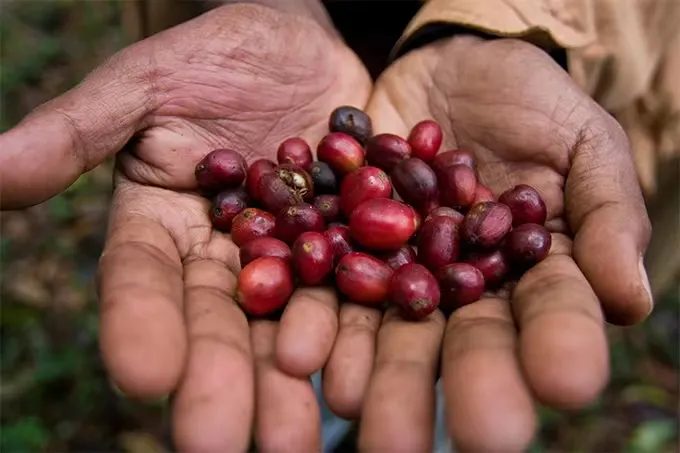
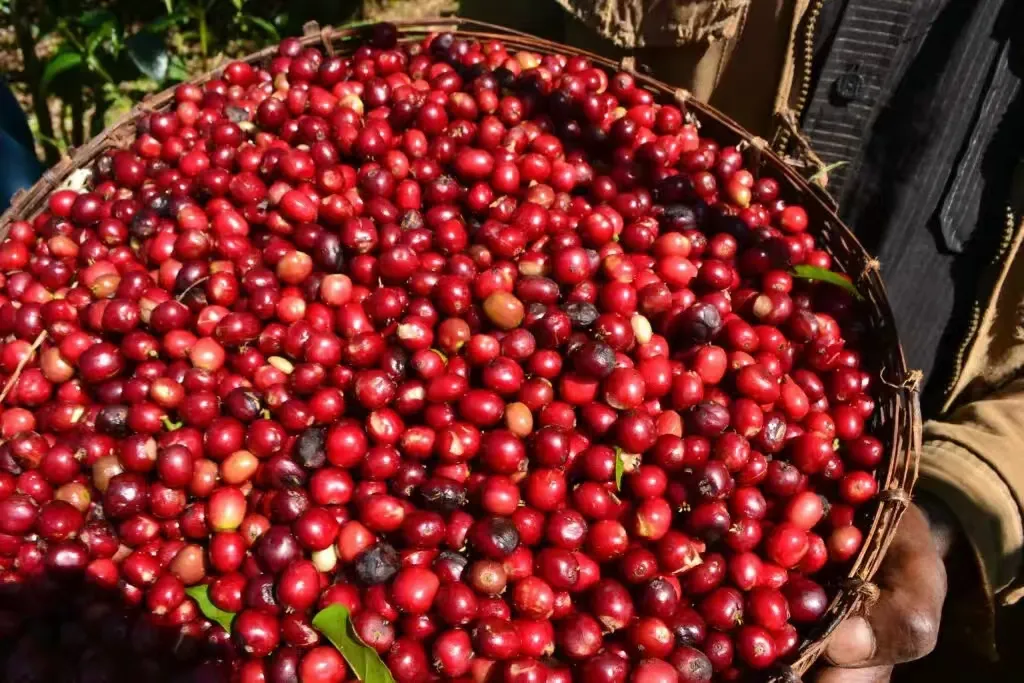
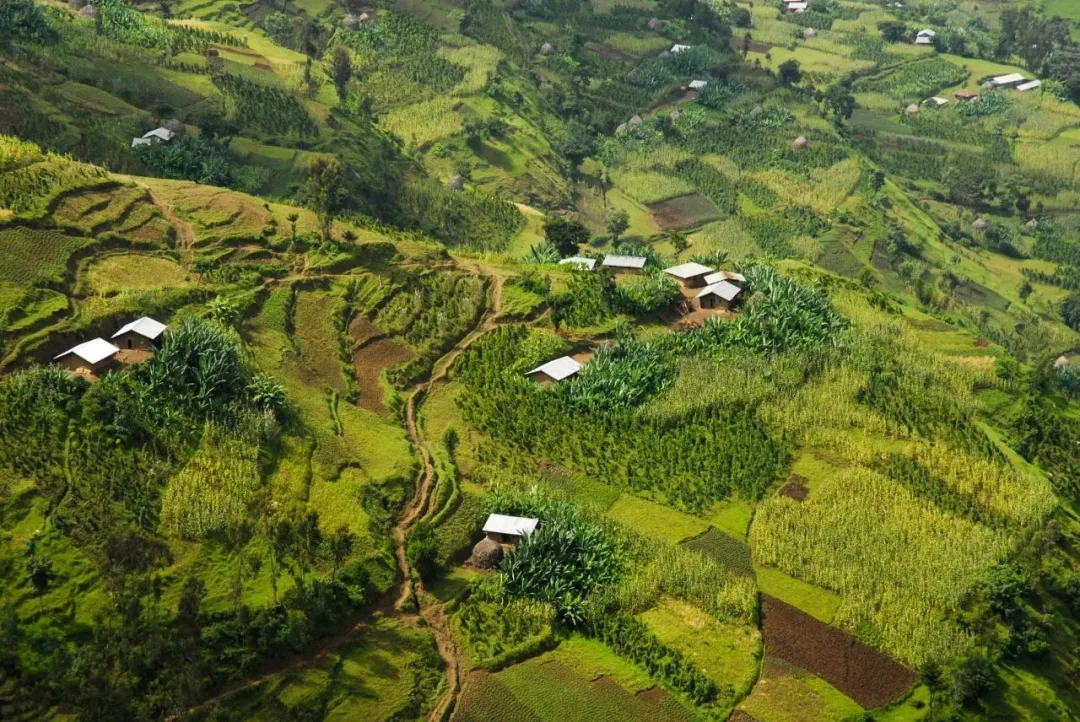
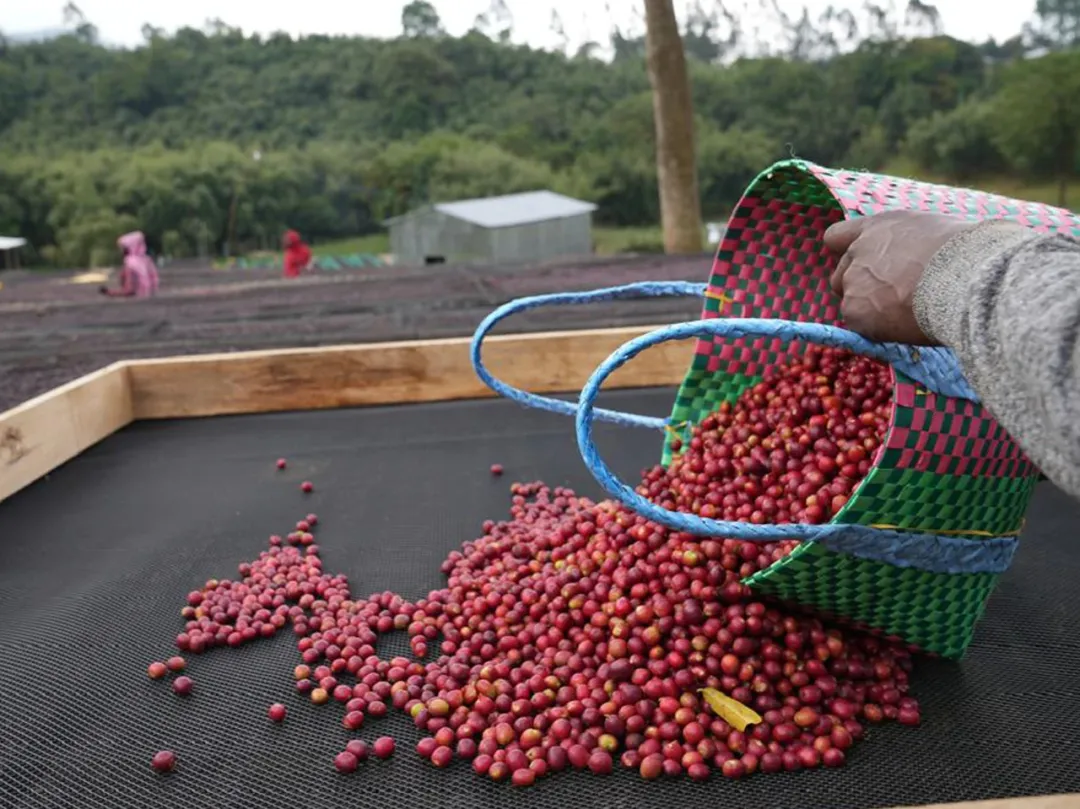
Ethiopian coffee beans often vary noticeably in size, and this is tied to the country's unique variety system and cultivation methods rather than a sorting failure. Ethiopia is the birthplace of coffee and grows a wide mix of native heirloom varieties, so a single lot can contain beans of several shapes and dimensions.
Because these heirloom plants are genetically diverse and often grown in garden plots rather than uniform estates, screen sizes differ from lot to lot. Comparing coffee beans by country shows that graded origins such as Colombia or Brazil sort more tightly, while Ethiopian offerings on roaster lists remain the most varied, which explains the frequent feedback about inconsistent coffee beans size.
Ethiopia, as the birthplace of coffee, often produces coffee beans of varying sizes, a phenomenon closely tied to the country's unique variety system and cultivation methods. On Front Street Coffee's bean list, the Ethiopian region boasts the richest variety of offerings, and feedback about uneven bean sizes is frequently received. This article will delve into the reasons behind the size differences in Ethiopian coffee beans, analyze the overall characteristics of Ethiopian coffee, and introduce what heirloom and native varieties are, helping coffee enthusiasts gain a more comprehensive understanding of this region's unique charm.
On Front Street Coffee's bean list, the number of coffee varieties from Ethiopia has consistently ranked at the top. Because of this, Front Street's customer service frequently receives all kinds of "special feedback" from customers about Ethiopian beans, and the most commonly mentioned issue is the inconsistency in coffee bean size!

The above content is compiled by CoffeeHunters, a coffee news website.


