







Search Results for: Espresso Acidity
The Flavor Composition and Tasting Points of Espresso: A Comprehensive Interpretation from Acidity and Aroma to Full-Bodiedness
Espresso is a daily choice for many coffee lovers, but a high-quality cup of Espresso is by no means only bitter. Its flavor can be broken down into four dimensions: aroma, acidity, flavor, and body, and the freshness of the coffee beans plays a key role in this. Starting from the basics of tasting, this article will sort out the sources of flavor in espresso and introduce one by one the recipes and flavor performance of four espresso blends under Front Street Coffee, helping readers understand where acidity comes from, what differences exist between different blends, and why fresh roasting is so important to the extraction result. [more…]

Espresso Beans for Beginners | Is There a Big Difference in Taste Between Espresso and Americano? How to Choose High-Quality, Rich Espresso Beans?
Did you know? Espresso has a rich mouthfeel and intense flavor, often making it hard for people to accept, but once you get used to it, you find it has a unique charm. Moreover, espresso is also a coffee used to test coffee quality and barista skills. Since espresso is loved by so many people, [more…]
Starbucks Espresso Ordering and Tasting Complete Guide: From Espresso Basics to Four Italian Blend Bean Recommendations
Espresso is the base for many specialty coffee drinks, and Starbucks is no exception. However, Espresso has a strong, heavy flavor that not everyone can easily accept. From the perspective of Front Street Coffee, this article systematically explains how to order Starbucks espresso, the definition and characteristics of Espresso, the logic behind choosing Italian blend beans, and recommends four blend coffee beans suitable for making espresso. In addition, it provides a detailed introduction to three common ways of drinking espresso—drinking it straight, adding milk to make milk-based drinks, and adding water to make Americano—as well as the preparation ratios and extraction parameters for lattes, helping coffee enthusiasts fully master the key points of tasting and making espresso. [more…]
Specialty Espresso Coffee Beans | How to Choose Good Espresso Beans for Your Coffee Machine? Recommended Everyday Espresso Beans for Cost-Effective Espresso Machines
Whether enjoyed as a straight shot or as the base of a milk-based espresso drink, a good, balanced espresso is the first requirement. However, to create an espresso with balanced acidity, body, and sweetness, you need to start with the right coffee beans—blending beans from different origins together. About Espresso Beans [more…]
How to Determine the Espresso Coffee Grounds-to-Water Ratio? A Complete Analysis of Four Front Street Coffee Espresso Blends: Flavors and Brewing Methods
Want to make a decent espresso at home? The coffee-to-water ratio is one of the most critical parameters. This article draws on the hands-on experience of Front Street Coffee, first explaining why espresso mostly uses blend beans rather than single-origin beans, then explaining how the dose is limited by the basket capacity, why a 1:2 coffee-to-liquid ratio is regarded as the golden ratio, and how too much or too little coffee grounds affects flow rate and flavor. It then introduces, one by one, the four espresso blend beans currently offered by Front Street—Sunflower Warm Sun, Specialty Blend, Commercial Blend, and Dark Cocoa Blend—including their recipe proportions, flavor descriptions, and target drinkers. Finally, it supplements the ways to taste espresso, helping you understand why it emphasizes mouthfeel, aroma, and finish rather than distinguishing temperature changes like pour-over. [more…]
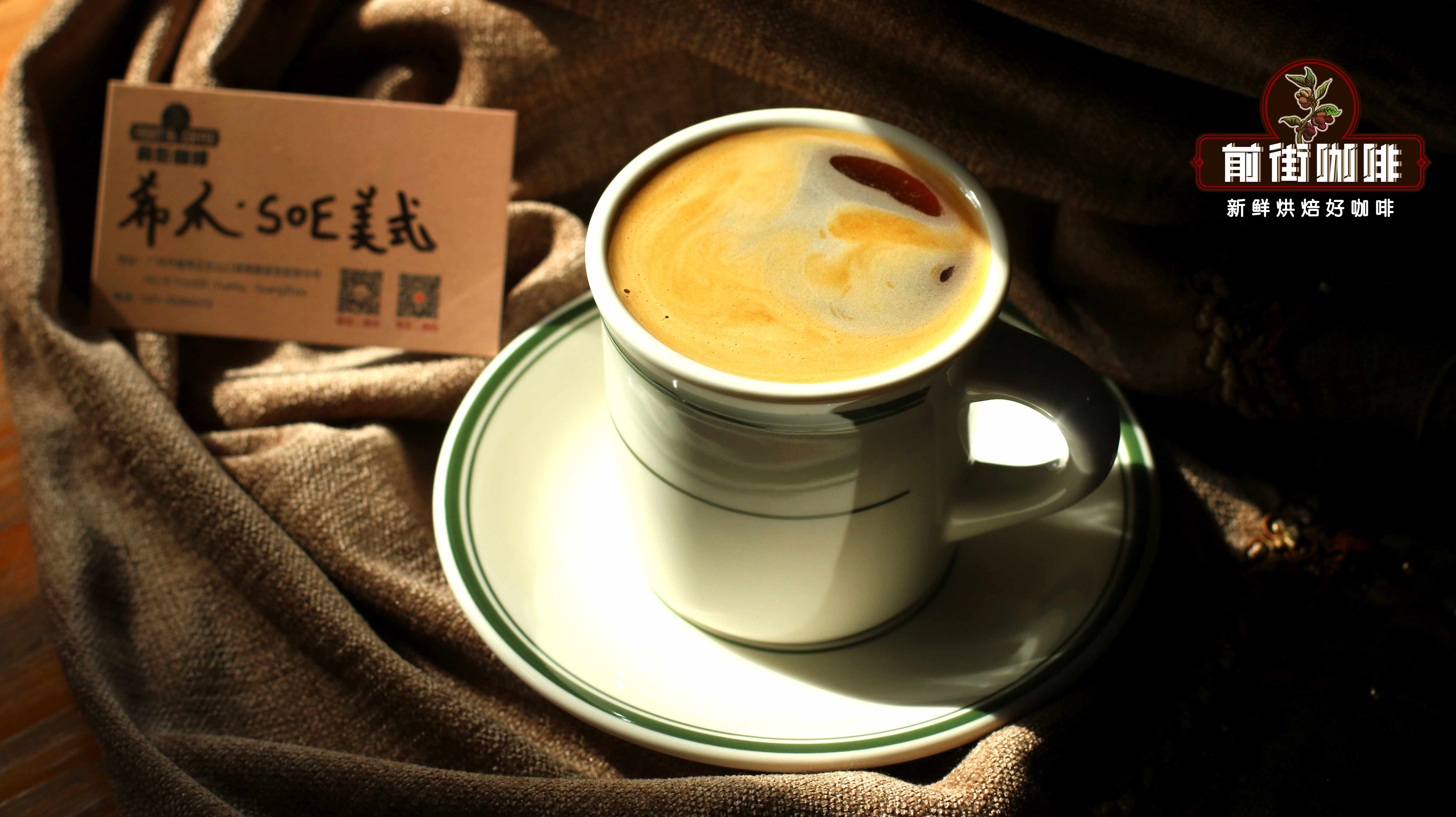
Does sour-tasting SOE americano count as a quality issue? Causes of acidity in espresso beans and how to judge it
Many people, upon tasting an Americano with a sour note for the first time, instinctively wonder whether the beans have gone bad or been sitting around too long. In fact, green coffee beans naturally contain a large amount of organic acids, and after roasting, the acidity gradually decreases as the roast gets darker, so an Americano with a tangy taste can very well be a normal expression. However, not all sourness is worth appreciating—bright, lively fruit acidity can make a cup of coffee memorable, while sharp, astringent sourness often points to improper roasting or extraction errors. This article begins with the concept and characteristics of SOE, explains why Americano tastes sour, why iced and hot Americanos differ in acidity, and why a light-roast bean that shines in pour-over may not be suitable for espresso, and offers recommendations for blend beans suited to espresso. [more…]
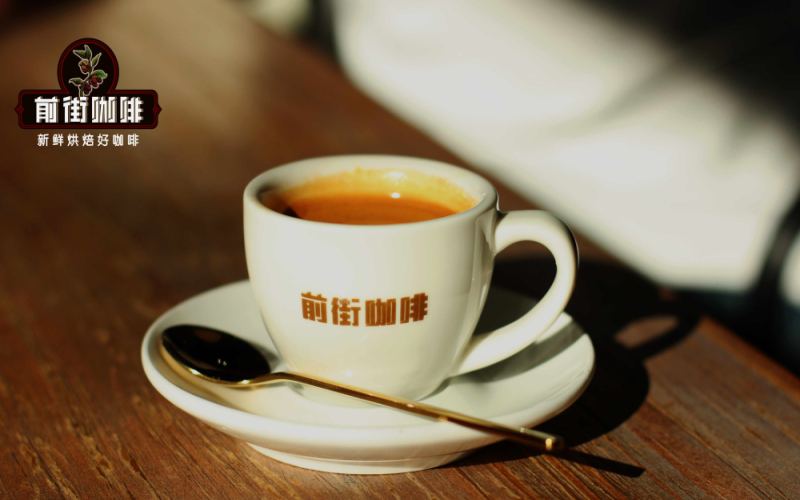
Analysis of the Flavor Characteristics of Medium-Roast Espresso Beans, and Why Espresso Blends Are Chosen for Making Espresso
To make an espresso that balances acidity, sweetness, and bitterness with a full-bodied mouthfeel, choosing the right beans is a key step. Single-origin coffee beans, while excelling in pour-over brewing, often struggle to meet espresso's demand for complexity, so blended beans become the top choice for most roasters. This article will start with the definition and characteristics of Italian-style blended beans, analyze the differences between the two processes of raw blending and roasted blending, and combine several classic blend products from Front Street Coffee to help you understand the taste characteristics of medium-roast Italian-style beans, and why Italian-style blended coffee beans should be chosen for making espresso. [more…]

Where Does Espresso Flavor Come From? An Analysis of Four Taste Elements and Four Front Street Coffee Blend Beans
Espresso is often mistakenly thought to be only bitter, but in reality its flavor is composed of four dimensions: aroma, acidity, flavor, and body. The key to determining the quality of an espresso, besides bean quality and roasting technique, is freshness, which cannot be overlooked. Both single-origin and espresso blend beans sold by Front Street Coffee are shipped within 5 days after roasting is completed, and store experience shows that 7 to 40 days after roasting is the optimal flavor window. Acidity is influenced by bean variety and roast level; although medium-dark roasting can bring a rich mouthfeel, beans from Africa or Central and South America may still retain a soft fruit acidity. The following will break down these four elements one by one and introduce the recipes and flavor profiles of Front Street's four blend beans. [more…]
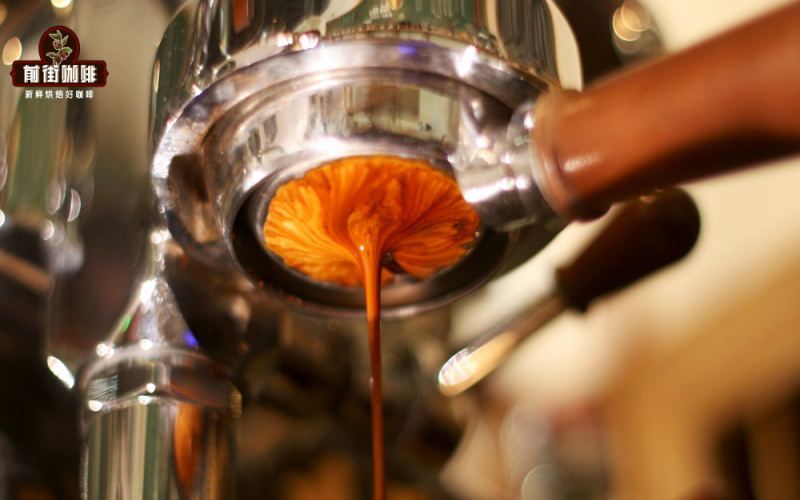
A Guide to Extracting Light-Roast Espresso Beans: Flavor Characteristics, Common Issues, and Bean Selection Tips for Home Espresso Machines
Can light-roast coffee beans hold their own in espresso? Building on Front Street's earlier tests, this article takes a closer look at the flavor performance and key operating points of making espresso with light-roasted beans. From the causes of sharp acidity and channeling to adjustment strategies for grind size, dose, and pressure, it breaks down the pitfalls in extraction one by one. At the same time, for home and office scenarios, it recommends coffee beans with different positioning, such as Front Street Classic Blend, Commercial Blend, PWN Golden Mandheling SOE, and Strawberry Candy Espresso, helping coffee lovers find the espresso that suits them among acidity, crema, and sweetness. [more…]
Espresso Bean Selection | What's the Difference Between a Single and Double Espresso? How Do You Tell If an Espresso Is Any Good?
Coffee enthusiasts who regularly drink espresso know that drinks like mocha, cappuccino, latte, and so on use different ratios of espresso to milk. Some use a single shot of espresso, while others use a double shot. So what is the difference in grind size between a single and a double shot of espresso? What kind of coffee beans should be used to make espresso? [more…]
Espresso Coffee Bean Brand Recommendations | What Are Espresso Blend Beans? What Types of Espresso Beans Are There? How to Choose Espresso Beans for a Semi-Automatic Espresso Machine?
Whether enjoyed on its own or as part of an espresso-based drink, a good, balanced espresso is the first requirement. However, to create an espresso with balanced acidity, body, and sweetness, you need to start with the right coffee beans—blending beans from different origins together. About Espresso Beans [more…]
Can Mandheling single-origin beans be used to extract SOE? A comprehensive analysis of espresso and pour-over parameters and flavor differences
Many friends who are just getting into coffee often can't tell the difference between Mandheling and espresso, and may even think both are representatives of bitterness. In fact, Mandheling is a single-origin coffee, while espresso is mostly made from blended beans. So can Mandheling coffee beans be used to make SOE? How should its espresso extraction and pour-over parameters be set? How does the flavor expression differ? This article will start with a comparison between Front Street Mandheling and espresso blend beans, answer these questions in detail, and recommend several popular Front Street espresso blends and Mandheling single-origin beans, helping coffee enthusiasts more clearly understand the differences between the two and find a brewing method that suits them. [more…]
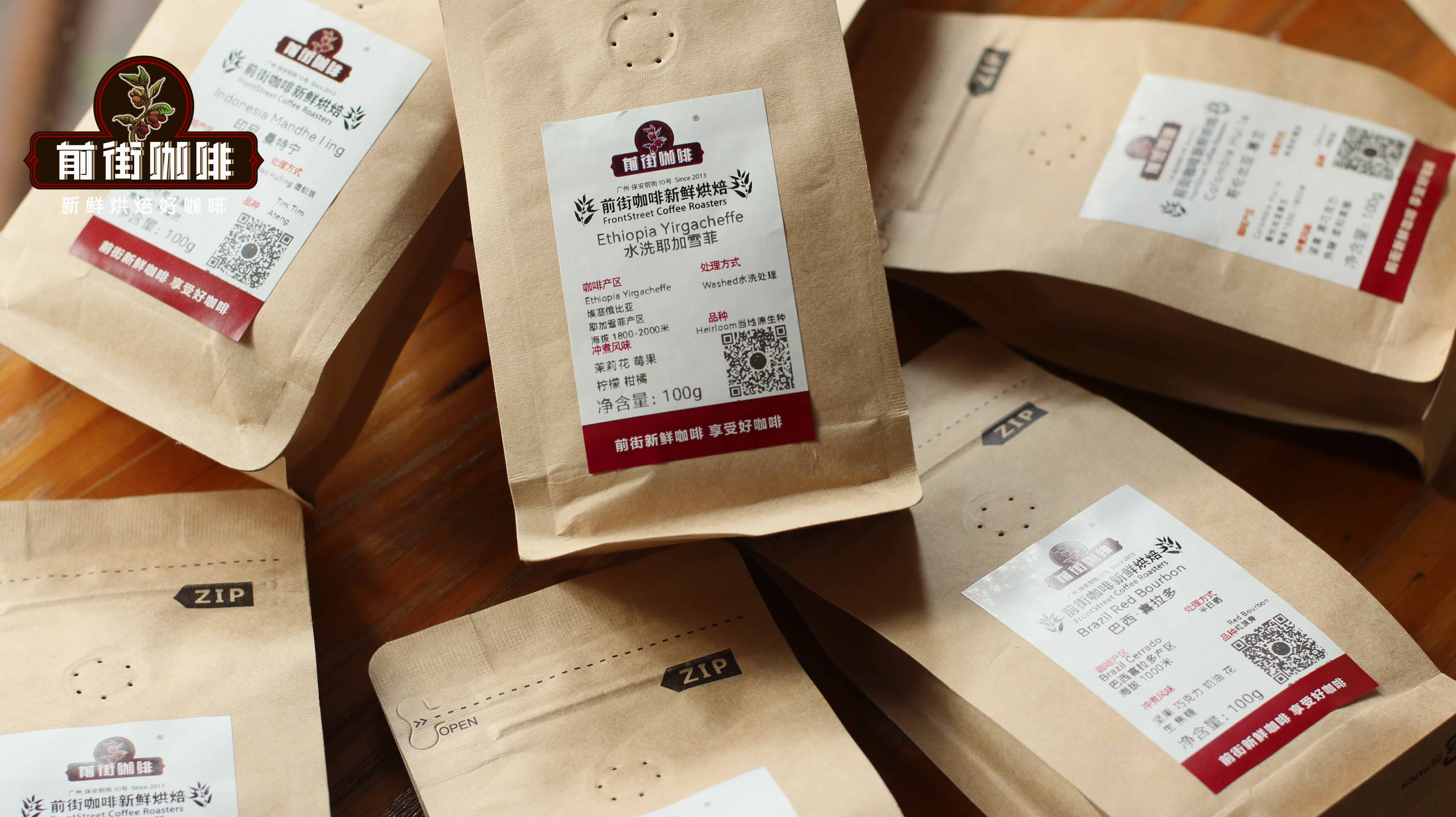
How to Choose a Low-Acid Espresso Blend? Differences in Acidity Between Brazil and Mandheling and Analysis of Front Street Coffee's Classic Recipe
Many people who drink espresso prefer a style that isn't sour or is low in acidity, but the sour and bitter expression of coffee is actually closely related to variety, origin, processing method, and roast level. This article starts from roast level and regional characteristics, analyzing the differences in acidity between Brazil and Indonesian Mandheling, and how they are combined into a rich, balanced, low-acid espresso blend. It also introduces the two-continent, three-country formulation approach behind Front Street Coffee's classic espresso blend, as well as the unique flavors brought by the wet-hulled processing method of Mandheling, helping coffee lovers understand the design logic and key purchasing points of low-acid espresso beans. [more…]
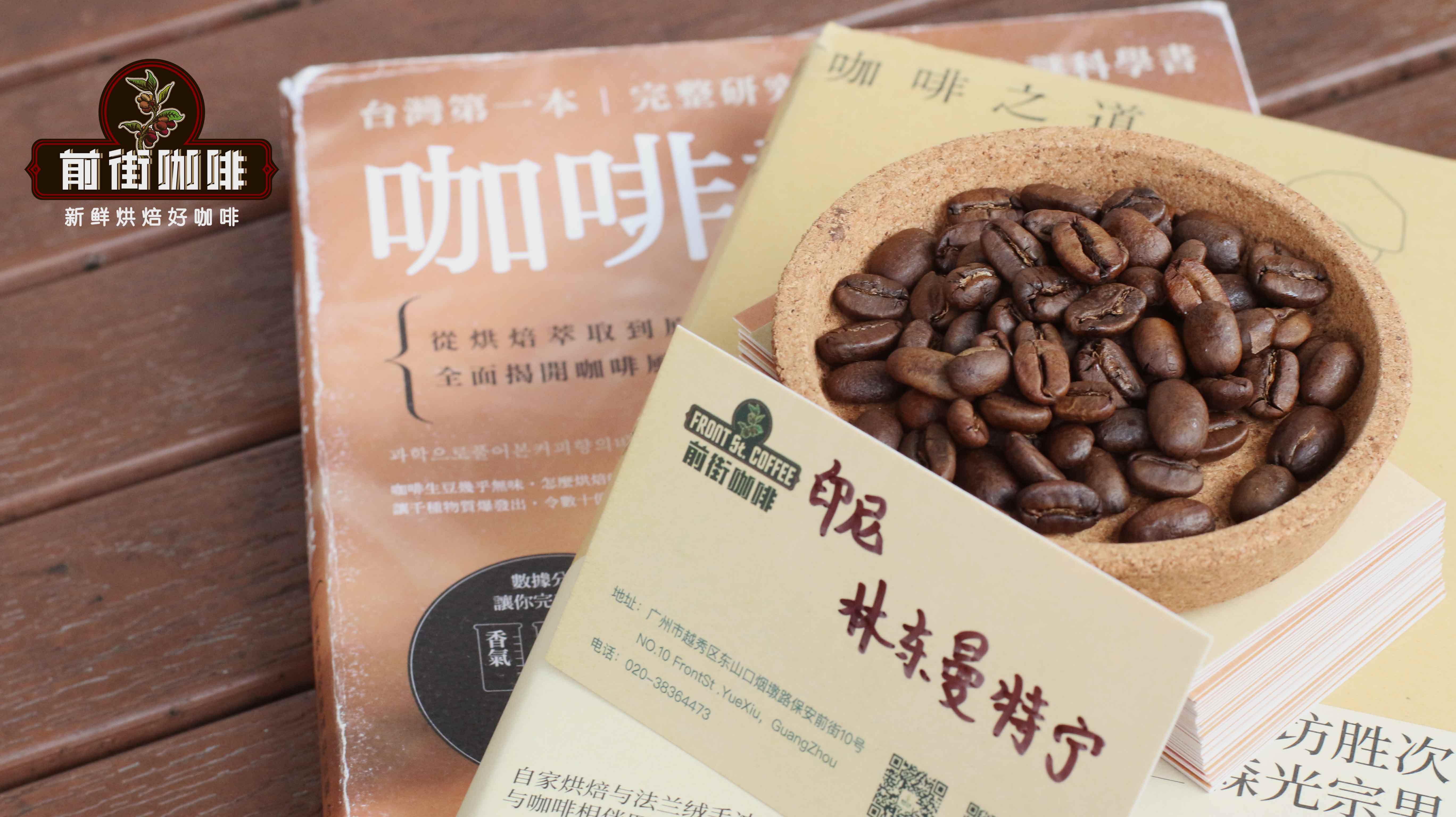
Is Indonesian Mandheling suitable for single-origin brewing? Differences from espresso and recommendations for Front Street Mandheling and blended beans
Many friends who are just getting into coffee wonder: Front Street Mandheling and espresso both have a bitter taste—are they actually the same thing? And how do the "Mandheling flavor" and "espresso flavor" labels on supermarket shelves differ? From the perspective of Front Street Coffee, this article first clarifies the fundamental differences between single-origin coffee and espresso in terms of definition, equipment, extraction parameters, and flavor performance, then answers common questions such as whether single-origin beans can be used to make espresso and whether Mandheling or espresso is more bitter, and finally focuses on introducing Front Street's espresso blend beans and Indonesian Mandheling series, including Sunflower Warm Sun, Specialty Blend, Commercial Blend, Dark Cocoa Blend, as well as PWN Golden Mandheling and Lindong Mandheling, to help enthusiasts choose beans according to their needs. [more…]
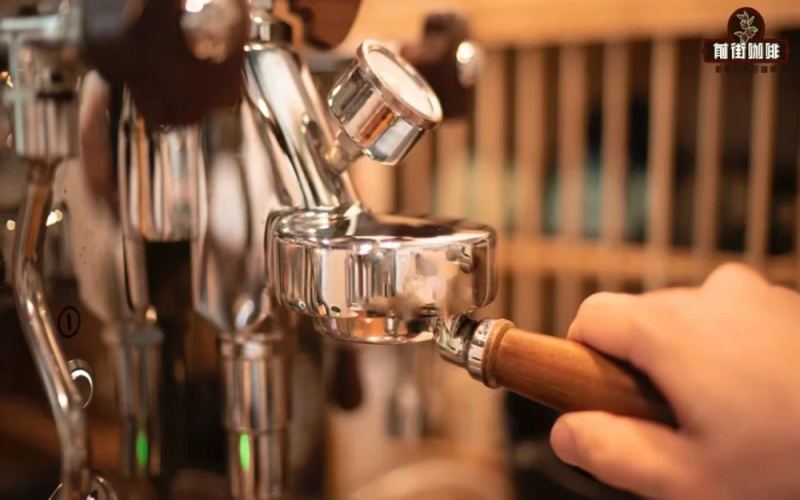
Specialty Espresso Beans Recommendation | What's the Difference in Flavor Between Espresso and Americano? Which Espresso Beans Have Rich Crema and Are Good for Latte Art?
Did you know? Espresso has a rich mouthfeel and intense flavor, which often makes it hard for people to accept, but once you get used to it, you actually find it has a unique charm. Moreover, espresso is also a coffee that tests coffee quality and barista skill. Since espresso is loved by so many people [more…]
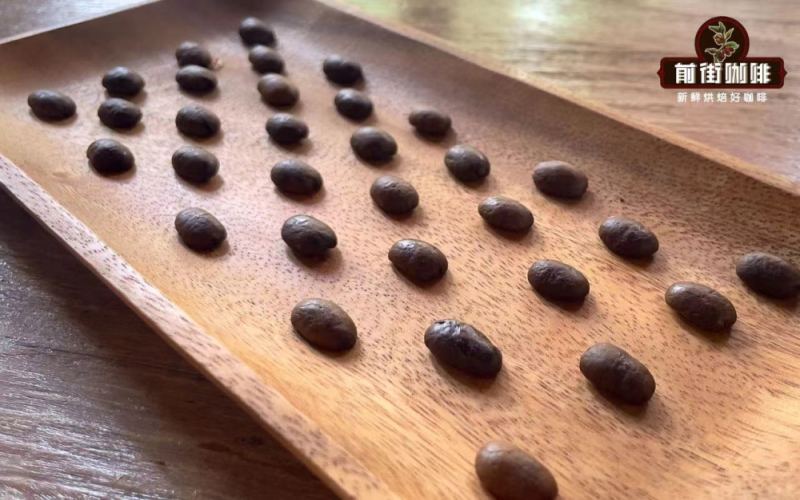
How to Distinguish Mandheling from Espresso: A Full Analysis of the Flavor Differences Between Blends and Single-Origin Beans
Many coffee lovers are curious: between espresso and Indonesian Mandheling coffee, which one is actually better suited to their taste? The difference between the two is not something that can be summed up simply as "tasty" versus "not tasty." In this article, Front Street Coffee starts from the definition of espresso, the flavor characteristics of Mandheling coffee, and the logic behind using single-origin beans versus blend beans, to systematically sort out the essential differences between the two in terms of mouthfeel, concentration, and extraction method. At the same time, Front Street has also compiled detailed flavor information on several popular espresso blends and Indonesian Mandheling single-origin beans sold in its stores, to help readers make a clearer choice based on their own preferences. [more…]
Indonesian Coffee | What is the difference between Mandheling SOE and espresso blends? Can hand-brewed single-origin beans be used to make espresso?
Front Street Coffee has found that beginner coffee enthusiasts often perceive Front Street Mandheling as very bitter, and espresso as bitter too (though of course it's not bitter after adding milk and sugar), so sometimes they even think the two should taste the same, or they may make some comparisons in their minds. [more…]

Espresso Bean Grind Size | What is the coffee-to-water ratio for extracting espresso from espresso beans? Can espresso beans be used to make pour-over black coffee?
Friends who often follow Front Street should know that Front Street focuses on freshly roasted coffee. Freshly ground coffee is not the same as fresh, and of course, the fresher the better is not always true. Front Street generally provides coffee beans that are two to three days past the roast date. Coffee beans that have rested for a few days can better express their true flavors when brewed. Front Street not only offers single [more…]
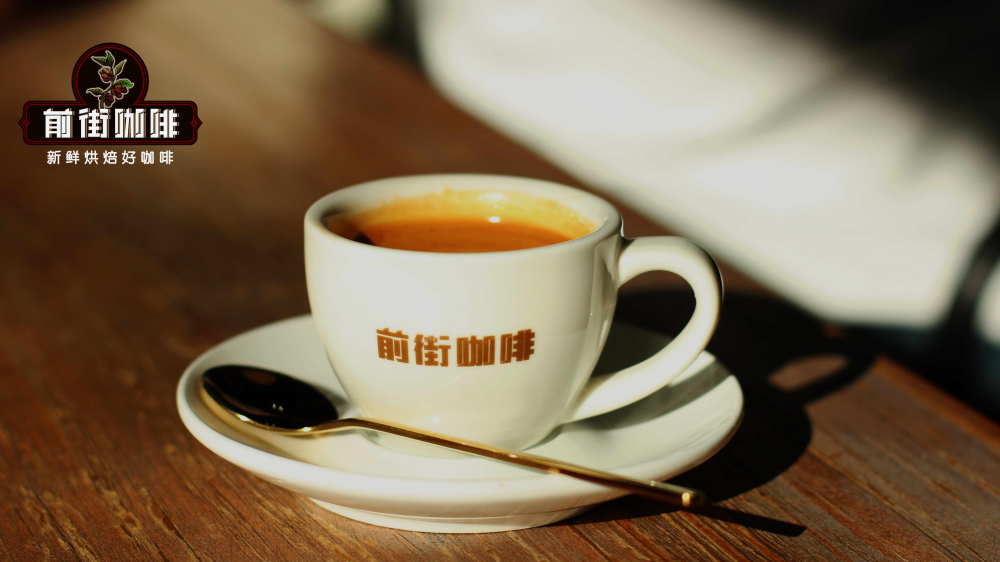
Commercial Espresso Bean Recommendations | How to Blend Espresso Beans? What Are the Techniques for Roasting Espresso Blends? Which Espresso Beans Are Suitable for Café Service?
Whether enjoyed on its own or as part of an espresso-based drink, a good, balanced espresso is the first requirement. However, to make an espresso with balanced acidity, body, and sweetness, you need to start with the right coffee beans—blending beans from different origins together. Although single-origin [more…]
Double Espresso Extraction Ratio | How Much Coffee Grounds Are Needed to Make Espresso? What Is the Espresso Coffee-to-Water Ratio? Which Coffee Beans Are Suitable for Espresso Extraction?
For more specialty coffee knowledge, please follow: Front Street Coffee (Frontsteet Coffee). Espresso has been around for quite some time now; it is the pride of Italians and also a cultural asset that Italian coffee has brought to the world, feeling somewhat similar in nature to what Ethiopian varieties represent for [more…]