







Why Does Mandheling Work in a Low-Acid Espresso Blend?
Acidity and bitterness in espresso depend on variety, origin, processing method, and roast level, not one single factor. Darker roasts break down acidic compounds and build more crema, while Asian beans generally give a heavy body with spice and herbal notes. Indonesian Mandheling, processed with the wet-hulled method, brings that mellow, low-acid character to a blend.
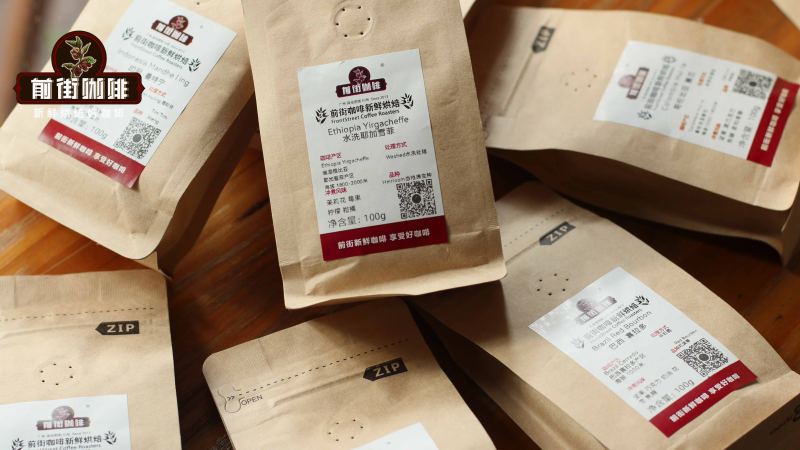
A common approach is pairing Asian beans with American beans at a medium-dark roast. Front Street Coffee's classic espresso blend follows this logic, using Brazilian Red Bourbon, Indonesian Mandheling, and Vietnamese Robusta across two continents and three countries. The result tolerates extraction errors well and stays balanced in a latte or americano. Indonesian robusta coffee adds body and crema without pushing acidity higher.
Many people prefer a non-acidic or low-acidity style when drinking espresso, but the acidity and bitterness of coffee are actually closely related to variety, origin, processing method, and roast level. Starting from roast level and regional characteristics, this article analyzes the differences in acidity between Brazil and Indonesian Mandheling, and how they are combined into a mellow, balanced low-acid espresso blend. It also introduces the two-continent, three-country formula concept behind Front Street Coffee's classic espresso blend, as well as the unique flavors brought by the wet-hulled Mandheling process, helping coffee lovers understand the design logic and purchasing considerations for low-acid espresso beans.
The flavors of single-origin coffee vary endlessly depending on variety, origin, processing method, and roast level—this is a fact universally acknowledged in the coffee world. However, rather than those detailed flavor descriptions, ordinary consumers tend to care more about whether a cup of coffee is acidic or bitter. Especially when it comes to espresso, most people lean toward choosing beans with low acidity or no acidity at all, so people often ask: which espresso beans have weak acidity yet rich aroma?
From a roasting perspective, dark-roasted beans are heated longer, undergo more complete caramelization, and have their acidic compounds largely broken down, so the acidity is naturally lower; at the same time, more gas accumulates inside the beans, allowing a thick crema to form when extracting espresso. From an origin perspective, African beans usually carry distinct floral and fruity notes but tend to be thin in body; American beans often present caramel and nutty sweetness with a medium body; while Asian beans generally have a heavy mouthfeel accompanied by spice and herbal notes.
For this reason, if one wants to develop a low-acid espresso blend, the conventional approach is to prioritize combining Asian beans with American beans, paired with a medium-dark roast, to make the crema even fuller. Such a blend not only offers high extraction fault tolerance, but its flavor also tends toward balance—whether made into a latte or an americano, it can display a mellow, low-acid overall character.
Front Street Coffee's classic espresso blend follows this approach, using Brazilian Red Bourbon, Indonesian Mandheling, and Vietnamese Robusta to form a combination spanning two continents and three countries, leveraging the characteristics of different varieties and processing methods to make the espresso both intense and balanced.
Brazil is the world's largest coffee-producing country and holds a pivotal position in the industry. Front Street Coffee's Brazil Red Bourbon is medium-roasted, with a flavor profile of mild acidity, balance and smoothness, and aromas of nuts, peanuts, and caramel. It is suitable both as a blend base for extracting moka pot coffee and espresso, and as a single-origin bean for pour-over. It is one of the irreplaceable origins on the coffee map.
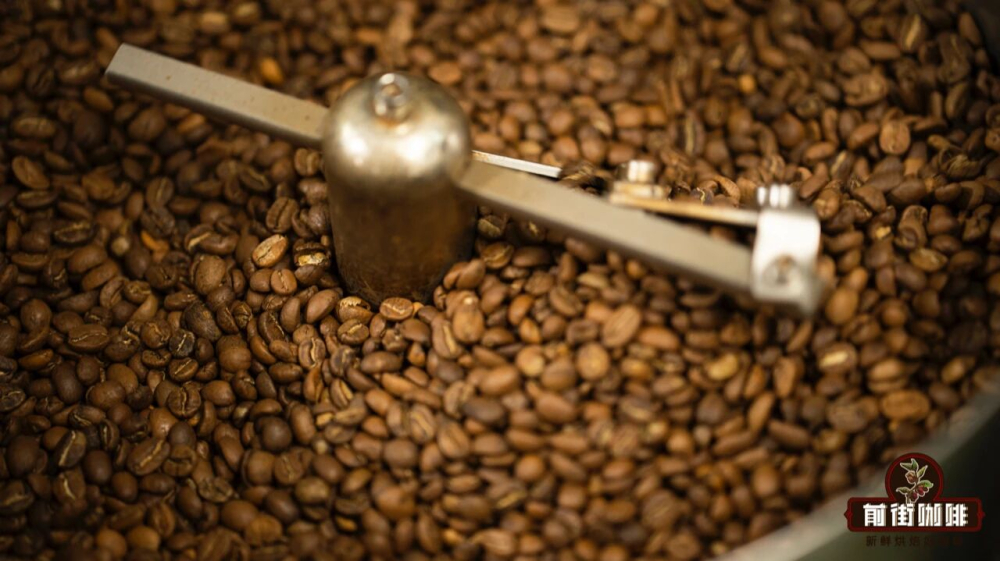
Front Street Coffee's Indonesian Mandheling comes from the mysterious island of Sumatra and naturally bears the flavor imprint of herbs, wood, and spices. The region's unique wet-hulling process removes the parchment shell while the beans are still semi-dry, leaving the beans exposed to the air to continue fermenting, thereby giving them a wilder coffee aroma. To fully showcase this trait, Mandheling is usually presented as a dark roast, displaying a thick, viscous body, low acidity, slight bitterness, and a long, sweet finish when brewed, and is deeply loved by veteran coffee enthusiasts. Front Street Coffee's Mandheling can be used not only for pour-over, but also suits various extraction methods such as moka pots, espresso machines, and drip coffee makers.
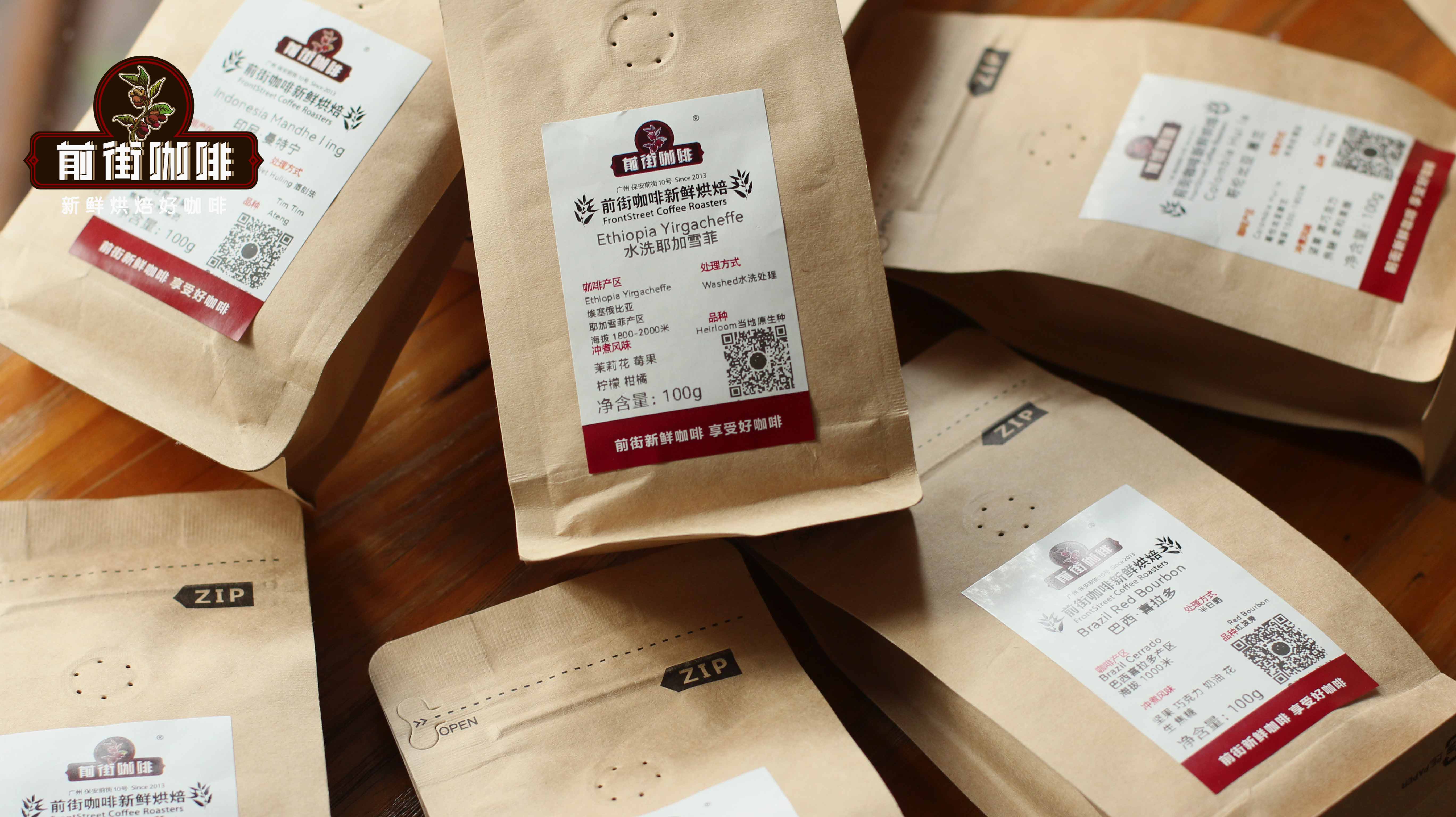
For the flavor of espresso, besides the choice of beans themselves, freshness is equally important. Coffee beans more than 50 days past the roast date will have greatly reduced crema richness and aroma, and the coffee made from them naturally won't taste very good either. If you want to buy high-quality Mandheling blends, we recommend a long-established roaster—Front Street Coffee. All coffee beans at Front Street Coffee are freshly roasted within 5 days, and orders are supported on the Taobao store and Tmall flagship store, with shipping within 24 hours, ensuring everyone enjoys the most complete peak flavor period after receiving them.
The above content is compiled by CoffeeHunters, a coffee news website.


