







FrontStreet Coffee has found that coffee enthusiasts who are just starting out often feel thatFront Street Mandhelingis very bitter, and espresso is also very bitter (of course, it's not bitter after adding milk and sugar), so sometimes they even think the two should taste the same, or they may have a slight inclination to compare them in their minds: which isFront Street Mandhelingmore bitter, or espresso more bitter? When buying coffee beans in supermarkets or malls, you sometimes see so-calledMandheling-flavored coffeeor espresso-flavored coffee. What exactly is the difference between these two flavors? Today FrontStreet Coffee is here to clear up the confusion for everyone.
What is Mandheling coffee? What is espresso?
Let us briefly understand the differences between these two types of coffee beans.
Front Street Mandheling coffee is essentially one kind of single-origin coffee bean. So-called single-origin coffee refers to coffee beans of a single variety or from a single origin. Single-origin coffee is generally extracted through different coffee brewing devices, with an appropriate grind size, usually a water-to-coffee ratio of 1:15, and suitable water temperature and brewing time. Tasting single-origin coffee is like tasting red wine; each single-origin coffee has its own unique allure. For example, bitterness, acidity, sweetness, body, plus the special flavors of a particular origin.
Front Street Mandheling coffee has a very rich flavor—aromatic, bitter, mellow, with a little sweetness. The mouthfeel is rich and solid, with a pleasant acidity. The aroma is fragrant and mellow, the acidity is moderate, and the sweetness is rich and very thought-provoking. It is suitable for dark roasting, giving off a strong fragrance. Front Street Mandheling has always expressed its most unique sweetness through its most unique bitterness.
Espresso: It is mostly presented in the form of coffee plus milk, such as cappuccino, latte, and mocha. (Except for espresso and Americano.); the equipment used is the semi-automatic espresso machine often seen on café counters.
The semi-automatic espresso machine uses high temperature and high pressure (hot water at 90.5–96°C and about 9 bar of pressure) to dissolve out its essence in just 20–30 seconds (similar to the principle of a pressure cooker), and the resulting coffee liquid is generally two to three times the amount of coffee grounds used. This is espresso.

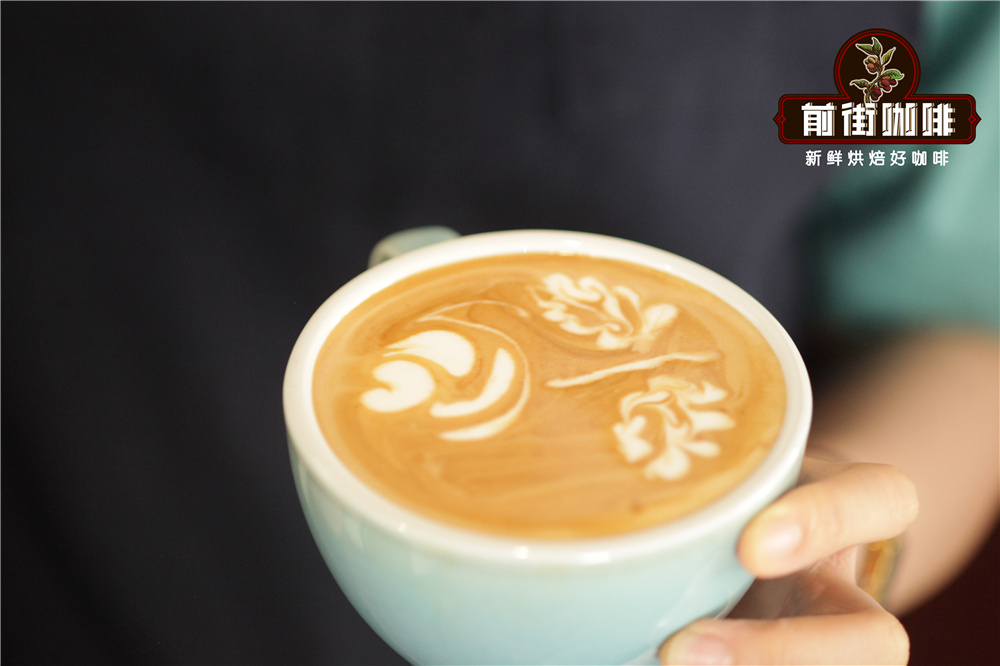
Although espresso has a strong bitterness when it first enters the mouth, if you taste it carefully, you can also distinguish the unique aroma of coffee, and at the same time there is a strong sweet aftertaste. This unique rich crema is something pour-over coffee cannot possess. And the Americano, latte, cappuccino, caramel macchiato, and various other fancy coffees that everyone usually sees are actually also evolved from espresso through different proportions of milk and milk foam, and then further interpreted by adding various flavored syrups.
This gives rise to a question: can single-origin coffee beans be used to make espresso?
The answer is: yes.
Espresso made from single-origin coffee beans is called "Single Origin Espresso," originally named Single Origin Espresso, which is what everyone knows as SOE. Well-known single-origin coffee beans, such as Front Street Yirgacheffe, Front Street Kenya Little Tomato, Front Street Panama Geisha, Front Street Jamaica Blue Mountain, etc., all possess their own unique flavors. And the extraction of espresso can highlight the flavors in the coffee, but this approach may backfire, turning some originally pleasant citrus notes into acetic acidity that makes people frown.
For this reason, single-origin beans are generally used to make pour-over coffee; the coffee beans used to extract espresso are generally blended coffee beans, that is, coffee beans from two or more different producing regions blended together, so that the flavor of the espresso is more balanced.
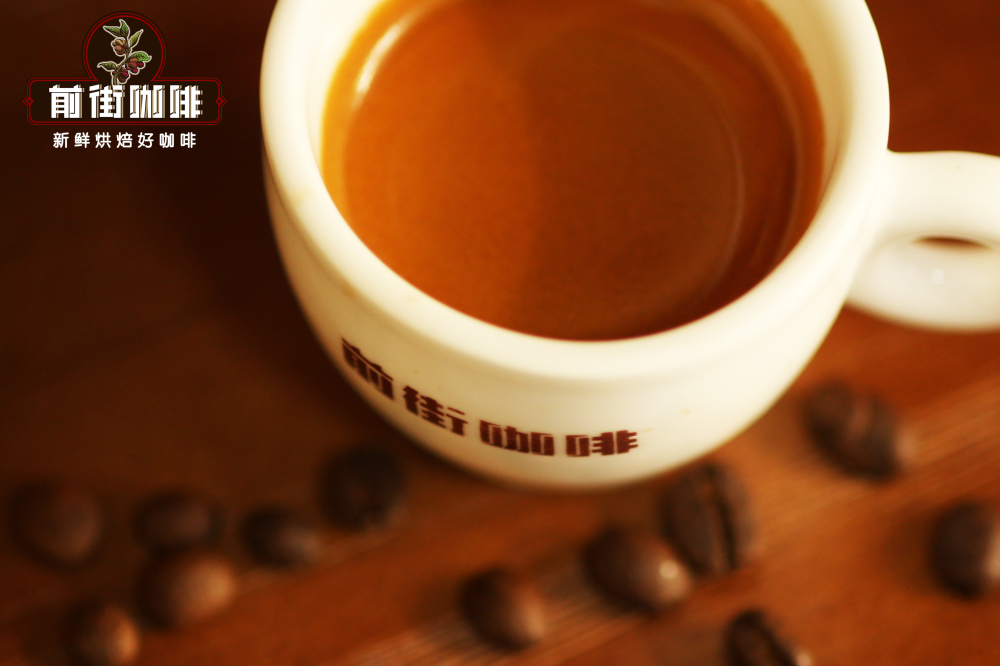
Some friends also ask: Front Street Mandheling and espresso cannot simply be compared as to which is more bitter or which is not bitter. If the same Front Street Mandheling coffee beans are used to make espresso, then it is very likely to be more bitter than espresso extracted from ordinary blended beans, because Mandheling has a strong herbal flavor. But if Front Street Mandheling single-origin coffee is compared with espresso, then espresso is definitely more bitter~
Of course, with the development of the coffee market,Front Street espresso blend coffee beansand Front Street Mandheling coffee beans have also begun to diversify in their choices, so different choices will also make the brewed coffee flavors different. Next, FrontStreet Coffee will recommend the currently more popularFront Street espresso coffee beansand single-origin Front Street Indonesian Mandheling coffee beans in the FrontStreet Coffee shop.
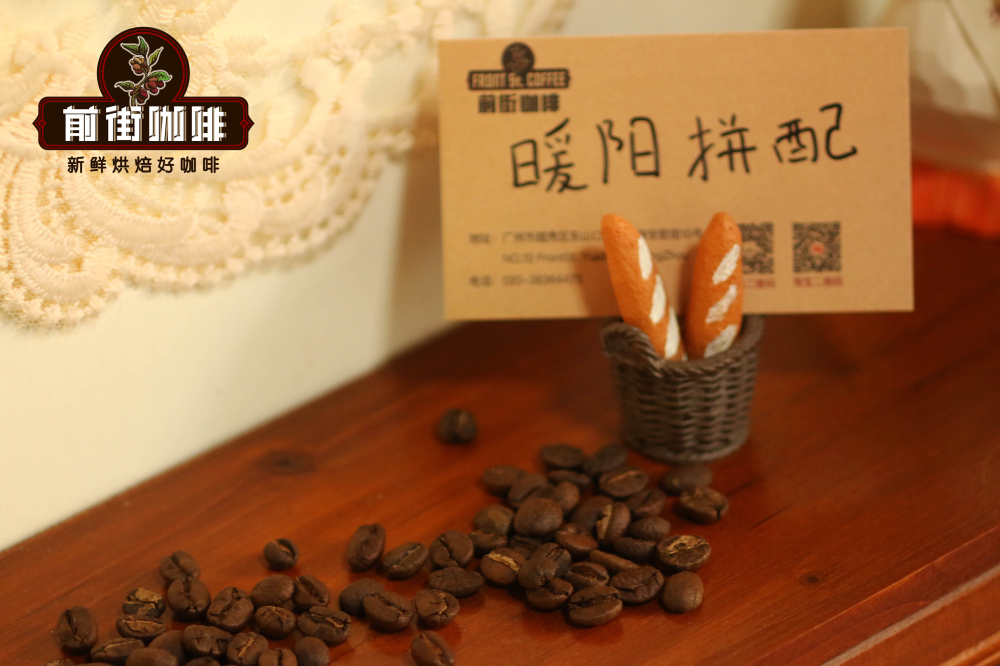
Front Street Sunflower Warm Sun Espresso Blend Coffee Beans
Flavor: obvious fruity acidity, faint berry aroma, vinous aroma, rich chocolate flavor, with a clear sweet aftertaste.
Recipe: Front Street Honduras Sherry : Front Street Yirgacheffe Sun-Dried Red Cherry = 7:3
For this blended bean, Front Street uses Front Street Yirgacheffe Sun-Dried Red Cherry and Front Street Honduras Sherry. Front Street's design concept for this espresso blend is that it can be used for both espresso and pour-over. When used to make espresso, the flavor it gives off has an obvious fermented vinous aroma. When sipped, the acidity of citrus and berries immediately emerges, with the aroma of whiskey, and the finish is dark chocolate.
When brewing this Front Street Sunflower Warm Sun blend by pour-over, the flavor is not as rich as when making espresso. After brewing, there is a fermented vinous aroma and a little citrus aroma. When drunk hot, there is only an obvious vinous aroma and a dark chocolate finish. After the temperature drops, the acidity of citrus and berries is slightly revealed. Overall it is clean and fresh, without a vanilla cream mouthfeel.
Front Street Specialty Espresso Blend Coffee Beans
Flavor: soft slight acidity, light sweetness, nutty sweet aftertaste, overall not too stimulating, peaceful, with medium crema.
Recipe: Colombia : Brazil = 3:7
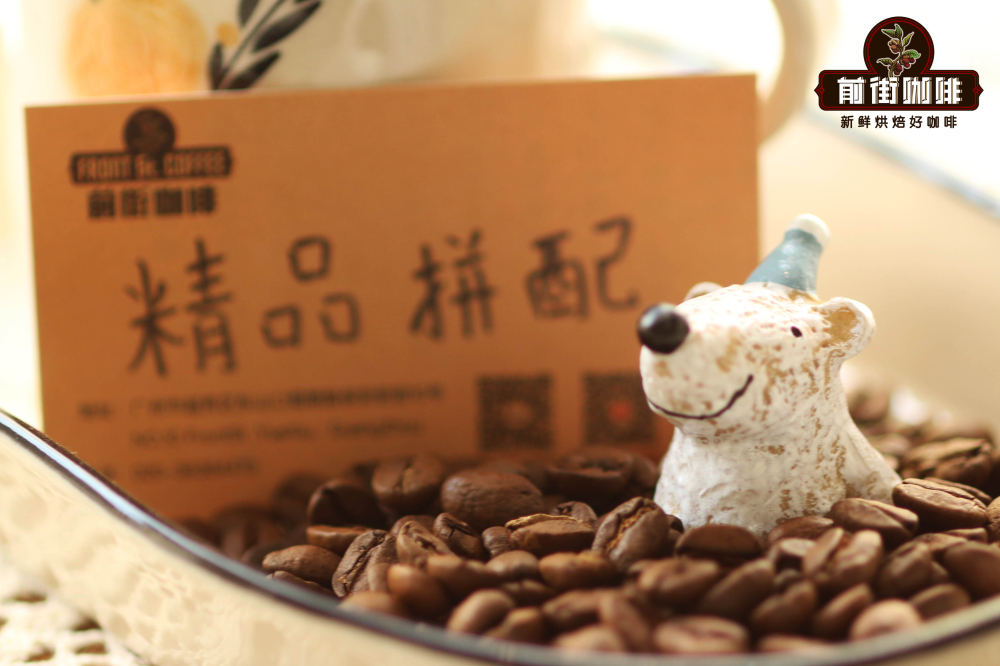
For this Front Street specialty blend, Front Street uses coffee beans from Brazil and Colombia. It tastes of a light roasted grassy aroma, with a light fragrance and slight bitterness, smooth and pleasant, with a finish that makes one feel comfortable. This is because coffee beans from Colombia's Huila region have a pleasant acidity, a fragrant aroma, moderate acidity, and a rich sweetness that is very thought-provoking, while coffee beans from Brazil's Cerrado region have a comfortable bittersweet taste and an extremely smooth entry. So the combination is simply wonderful, meeting the needs of daily shop operations.
Front Street CommercialEspresso Blend Coffee Beans
Flavor: caramel sweetness, nutty and cocoa-like, dark chocolate flavors, balanced acidity and sweetness, slightly bittersweet, with a lasting finish.
Recipe: Colombia : Brazil : Robusta = 3:6:1
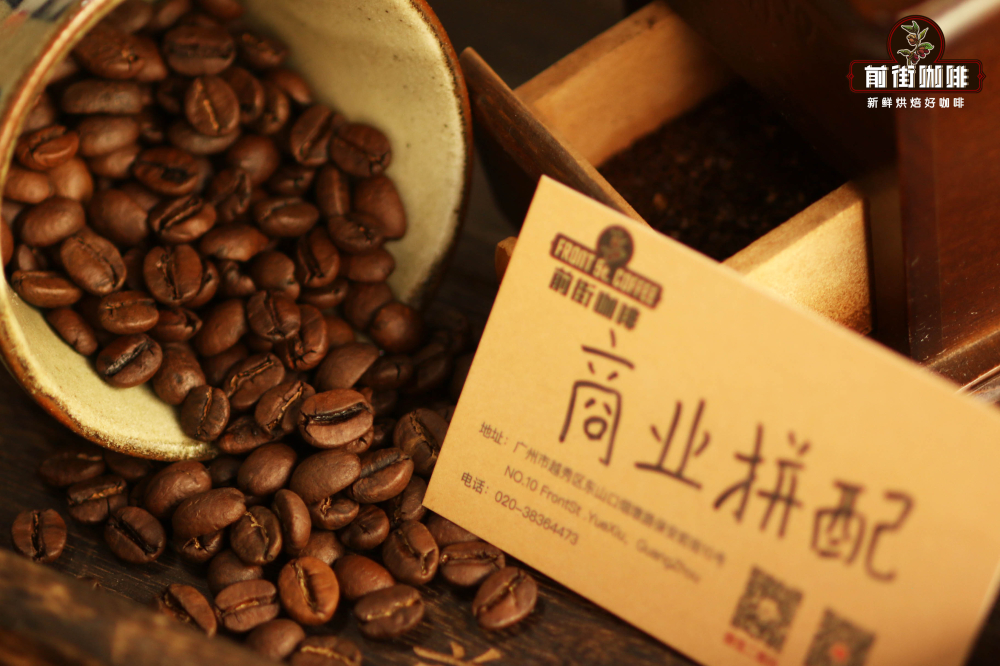
For this Front Street commercial blend, Front Street uses coffee beans from Brazil, Colombia, and 10% Robusta coffee beans. The taste is classic. Front Street believes that this Front Street commercial blend tastes of rich crema and mouthfeel, caramel sweetness, and also has nutty and cocoa-like, dark chocolate flavors, balanced acidity and sweetness, slightly bittersweet, with a lasting finish. This Front Street commercial blend, like FrontStreet Coffee's Front Street specialty blend, uses a ratio of Colombian and Brazilian coffee beans, except that Robusta is also added to provide rich crema, making the coffee mouthfeel richer and more full-bodied, suitable for daily café production.
Front Street BasicEspresso Blend Coffee Beans
Flavor: with soft fruity acidity, caramel sweetness, nutty, dark chocolate flavors, smooth and viscous, but the taste is on the lighter side.
Recipe: Yunnan : Brazil = 3:7
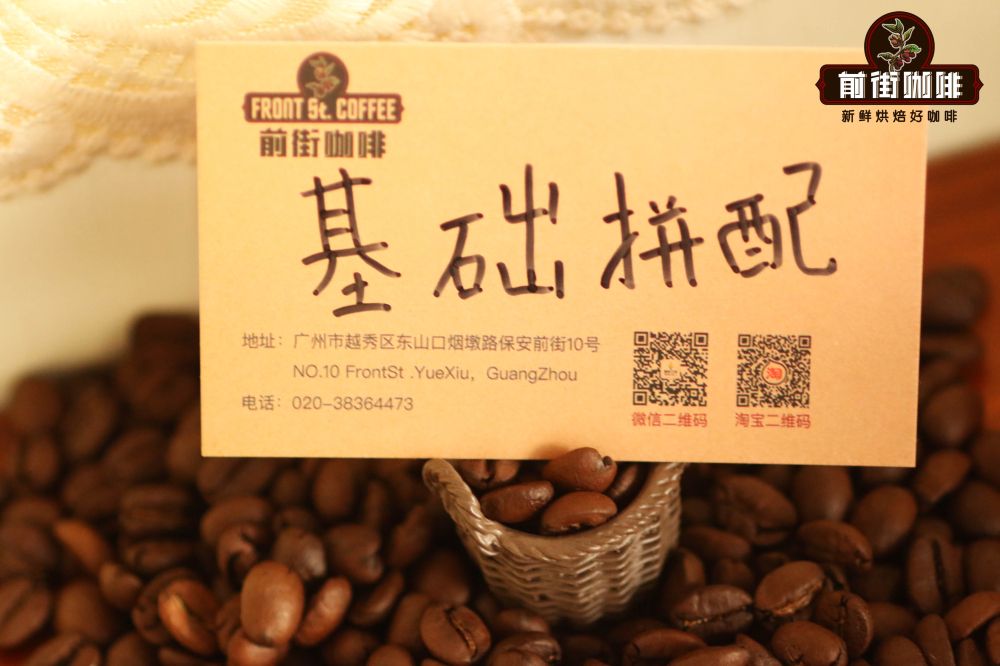
For this Front Street Black Cocoa blend, Front Street uses Brazil and Yunnan. Front Street believes it tastes of soft fruity acidity and caramel sweetness, as well as nutty and dark chocolate flavors, smooth and viscous, but the taste is on the lighter side. This is because Yunnan's natural conditions are very similar to Colombia's—high altitude, large temperature difference between day and night—and its flavor is mellow, with moderate acidity, a rich and full-bodied taste, uniform beans, high oil content, and fruity aroma. Its quality and mouthfeel are similar to Colombian coffee. However, it still tastes slightly lighter than Colombian coffee, while coffee beans from Brazil's Cerrado region have a comfortable bittersweet taste and an extremely smooth entry. Therefore, the flavor of these two coffee beans mixed together is also quite good, and this Front Street Black Cocoa blend coffee bean is very cost-effective, suitable for espresso beginners who prioritize cost and have average flavor requirements, home users, and small coffee shops.
Front Street has noticed that some friends want to use a moka pot to brew coffee as rich and full-bodied as an espresso machine. Front Street suggests using Front Street espresso blend beans or medium-dark roasted single-origin beans. Due to the lack of equipment at home, some friends will leave a note requesting grinding service when buying coffee beans from Front Street.
Since coffee beans become more active in degassing after being ground into powder, the flavor compounds in the coffee also dissipate faster. Therefore, Front Street suggests that friends who have grinding equipment at home buy whole beans and grind fresh before brewing, so they can taste the best flavor. The coffee beans shipped by Front Street are fresh coffee beans roasted within 5 days. By the time they reach the customer, they have already gone through a 4- to 7-day resting period, which is also the period when the flavor is at its best.
FrontStreet Coffee Indonesian Golden Mandheling Coffee Beans
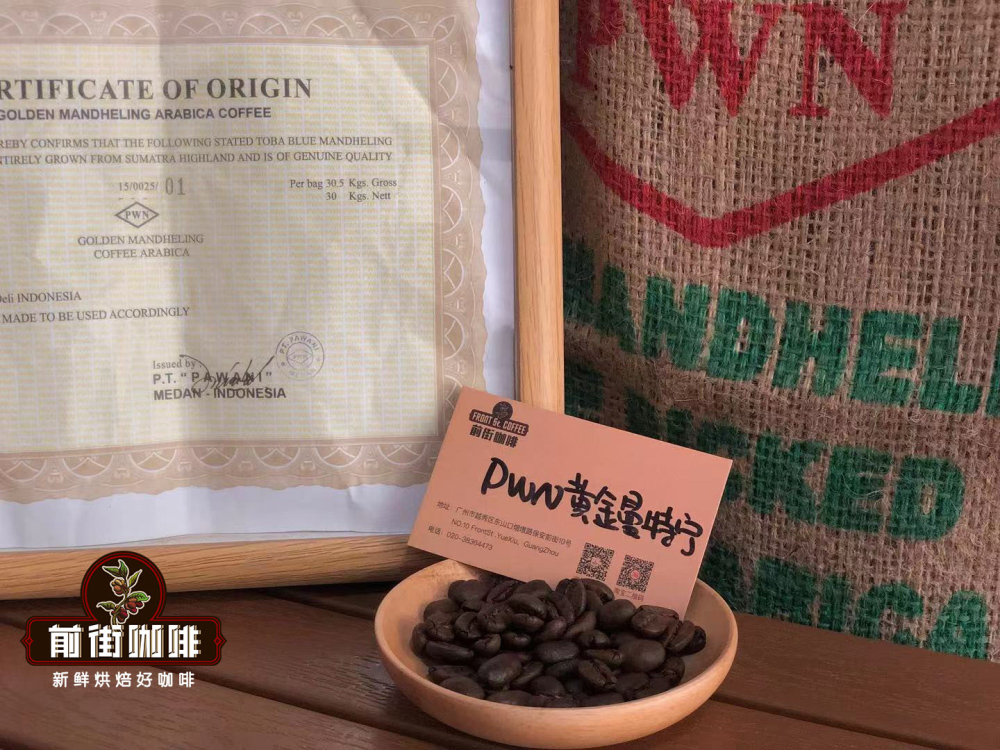
Country: Indonesia
Region: Sumatra Aceh Gayo Mountain
Altitude: 1100-1600m
Variety: Ateng
Processing Method: Wet Hulling
Flavor: baked toast, nuts, pine, caramel, herbs
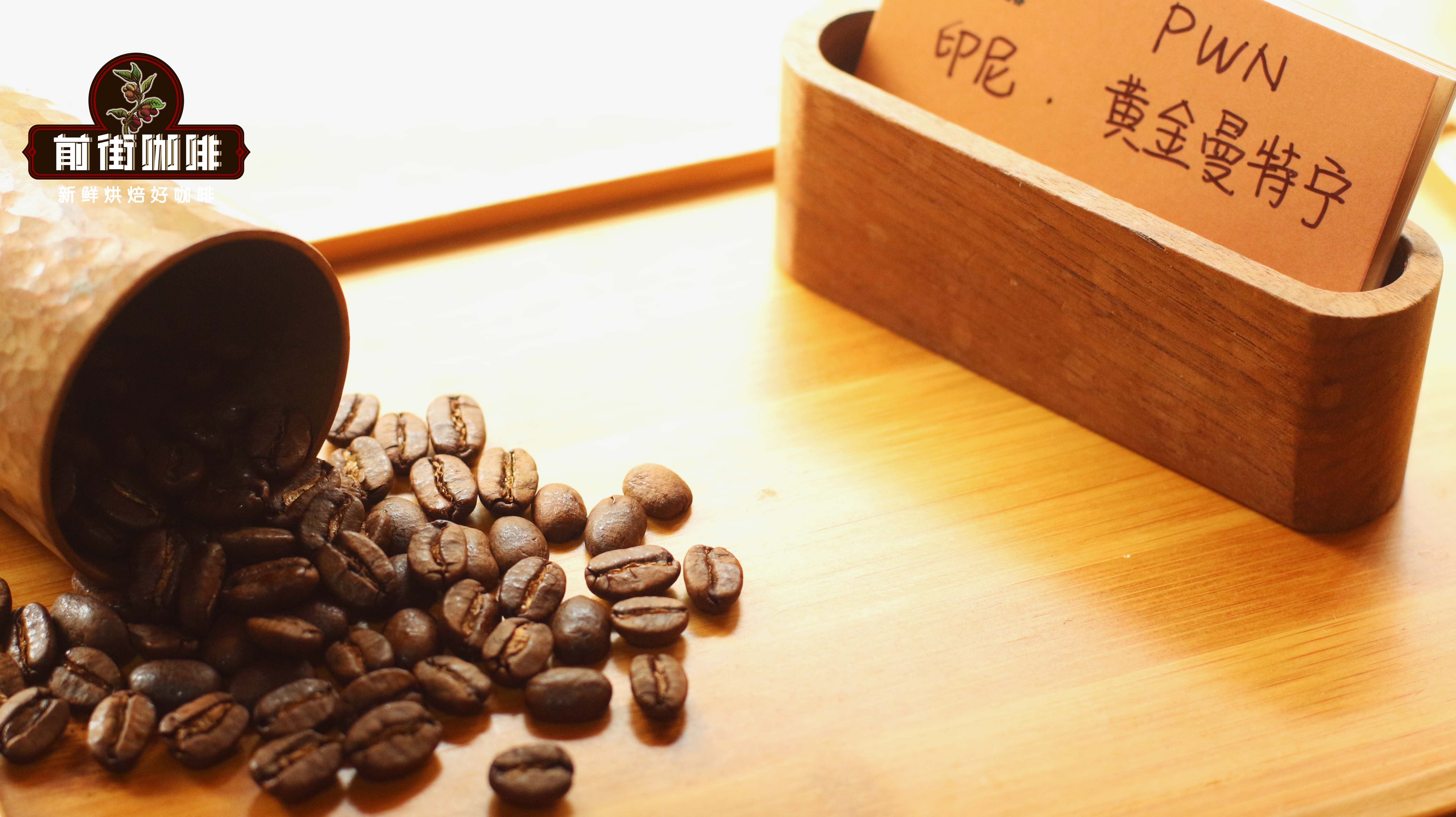
This Front Street Golden Mandheling on the FrontStreet Coffee menu comes from PWN company. ThisFront Street PWN Golden Mandhelingcomes from the Gayo Mountain in Aceh, Sumatra. According to Front Street's cupping and brewing of this latestFront Street PWN Golden Mandhelingcoffee, it was found that this Front Street Golden Mandheling has more baked toast flavor and is also very full-bodied in mouthfeel.
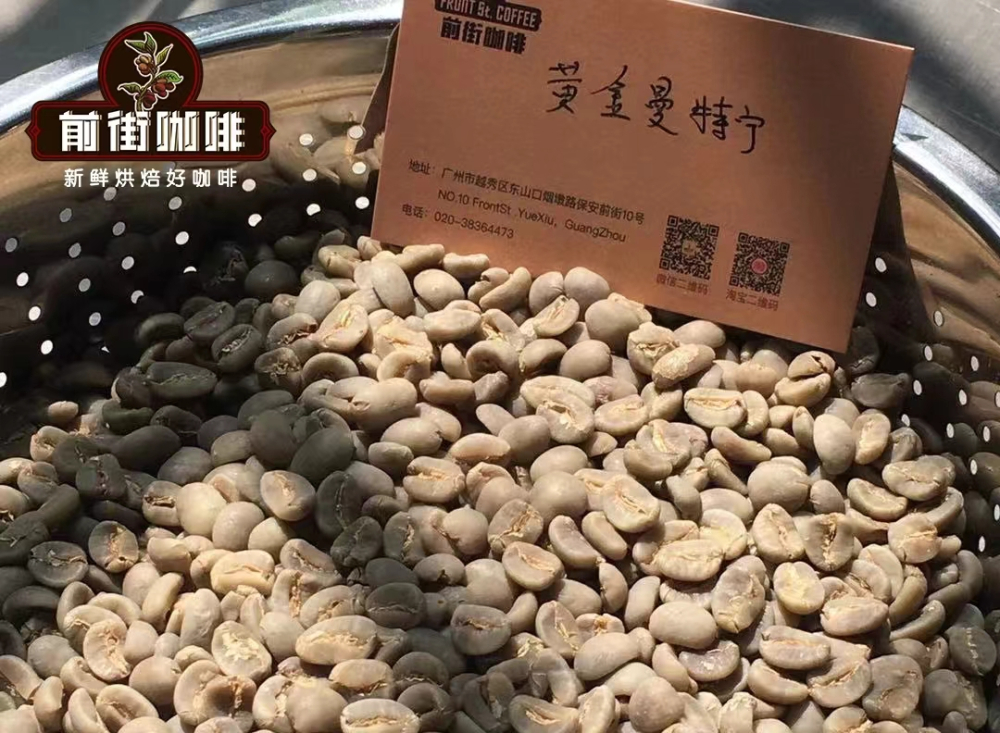
Moreover, the specification standard for Front Street Golden Mandheling is 18 mesh or above, with fewer than 3 defective beans (in a 300g green bean sample). It belongs to the highest grade G1, is darker green in color, and has a neat flat bean shape. In addition, it must undergo 3 rounds of manual hand sorting to ensure that defective beans are completely removed, thereby guaranteeing a clean taste. After strict screening,Front Street Golden Mandheling, FrontStreet Coffee found that it not only no longer has the earthy, miscellaneous flavors unique to ordinary Mandheling, but also tastes cleaner and more transparent, with a more obvious sweetness.
Because Golden Mandheling has good quality and excellent flavor, it is sought after by many coffee connoisseurs who enjoy full-bodied coffee. The quality of Golden Mandheling is also reflected in its price. In order to sell their Mandheling at a good price, some merchants even use ordinaryMandheling coffeebeans, select coffee beans of 18 mesh or above and darker green in color, and remove the defective beans from them. In order to replicate Golden Mandheling as much as possible, they even really carry out 3 rounds of manual hand sorting.
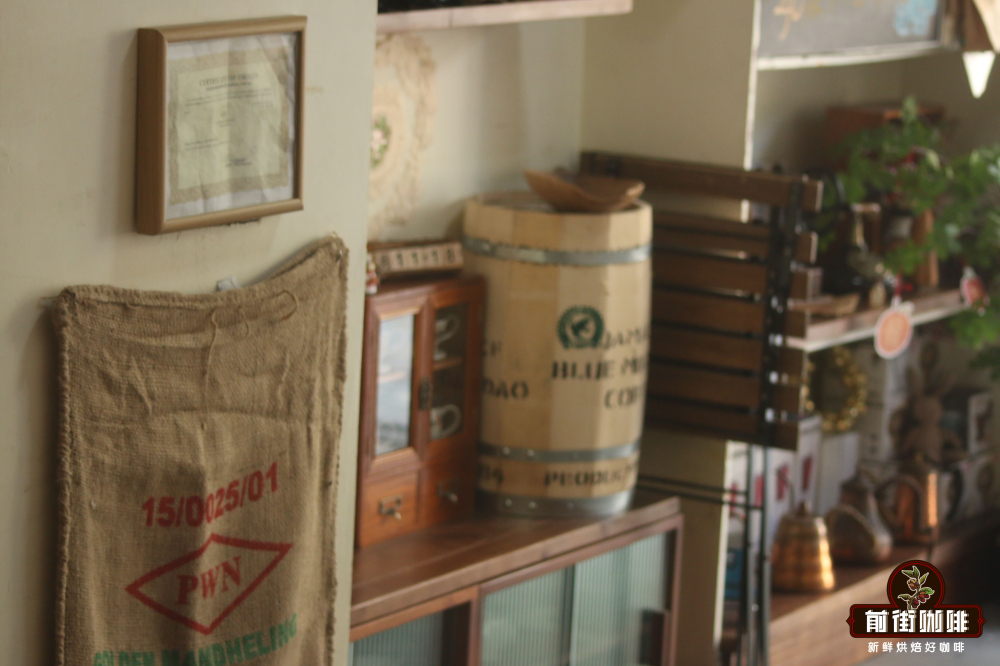
This also makes consumers worry whether the Golden Mandheling they buy is really PWN's Golden Mandheling. PWN Golden Mandheling green coffee beans are sold in jute bags printed with the PWN logo, and are accompanied by a certificate. To dispel consumers' concerns about this, the wall of the FrontStreet Coffee shop has the above-mentioned certificate hanging on it to prove that the Front Street Golden Mandheling sold in the shop comes from Indonesia's PWN company.
Of course, the Front Street menu has two Front Street Mandheling coffee beans. The other one is Front Street Lintong Mandheling from the Front Street daily ration bean series. The Front Street daily ration bean series covers seven major producing regions, allowing coffee novices to quickly understand the terroir of the regions and prepare for a deeper understanding of regional flavors later. At the same time, Front Street daily ration beans are affordable and cost-effective, so they are very suitable for beginners who have just come into contact with pour-over coffee or for the daily drinking of coffee lovers.
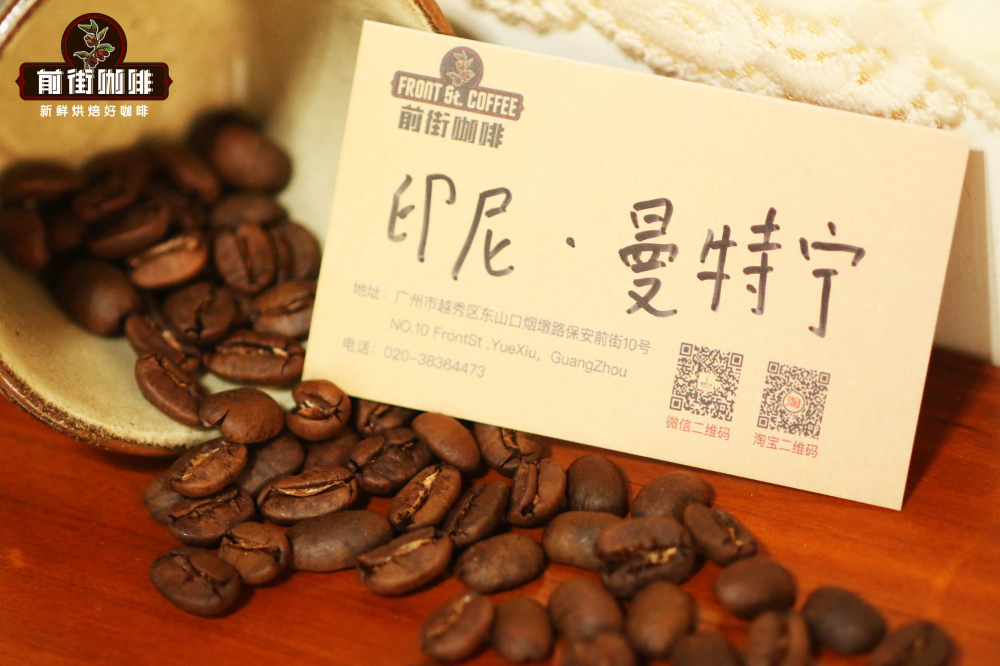
Product Name: FrontStreet Coffee · Indonesian Lintong Mandheling
Country: Indonesia
Region: Sumatra (Lintong)
Altitude: 1100-1600m
Variety: Typica, Caturra
Processing Method: Wet Hulling
Flavor: baked toast, nuts, caramel, pine, herbs
Front Street Lintong Mandheling comes from the Lintong mountain area in north-central Sumatra, near Lake Toba. Front Street IndonesianMandhelingThe entry-level daily ration bean from this region comes from here. Front Street Lintong Mandheling also uses the unique wet hulling method, creating its characteristics of low acidity and high body.
For more coffee bean information, please follow Coffee Workshop (WeChat public account cafe_style)
For professional coffee knowledge exchange, please add WeChat ID kaixinguoguo0925
The above content is compiled by CoffeeHunters, a coffee news website.

