








Coffee fans who regularly drink espresso know that drinks like mocha, cappuccino, and latte use different ratios of espresso to milk—some add a single shot of espresso, others a double—so what difference does the grind size make between a single and a double shot? What coffee beans should be used to make espresso? In this article, Front Street Coffee will answer these questions one by one for fellow coffee lovers.
What is espresso?
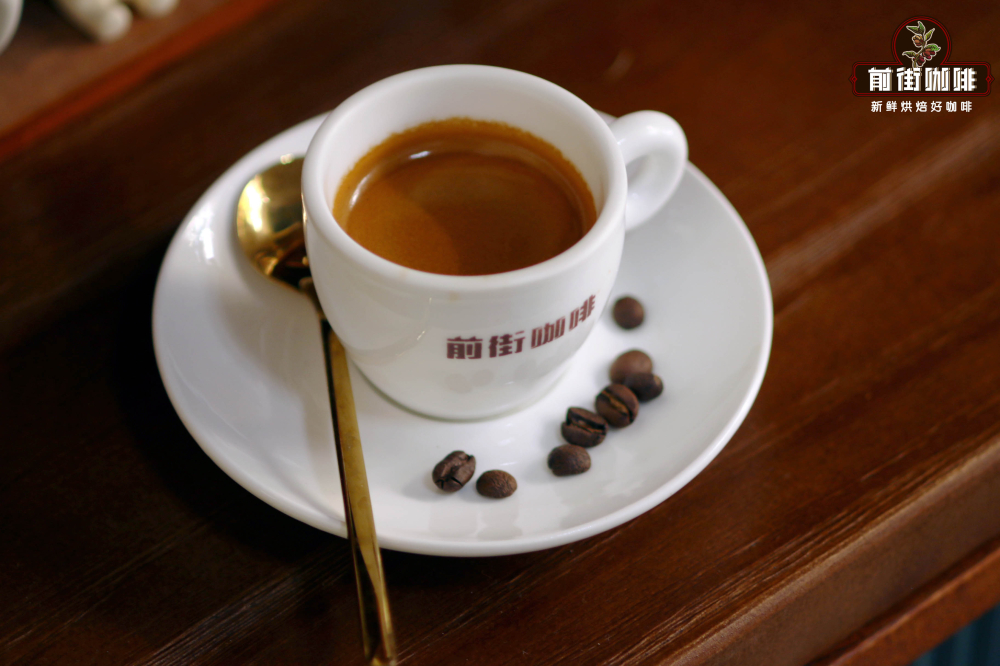
Espresso, also known as Espresso, is a beverage made by forcing nearly boiling high-pressure water through finely ground coffee. Espresso is generally thicker than coffee brewed by other methods, with a higher concentration of suspended and dissolved solids, such as the crema on top (a creamy foam). Because of its pressurized brewing process, espresso has an intense flavor and a very high concentration of chemical compounds. It is often used as the base for other drinks, such as latte, cappuccino, macchiato, mocha, and Americano. But at Front Street Coffee, quite a few coffee fans also enjoy a straight shot of espresso to savor its rich, smooth flavor.
The difference between single and double espresso
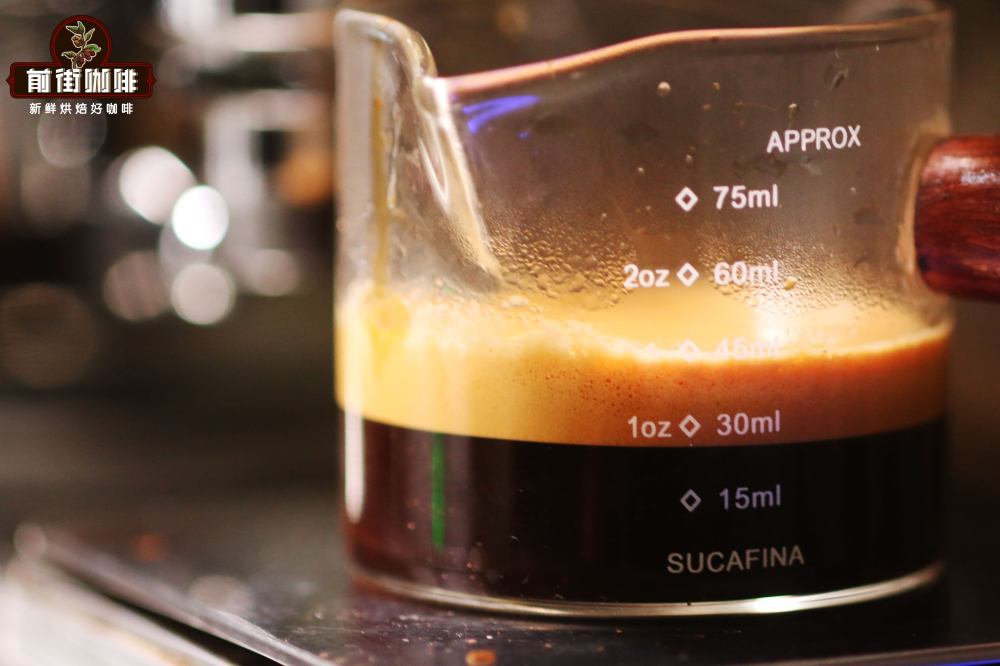
In fact, the main difference between single and double espresso lies in concentration. For example, at Front Street Coffee, a single shot uses about 10 grams of coffee grounds, while a double uses about 20 grams, extracted at a 1:2 coffee-to-water ratio—so 10 grams of grounds yields 20 grams of espresso, and 20 grams yields 40 grams. A single espresso uses a single basket and single-spout portafilter, extracting one single shot at a time; a double espresso uses a bottomless basket and bottomless portafilter or handle, extracting a double shot at a time.
However, according to Front Street Coffee, beneath the foam of an espresso are tiny oil droplets that have dissolved sugars, acidic proteins, and caffeine. Bubbles and solid solutions are also suspended on the foam surface, so the wear on the grinder burrs will gradually change with humidity and storage time. Therefore, the grind size must be adjusted daily to ensure consistent espresso flavor.
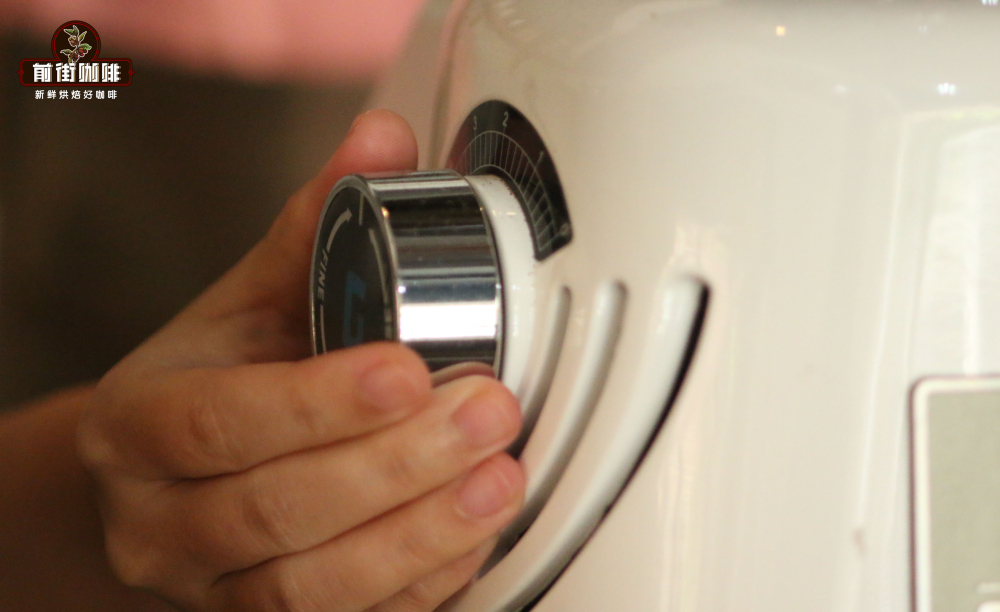
But because there are so many types of espresso machines and grinders, the same grind setting may not suit other machines. So how do you judge whether an espresso is up to standard?
How to judge whether a shot of espresso is up to standard?
(1) Sight—the crema on the surface of the coffee
Sight is the main sense we use to understand the world, and when tasting coffee we are inevitably influenced by its appearance. At this stage, what we really need to pay attention to is the crema on the surface of the coffee, because this layer of foam provides important information and shows how skilled the brewing was. This foam acts as a kind of protective layer, and its color ranges from dark brown to light brown, even with reddish tones. The so-called tiger stripes—the dark streaks on the foam—are caused by coffee particles in the coffee, indicating that this espresso was brewed perfectly. This is not just proof of quality; it is also crucial to the retention of the coffee's aroma and flavor, allowing the aroma to last until the coffee is finished.
(2) Smell—the scent of molecules entering the nasal cavity from the nasopharynx
After evaluating the coffee visually, the next step is to use your sense of smell to explore the aroma wafting from the espresso. Be sure to stir the coffee with a spoon to "break" the foam, so you can get a clearer impression of the aromas released. These aromas may be faint or strong, elegant and clean, or conversely plain and muddy. For example, a high-quality Arabica coffee may carry aromas of caramel, bread, and honey, plus a little citrus fruitiness and floral notes. Unpleasant aromas might include sourness, mustiness, woodiness, or burlap.
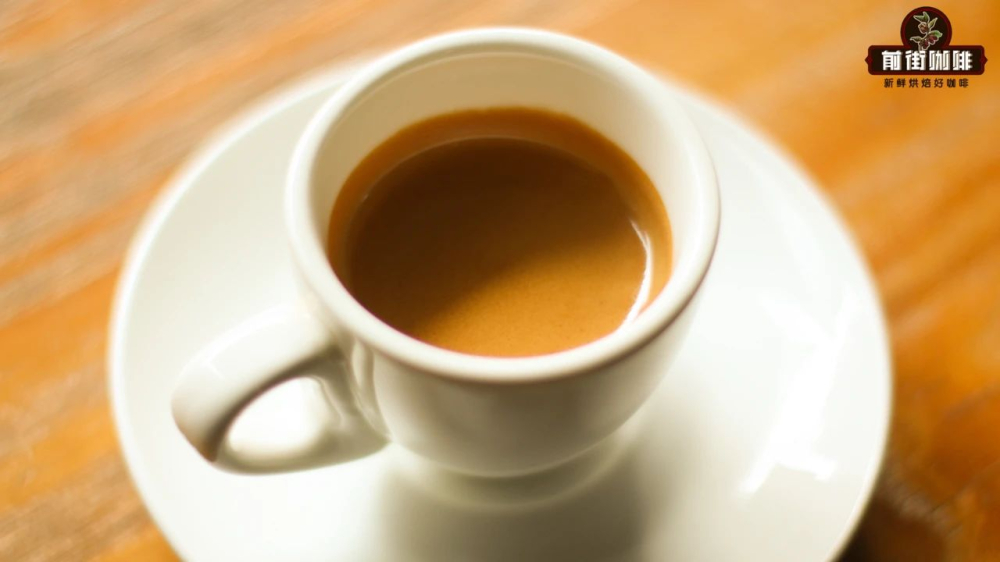
(3) Taste—the mouthfeel of coffee substances contacting the oral cavity
An ideal Espresso should achieve a balance among all elements, with a vivid mouthfeel, and after drinking it, the throat should feel sweet and mellow rather than bitter. More specifically, it should have moderate acidity, bitterness, and sweetness, rich flavors, a solid and thick body, and a long-lasting finish, leaving a refreshing citrus-like acidic aftertaste.
The above is what Front Street Coffee has compiled regarding espresso. Sowhat coffee beans are used for espressoto make it? Front Street Coffee will answer this below for fellow coffee lovers.
What coffee beans are used for espresso?
First, coffee fans should know that espresso machines have a characteristic of amplifying the flavor of a coffee bean. For example, if Front Street Coffee uses Yirgacheffe from a single African origin to make a shot of espresso, its citrus-lemon acidity will multiply, tasting extremely sour and even showing unpleasant flavors. Therefore, espresso generally uses blend beans—2 to 4 coffee beans from different origins mixed in proportion and extracted together—to achieve a balanced espresso flavor and ensure coffee flavor quality.

Of course, this is not to say that single-origin coffee is unsuitable for making espresso—it's just that parameters such as grind size all need to be readjusted, and constantly adjusted to ensure daily flavor consistency, which is rather troublesome. Still, many coffee shops offer this type of coffee, calling it SOE coffee.
In Front Street's view, choosing a coffee bean suitable for SOE extraction not only makes it easy to produce espresso with beautiful crema, but also makes Americano or latte even better once water or milk is added. Take the Huakui coffee that Front Street likes so much—considering that everyone brews it differently after purchase, Front Street's roasters have specially introduced two different roast curves: one medium-light roast for cold brew and pour-over, and one medium roast suitable for espresso machines and moka pots. For example, if someone prefers something simple and convenient like cold brew, or pursues a sense of ritual with pour-over extraction, they can choose the medium-light roast; if you prefer golden crema, or want to pour delicate latte art, Front Street recommends the SOE roast curve.

1. Front Street Coffee Sunflower Warm Sun Blend
Flavor: pronounced fruit acidity, a faint berry aroma, wine aroma, rich chocolate flavor, with a clear sweet aftertaste.
Recipe: Honduras Sherry : Yirga Red Cherry = 7:3

For this blend, Front Street uses Yirgacheffe sun-dried Red Cherry blended with Honduras Sherry. Front Street's design concept for this blend is that it can be used for both espresso and pour-over. When used to make espresso, the flavor it gives off has a clear fermented wine aroma; on the palate, the acidity of citrus and berries immediately emerges, with a whisky aroma, and the finish is dark chocolate.
According to Front Street Coffee, when brewing this Warm Sun Blend as pour-over, the flavor is not as rich as when making espresso. After brewing, there is a fermented wine aroma and a little citrus aroma; when drunk hot, there is only a pronounced wine aroma and a dark chocolate finish. As the temperature drops, the acidity of citrus and berries slightly emerges. Overall it is clean and fresh, without a vanilla-cream mouthfeel.
2. Front Street Coffee Front Street Specialty Blend
Flavor: soft and slightly sour, clean and sweet, with a nutty sweet aftertaste; the overall impression is not too stimulating, mild, with medium crema.
Recipe: Colombia : Brazil = 3:7
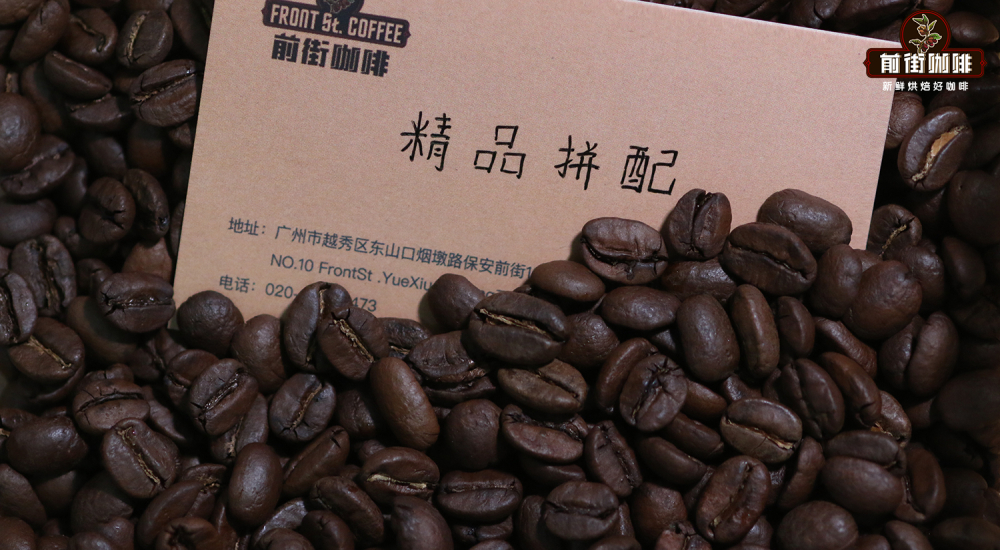
For this blend, Front Street uses Brazil and Colombia. It tastes of a faint roasted grassy aroma, light and slightly bitter, sweet and smooth, with a pleasant aftertaste. This is because coffee beans from Colombia's Huila region have a pleasant acidity, an aromatic scent, moderate acidity, and rich sweetness that is very
intriguing, while coffee beans from Brazil's Cerrado region have a comfortable sweet-bitterness and an extremely smooth entry. So the combination is simply wonderful.
3. Front Street Coffee Front Street Commercial Blend
Flavor: caramel sweetness, nutty and cocoa-like, dark chocolate flavors, balanced acidity and sweetness, slightly sweet-bitter, with a lasting finish.
Recipe: Colombia : Brazil : Robusta = 3:6:1
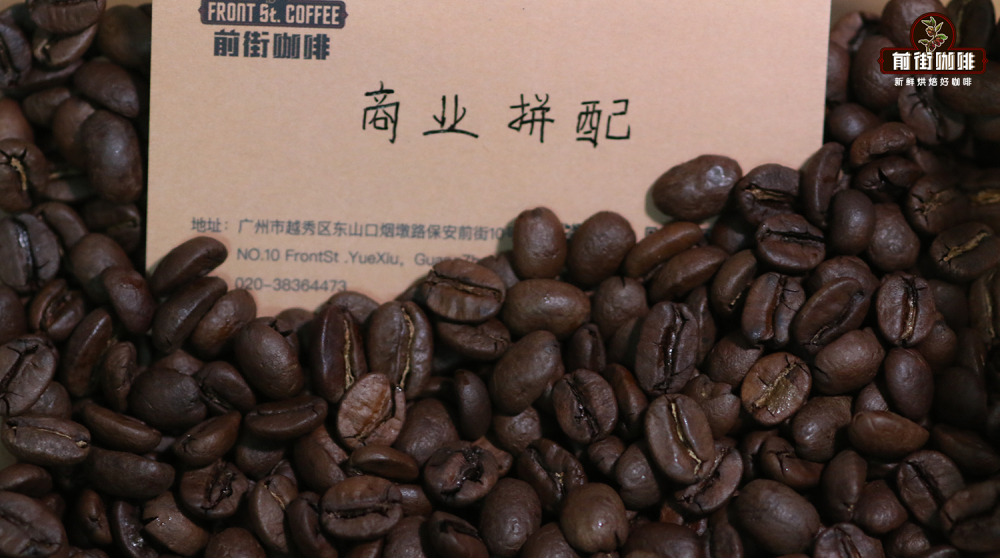
For this blend, Front Street uses coffee beans from Brazil and Colombia plus 10% Robusta coffee beans. The taste is classic. Front Street believes this blend tastes of rich crema and mouthfeel with caramel sweetness, and also carries nutty and cocoa-like, dark chocolate flavors, balanced acidity and sweetness, slightly sweet-bitter, with a lasting finish. This Front Street Commercial Blend, like Front Street Coffee's Front Street Specialty Blend, uses a ratio of Colombian and Brazilian coffee beans; the difference is that Robusta is added to provide rich crema, making the coffee's mouthfeel even richer.
4. Front Street Coffee Front Street Dark Cocoa Blend
Flavor: soft fruit acidity, caramel sweetness, nutty and dark chocolate flavors, smooth and viscous, but the taste is on the light side.
Recipe: Yunnan : Brazil = 3:7
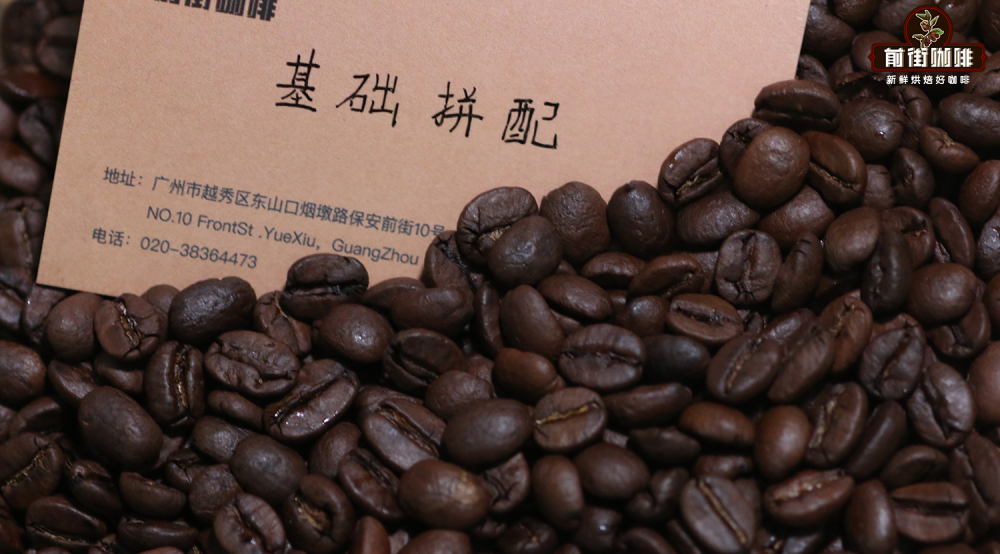
For this blend, Front Street uses Brazil and Yunnan. Front Street believes it tastes of soft fruit acidity and caramel sweetness, along with nutty and dark chocolate flavors, smooth and viscous, but the taste is on the light side. This is because Yunnan's natural conditions are very similar to Colombia's—high altitude, large temperature difference between day and night—and its flavor is of the mellow-aromatic type, with moderate acidity, a rich and full-bodied taste, even beans, high oil content, and fruity notes; its quality and mouthfeel are similar to Colombian coffee. However, it is still slightly lighter in taste than Colombian coffee, while coffee beans from Brazil's Cerrado region have a comfortable sweet-bitterness and an extremely smooth entry. So mixing these two coffee beans gives a good flavor as well. Moreover, this Front Street Dark Cocoa Blend is very cost-effective, suitable for espresso beginners and small coffee shops.
The above are the four coffee beans specially blended by Front Street Coffee's roasters that can be used to make espresso. Interested coffee fans might as well give them a try. Next, some coffee fans may wonder: single-origin coffee beans can be blended together to make espresso, so can espresso blend beans be used to make pour-over coffee? Front Street Coffee will answer this question below for fellow coffee lovers.
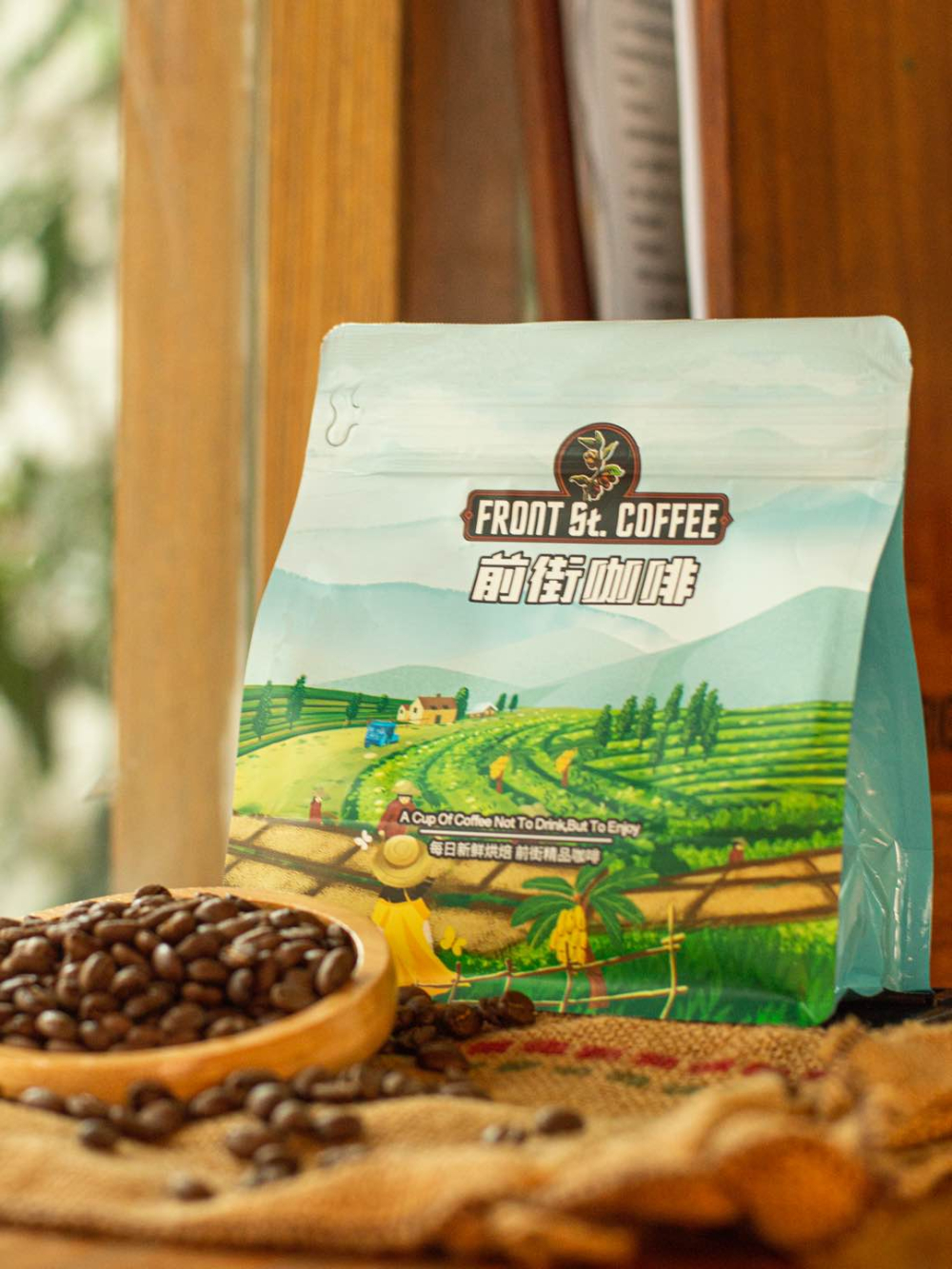
Espresso coffee beansCan they be used for pour-over?
Single-origin coffee beans can be made with an espresso machine, and similarly,espresso coffee beanscan also be brewed as pour-over coffee. It's just that the flavor brewed will always differ somewhat from that brewed by an espresso machine. Similarly, the grind size and pour-over parameters also need to be adjusted, and the flavor may be rather "unusual." It mainly depends on personal preference. If interested, coffee fans can also give it a try with Front Street Coffee. Front Street Coffee will provide reference pour-over data for espresso coffee beans below.
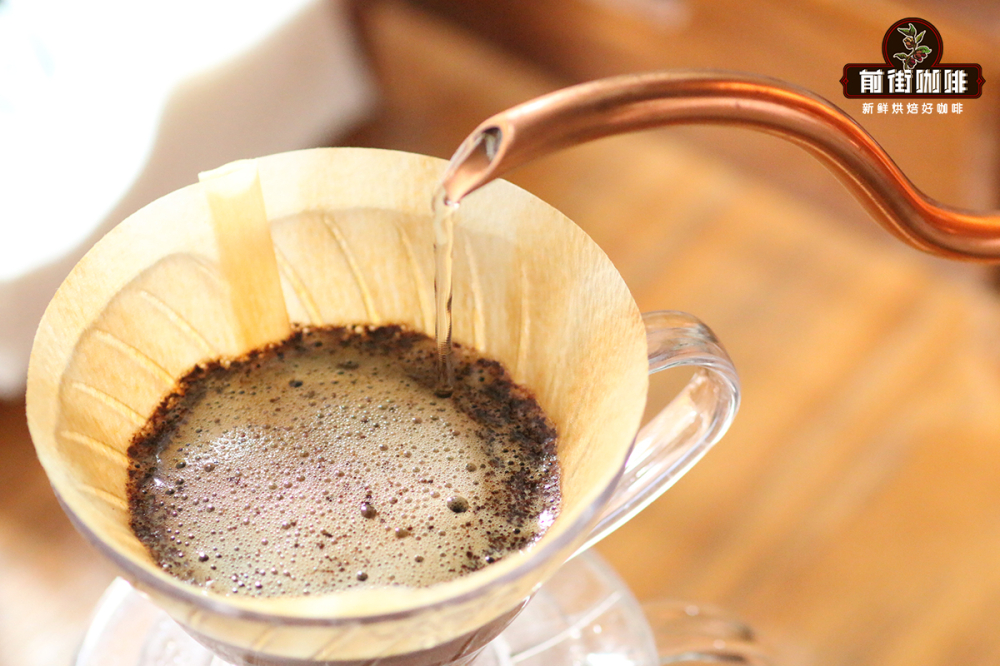
Front Street espresso pour-over coffee parameters: V60 dripper, 15g dose, 90℃ water temperature, 1:15 coffee-to-water ratio, grind size (80% passing a No. 20 standard sieve, coarser than the grind used for espresso)
Front Street Coffee brewing method: staged extraction. Use 30g of water to bloom for 30 seconds, then pour in a small stream in circles until 125g for the first stage; when the water level is about to expose the coffee bed, continue pouring until 225g and stop; when the water level is about to expose the coffee bed again, remove the dripper. (Start timing at the beginning of the bloom.) Extraction time is 2'00".
The above is what Front Street Coffee has compiled and shared regarding espresso. We hope it can help coffee fans who want to learn about related knowledge, so they can choose their favorite espresso bean flavor in the future.
For professional coffee knowledge exchange and more coffee bean information, please follow Coffee Workshop (WeChat public account: cafe_style)
For more specialty coffee beans, please add the private WeChat of Front Street Coffee, WeChat ID: kaixinguoguo0925
The above content is compiled by CoffeeHunters, a coffee news website.


