







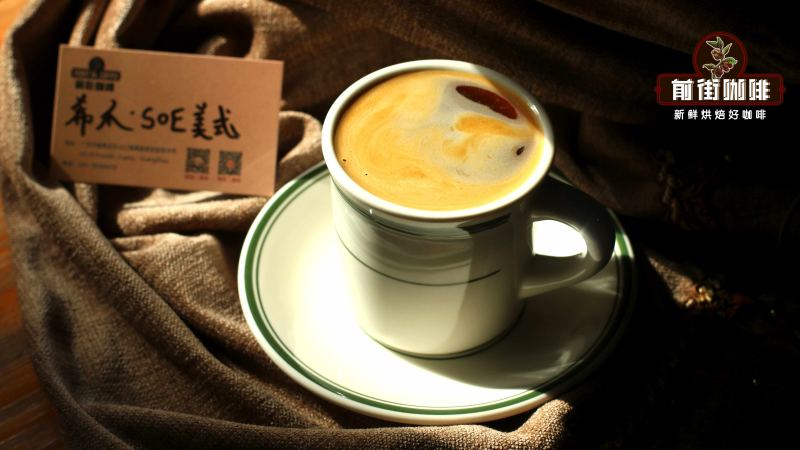
Why Does an Americano Sour Taste Appear in SOE Coffee?
A sour Americano is not automatically a fault. Green coffee beans hold abundant organic acids, and acidity falls as the roast gets darker, so a bright fruity tang can be a normal expression of the bean. Sharp, astringent sourness is the warning sign, often pointing to roasting or extraction errors rather than spoiled beans.
SOE means single origin espresso, espresso pulled from one origin and variety to amplify that region's character; Yirgacheffe shows acidity, Mandheling shows body. Iced and hot Americanos differ in perceived acidity, and a light-roast bean that shines in pour-over may not suit espresso. For espresso, blend beans are often the safer choice than a single-origin soe coffee.
Many people, upon first tasting an Americano with a sour note, instinctively wonder if the beans have gone bad or been sitting too long. In fact, green coffee beans naturally contain a large amount of organic acids, and after roasting, the acidity gradually decreases as the roast gets darker—so a sour-tasting Americano can very well be a normal expression. However, not all sourness is worth appreciating: a bright, lively fruity acidity can make a cup memorable, while a sharp, astringent sourness often points to improper roasting or extraction errors. This article starts with the concept and characteristics of SOE, explains why Americano tastes sour, why iced and hot Americanos differ in acidity, and why a light-roast bean that shines in pour-over may not suit espresso—and offers suggestions for blend beans suited to espresso.
What Exactly Is SOE
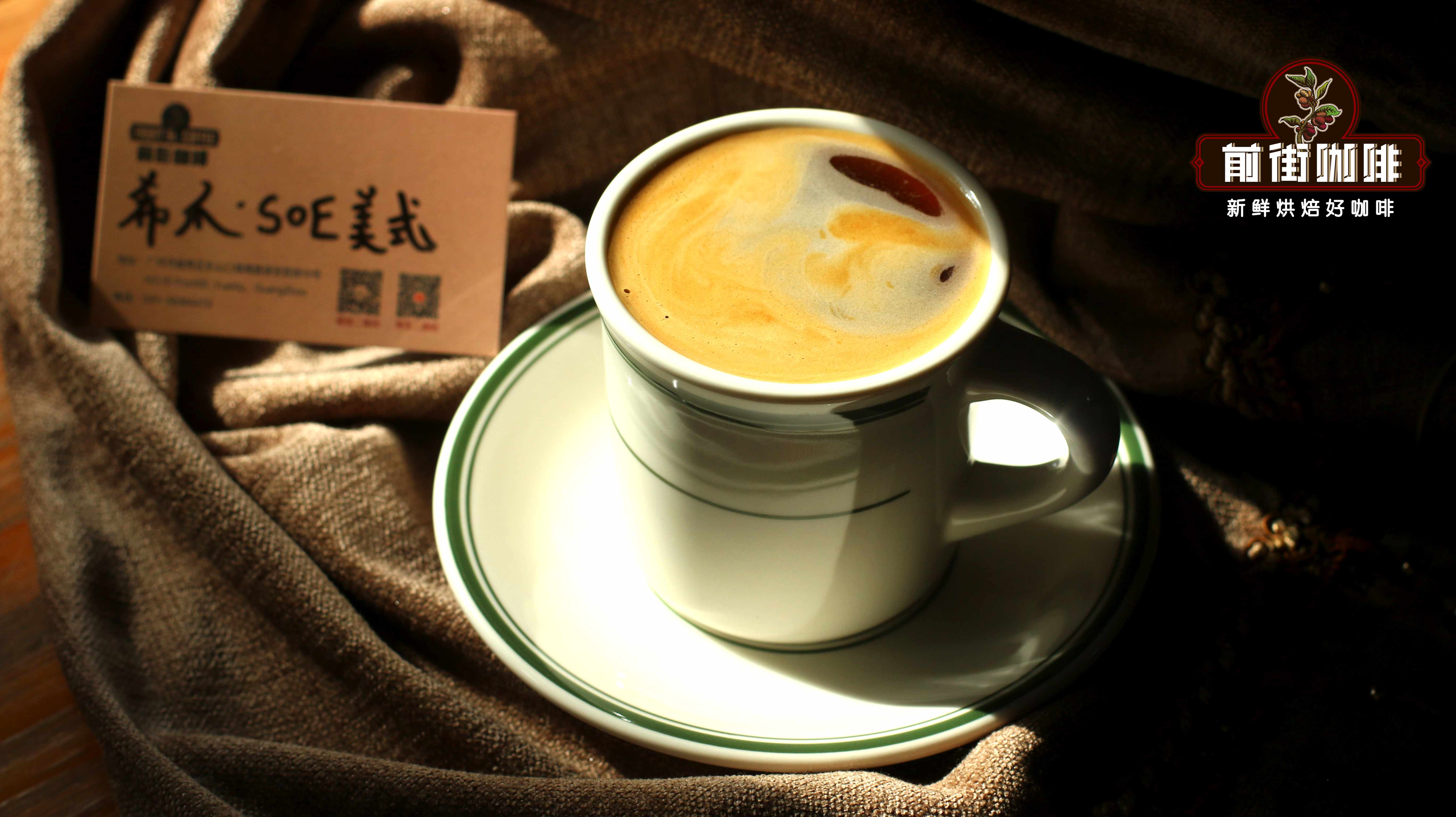
SOE is short for single origin espresso, referring to espresso made from beans of a single origin and single variety, with the aim of amplifying and showcasing that origin's distinctive regional flavors. For example, an SOE made from Front Street Coffee. Yirgacheffe will be prized for its acidity, while Front Street Coffee. Mandheling leans toward a richer, fuller body.
This format has been popular overseas for decades with a devoted following, but after entering the Chinese market it has not spread as rapidly as abroad. On one hand, coffee is still a relatively niche consumption habit in China, and a specialty coffee costing thirty yuan a cup is hard to make into a daily expense; on the other, SOE is generally priced higher than ordinary espresso, so the pool of willing tryers is naturally smaller.
The Flavor Characteristics of SOE Coffee
When making espresso with single origin beans, most people don't drink that small shot straight but add milk to make a milk coffee. This is both smooth and tasty while preserving the single origin bean's regional character. As mentioned earlier, taking single origin beans down the espresso extraction path magnifies the coffee's flavor profile many times over—this applies not only to SOE; traditional espresso does the same, bringing out the characteristics of origin beans.
"Wait! Why is this Americano sour? Is it spoiled?"
No, it isn't. A sour note in Americano is normal, because coffee beans naturally contain abundant acidic compounds; the darker the roast, the more the acidity gradually diminishes. The Americanos we usually drink mostly use medium-dark or dark roast beans, and even after high-pressure, high-temperature espresso extraction, a certain acidity may remain.
However, while sourness in Americano is normal, that doesn't mean every kind of sourness is a good sourness. If it's fruity and lively, it will make you remember that cup fondly; but if it's sharply piercing or excessively astringent, that indicates the beans were not properly roasted or something went wrong in extraction.
Americano is essentially espresso diluted with water; after dilution, the original berry-like sweet-tartness transforms into a bright acidity reminiscent of citrus fruits. With a hot Americano, after sitting for a while and cooling down, the aroma gradually dissipates, and as the temperature drops, the overall acidity becomes more pronounced.
Iced Americano, on the other hand, has the espresso poured directly into ice water, so the temperature is instantly pulled down—therefore, with the same beans and the same extraction parameters, an iced Americano tastes more sour than a hot one.
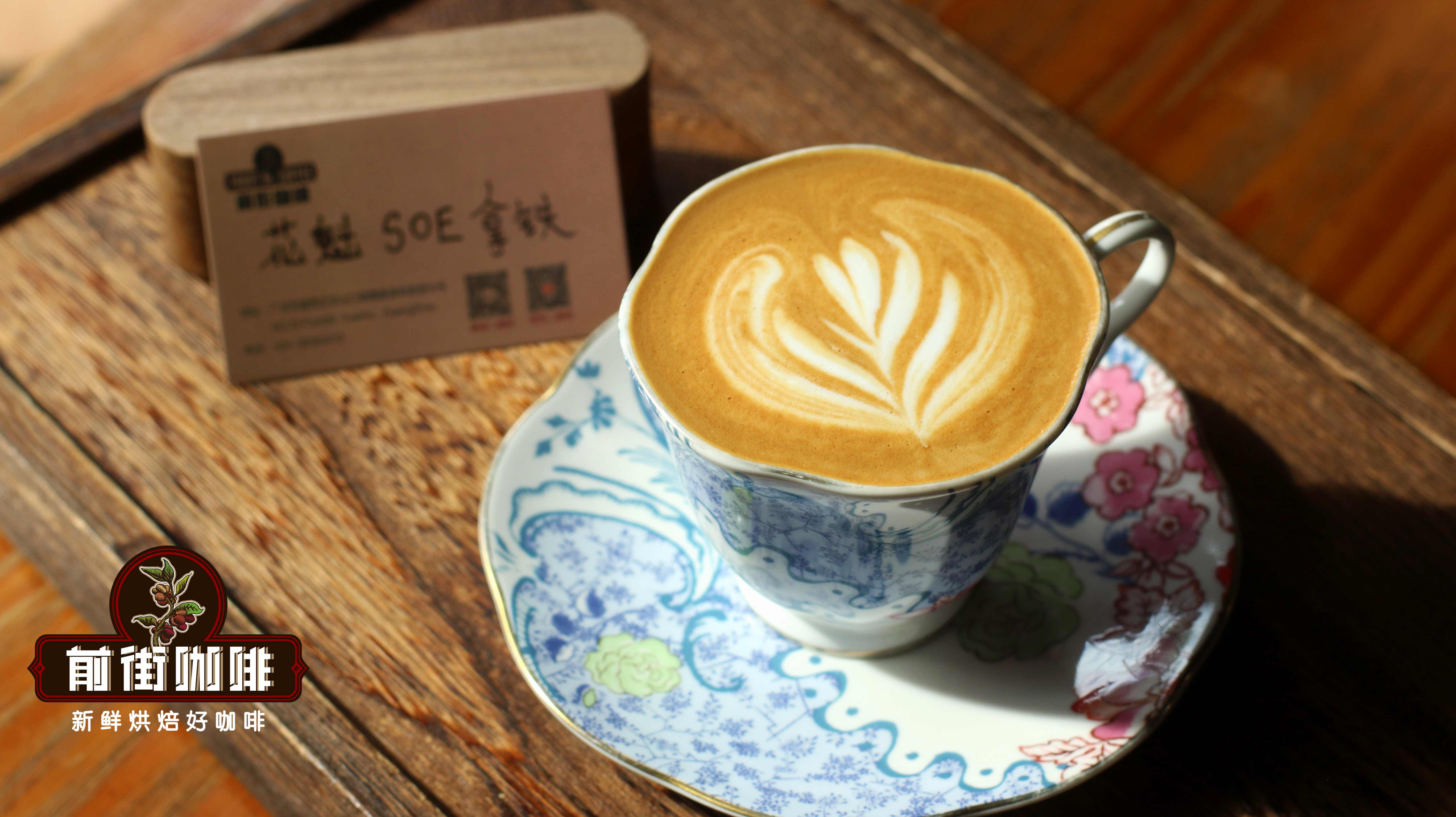
So why is it that improper roasting or improper extraction makes the acidity sharp, astringent, and unpleasant?
The core difference between espresso and drip (pour-over) coffee is that the former uses pressure extraction and is more concentrated. Precisely because of this, a light-roast bean that makes a delicious pour-over may not taste good as espresso or Americano—once the concentration is raised and the flavors compressed, an originally pleasant acidity may become hard to swallow.
Espresso easily becomes too concentrated and too sour, so when making espresso, it's recommended to choose medium-dark roast blend beans designed specifically for espresso. If you like rich crema with roasted nut and butter notes, choose Front Street Coffee. Front Street Classic Blend; if you want a balanced taste that's good and not expensive, choose the espresso bean used in coffee shops and recommended by many baristas—Front Street Coffee Black Cocoa Blend. ...Each recipe has its own characteristics, and all are shipped within 5 days of roasting, ensuring the beans are still fresh when they arrive, with guaranteed quality.
The above content is compiled by CoffeeHunters, a coffee news website.


