







Did you know? Espresso has a rich mouthfeel and intense flavor, and it often strikes people as hard to accept—but once you get used to it, you find it has a distinctive charm of its own. What's more, espresso is also a coffee that tests coffee quality and a barista's skill.
Since espresso is loved by so many people, it must have a certain charm. Next, Front Street Coffee will take you through a closer look at what makes it so special!
What is espresso?
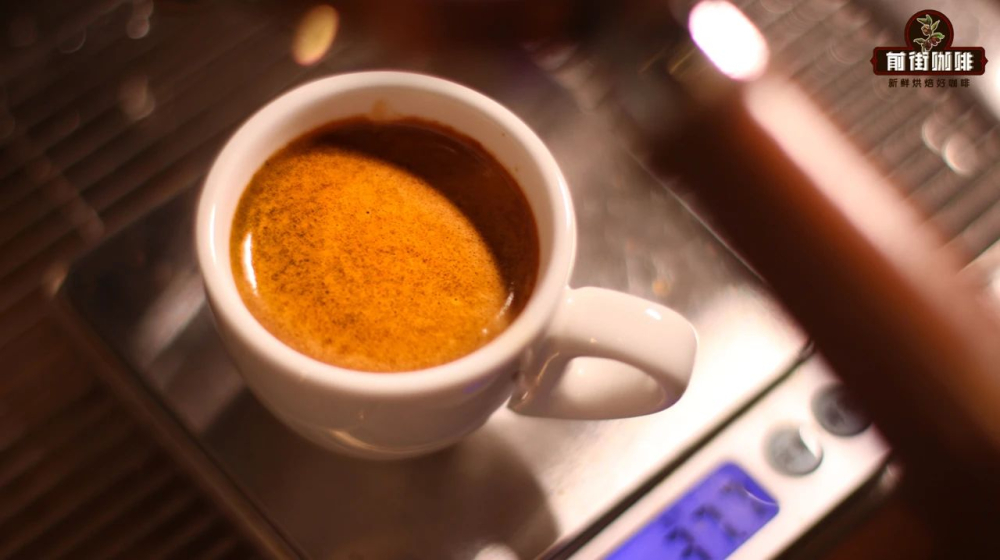
Freshly extracted espresso has a beautiful golden layer of crema on top. We generally call this layer "Crema." The appearance of "Crema" is inseparable from that 9Bar of pressure; when water is heated and pressurized, it extracts the soluble substances from the coffee grounds, and this process emulsifies the fats and oils naturally present in coffee. At the same time, freshly roasted coffee beans contain carbon dioxide, and during the making of espresso,these carbon dioxide compounds are subjected to pressure and dissolve into the coffee.
Espressois a very classic Italian coffee with a rich, layered flavor, and it can highlight certain flavor characteristics of coffee. But because espresso tastes very intense when first sipped, more people prefer espresso-basedItalian-style coffee.
What is Americano?
Americano originated during World War II, when American soldiers in Europe couldn't get used to the extremely strong espresso, so they added water to dilute it. Therefore, Americano is essentially about diluting coffee to a concentration that Americans at the time found suitable to drink. Later, Italians immigrated to the United States and Italian-style cafés sprang up there, spreading the espresso-based Americano far and wide. They also expressed the idea of diluting strong coffee through the order of pouring—coffee first, then water. Until now, there isn't much fuss about the order in making Americano; it mainly comes down to whether the crema is preserved or broken up.
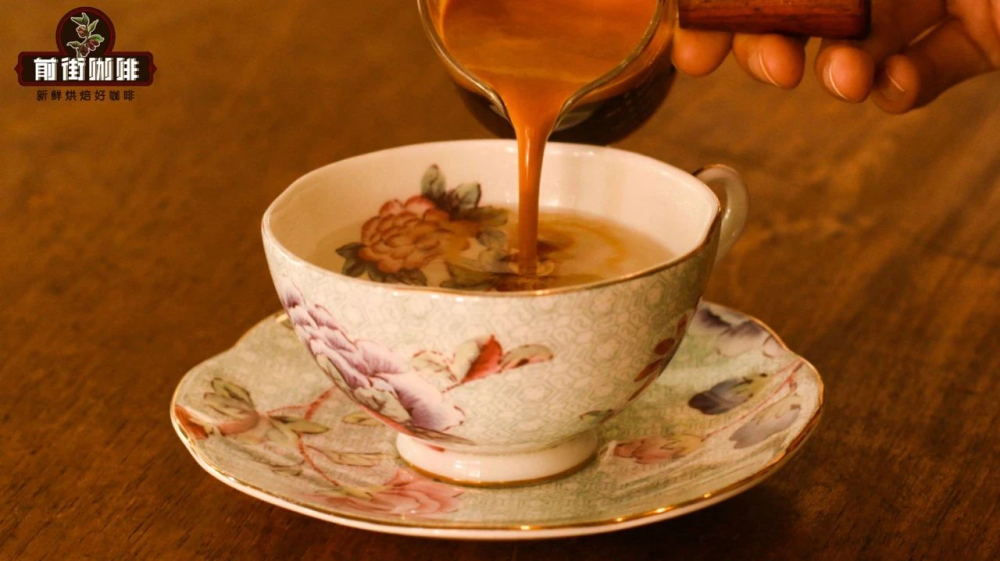
Pictured: Front Street Coffee — Hot Americano serving

Pictured: Front Street Coffee — Iced Americano serving
How is Americano made?
Americano is made by diluting espresso extracted at a 1:2 coffee-to-liquid ratio with an appropriate proportion of water. For Front Street's Americano, we use espresso extracted from a blend of Ethiopian sun-dried Red Cherry and Honduras Sherry as an example. Front Street dilutes 40g of coffee liquid extracted from 20g of coffee grounds at different ratios, ultimately using a 1:6 ratio (40g coffee liquid to 240g water) to makeAmericano.

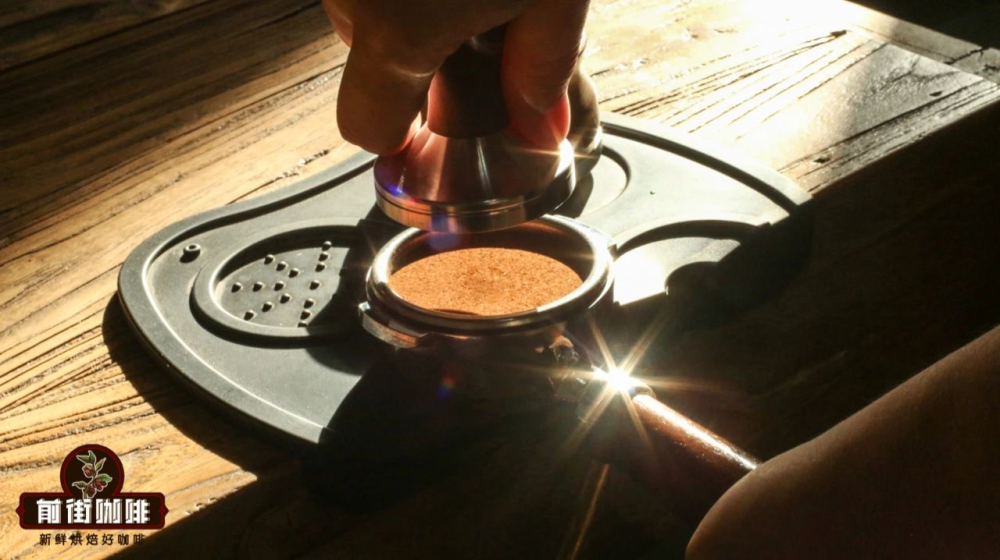
The taste of Americano depends on the beans used to extract the espresso. A good Americano is balanced and full-bodied overall, without any watery, burnt-bitter, or sharply sour notes. When we drink Americano and taste bitterness, that's because the espresso was over-extracted; sharp sourness means the espresso was under-extracted; and a watery taste means too much water was added.
What does Americano taste like? The taste of Americano mainly comes from the coffee beans.
Today, Americano has become almost a standard menu item in every café, but some shops' Americanos are sweet and delicious, while others' are burnt-bitter and hard to swallow. Why such a huge difference? There are mainly two big factors: one is the quality of the coffee beans, and the other is the barista's extraction skill.
Today's Americano is made up of espresso and water. Water is colorless and tasteless and only serves to dilute, so the taste depends on the espresso, and the flavor quality of the espresso mainly depends on the coffee beans and the extraction.

Front Street uses a double shot of espresso to make espresso, and choosing a suitableespresso blend beanis also very important. Blended coffee, also called mixed coffee, is made by mixing various single-origin coffee beans together, thereby fully bringing out the strengths of each single-origin bean. A blend is made from coffee beans of different origins to create a more balanced taste. For example, if one coffee bean is smooth but lacks aroma, you can add another bean rich in aroma, so that the advantages of individual coffee beans complement each other—whether complementing or enhancing each other in flavor—thus creating a richer new taste, a kind ofItalian-style coffee.

Currently, Front Street Coffee uses its own roastedSunflower Warm Sun blend beans, using Ethiopian sun-dried Red Cherry paired with Honduras Sherry coffee beans at a 7:3 ratio, so the extracted espresso has a distinct fruity acidity on entry, with a faint berry aroma lingering, rich wine and chocolate flavors, and a comfortable sweet aftertaste.
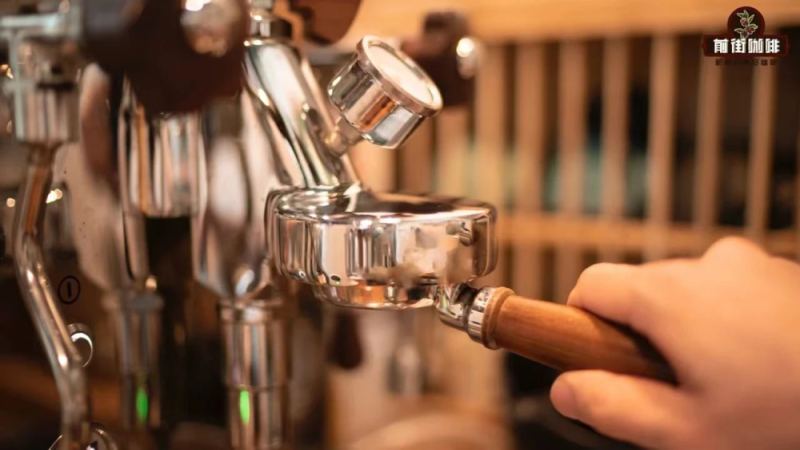
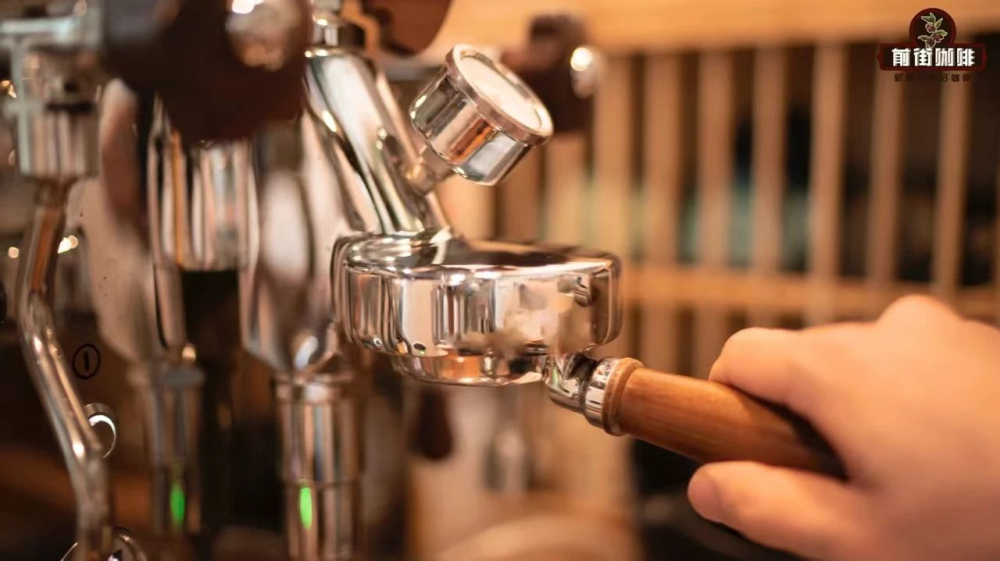
Front Street uses a Faema E98 espresso machine, with the following extraction parameters:
Pressure: 9 bar
Temperature: 90.5–96°C
Time: 20–30 sec
Coffee-to-water ratio: 1:1.7–1:2
Dose: 12g (single shot of espresso), 20g (double shot of espresso)
Extraction yield: 20ml (single), 40ml (double)
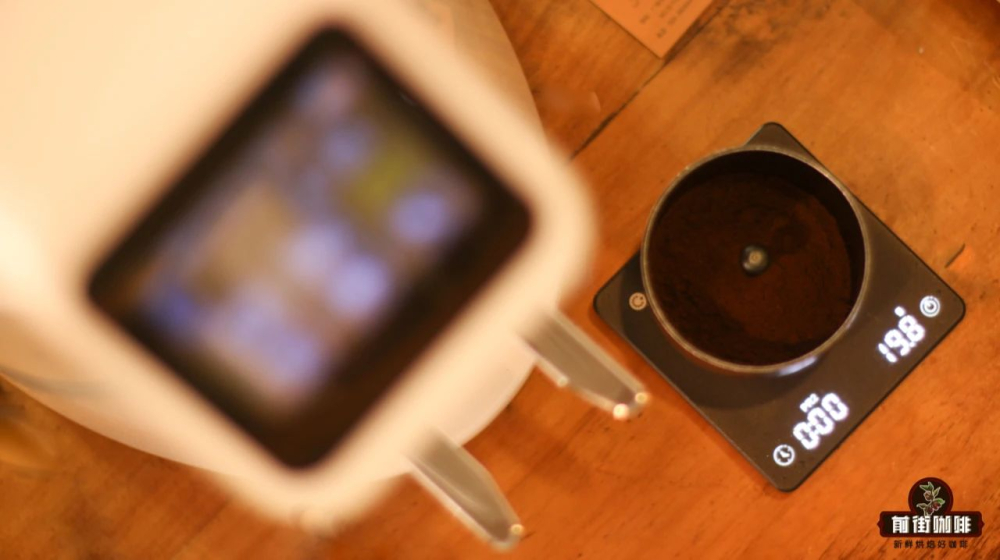
Weighing
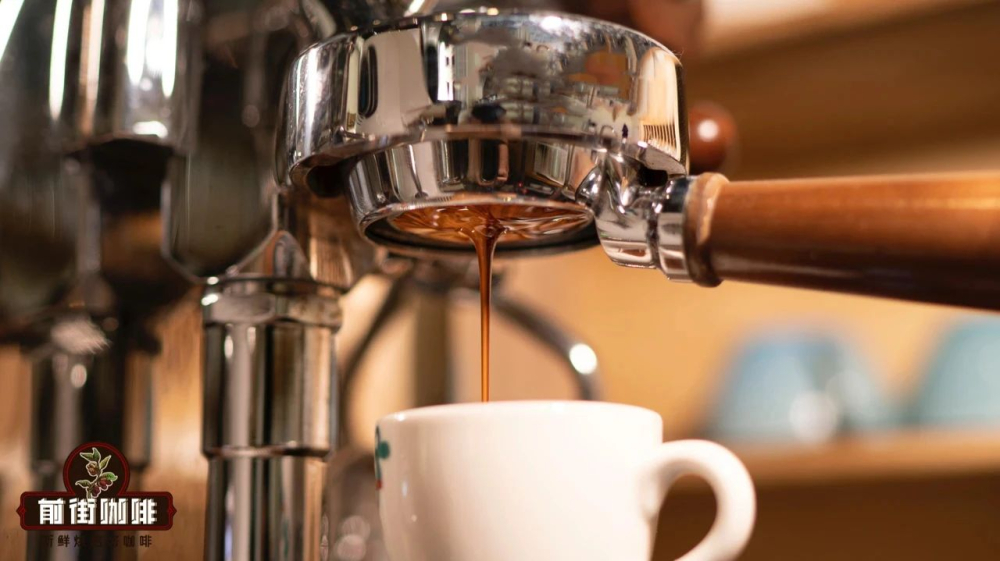
 Extracting
Front Street Coffee believes that before blending coffee beans, one must first know what flavors the different coffee varieties of the world have, and that beans from different origins have different characteristics. Different coffee beans have different personalities due to different varieties and origins, with subtle differences in acidity, bitterness, sweetness, aroma, body, and other flavors. Single-origin coffee beans tend to emphasize the unique characteristics of a particular type of coffee. The advantage of post-roast blending is that after roasting is complete, the beans can complement each other based on their flavor performance, and the proportion and weighting of the coffee beans can be fine-tuned according to the actual situation, presenting a stable coffee flavor.
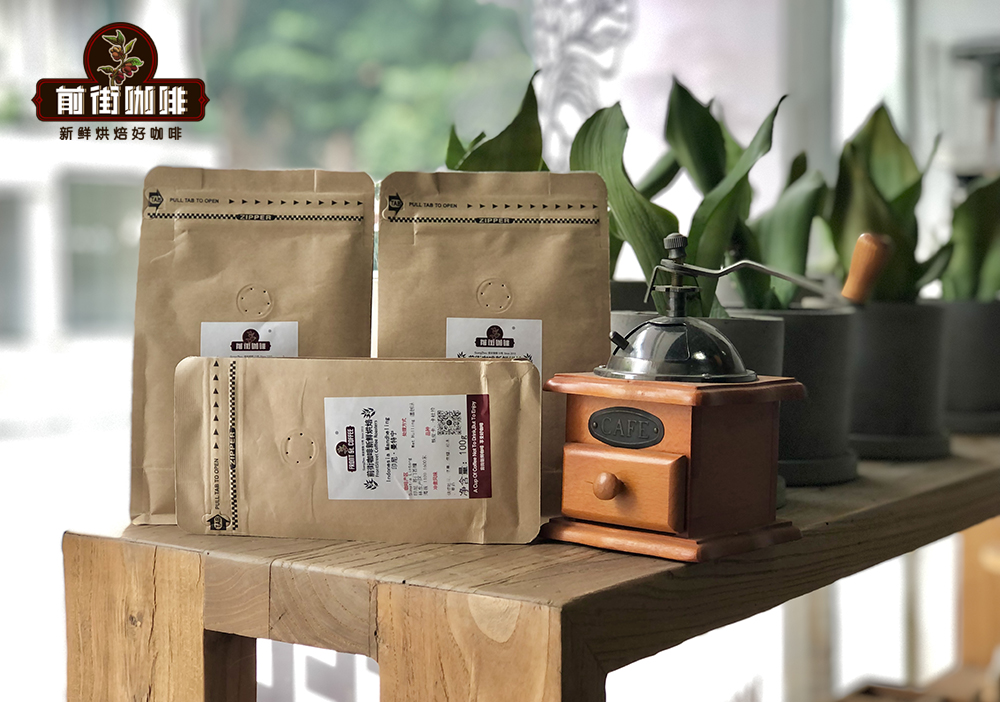
Next, Front Street Coffee will walk you through the details of several of our blend beans.
Front Street Coffee — Espresso Blend Solutions
Depending on the type of coffee, the blendedespresso beanswill also have different characteristics in taste and flavor.
1. Balanced-flavor espresso beans
Recipe: Guatemala (30%), Colombia (30%), Brazil (20%), Tanzania Kilimanjaro (10%).

This comprehensive blend is relatively balanced in acidity, bitterness, and aroma—neither too sour nor too full-bodied—making it suitable for friends new to Italian-style coffee. The strongly acidic Tanzania Kilimanjaro coffee beans, the richly fruity and smoky Guatemala coffee beans, the Colombia coffee beans with both acidity and full body, and the mildly bitter Brazil coffee beans—Front Street blends these coffee beans in proportion, ultimately forming a comprehensive blend with balanced taste and moderate strength.
2. Bitterness-dominant espresso beans
Recipe: Colombia (30%), Brazil (60%), Robusta (10%).

Considering the diversity of our audience, Front Street believes that to create a strongly flavored blend, one must choose richly flavored coffee beans. These include Colombia coffee beans with rich nutty and chocolate flavors, mildly bitter Brazil coffee beans, and Robusta coffee beans known for their full body and rich crema. The coffee beans blended this way have a relatively strong bitterness and are deeply loved by coffee enthusiasts.
3. Acidity-dominant espresso beans
Recipe: Tanzania Kilimanjaro (40%), Yirgacheffe Red Cherry (20%), Brazil (20%), Colombia (20%).
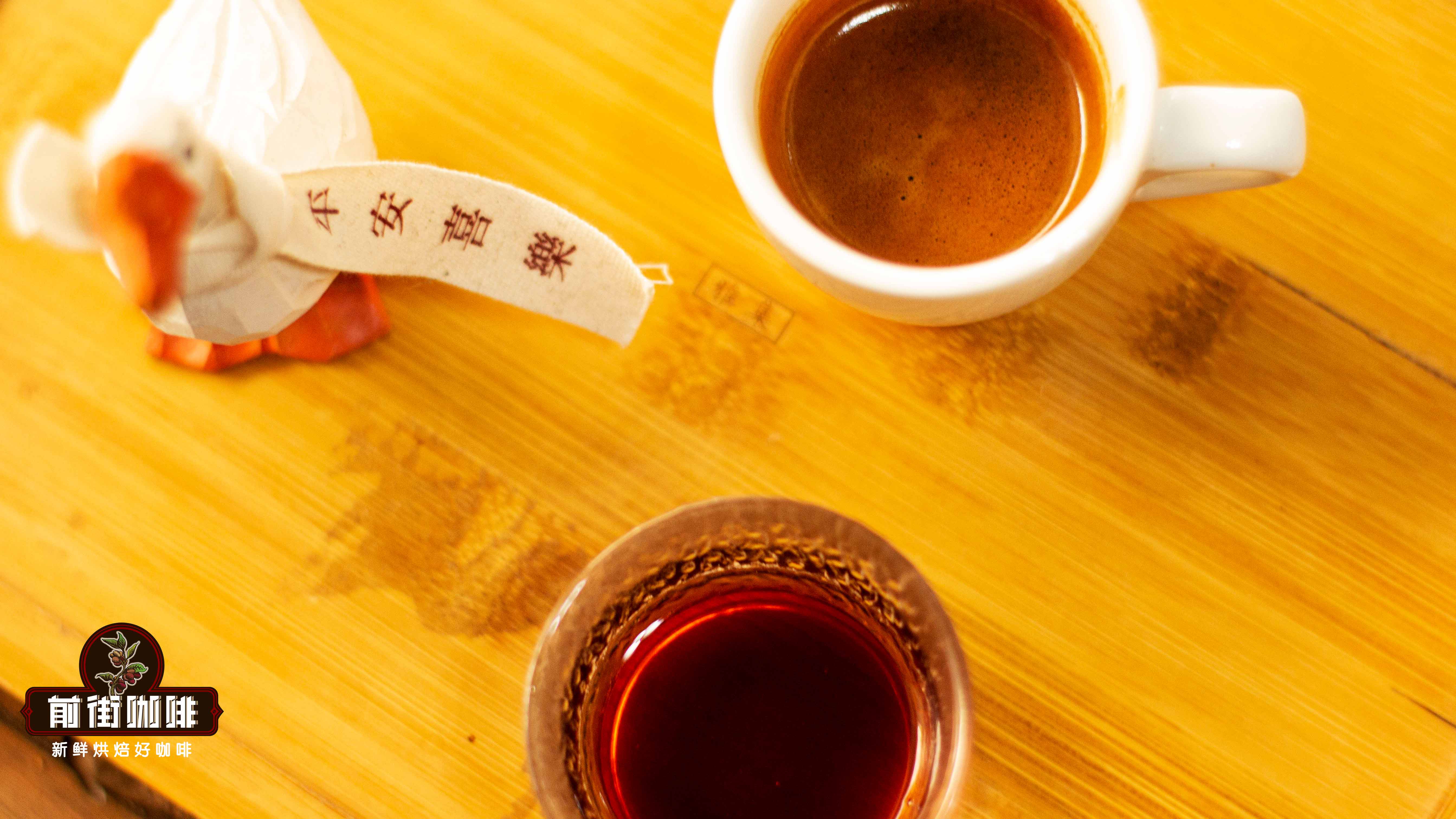
To make strongly acidic coffee beans, one must focus on coffee beans that represent acidity. Front Street selected two African coffees famous for their acidity—Tanzania coffee beans and Yirgacheffe coffee beans—and on this basis paired them with Brazil coffee beans and Colombia coffee beans, thus blending a comprehensive coffee with prominent acidity but not overly stimulating sourness.
4. Wine-aroma-dominant espresso beans
Recipe: Honduras Sherry (60%), Yirgacheffe Red Cherry (40%).

Front Street named this espresso beanSunflower Warm Sun. As the name suggests, the aroma of this espresso bean is as comforting as warm sunlight, and its taste and flavor are eye-catching. With the richly fermented wine-aroma Honduras Sherry coffee beans as the base, paired with the acidity-forward Yirgacheffe Red Cherry coffee beans, it blends into a comprehensive coffee with a rich, fragrant aroma.
5. Specialty espresso beans
Recipe: Brazil (70%), Colombia (30%).
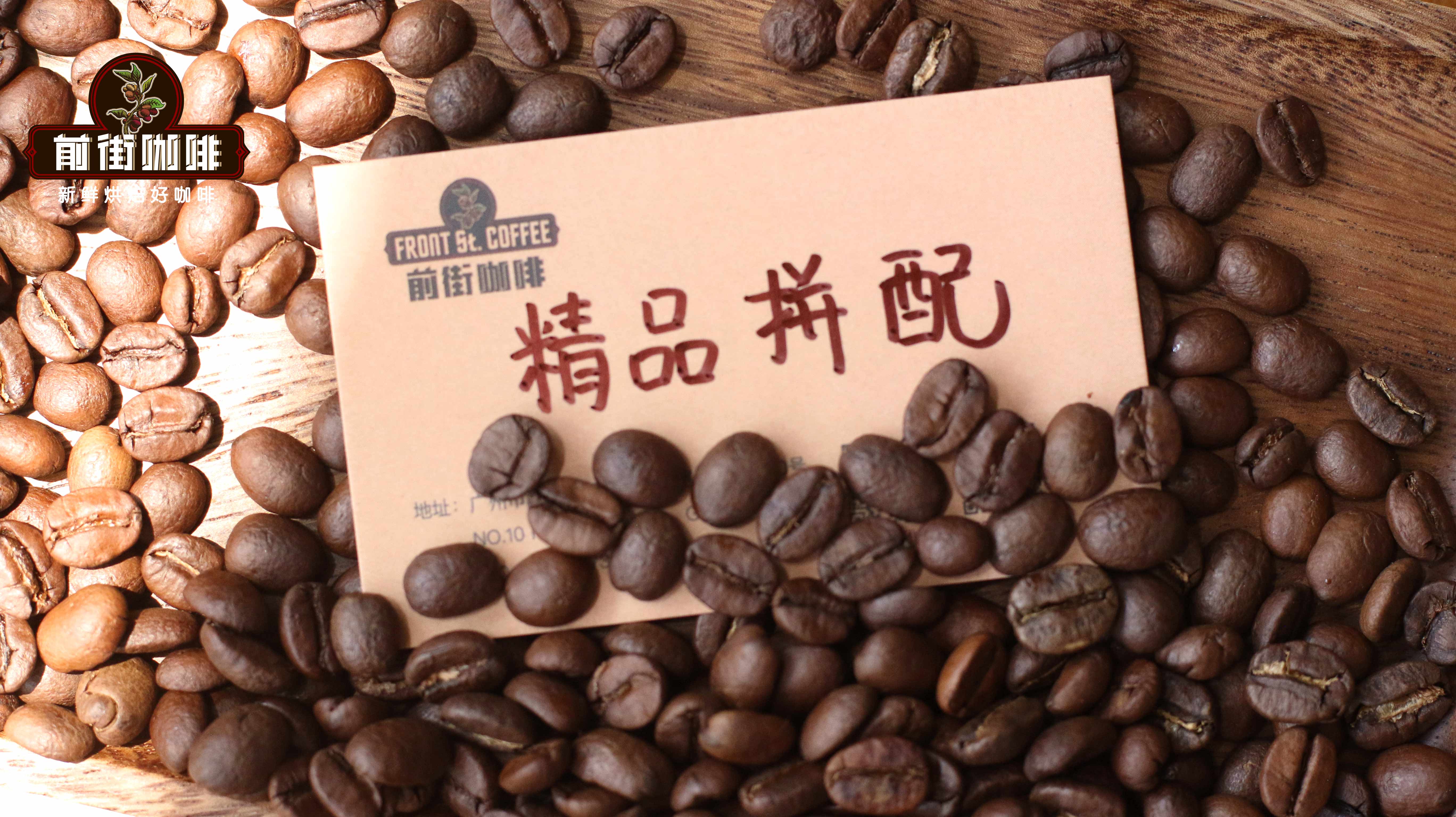
For people who don't like overly skewed flavors and don't care for single-origin coffee but pursue coffee quality, this specialty espresso bean should be the first choice. It uses medium-dark roasted coffee beans, with balanced-flavor Brazil coffee beans as the base, paired with Colombia coffee beans that have mild fruity acidity and a nutty sweet aftertaste—a classic and thought-provoking flavor.
6. Basic espresso beans
Recipe: Yunnan coffee beans (40%), Brazil (60%).

Front Street's Black Cocoa blend coffee beans offer the most mainstream taste and flavor at an extremely high cost-performance ratio. Whether you're new to coffee or a heavy coffee enthusiast, you can easily accept this espresso bean. It starts with balanced-flavor Brazil coffee beans, and on this basis is harmonized with Yunnan coffee beans, whose flavor and taste are weaker than Brazil's.
Extended reading — Common ways to drink espresso
Many enthusiasts want to know "how to drink a cup of espresso." Every time we hear this type of question, to solve it, it's better to first understand another question: "What are you drinking when you drink espresso?"

Under normal circumstances, Front Street Coffee serves espresso together with ice water. Before drinking the espresso, take a sip of the ice water to rinse your mouth and clean your palate so you can better experience the espresso. Then use the provided spoon to stir the espresso. The coffee liquid at the bottom of the espresso is thicker, while the surface part is thinner; stirring to mix evenly allows you to better taste the espresso. Of course, you can also skip stirring to experience different mouthfeels and layers. Drink it in about two to three sips, because during this time the coffee's taste is at its most perfect and the caffeine intake is also relatively small, allowing you to enjoy the deliciousness while looking after your health—but remember, it must be drunk quickly.
However, as a novice espresso coffee fan, you might want to try adding a tiny amount of sugar and a proportion of fresh milk not exceeding that of the coffee itself, stirring slightly, and drinking it in one go. This way of drinking lets you simultaneously taste the half-melted granulated sugar dissolving in your mouth, with a flavor going from bitter to sweet—it will absolutely make you fall in love with this cup of espresso. The fresh milk also neutralizes that intense taste, making it the most suitable way for beginner coffee fans to drink.
The above content is compiled by CoffeeHunters, a coffee news website.


