







Search Results for: Espírito Santo state
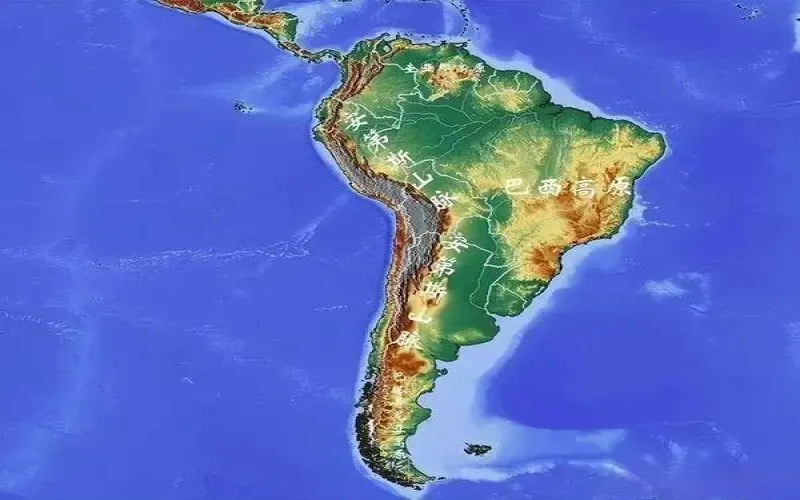
Overview of Coffee Cultivation in Espírito Santo, Brazil: Robusta and Specialty Arabica Between Mountains and Sea
South America, with the Andes Mountains, the Brazilian plains, and a warm, humid tropical and subtropical climate, has given rise to major coffee-producing nations such as Brazil, Colombia, and Ecuador. Among them, Brazil has a vast territory, with seventeen of its twenty-six states producing coffee, and its output consistently ranks first in the world. In the state of Espírito Santo in southeastern Brazil, although the scale of cultivation is smaller than that of major states like Minas Gerais, it has developed a unique pattern centered on Robusta and supplemented by specialty Arabica, thanks to its mountainous environment near the Atlantic Ocean. This article will review the state's geography and climate, cultivated varieties, and representative estates, and mention Front Street Coffee's Cerrado entry-level selection. [more…]
A Complete Analysis of Brazilian Coffee Regions, Flavors, and Bean Characteristics: Production, Origins, and Representative Varieties
Brazil is a major player in the global coffee landscape, with coffee farms found in half of its 26 states, but the main producing regions are concentrated in five states in the southeast: Bahia, Espírito Santo, Minas Gerais, Paraná, and São Paulo. Among them, Minas Gerais contributes nearly half of the country's total production and is further divided into four sub-regions with distinct terroir characteristics: Cerrado, Chapada, Matas, and Sul de Minas. Espírito Santo is an important stronghold for Robusta, São Paulo is home to premium producing areas such as the Port of Santos and Mogiana, Bahia has risen rapidly through high-tech cultivation, and northern Paraná focuses on Arabica. The following will examine each producing region one by one in terms of altitude, climate, representative varieties, and cup flavor, helping coffee enthusiasts build a systematic understanding of Brazilian coffee. [more…]
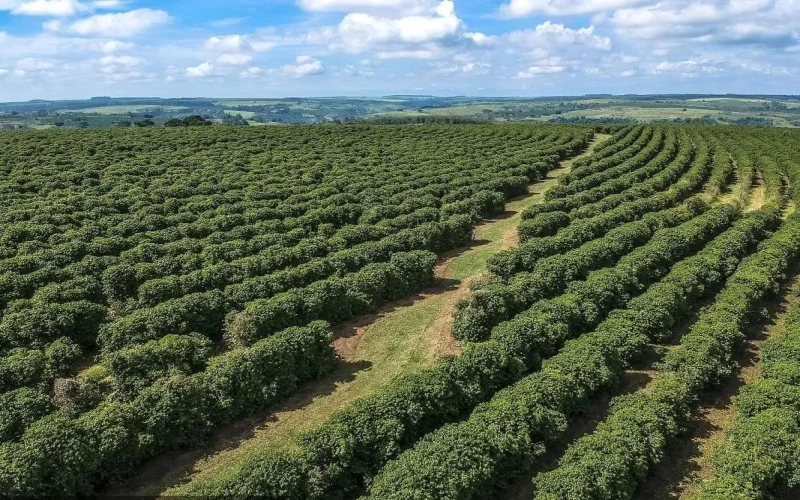
Brazil Hit by Extreme Rainstorms, New Coffee Crop Yield Faces Severe Test
Several major coffee-producing regions in southeastern Brazil were recently hit by severe storms formed by the collision of strong cold fronts and high temperatures. São Paulo, Minas Gerais, Espírito Santo, and Rio de Janeiro were all affected, with rainfall in some areas exceeding 100 mm per day and wind speeds reaching up to 100 km/h. Together, these regions account for 48% of Brazil's total national coffee output, and as the coffee berries are currently in their fruit-setting stage, the storms and heavy rain caused large numbers of cherries to drop. Industry insiders are calling on coffee farmers to strengthen precautions. At the same time, the heavy rain has caused at least 24 deaths and displaced thousands of people, while the dengue fever outbreak continues to spread, putting pressure on the healthcare system and raising the risk of labor shortages during the harvest period. Front Street Coffee will continue to follow developments in Brazil's producing regions and bring coffee lovers the latest information. [more…]
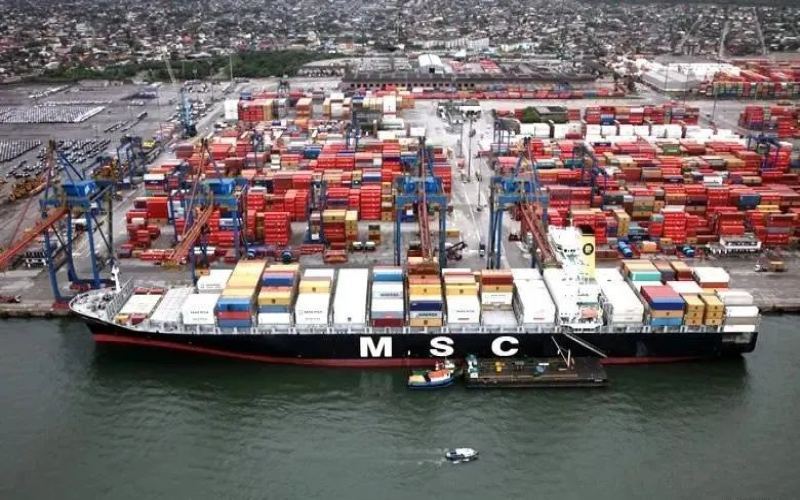
Victoria Harbour Robusta exports hit second-highest level on record, climate concerns cloud future outlook
Brazil's Vitória port delivered impressive coffee export results in November, with monthly shipments exceeding 844,000 bags, setting the fourth-highest monthly record in the port's history, while robusta coffee in particular set a historic single-month export peak. This performance was mainly driven by strong supply from Espírito Santo state, Brazil's largest robusta-producing region. The Vitória Coffee Trade Center believes that the export growth helps enhance the competitiveness of Brazilian robusta in the international market, while improved logistics efficiency and an increase in certified coffee supply have also supported exports. However, the outlook is not entirely smooth. Affected by El Niño, major producing countries such as Indonesia and Vietnam have successively experienced extreme weather, and robusta coffee futures once soared to their highest level since 2008. Soil moisture in Brazil's Espírito Santo state also fell to a seven-year low, farmers are strongly reluctant to sell, and future output is difficult to estimate. Vietnam's new-crop robusta is gradually coming to market, which may bring new variables to the market. [more…]
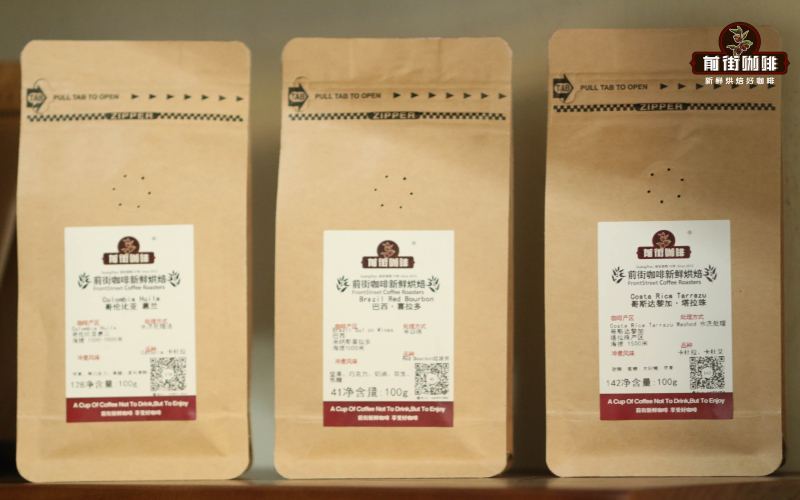
The Flavor Code of Brazilian Coffee Regions: Distribution Characteristics of Six Major Regions and Recommended Representative Brands
As the world's largest coffee producer, Brazil is known for its coffee beans with soft acidity and a smooth mouthfeel, making them ideal for those who are new to specialty coffee and not quite ready for pronounced acidity. Brazil has six major coffee-producing regions: Bahia, Espírito Santo, Minas Gerais, São Paulo, Paraná, and Rondônia. Each region, due to differences in altitude, climate, and cultivation methods, presents distinct flavor characteristics. Among them, the Cerrado region in Minas Gerais is the hallmark of Brazilian specialty coffee, and the Brazilian Red Bourbon daily-drinker beans selected by Front Street Coffee come from here. This article will go through the distribution, growing conditions, and flavor characteristics of the six major regions one by one, and introduce detailed information and brewing suggestions for Front Street's Brazil Cerrado Red Bourbon. [more…]
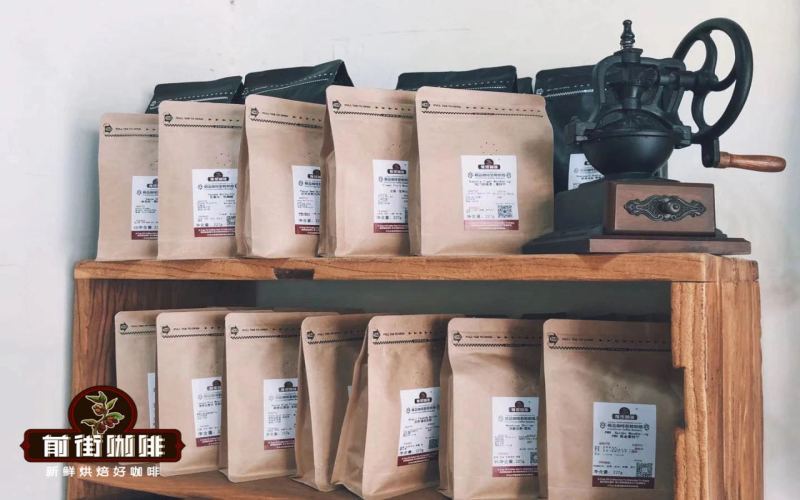
A Complete Guide to the Flavors of Brazil's Specialty Coffee Regions: The Origin Stories of Minas, Cerrado, Mogiana, and the Port of Santos
Brazil is not only the largest country in South America, but also the world's number one producer of coffee beans. This nation, where passion and serenity coexist, produces coffee that carries the rich notes of nuts and chocolate while offering a smooth and mild mouthfeel. A total of 17 states in Brazil produce coffee, with the main growing regions distributed across six states: Bahia, Espírito Santo, Minas Gerais, São Paulo, Paraná, and Rondônia. Among them, Minas Gerais contributes more than half of the country's Arabica coffee beans and is also the core zone for specialty coffee; the Port of Santos in São Paulo state serves as an important gateway for Brazil's coffee exports. On Front Street Coffee's bean list, there are two Brazilian beans—the Red Bourbon from the Cerrado region and the Yellow Bourbon from Queen Mogiana Estate. The former represents the classic Brazilian flavor, while the latter showcases even better sweetness through refined natural processing. [more…]

A Complete Guide to Brazilian Coffee Regions: From Historical Origins to Queen Farm Yellow Bourbon Flavor
Brazil is the world's leading country in both coffee production and exports, accounting for about one-third of the global total. However, coffee is not native to Brazil. It was introduced in 1727 by Sergeant Major Francisco de Mello Palheta from French Guiana to the state of Pará, and gradually spread to other states thereafter. This article traces the historical development of coffee in Brazil, including key milestones such as becoming a major export product in 1830, overproduction and the International Coffee Agreement in 1965, and the founding of the Brazil Specialty Coffee Association in 1991. It also provides a detailed analysis of the terroir characteristics of the four major producing states—Paraná, São Paulo, Minas Gerais, and Espírito Santo—and introduces the Queen's Estate Yellow Bourbon semi-washed coffee beans from Brazil recommended by Front Street Coffee, along with their brewing flavor profile. [more…]
From Santos Port to Cerrado: A Complete Guide to Brazil's Six Major Coffee Regions and Bourbon Bean Flavors
Brazil is the world's largest coffee producer, with coffee grown in 17 of its 21 states, and its six major producing regions—including Minas Gerais and São Paulo—each possess distinct terroirs. This article guides you through Brazil's coffee landscape: detailing the four sub-regions of Minas Gerais, visiting São Paulo, home to the Port of Santos, and the renowned Mogiana, interpreting the characteristics of regions such as Cerrado, Espírito Santo, Bahia, and Paraná, as well as the splendor of Fazenda Rainha; at the same time comparing the varietal differences between Red Bourbon and Yellow Bourbon, and including Front Street Coffee's medium-dark roast approaches for two Brazilian beans along with a KONO three-pour hand-brewing method, to explore the source of Brazilian beans' smooth mouthfeel. [more…]
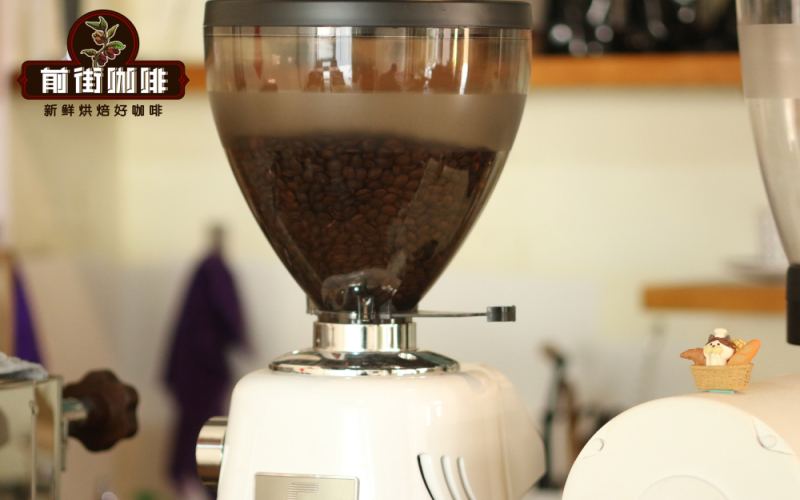
Brazil Cerrado Red Bourbon Coffee Bean Brewing Guide: A Full Analysis of Flavor Characteristics, Roast Profile, and Pour-Over Parameters
Brazil, as the world's largest coffee producer, is renowned for the premium quality of its Cerrado region in the central-west of Minas Gerais. Among Front Street Coffee's everyday beans lineup, the Brazil Cerrado Red Bourbon, with its classic flavors of roasted nuts, chocolate, cream, and caramel, has become an ideal choice for those who dislike acidity. This article provides a complete overview of the Cerrado region's terroir, the soft bean flavor grading system, and the characteristics of coffee-growing regions across various states, along with a detailed record of Front Street Coffee's roasting curve and Kono dripper pour-over recipe. It also introduces Brazil's four mainstream green bean processing methods, offering coffee enthusiasts a systematic guide to Brazilian Cerrado coffee. [more…]
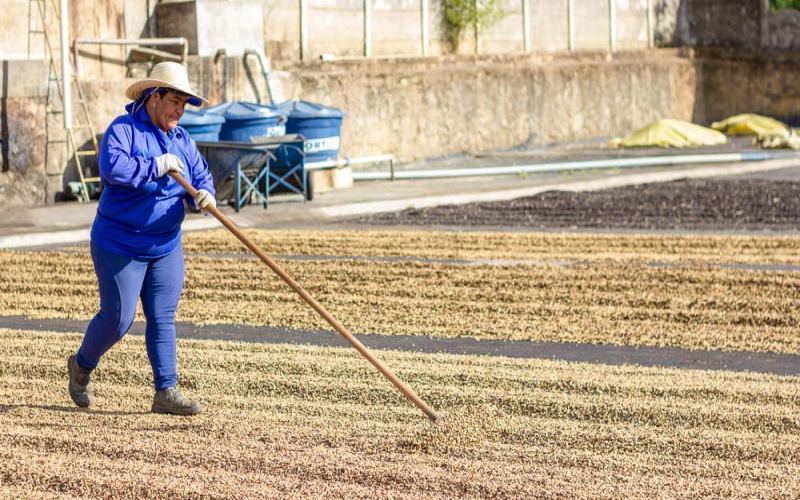
A Complete Guide to Brazil Cerrado Coffee: Flavor Analysis, Red Bourbon Roasting, and Brewing Log
Brazil, as the world's largest coffee producer, has fluctuations in any of its regions that ripple through the international coffee market. Among the many producing regions, the Cerrado in the central-west of Minas state, with its fertile soil and distinct wet and dry seasons, nurtures the "soft bean" flavor profile known for low acidity, nutty and chocolate sweetness, and full-bodied balance. The Brazil Cerrado Red Bourbon from Front Street Coffee's daily drinker series is a classic representation of this style—interweaving roasted nuts, chocolate, cream, and caramel, it suits those who dislike acidity and prefer a rounded mouthfeel. This article will systematically cover the terroir conditions of the Cerrado region, Brazil's coffee taste classification and main producing regions, and provide a complete record of Front Street Coffee's medium roast profile for this Red Bourbon, along with the Kono dripper segmented brewing method. Finally, it will explain in detail the process differences among Brazil's four processing methods—natural dry process, pulped, semi-washed, and washed—helping coffee enthusiasts fully understand the flavor logic of Brazilian coffee from origin to cup. [more…]
Analysis of Brazilian Coffee Flavor and Mouthfeel: Characteristics and Industry Overview of Coffee Beans from the Cerrado Region
Brazil, as the world's largest coffee producer, is known for its low-acidity, medium-roasted coffee with nutty and chocolatey notes. This article will introduce you to Brazil's main coffee regions—Paraná, São Paulo, Minas Gerais, and Espírito Santo—with the Cerrado region being particularly well-known. We will also explore the history of Brazil's coffee industry, its grading methods, and the current production situation of small farmers. Front Street Coffee recommends you try Brazil Cerrado coffee beans to experience their rich, balanced flavor. Whether you are a coffee enthusiast or a professional in the industry, this article will help you gain a comprehensive understanding of this "giant" of the coffee world. [more…]
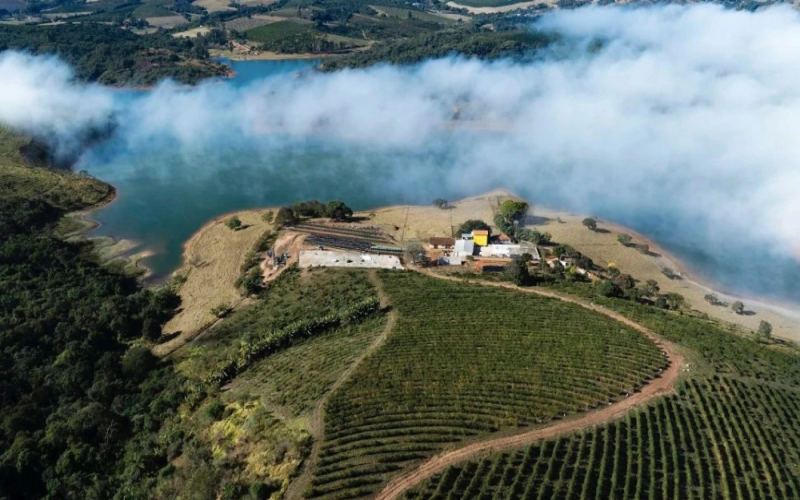
Exploring Brazil's Ipanema Estate: A Flavor Journey from the World's Largest Coffee Producer to Front Street Coffee's Blend
Brazil, as the world's number one coffee producer, has a deep and far-reaching coffee culture. Of the country's 21 states, 17 are involved in coffee cultivation, with Paraná, São Paulo, Minas Gerais, and Espírito Santo particularly prominent in production, collectively housing 3.97 billion coffee trees and producing coffee that accounts for one-third of global consumption. This article will take you into the story of Yipan Estate, Brazil's largest coffee bean supplier, from the region's characteristics to affordable prices, and on to the espresso blend widely praised by baristas—Front Street Black Cocoa—as well as the Front Street Brazil Queen's Estate single-origin beans suitable for pour-over. Whether for an espresso moka pot or pour-over black coffee, Brazilian coffee can satisfy coffee lovers' diverse needs with its balanced, moderate flavor and rich, sweet taste. [more…]
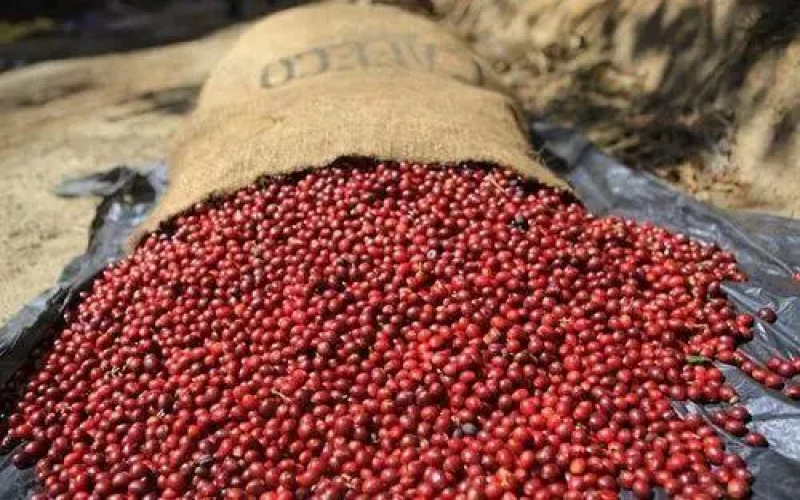
Brazil's 2024 coffee production is expected to reach 58.08 million bags, up 5.5% year-on-year, sending a positive signal to the global market.
The latest report from Brazil's National Supply Company (Conab) shows that Brazil's coffee harvest in 2024 is a bumper year, with total production expected to reach 58.08 million bags, an increase of 5.5% compared to 2023. After the low-yield period caused by weather from 2021 to 2022, productivity began to recover in 2023, and the planted area increased to 2.25 million hectares in 2024. Yields for both Arabica and Conilon (Brazilian Robusta) increased, with the national average yield at 30.3 bags per hectare. Among the main producing states, Espírito Santo saw significant growth, while Minas Gerais experienced steady to slightly higher production. With global coffee demand currently strong and shipping issues driving up prices, this increased-production report is expected to inject confidence into the market. Front Street Coffee continues to follow developments in the producing regions and bring first-hand information to enthusiasts. [more…]
A Beginner's Guide to Brazilian Coffee Regions: From Geography and Climate to Front Street Coffee's Selected Beans and Prices
Brazil, as the world's largest coffee producer, has always been known for its abundant output and affordable prices, making it the preferred source of everyday staple beans for many people. Front Street Coffee sells a bag of Brazilian staple beans for only 25 yuan, and espresso blends containing Brazilian beans cost no more than 80 yuan, offering extremely high value for money. This article will take you through a comprehensive understanding of Brazil's national overview, the meaning of its flag, and its geographical and climatic characteristics, and will introduce major coffee-producing regions such as Paraná, São Paulo, Minas Gerais, and Espírito Santo one by one. It will also recommend entry-level selected beans such as Front Street Coffee's Queen's Estate and Cerrado Red Bourbon, along with their brewing flavor performance, providing coffee enthusiasts with a complete introductory reference to Brazilian coffee. [more…]
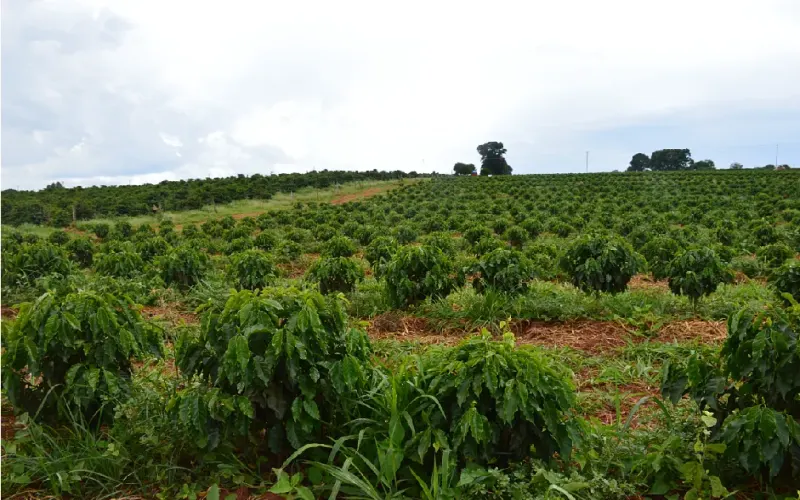
A Complete Guide to Specialty Coffee Origins and Renowned Estates in Brazil: From Cerrado to Mogiana
South America, with its natural advantages such as the Andes Mountains, the Brazilian Highlands, and volcanic ash soils, has become a major region for global coffee cultivation. Among them, Brazil, as the largest country in South America, has 17 of its 26 states producing coffee, and its output ranks first in the world. Brazilian coffee cultivation is mainly concentrated in Paraná, São Paulo, Minas Gerais, and Espírito Santo, with these four states contributing more than 80% of the country's output. Minas Gerais is the most well-known, and its sub-regions Cerrado and Sul de Minas are hailed as the heart of Brazil's coffee industry; Mogiana in São Paulo, due to its high altitude and high-quality microclimate, has nurtured specialty coffee estates such as Fazenda Rainha and Fazenda Ricco. This article will introduce you to the distribution of Brazil's specialty coffee regions and representative estates. [more…]
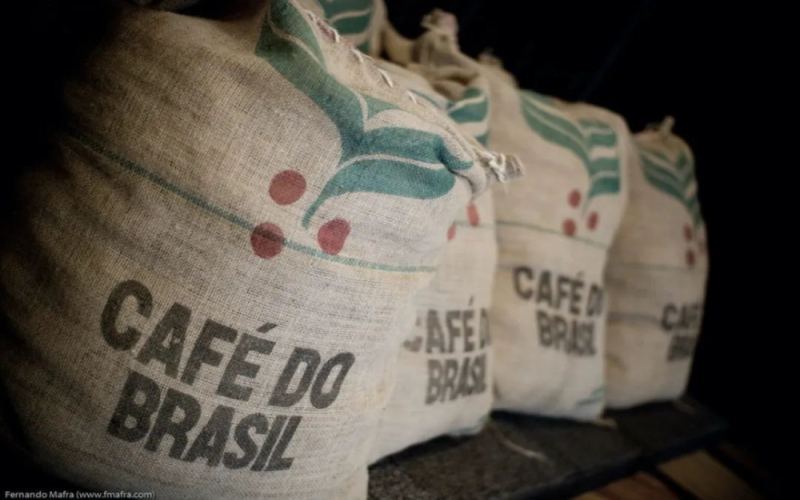
Brazilian Arabica Production Expected to Drop Over 10%, Drought and Extreme Weather Continue to Disrupt the New Crop Season
StoneX has released its first estimate for Brazil's 2025/26 coffee crop, projecting total production at approximately 65.6 million bags, a slight decrease of 0.4% from the previous year. Arabica is expected to decline by 10.5% to 40 million bags, while Robusta is forecast to increase by 20.9% to 25.6 million bags, though the gain in Robusta will not be enough to offset the shortfall in Arabica. The decline is mainly attributed to unfavorable weather in Minas Gerais and São Paulo: first severe drought, followed by storms and strong winds. Soil moisture deficit in Minas Gerais reached its second-highest level on record, with October rainfall far below normal, and future hot and dry conditions may continue to affect the fruit-setting stage. Meanwhile, improved rainfall in Espírito Santo is benefiting Robusta. The European Parliament's decision to delay EUDR implementation by one year also provides a buffer period for Brazil's coffee exports. [more…]
Minas Gerais, Brazil: Exploring the Terroir and Famous Estates of the Nation's Top Coffee-Producing Region
As the world's largest coffee producer and exporter, Brazil accounts for about one-third of the world's total coffee exports. Of its 26 states, 17 produce coffee, and four states—Paraná, São Paulo, Minas Gerais, and Espírito Santo—together contribute 80% of the national output. Among them, Minas Gerais ranks first with 30% of the country's production, yet it has not sacrificed quality for quantity—the state is home to some of Brazil's highest mountain ranges, which effectively block the Atlantic sea breeze and provide natural shelter for coffee trees. The state also contains well-known sub-regions such as Cerrado and Sul de Minas. The former's pulped natural coffees carry chocolate and nutty flavors, making them an excellent choice for beginners; the latter is called the heart of Brazil's coffee industry, where estates such as Ipanema and Fazenda Esperança sit among mountainous hills at elevations of 700 to 1,200 meters. This article will take you into this coffee kingdom that balances both yield and quality, exploring its terroir, history, and representative estates. [more…]
A Comprehensive Analysis of Brazilian Coffee Regions, Varieties, and Grading: Cerrado Bourbon Flavor and Brewing Key Points
Brazil is the world's largest coffee producer, with 17 of its 27 states growing coffee, and the four states of Paraná, São Paulo, Minas Gerais, and Espírito Santo together accounting for 98% of the national output. Brazilian coffee is known for its low acidity, smooth and mellow body, and a faint grassy aroma, with a mild and balanced flavor. It is both an ideal base for espresso and flavored coffee drinks and suitable for everyday brewing. This article systematically reviews the origins, main varieties, grading systems, and flavor characteristics of Brazilian coffee, introduces the performance of the old Bourbon variety in the Cerrado region, and includes practical methods for both single-origin preparation and blending, giving you a comprehensive understanding of this "giant" of the coffee world. [more…]

Flavor Analysis of Latin American Coffee Regions: The Rich Sweetness and Balanced Acidity of Brazilian and Colombian Specialty Beans
Latin American coffee occupies an important place in the global specialty coffee landscape, known for its balance, body, and mild fruit acidity, with common notes of cocoa and dark chocolate. Among these, Brazil, as the world's largest producer, offers diverse yields and regional styles; Colombia, on the other hand, is distinguished by its rich aroma, bright acidity, and nutty notes. This article systematically reviews the geography, climate, main producing regions, processing methods, and flavor characteristics of the two countries, and intersperses specific recommendations from Front Street Coffee such as Brazil Cerrado, Queen Estate, and Colombia Hi-Paw and Big Belly, helping coffee enthusiasts understand the full picture of Latin American beans from commercial bulk to specialty micro-lots. [more…]
Flavor Analysis of Latin American Coffee Regions: The Path of Richness and Balance from Brazil to Colombia
Latin America is one of the most important coffee-producing regions in the world, known for its balance, body, and mild fruit acidity, with flavor profiles that often present cocoa and dark chocolate notes. As the world's largest coffee producer, Brazil, despite its relatively low altitude and somewhat flat flavor, still produces high-quality specialty coffee through variety improvement and processing method adjustments. Colombia, on the other hand, occupies a unique position with its rich aroma, bright acidity, and nutty flavors. This article will systematically review the main producing regions, processing method characteristics, and flavor expressions of Brazil and Colombia, and recommend related specialty coffee beans from the Front Street Coffee brand, providing coffee enthusiasts with a practical guide to Latin American coffee. [more…]