







Search Results for: Conilon
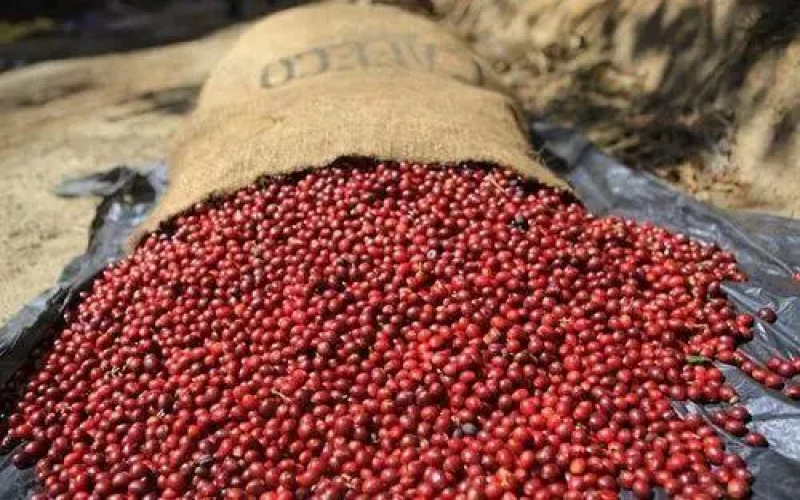
Brazil's 2024 coffee production is expected to reach 58.08 million bags, up 5.5% year-on-year, sending a positive signal to the global market.
The latest report from Brazil's National Supply Company (Conab) shows that Brazil's coffee harvest in 2024 is a bumper year, with total production expected to reach 58.08 million bags, an increase of 5.5% compared to 2023. After the low-yield period caused by weather from 2021 to 2022, productivity began to recover in 2023, and the planted area increased to 2.25 million hectares in 2024. Yields for both Arabica and Conilon (Brazilian Robusta) increased, with the national average yield at 30.3 bags per hectare. Among the main producing states, Espírito Santo saw significant growth, while Minas Gerais experienced steady to slightly higher production. With global coffee demand currently strong and shipping issues driving up prices, this increased-production report is expected to inject confidence into the market. Front Street Coffee continues to follow developments in the producing regions and bring first-hand information to enthusiasts. [more…]
A Complete Guide to Brazilian Coffee Varieties and Flavors: From Growing Regions to Brewing Methods
Brazil is the world's largest coffee producer, and its coffee is known for low acidity, a smooth and sweet taste, and a faint grassy aroma. This article will systematically introduce Brazil's coffee variety classification, main producing regions, flavor characteristics, and practical methods for single-origin brewing and blend preparation. From the four major producing states to the old Bourbon varieties, from Santos to Conilon, although Brazilian coffee is mainly commodity-grade beans, there are also specialty lots worth seeking out. Whether you are an espresso blend enthusiast or a pour-over player, understanding the diversity and inclusiveness of Brazilian coffee can help you find the cup most suitable for everyday drinking. Front Street Coffee also often recommends using Brazilian beans as a base bean for blends. [more…]
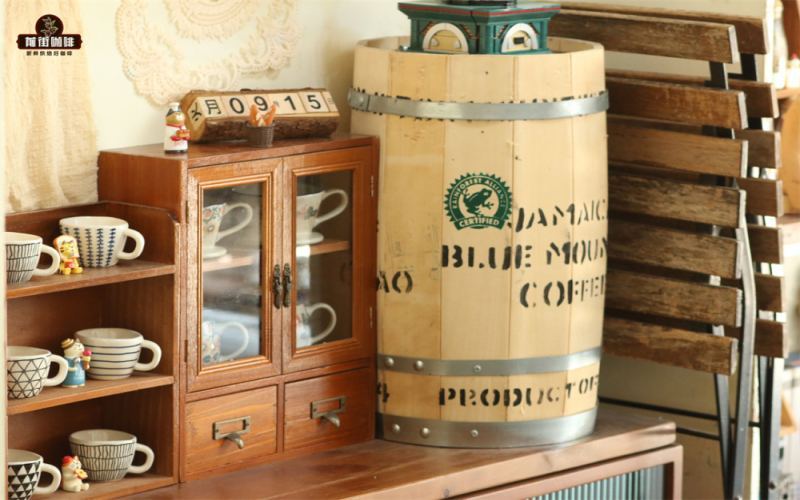
Complete Guide to Arabica Coffee: Origins, Variety Characteristics, and Processing Method Flavor Guide
Coffee belongs to the Rubiaceae family, with over a hundred known species, but commercial cultivation is dominated by three major types: Arabica, Robusta, and Liberica. Among them, Arabica, with its outstanding aroma and flavor, accounts for over seventy percent of global production and is the core raw material for single-origin and specialty coffee. This article will systematically review the varietal characteristics, advantages and disadvantages, and sub-varieties of Arabica, and introduce one by one the cultivated varieties, processing methods, grading standards, and flavor profiles of representative producing countries such as Brazil, Colombia, Panama, Guatemala, Costa Rica, Jamaica, Ethiopia, Kenya, and Indonesia. It will also incorporate Front Street Coffee's sourcing experience and recommendations to help coffee enthusiasts build a complete framework for understanding origins. [more…]
Why Are Arabica Coffee Bean Prices Staying So High? A Full Analysis of Specialty Bean Flavors and Grading Across Origins
Why are Arabica coffee beans priced higher? This article approaches the topic from plant taxonomy, analyzing the differences among the three major cultivated species—Arabica, Robusta, and Liberica—explaining why Arabica has superior flavor but weak disease resistance and is suited to high-altitude cultivation, and introducing one by one the varieties grown, processing methods, and grading standards of well-known origins such as Brazil, Colombia, Panama, Guatemala, Costa Rica, Jamaica, Ethiopia, Kenya, and Indonesia. At the same time, combined with Front Street Coffee's stores and bean list recommendations, it helps coffee enthusiasts understand the pricing logic of Arabica and how to choose. [more…]
A Comprehensive Analysis of Coffee Bean Varieties: Arabica Variety Classification and Representative Beans from Major Global Origins
Coffee, as a plant of the Rubiaceae family, has over a hundred known species, but only three cultivated varieties are actually used for drinking: Arabica, Robusta, and Liberica. Among them, Arabica occupies about seventy percent of global production with its exceptional flavor and aroma, making it the top choice for single-origin and specialty coffee. From Ethiopia's native Typica and Bourbon to the Geisha that has swept the market today, Arabica subspecies are rich and diverse, each with its own characteristics. At the same time, origins such as Brazil, Colombia, Panama, Guatemala, Costa Rica, Jamaica, Ethiopia, Kenya, and Indonesia, by virtue of their unique terroir and processing methods, shape distinctly different coffee flavors. Front Street Coffee offers more than 50 different regional coffee beans in its stores, meeting diverse taste needs. This article will systematically sort out coffee variety classification, the advantages and disadvantages of Arabica, and representative global origins, taking you to gain a deeper understanding of the rich landscape of the coffee world. [more…]
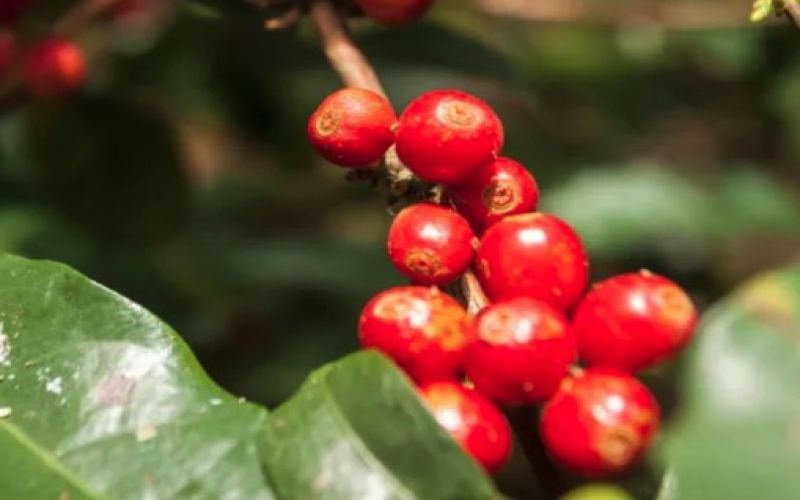
"Eugenioides" coffee Varieties will become the next Geisha?
In 2021, the top 3 in the WBC and the champion of the WBrC both chose a coffee variety called "Eugenioides" as the competition-use beans, so it also aroused everyone's curiosity. Qianjie will come to share its story. Coffee parent varieties Arabica a [more…]
A Complete Analysis of Brazilian Coffee Regions, Flavors, and Bean Characteristics: Production, Origins, and Representative Varieties
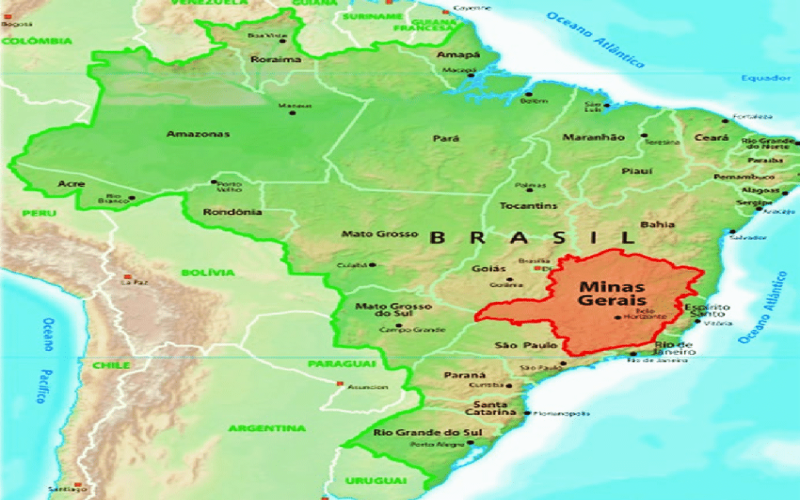
Brazil is a major player in the global coffee landscape, with coffee farms found in half of its 26 states, but the main producing regions are concentrated in five states in the southeast: Bahia, Espírito Santo, Minas Gerais, Paraná, and São Paulo. Among them, Minas Gerais contributes nearly half of the country's total production and is further divided into four sub-regions with distinct terroir characteristics: Cerrado, Chapada, Matas, and Sul de Minas. Espírito Santo is an important stronghold for Robusta, São Paulo is home to premium producing areas such as the Port of Santos and Mogiana, Bahia has risen rapidly through high-tech cultivation, and northern Paraná focuses on Arabica. The following will examine each producing region one by one in terms of altitude, climate, representative varieties, and cup flavor, helping coffee enthusiasts build a systematic understanding of Brazilian coffee. [more…]
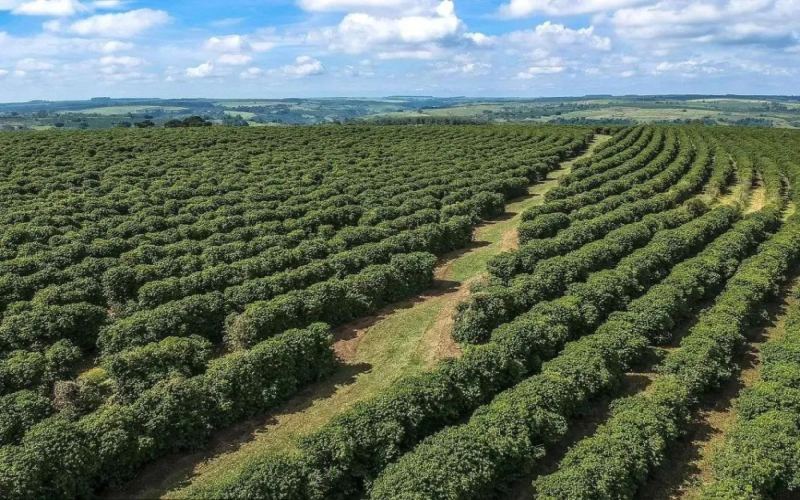
Queen Farm Yellow Bourbon from the Mogiana Region of São Paulo: Tracing and Tasting Brazilian Specialty Coffee
Brazil, as the center of gravity in the global coffee landscape, ranks first in both production and export volume. This article focuses on the high-altitude sub-region of the Mogiana region in São Paulo State, providing an in-depth analysis of the Yellow Bourbon coffee beans produced by Queen's Farm. The content covers Brazil's overall growing environment, soil and climate advantages, compares the differences between Bourbon and Typica heirloom varieties, and explains the low-yield and high-sweetness characteristics of Yellow Bourbon as a locally unique mutation. It also introduces how Brazil's original pulped natural processing method balances sweetness and body. Finally, it presents the specific parameters and brewed flavor performance of this bean from Front Street Coffee, offering enthusiasts a complete understanding from origin to cup. [more…]
A Comprehensive Analysis of the Characteristics and Flavor Differences of Arabica, Robusta, and Liberica Coffee Tree Varieties
The world of coffee is diverse and colorful, but what truly determines the flavor direction in the cup starts first with the variety of the coffee tree. The two main varieties, Arabica and Robusta, account for almost all of the world's coffee production, while secondary varieties such as Liberica, though uncommon, each have their own characteristics. This article will systematically sort out the core differences among these coffee trees in terms of origin, growing conditions, bean shape, caffeine content, processing methods, and flavor performance, while also explaining the impact of pests, diseases, and natural disasters on coffee cultivation. Whether you are a beginner enthusiast or a seasoned player looking to refine your tasting knowledge, you will find key information worth noting. [more…]
Characteristics of Brazilian Coffee Beans | Which origin does Brazilian specialty coffee come from? What coffee varieties are grown in Brazil? How to brew Brazil Queen Estate Yellow Bourbon?
When it comes to which country produces the most coffee, Front Street Coffee believes it must be Brazil. Its annual total output is about 2.7 million metric tons, accounting for one third of the world's total coffee bean production. But did you know? In fact, Brazil's geographical environment is not really suitable for coffee cultivation. After consulting the materials, Front Street Coffee found that Brazil's terrain is monotonous, and its climate [more…]
The Flavor Code of Brazilian Coffee Regions: Distribution Characteristics of Six Major Regions and Recommended Representative Brands
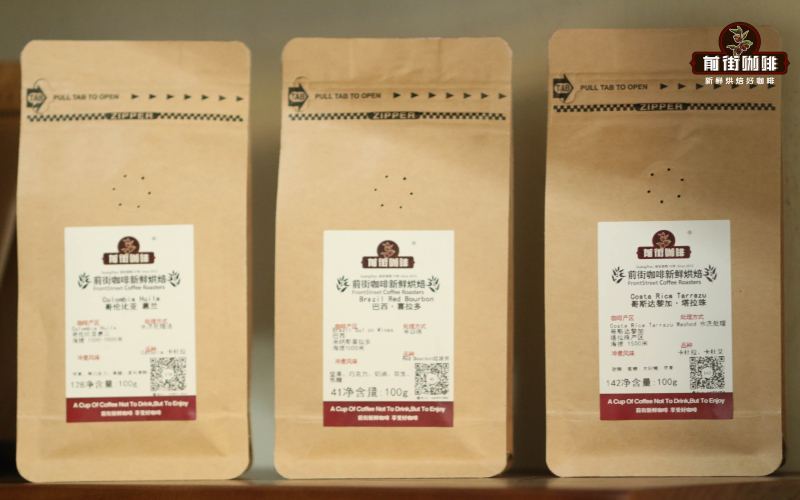
As the world's largest coffee producer, Brazil is known for its coffee beans with soft acidity and a smooth mouthfeel, making them ideal for those who are new to specialty coffee and not quite ready for pronounced acidity. Brazil has six major coffee-producing regions: Bahia, Espírito Santo, Minas Gerais, São Paulo, Paraná, and Rondônia. Each region, due to differences in altitude, climate, and cultivation methods, presents distinct flavor characteristics. Among them, the Cerrado region in Minas Gerais is the hallmark of Brazilian specialty coffee, and the Brazilian Red Bourbon daily-drinker beans selected by Front Street Coffee come from here. This article will go through the distribution, growing conditions, and flavor characteristics of the six major regions one by one, and introduce detailed information and brewing suggestions for Front Street's Brazil Cerrado Red Bourbon. [more…]
An Analysis of Coffee Quality in Brazil's Cerrado Region: From Queen Farm's Yellow Bourbon to the Road to COE Specialty Coffee
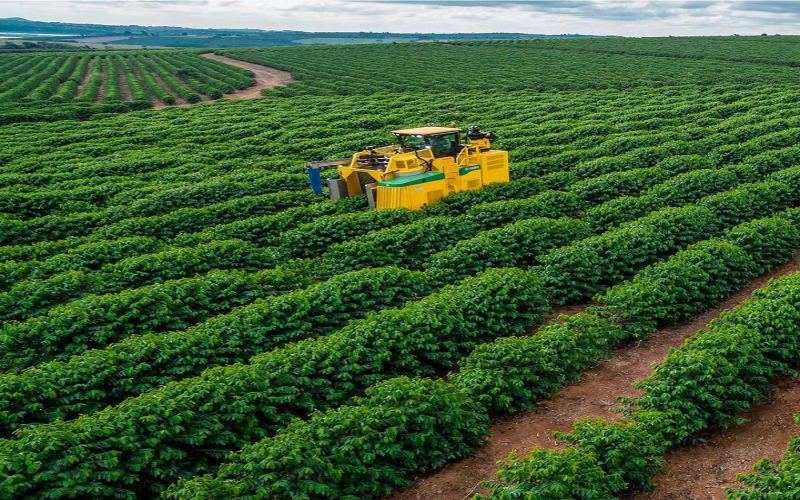
Brazil is the world's largest coffee producer, with an annual output of about 2.7 million metric tons, accounting for one-third of the global total. Although its natural conditions are not ideal for coffee cultivation, Brazil has achieved a remarkable turnaround in its coffee industry through variety improvement and soil modification. Among its many producing regions, the Cerrado region stands out, with its coffee mostly featuring nutty and chocolate flavors, low acidity, and a smooth mouthfeel. Front Street Coffee's Brazil Bourbon coffee beans come from Cerrado, and the Yellow Bourbon from Queen's Farm is an even more outstanding specialty representative. This article will guide you through the terroir characteristics of the Cerrado region, the history of soil improvement in the Minas region, and how Front Street uses the Kono dripper and 88°C water temperature to bring out the rich, mellow charm of Brazilian coffee. [more…]
Brazil Cerrado Coffee Flavor Analysis and Pour-Over Parameters: From Bean Varieties to Kono Dripper Extraction Techniques
Brazil, as the world's largest coffee producer, has its Cerrado region, with its unique tropical savanna climate and plateau terrain, giving rise to high-quality coffee with a balanced flavor and prominent nutty and chocolate notes. From the perspective of Front Street Coffee, this article systematically reviews the distribution of Brazil's main producing regions and the evolution of its coffee varieties, with a focus on analyzing the flavor characteristics of Cerrado and the Yellow Bourbon of Queen Mogiana Estate. At the same time, drawing on the daily brewing experience of Front Street stores, it shares in detail key parameters such as water temperature, coffee-to-water ratio, and grind size for brewing Brazilian coffee with a Kono dripper, helping enthusiasts recreate a rich and smooth Brazilian pour-over at home. [more…]
Analysis of Brazilian Coffee Bean Varieties and Flavors: Production Region History, Cultivation Stories, and Global Production Status
Brazil is the country with the largest coffee cultivation scale and production volume in the world, supplying nearly 45% of the world's green coffee beans. This article provides a comprehensive overview of the industrial landscape of this major South American coffee country, from the distribution of coffee-producing regions in Brazil, its legendary cultivation history, and the characteristics of its main varieties to its flavor and taste profile. The article also introduces the Brazilian Cerrado Red Bourbon and Queen's Estate Yellow Bourbon selected by Front Street Coffee, along with detailed pour-over parameters and brewing flavor descriptions, making it suitable for enthusiasts who want to gain a deeper understanding of Brazilian coffee. [more…]
Brazil Coffee Region Distribution Guide | Sao Paulo and 16 Other State Origins, Variety Classification, and Pour-Over Parameters Explained
Brazil firmly holds the top spot in global coffee production, supplying nearly 45% of the world's green beans, and its domestic consumption is second only to the United States. This South American giant has 17 coffee-producing states, with just 7 of them accounting for 98% of the nation's output. From the legendary story of Officer Palheta bringing Bourbon seeds back three hundred years ago to Minas becoming the new hope for specialty coffee today, Brazil's coffee landscape has continually evolved. This article systematically outlines the distribution of Brazil's main producing regions, the characteristics of key varieties such as Red Bourbon and Yellow Bourbon, and includes Front Street Coffee's hands-on pour-over parameters and flavor notes for Brazil Cerrado, giving you a comprehensive understanding of this indispensable coffee powerhouse for espresso blends. [more…]
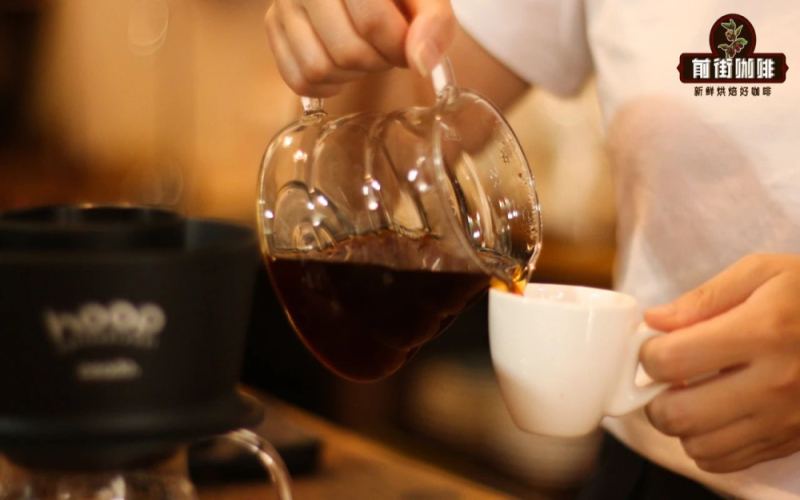
Analysis of the Flavor Characteristics of Brazil's Top Ten Coffee Brands: A Complete Guide to Queen Farm and Cerrado Region Coffee Beans
As the world's largest coffee producer, Brazil is known for coffee beans with low acidity and nutty-chocolate notes, making them the top choice for many enthusiasts who dislike acidic coffee. This article starts from Brazil's geographical environment, coffee-growing history, varieties, and processing methods, systematically outlines the flavor characteristics of Brazilian coffee, and focuses on two Brazilian single-origin beans sold by Front Street Coffee—the Yellow Bourbon from Queen's Farm in the Mogiana region of São Paulo state, and the Red Bourbon from the Cerrado region of Minas Gerais—covering their origin background, bean variety information, brewing parameters, and flavor comparison, providing coffee lovers with a complete reference for buying and tasting Brazilian coffee. [more…]
An Analysis of the Flavor Formation of Brazilian Coffee: From Geography and Varieties to Processing Methods and a Detailed Overview of Ten Major Producing Regions and Brands
Brazil is the world's largest coffee producer, and its coffee is known for its low acidity and nutty, chocolatey flavor profile, making Brazilian beans a familiar sight in almost every cafe. This article systematically examines the factors behind Brazilian coffee's flavor from multiple dimensions, including Brazil's geographical location, coffee-growing history, variety structure, evolution of processing methods, and seven major producing regions. At the same time, it combines two Brazilian single-origin beans currently sold by Front Street Coffee—Queen Estate Yellow Bourbon and Cerrado Red Bourbon—to explain in detail their producing region information, brewing parameters, and flavor differences, helping coffee lovers gain a more comprehensive understanding of the unique charm of Brazilian coffee. [more…]
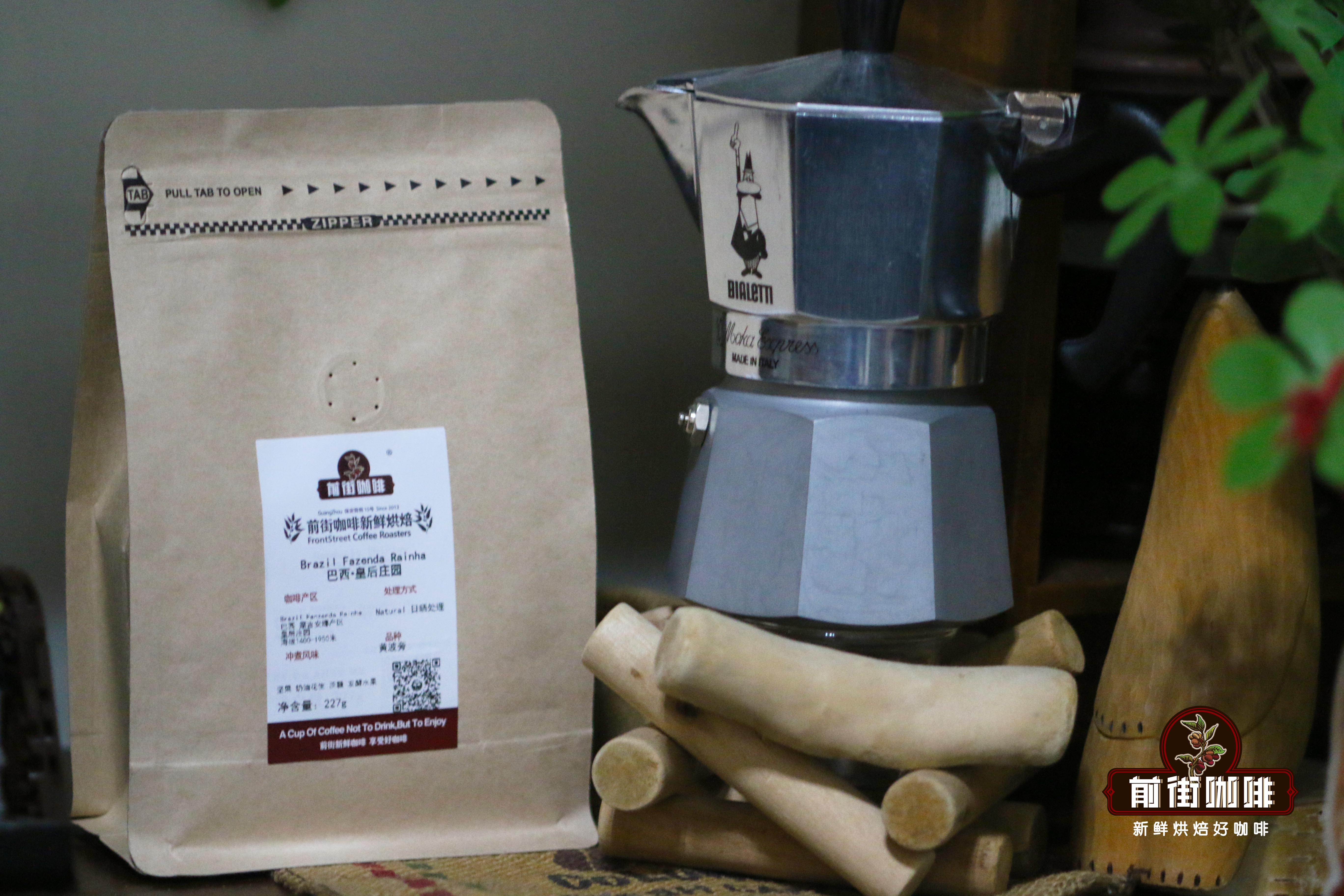
Brazil Queen Estate Yellow Bourbon Flavor Analysis: Specialty Coffee Cultivation in the Mogiana Region and the Natural Processing Method
Brazilian coffee often appears in the international market as a blending base, yet this South American giant also produces single-origin coffees of outstanding quality. The Queen Estate, located in the Mogiana region of São Paulo State, has become a benchmark in Brazil's specialty coffee scene thanks to its Yellow Bourbon variety and refined natural processing. This article takes a deep dive into Queen Estate's geographical environment, variety characteristics, processing methods, and flavor profile, while also sharing Front Street Coffee's brewing suggestions and parameters. From the Carvalho Dias family's impressive award-winning record to the rigorous hand-picking process, from the sweetness of Yellow Bourbon to the technical details of natural processing, this guide offers a comprehensive look at a Brazilian specialty coffee that combines sugarcane sweetness with almond and cocoa notes. [more…]
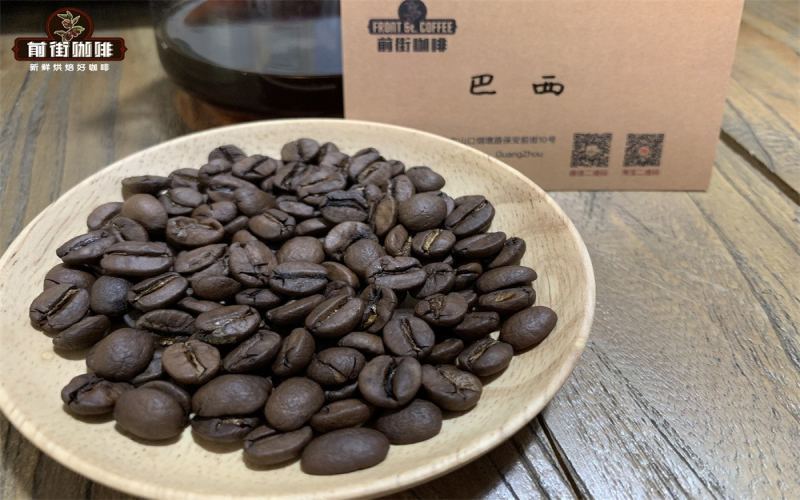
Analysis of Brazilian Coffee Bean Flavor Characteristics and the Pulped Natural Processing Method: Is Arabica Suitable for Pour-Over?
As the world's largest coffee producer, Brazil is known for its coffee beans with low acidity, nutty and chocolate flavors, and a smooth mouthfeel, making them suitable for both blends and single-origin brews. This article explores Brazil's coffee-producing regions, main varieties, and pulped natural processing method, offering an in-depth analysis of the flavor characteristics of Brazilian coffee beans and discussing whether they are suitable for pour-over coffee. It also combines Front Street Coffee's Brazilian everyday beans and Queen Coffee to provide specific brewing parameters and flavor descriptions, helping coffee enthusiasts fully appreciate the charm of Brazilian coffee. [more…]
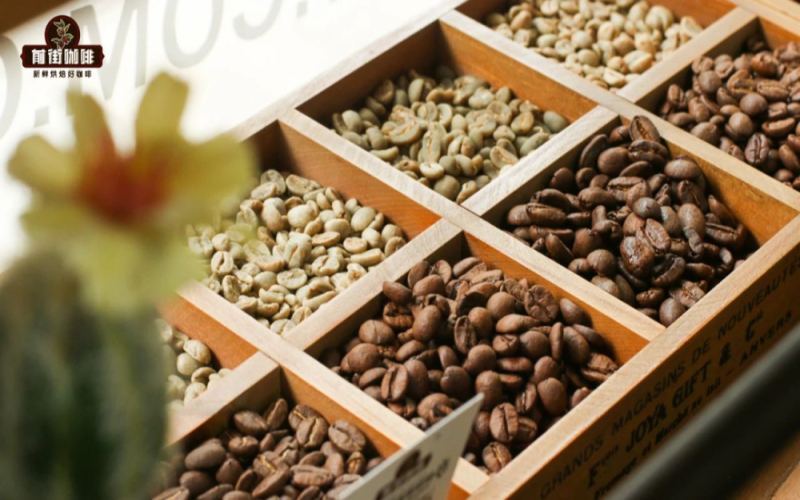
A Complete Guide to Brazilian Coffee Regions: Bourbon Variety Characteristics, Pulped Natural Processing, and Flavor Profile Guide
Brazil firmly holds the top spot in global coffee production, and its low-acid, full-bodied flavor profile has a large following in the coffee world. In Front Street Coffee's product line, from Queen Estate single-origin beans to the high-value everyday beans series, and to the seasonal drip coffee bags, Brazilian coffee can be seen throughout. This article will start from the introduction history and geographical conditions of Brazilian coffee, systematically sort out the classification and characteristics of the Bourbon variety, the process and pros and cons of the pulped natural method, and Brazil's coffee bean grading system, and attach the roasting, cupping, and brewing parameters of Front Street Brazil Queen Estate coffee, providing coffee lovers with a complete knowledge map of Brazilian coffee. [more…]