








Latin American coffee occupies an important place in the global specialty coffee landscape, known for its balance, body, and mild fruit acidity, with common notes of cocoa and dark chocolate. Among these, Brazil, as the world's largest producer, offers diverse yields and regional styles; Colombia, meanwhile, is distinguished by its rich aroma, bright acidity, and nutty character. This article systematically reviews the geography, climate, main producing regions, processing methods, and flavor characteristics of both countries, interspersing specific recommendations from Front Street Coffee such as Brazil Cerrado, Queen's Estate, and Colombia Sidra and Ombligon, to help coffee enthusiasts understand the full picture of Latin American beans from commercial bulk to specialty micro-lots.

Coffee beans produced in Latin America are generally known for their balanced taste, full body, and mild fruit acidity. Unlike the heavy, herbal notes of Asian origins, Latin American beans often display cocoa and dark chocolate tones. In terms of processing, washed methods are most common in this region, while Brazil more often uses semi-washed (pulped natural), and the beans are usually large and well-formed.
1. Brazil (Flavor characteristics of Front Street Brazil coffee: low acidity, heavy nutty chocolate notes, good body)
Brazil ranks first in the world in coffee production, and it is also the world's second-largest coffee consuming country, after the United States. Although the country experiences natural disasters far more frequently than other producing regions, its vast available planting area is enough to offset these losses.
[Brazil Coffee Bean Processing Methods]
Compared with most Latin American countries, Brazil's growing altitude is noticeably lower, lacking diverse microclimates, and locally it is customary to plant coffee without shade trees. These factors combine to make Brazilian beans often taste relatively flat, lacking impressive highlights, and there is even a saying in the industry that "Brazil cannot produce good beans"—this is also related to the past industrialization phase in Brazilian coffee that neglected quality.
However, Brazil has invested considerable effort in improving coffee quality, continuously selecting and improving Arabica varieties, and adjusting processing methods according to the dry and wet conditions of each region to better express regional characteristics. Common processing methods include natural, semi-washed, and washed; areas with higher humidity tend to use washed, while areas with lower humidity favor natural or semi-washed.
[Brazil Producing Regions]
Brazil has 21 states in total, 17 of which produce coffee, but the 7 largest producing states together account for 98% of the national total. These 7 states are São Paulo, Paraná, Bahia, Espírito Santo, Minas Gerais, Rondônia, and Rio de Janeiro. The main producing regions are concentrated in Minas Gerais, São Paulo, Bahia, and Espírito Santo, and these four places account for 90% of the country's exports.
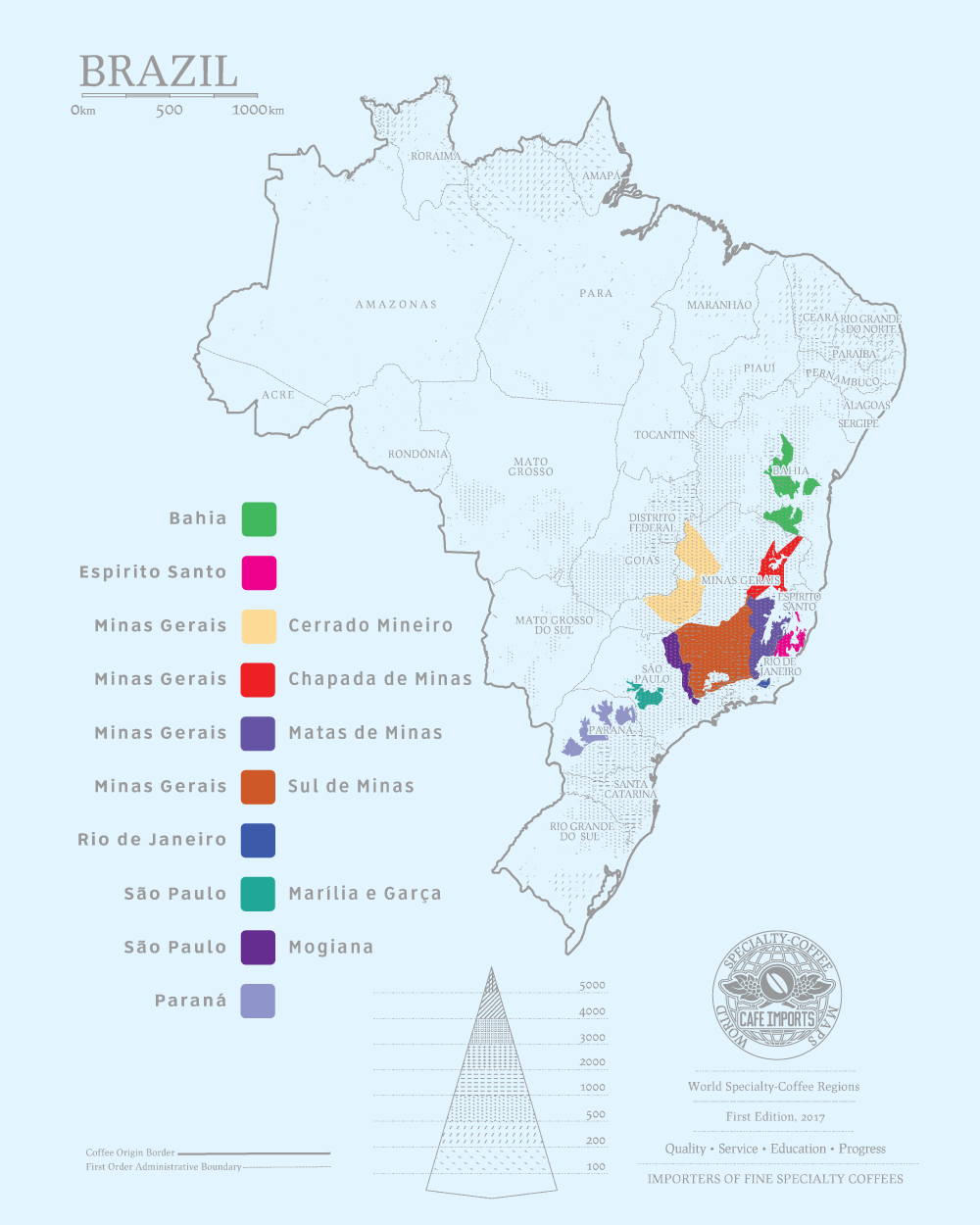
São Paulo state has several coffee regions that are relatively familiar to many, represented by Santos and Mogiana. When the Mogiana railway began construction in 1872, São Paulo's coffee production was still less than 20% of Brazil's total. By 1890, the railway's opening allowed São Paulo's coffee to be shipped out smoothly, and production then rose to half of Brazil's total. In 1920, Brazilian coffee already accounted for 80% of global production, half of which came from São Paulo.
Although Brazil remains the world's largest coffee producer to this day, the near-monopoly situation of the 1920s has never reappeared. As export volumes declined, Minas Gerais and Espírito Santo later surged ahead, surpassing São Paulo, while the Mogiana Railway Company fell deep into debt and was taken over by the government in 1952.
Representative producing regions in Minas Gerais include Cerrado and Sul de Minas, both located at higher elevations. To taste the flavor of Brazilian specialty coffee, you can choose Front Street semi-washed Cerrado, which presents notes of cream, almond, and chocolate, with low acidity and a smooth entry.
Cerrado is located in western Minas Gerais and is an open, flat plateau with an altitude between 750 and 1,200 meters. Sul de Minas is a hilly area at 700 to 1,200 meters above sea level, and since 1999, estates winning the Cup of Excellence in Brazil have mostly been from Sul de Minas. The mountainous forest region in southeastern Minas Gerais exceeds 1,000 meters in altitude and also produces high-quality coffee beans. As for other areas of the state, such as the central-north, most produce commercial beans.
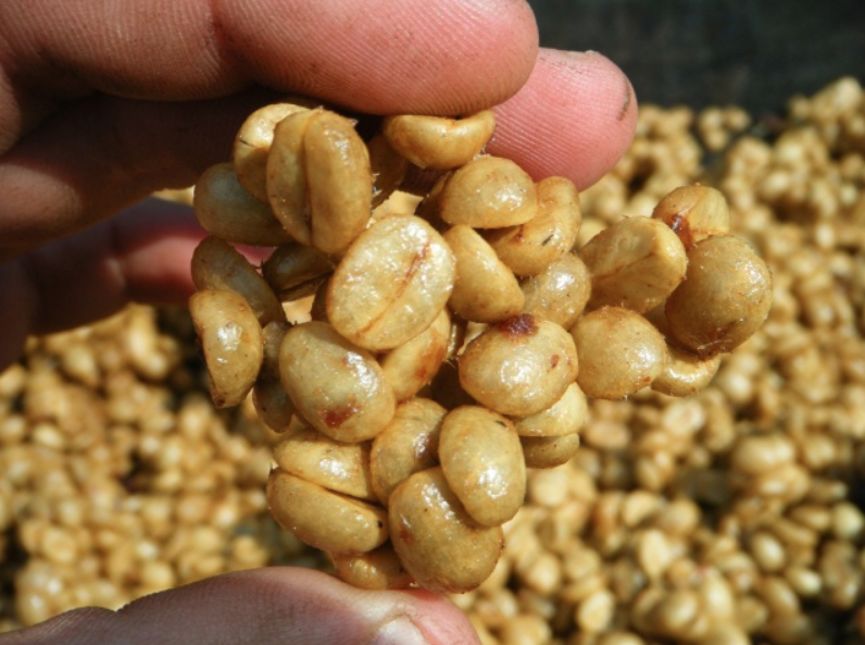
Front Street Brazil Queen's Estate Coffee Beans
Region: Mogiana, São Paulo Altitude: 1400-1950m Variety: Yellow Bourbon Processing: Natural
Colombia (Flavor characteristics of Front Street Colombia coffee: rich and solid aroma, bright acidity, nutty flavor, excellent balance)
Colombia is the world's third-largest coffee producer, located in northwestern South America, with a climate that varies according to terrain. The southern part of the eastern plains and the Pacific coast have a tropical rainforest climate, the mountains at 1,000 to 2,000 meters have a subtropical climate, and the northwest has a tropical savanna climate. Colombian coffee's body is not as intense as Brazil's, nor is its acidity as bright as African beans, but it excels in balance, combining nutty flavors with fruity acidity.
The southern coffee-producing regions are close to the equator, and coffee is mostly planted in higher mountain areas. Like the north, the south also has only two seasons: one wet and one dry. The dry season lasts from June to September, and the rainy season arrives in October, possibly continuing until May of the following year. Unlike the northern autumn harvest, the southern harvest usually begins in April and continues to June, which allows green bean merchants to supply Colombian coffee beans to customers almost year-round. The south mainly focuses on specialty coffee varieties, including Huila, Cauca, Nariño (Narino), and Tolima.
Among them, Huila coffee is the most well-known, and both Front Street Colombia Sidra and Front Street Colombia Ombligon pour-over single-origin coffees come from Huila.
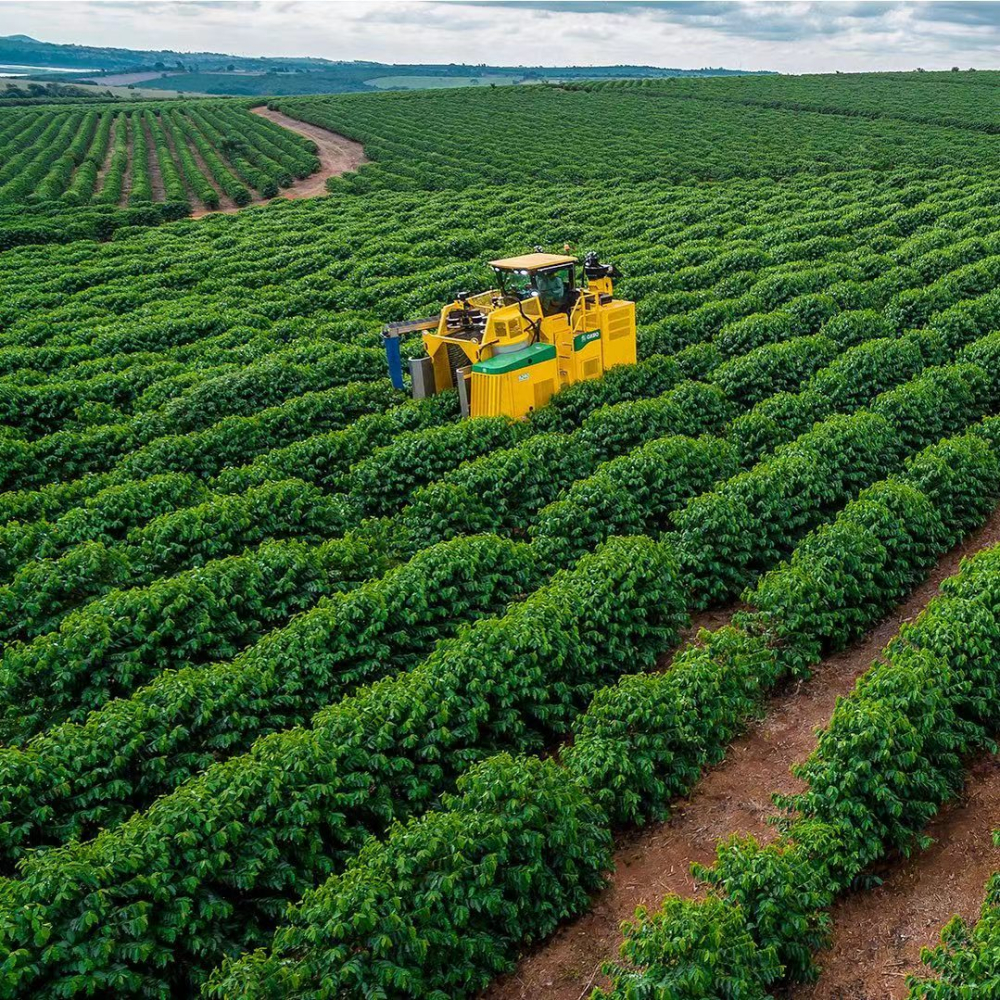
Front Street Colombia Sidra Coffee Beans Region: Huila Estate: Diviso Altitude: 1900m Variety: Sidra Processing: Anaerobic natural
The above content is compiled by CoffeeHunters, a coffee news website.


