







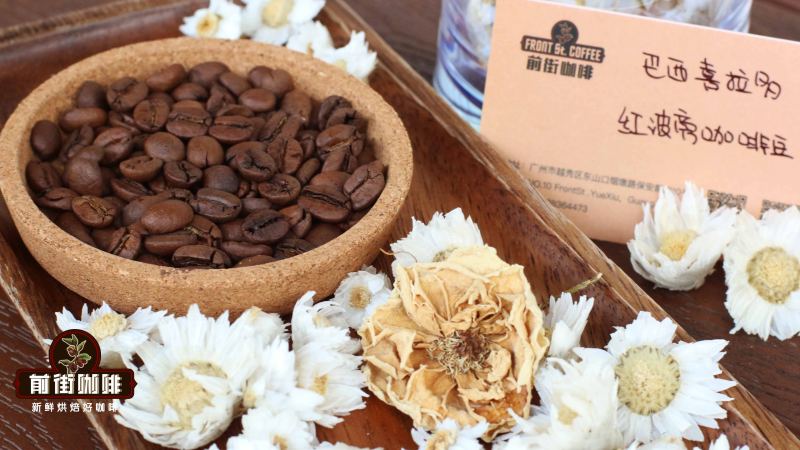
What does Brazilian coffee taste like and where does it grow?
Brazilian coffee is known for a balanced taste and accessible price, which makes it a common daily staple. One Front Street Coffee Brazilian staple bean sells for only 25 yuan, and espresso blends containing Brazilian beans stay within 80 yuan, so the country's output feeds both budget and specialty buyers.
Brazil is South America's largest country and the world's top coffee producer, divided into 26 states and one federal district. Paraná, São Paulo, Minas Gerais, and Espírito Santo are its main coffee regions, and entry-level lots from Queen's Farm and Cerrado Red Bourbon show the balanced, approachable profile the country is known for.
Brazil, as the world's largest coffee producer, has always been known for its abundant output and affordable prices, making it the preferred source of daily staple beans for many people. Frontier Coffee's bag of Brazilian staple beans sells for only 25 yuan, and espresso blends containing Brazilian beans do not exceed 80 yuan, offering extremely high cost-effectiveness. This article will take you through a comprehensive understanding of Brazil's national overview, the meaning of its flag, and its geographical and climatic characteristics, and introduce major coffee-producing regions such as Paraná, São Paulo, Minas Gerais, and Espírito Santo one by one. It will also recommend entry-level selected beans such as Frontier Queen's Farm and Cerrado Red Bourbon, along with their brewing flavor performance, providing coffee enthusiasts with a complete introductory reference to Brazilian coffee.
To learn more about specialty coffee, welcome to follow Frontsteet Coffee.
When it comes to Brazilian coffee, the first phrase that comes to many people's minds is "large volume and affordable." Indeed, Brazilian beans have won widespread favor for their balanced taste and accessible price—a bag of Frontier Brazil staple coffee beans costs only 25 yuan, and many Frontier espresso blend products containing Brazilian beans are priced within 80 yuan, making them an excellent choice for daily drinking. Today, Frontier will take everyone to gain a deeper understanding of this coffee powerhouse.
Brazil
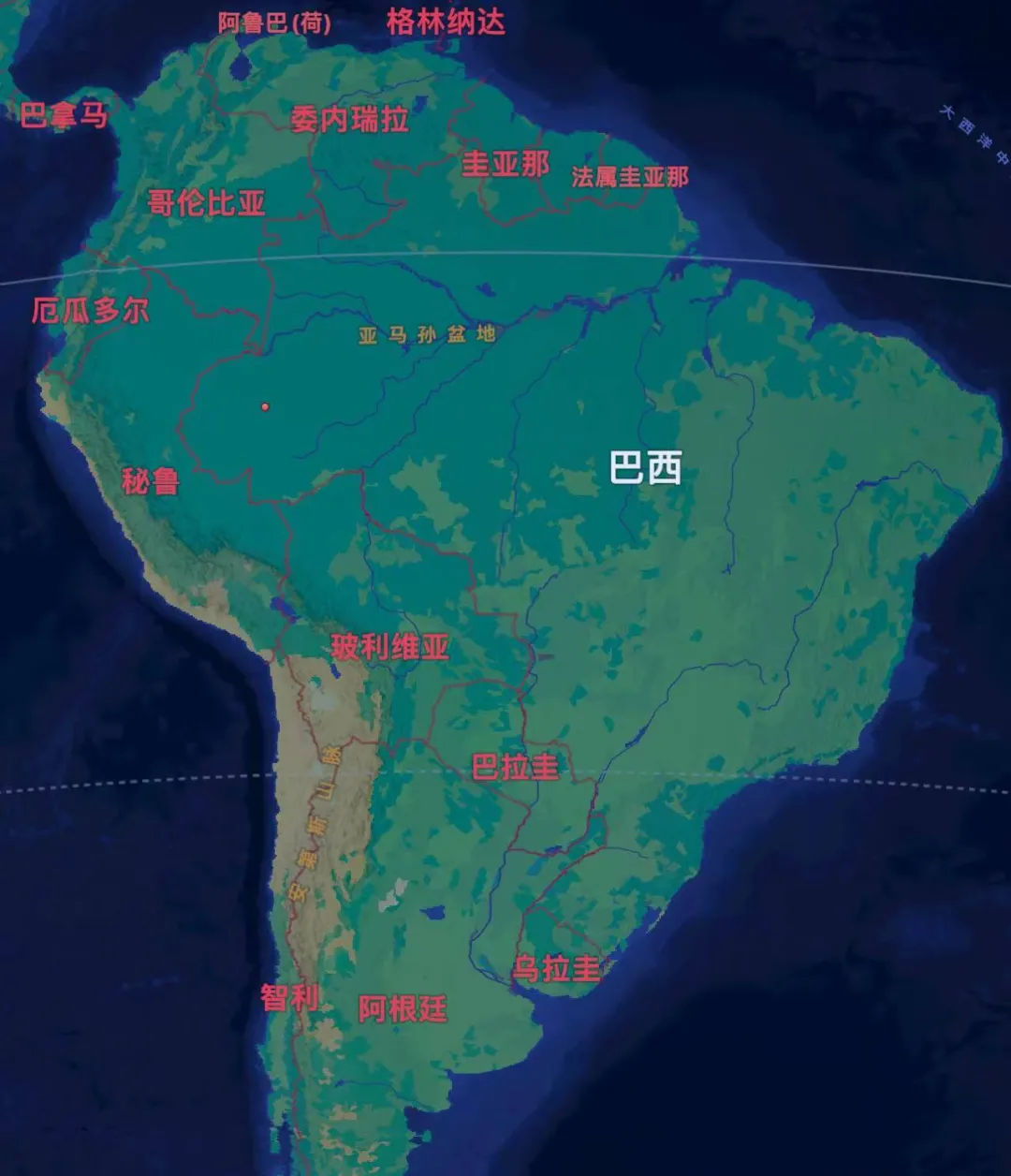
Brazil's official name is the Federative Republic of Brazil. It borders 10 countries including Uruguay, Argentina, Peru, Colombia, and Bolivia, with a total land area of 8,514,900 square kilometers. It is the largest country in South America and the fifth-largest country in the world. The country is divided into 26 states and 1 federal district, with strong agricultural strength and a solid industrial foundation, and it is also the country with the highest coffee production in the world.
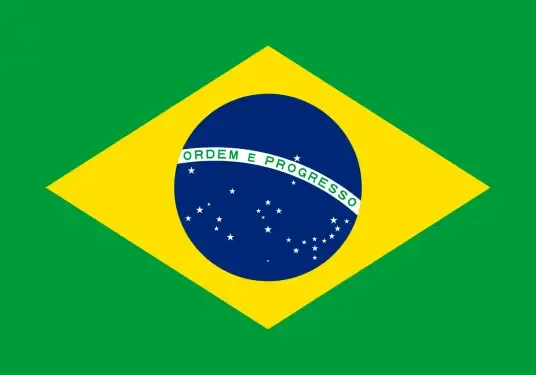
The Brazilian flag has a green rectangular background with a yellow rhombus embedded in the center. Inside the rhombus is a dark blue circular celestial globe, and on the celestial globe is a white sash inscribed with the Portuguese words "Order and Progress." White five-pointed stars are also distributed within the circle, representing the country's 26 administrative regions. The positions of these stars correspond to the arrangement of stars in the sky over Rio de Janeiro at 8:50 on November 15, 1889—the day the new government was established (Brazil's capital was initially in Rio de Janeiro and later moved to Brasília). Green and yellow are Brazil's national colors, the former representing forests and the latter symbolizing mineral wealth and resources.
Brazil is located in the eastern part of South America. In addition to bordering multiple countries, it faces the South Atlantic Ocean to the east. In terms of terrain, it is mainly divided into two major parts: first, the Brazilian Highlands above 500 meters in elevation, concentrated in the central and southern regions; second, plains below 200 meters in elevation, mainly located in the Amazon River basin in the north and west. The highlands account for about 60% of the country's area, and the country contains three major river systems: the Amazon, Paraná, and São Francisco.
Most of Brazil's territory lies in the tropics. The north has a tropical rainforest climate, the central region has a tropical savanna climate, and the south has a subtropical monsoon humid climate. The average annual temperature in the Amazon Plain is between 25 and 28°C, while the average annual temperature in the southern region is 16 to 19°C.
Coffee-producing regions
Brazil has a total of 26 states, 17 of which produce coffee. The four states of Paraná, São Paulo, Minas Gerais, and Espírito Santo together account for 90% of total production. Arabica coffee accounts for 80% of Brazil's total national production, with the remaining 20% being Robusta. The main planted varieties include Bourbon, Catuai, Typica, and Mundo Novo, and the harvest period is concentrated from May to September.
Bahia: Many people often think this is the southernmost coffee-producing region in the world. The state accounts for only 2.5% of Brazil's land area but contributes about 25% of agricultural output. However, Bahia lacks high-altitude areas, with its highest point at only 950 meters, so the opportunity to produce high-quality coffee is relatively limited.
São Paulo: Brazil's well-known Mogiana region is located in this state, with an altitude of 900 to 1,100 meters. The terrain is quite undulating, and the red sandy soil is rich in minerals, making it very suitable for coffee cultivation. Frontier's Queen's Farm coffee beans come from the Mogiana region, are of the Yellow Bourbon variety, and use the semi-washed processing method. Brewed with a KONO dripper at a ratio of 1:15, it can present a fresh sweetness like sugarcane, along with flavors of black tea, nuts, and chocolate, with a bright, smooth, and delicate mouthfeel.
Minas Gerais: Located in southeastern Brazil, it has some of the country's highest mountain ranges, and the well-known subregions Cerrado and South of Minas are both located in this state. Many coffee farms in the state are relatively large, so mechanical cultivation and harvesting methods are often used. Its output accounts for 30% of Brazil's Arabica varieties, with altitudes between 700 and 1,350 meters, and the coffee flavor often shows rich sweetness. Frontier's Queen's Farm coffee beans come from this producing region.
Espirito Santo: Compared with other coffee-producing regions, this state is smaller in area. The capital, Vitória, is the main export port. Eighty percent of the coffee grown in this state is Robusta, and only farmers in the south tend to grow Arabica, with an altitude range of 900 to 1,200 meters.
FrontStreet Coffee Brazil Entry-Level Selected Cerrado Red Bourbon Coffee Beans
Region: Cerrado
Altitude: 700-1,200 meters
Variety: Red Bourbon
Processing method: Semi-washed method
Flavor: Nuts, dark chocolate, cream, peanuts, caramel
This entry-level selected Lindong Mandheling from FrontStreet Coffee uses the semi-washed processing method and is dark roasted. Frontier recommends using a KONO dripper, brewing with a 1:15 coffee-to-water ratio and a water temperature of 88°C. On the palate, one can feel the flavors of nuts, peanuts, and dark chocolate, with a creamy, rich mouthfeel, prominent sweetness, and good overall balance.
The above content is compiled by CoffeeHunters, a coffee news website.


