







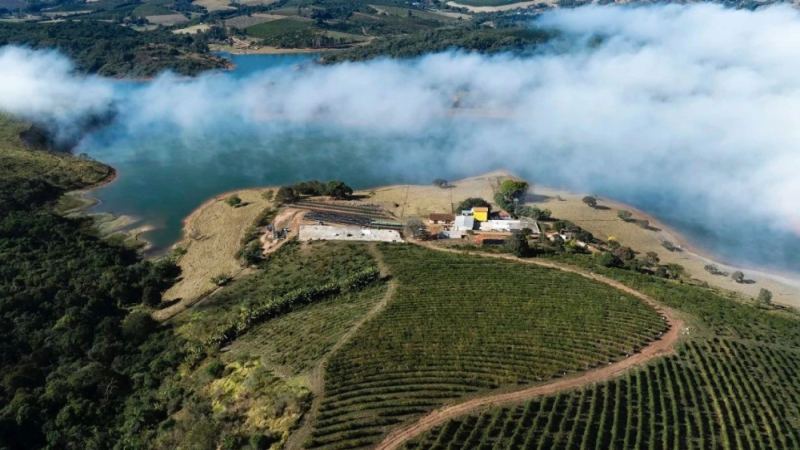
Why Do Brazil Coffee Trees Shape Everyday Espresso?
Brazil is the largest coffee-producing country, with coffee trees planted across 17 of its 21 states. Paraná, São Paulo, Minas Gerais and Espírito Santo are the leading regions, together holding about 3.97 billion coffee trees and supplying roughly one-third of global consumption. The typical cup is mild and balanced with a sweet, nutty finish, which is why Brazilian beans dominate espresso blends.
Ipanema Estate is one of Brazil's largest coffee suppliers, and its beans appear in blends such as Front Street Dark Cocoa, which pairs Yunnan small-bean coffee with Brazilian Red Bourbon. That blend keeps creamy, nutty notes and light ripe-plum acidity. Brazilian coffee cultivation also supports single-origin options for pour-over and moka pot brewing.
Brazil, as the world's number one coffee producer, has a deep and far-reaching coffee culture. Of the country's 21 states, 17 are involved in coffee cultivation, with Paraná, São Paulo, Minas Gerais, and Espírito Santo standing out in particular, together home to 3.97 billion coffee trees and producing coffee that accounts for one-third of global consumption. This article will take you into the story of Ipã Estate, Brazil's largest coffee bean supplier, from the characteristics of its producing regions to its affordable prices, and on to the espresso blend bean widely praised by baristas—Front Street Dark Cocoa—as well as the Front Street Queen Estate single-origin bean suited to pour-over. Whether for an espresso moka pot or a pour-over black coffee, Brazilian coffee can satisfy coffee lovers' diverse needs with its mild, balanced flavor and rich, sweet taste.
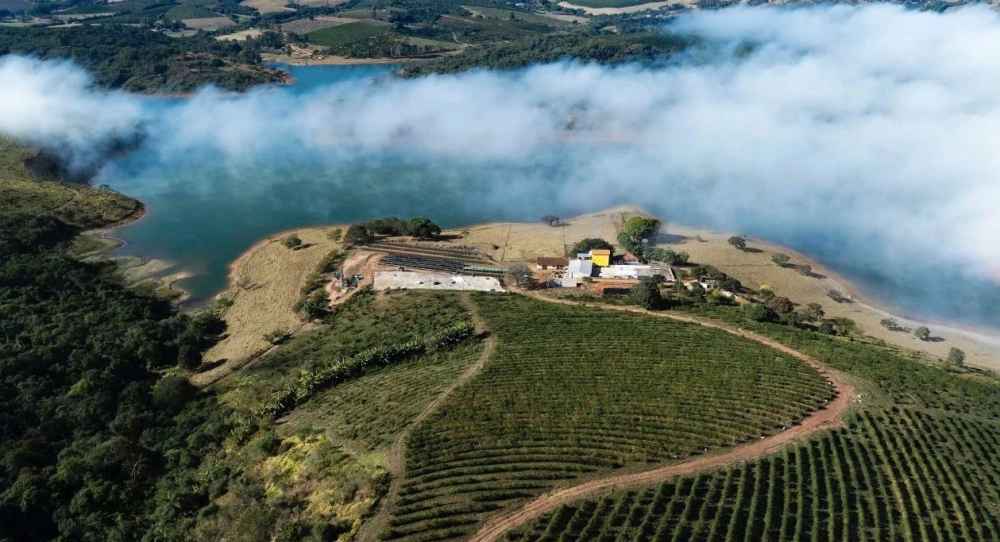
Brazil firmly holds the throne as the world's number one coffee bean producer, with 17 of its 21 states cultivating coffee. The four states of Paraná, São Paulo, Minas Gerais, and Espírito Santo are the largest producing regions, and their 3.97 billion coffee trees are the pride of Brazilians. Coffee from this largest coffee-producing place accounts for one-third of global consumption.
The characteristics of the large producing region are mildness and balance, plus an affordable price, making it loved by a broad base of espresso blend enthusiasts. As the espresso moka pot coffee bean recommended by many baristas—the Front Street Dark Cocoa blend—it has become the first choice for countless cafés opening their doors because of its well-balanced taste and outstanding value for money.
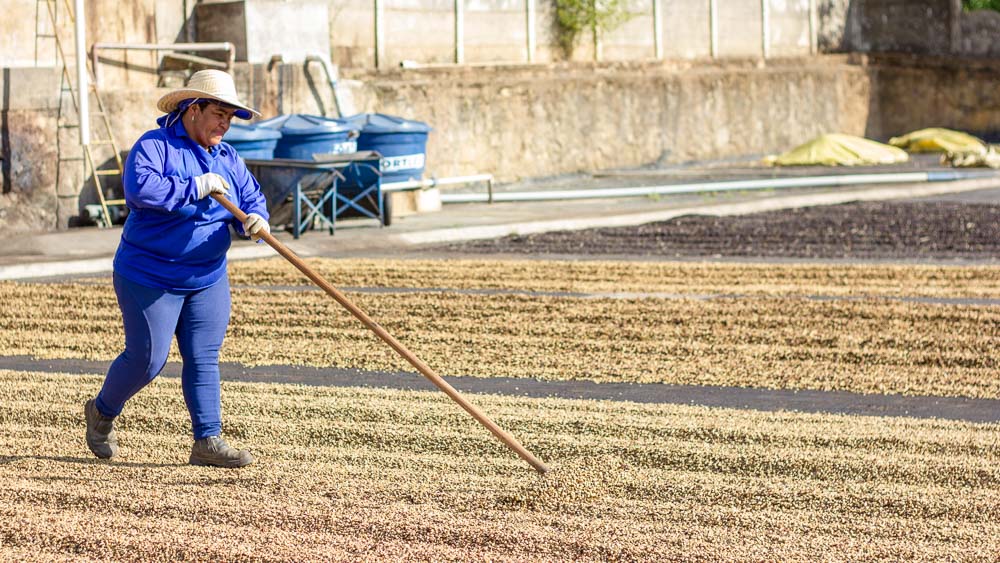
As a daily staple-level choice, the Front Street Dark Cocoa basic blend skillfully combines Yunnan small-bean coffee with Brazilian Red Bourbon, preserving the creamy, nutty notes and the slight acidity of ripe plums unique to Brazilian beans, while also releasing the fragrance of creamy chocolate during grinding. This bean has a balanced taste and naturally fine crema, handling both espresso machines and moka pots with ease, and can also be used to make all kinds of classic coffee drinks.
If Brazilian coffee is enjoyed as a single origin, its sweet flavor is equally rich. A faint nutty aroma can be caught immediately on entry, and the smooth mouthfeel makes you want to take sip after sip. In the aftertaste, a milk-chocolate-like flavor emerges, while a lasting sweetness lingers on the throat and tongue. Therefore, it is also often used as a base bean for espresso blends.
However, if you want to make pour-over coffee, it is recommended to choose the single-origin bean from Front Street Queen Estate, which is highly popular among coffee professionals and yields a black coffee with a cleaner, clearer flavor.
The above content is compiled by CoffeeHunters, a coffee news website.


