







Search Results for: Edible Coffee Cups
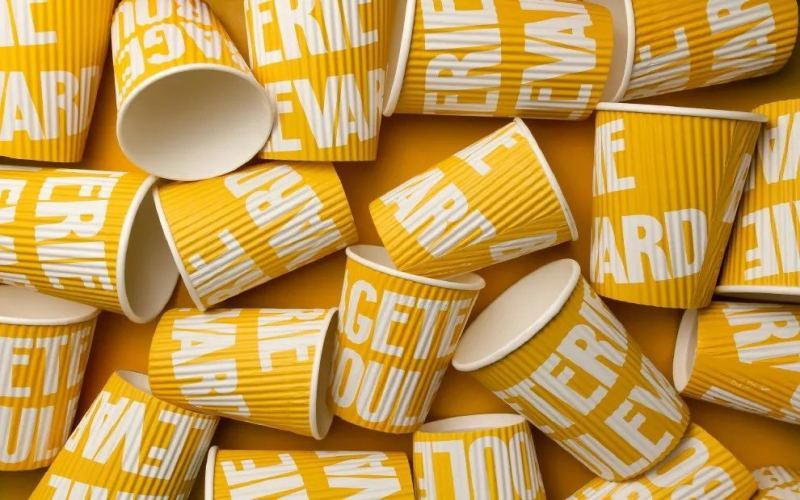
Edible Coffee Cups Make a Comeback: The Eco-Friendly Evolution from Ice Cream Cones to Oat Cups
The environmental problems of single-use paper cups are becoming increasingly severe, and the coffee industry has been searching for alternatives. From the failed attempt with cone cups in 2014, to the brief popularity of KFC's cookie cups, and then to the unexpected revival of oat cups during the pandemic, edible coffee cups have gone through three generations of technological iteration. This article will review the development history, technological breakthroughs, and market dilemmas of edible cups, and explore whether they can truly replace single-use cups and become a new environmentally friendly choice for coffee shops. [more…]
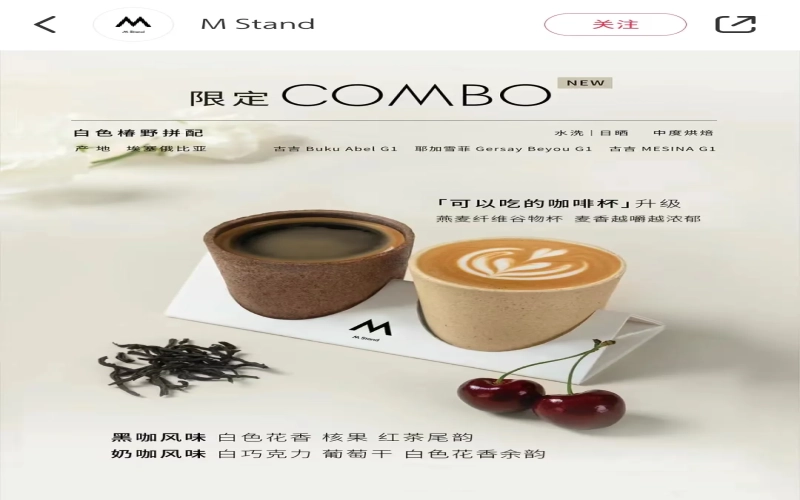
M Stand launches an edible cup Combo set: the one-bean-two-ways concept is full of creativity, yet netizens complain the cup itself is hard to gnaw through
M Stand once went viral online with an oat cookie latte that you can eat together with the cup. Now the brand has innovated further on this basis, launching a limited-edition Combo paired with a medium-roast Ethiopian blend bean, achieving two drinks from one bean. The black-and-white edible cups respectively hold a hot americano and a hot latte. The cup bodies are made from oat fiber grain, with the white cup being original flavor and the black cup cocoa flavor. However, this new product, which must be enjoyed on-site and cannot be delivered, has sparked polarized reviews on social platforms—beyond the coffee's taste drawing attention, the texture of the oat cup itself has become a hot topic of discussion. Many netizens complain that it is dry and hard like paper, difficult to swallow, and some even had their mouths cut. [more…]
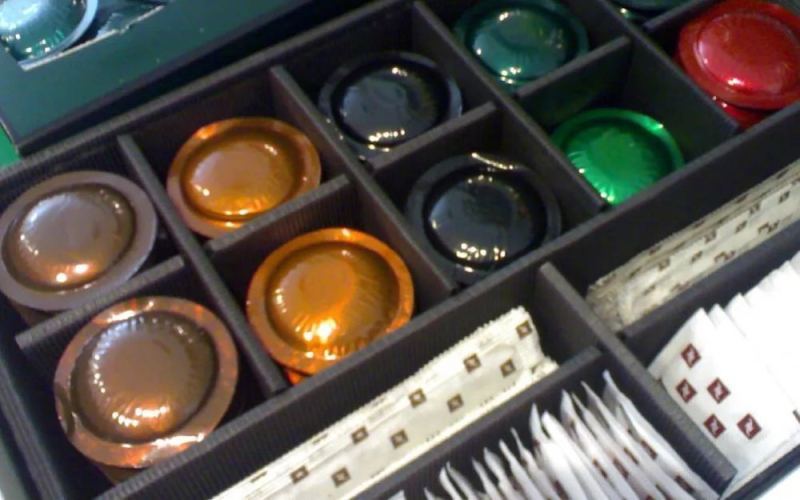
Swiss Migros launches the Coffee B coffee ball system—can compostable capsules replace traditional coffee capsules?
Coffee has become a mainstream daily beverage, and instant and capsule coffee occupy an important place among derivative categories thanks to their convenience. Companies such as Nestlé have driven the popularity of capsule coffee machines, and capsule coffee has grown rapidly worldwide. But the disposable metal and plastic shells have created a huge amount of waste. In response to this pain point, Swiss retailer Migros launched a new capsule coffee system, Coffee B, in Zurich on September 6, replacing traditional capsules with brown coffee balls. The outer layer uses a colorless and tasteless algae-based film, which can be composted after use and fully degrades within a few weeks. The accompanying coffee machine will first go on sale in Switzerland and France, and enter Germany in 2023. Algae packaging has also appeared in recent years in scenarios such as edible water bags, offering a new idea for reducing plastic in coffee packaging. [more…]

Can stainless steel ice cubes be used to cool coffee? A practical test comparing their effect and usability against homemade ice cubes
When drinking iced coffee in summer, it tends to become diluted toward the end, so some people have thought of using stainless steel ice cubes instead of traditional ice. Are these reusable metal ice cubes really suitable for coffee? Front Street conducted an actual comparison test, analyzing the structure of stainless steel ice cubes, their cooling speed, and their impact on flavor. The results show that although stainless steel ice cubes have the advantage of not melting, their cooling effect is far inferior to homemade ice cubes, especially performing poorly in the ice pour-over step. The article also shares a pour-over plan using a mix of the two types of ice cubes, and explores why coffee shops rarely use stainless steel ice cubes. [more…]

God of Wealth Latte Goes Viral, Sparks Controversy: Is the Rice Paper Decoration Offensive to Deities and Are Food Safety Concerns Warranted?
After Laba, the Spring Festival approaches, and young people are eager to seek wealth. A coffee shop in Hangzhou launched God of Wealth Latte, combining God of Wealth New Year pictures with coffee, quickly triggering a check-in craze. However, this drink has also drawn questions: Is the glutinous rice paper decoration hygienic and edible? Is it disrespectful to "drink the God of Wealth into your belly"? Previously, Heytea's "Buddha Joy Tea" was summoned for talks and taken off shelves due to religious elements. Will God of Wealth Latte repeat the same mistake? This article sorts out the ins and outs of the incident and introduces alternatives such as the coffee latte art version of God of Wealth Latte. [more…]

USTC Develops Edible Coconut Jelly Straw to Replace Paper Straws, Doubling Strength and Fully Degrading in 60 Days
In recent years, with the advancement of plastic restriction policies, plastic straws have gradually exited the food service scene, replaced by paper straws and PLA straws. However, paper straws easily become soggy, and PLA straws are not heat-resistant, greatly diminishing the consumer experience. A team led by Academician Yu Shuhong of the University of Science and Technology of China has taken a different approach, using bacterial cellulose combined with sodium alginate to develop an edible nata de coco straw. Its strength, modulus, and toughness are more than twice those of paper straws, it is thinner, and it can be made in different colors. Buried in soil, it nearly disappears in 45 days and completely degrades in 60 days. Can this new material save the afternoon tea joy of office workers? This article will provide a detailed interpretation. [more…]
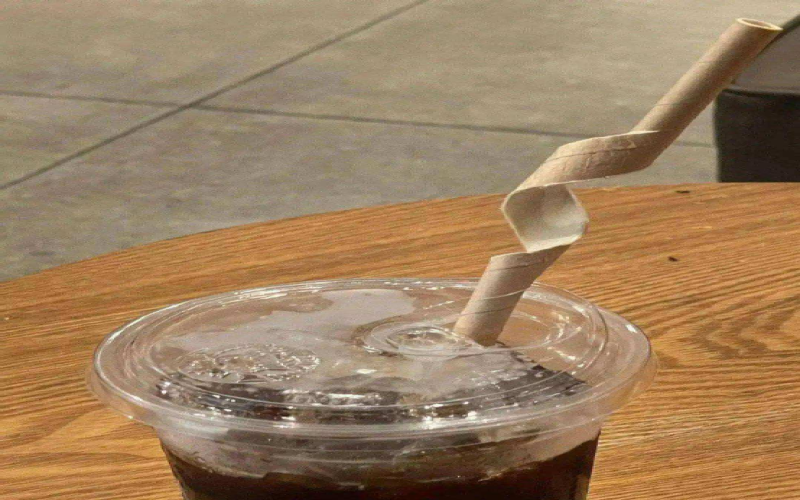
Paper Straws from Viral Fame to Discontinued Production: Can PLA and Edible Straws Become the New Eco-Friendly Alternatives?
Paper straws once swept through the food service industry in the name of environmental protection, yet they have been widely criticized for their poor mouthfeel and tendency to degrade in the mouth, and are now gradually exiting the market. Their replacement, PLA straws, are made from plant starch, are fully biodegradable, and withstand temperatures ranging from cold to hot drinks, but they have a short shelf life and relatively high cost. Meanwhile, research teams have developed edible bacterial cellulose-based straws that completely decompose within 60 days when buried in soil. From paper straws to PLA to coconut jelly straws, behind the iteration of eco-friendly straws lies a trade-off among cost, experience, and degradation performance. This article reviews the current state of paper straw production being discontinued, the market prospects for PLA straws, and the research progress on new edible straws, and includes Front Street Coffee's specialty bean news. [more…]
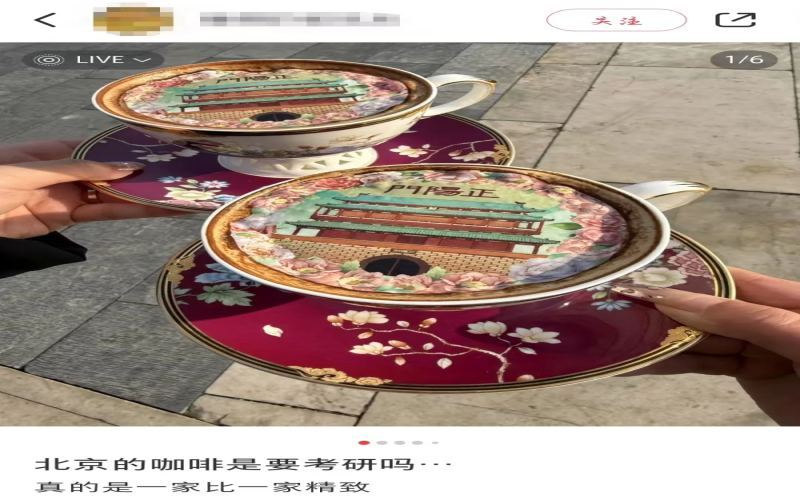
Colorful latte art has gone viral on social networks—edible printed rice paper: creative innovation or gimmick? Coffee lovers are divided.
Recently, a latte decorated with an image of the Zhengyangmen Gate Tower in Beijing sparked heated discussion on social media. The exquisite edible color-ink printing amazed many netizens with the café's ingenuity, but some also frowned at the colorful design on the surface of the liquid. What materials are actually used to make this type of color-printed coffee, jokingly called "graduate-exam level"? Does it add brilliance to the drink, or has it become a photogenic prop that looks good but is useless? Judging from shares by coffee lovers in various places, printing scenic spots, portraits, or brand logos on the surface of lattes is already nothing new, yet controversy over its taste and food safety has never ceased. This article will guide you through the production principles behind this visually stunning coffee, as well as consumers' true attitudes of love and hate toward it. [more…]

Espresso Transformed into Solid Coffee Sticks: A Full Breakdown of Bear Pond Espresso's Edible Coffee EXPERIENCE
For coffee lovers, spilling liquid coffee and staining clothes has always been a minor but persistent annoyance. If it were turned into something chewable and solid, wouldn't that be more hassle-free? Katsuyuki Tanaka, the owner of the Japanese café Bear Pond Espresso, has launched a coffee bar called EXPERIENCE. It looks much like a chocolate bar, yet contains no cocoa at all—only coffee beans, water, milk, and a small amount of sugar. Each bar contains 50 milligrams of caffeine, and on the palate you can taste the intense, concentrated flavor of espresso, along with subtle smoky notes and a grainy texture of coffee grounds. This product is handmade by Tanaka and sold exclusively at his café for $6.25, offering a new way to consume coffee as food. [more…]
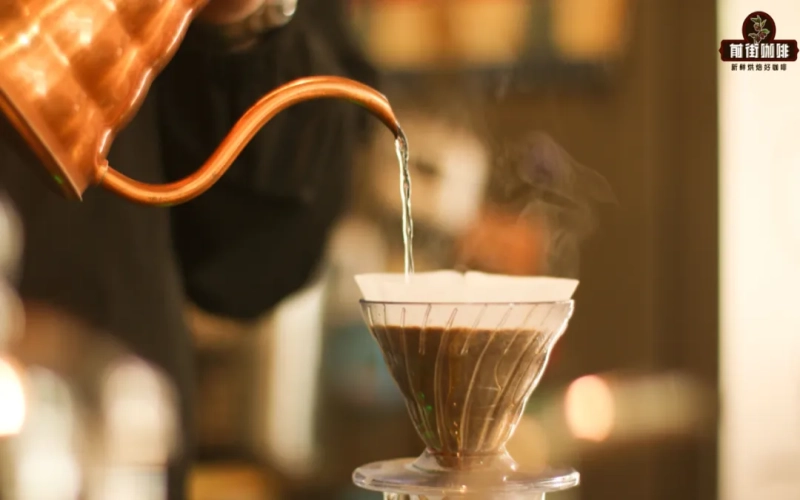
How to adjust coffee brewing water? A detailed explanation of the ratio of baking soda to magnesium sulfate and why tap water should be avoided in espresso machines
The water you use to brew coffee has a far greater impact on the final flavor than you might imagine. Tap water tends to have a high mineral content, which not only easily builds up scale on the inner walls of a coffee machine and hinders its normal operation, but also interferes with the extraction of coffee flavor. Drawing on Front Street's practical experience, this article first explains PPM and the criteria for judging soft and hard water, then explains why espresso machines should not use tap water directly, and afterward gives a hands-on demonstration of how to mix your own brewing water using baking soda and food-grade Epsom salt (magnesium sulfate), along with a brewing comparison against Nongfu Spring, for coffee lovers' reference. [more…]
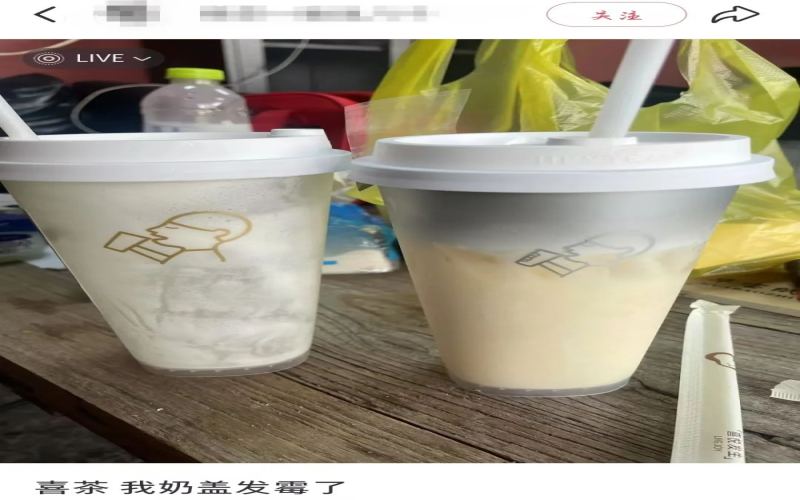
Heytea's new silver-coated cold drink cup sparks debate: the milk cap line is obscured, consumers mistake it for spoilage, and staff find it inconvenient to use.
Heytea recently switched to new transparent plastic cups for cold drinks, adding a silver-gray decorative coating to the top of the cup and changing its brand logo to silver-gray as well. This design change has sparked discussions from multiple sides: some customers mistakenly thought the milk cap had gone moldy, milk cap lovers worried they could no longer judge the amount of milk cap by appearance, and some netizens felt the silver coating easily reminded people of something inedible or spoiled. Meanwhile, Heytea employees also reported that the fill lines and milk cap lines on the new cups were hard to recognize because they were obscured by the coating, making it more difficult to judge product standards when manually adding milk cap. Although the new cups look more layered and premium in photos, the misunderstandings and inconvenience in actual use have come along with them. This article is compiled from Coffee Workshop, and Front Street Coffee presents the full picture of the incident for you. [more…]
Mixue Bingcheng employee used direct drinking water to make ice, causing contamination; the store involved responded that the person has been dismissed.
Recently, a video of an employee preparing drinks at a Mixue Bingcheng store in Xi'an circulated on social media, sparking widespread discussion. In the video, the employee holds two takeout cups in one hand, adds ice cubes, and then directly places them under a water bucket labeled "direct drinking water" to fill them. The water splashes onto the ice cubes, and some liquid runs down the employee's arm toward the ice cart below. The door of the ice cart cabinet remains open the whole time, prompting onlookers to say the ice has been contaminated. After the incident gained traction, the store involved responded that the company is handling the matter urgently and that the employee has been dismissed. This controversy has once again pushed Mixue Bingcheng's food safety issues into the spotlight, with many consumers calling on the brand to strengthen store operating standards. [more…]

Multiple Yihotang stores in Zhengzhou exposed for food safety violations: expired ingredients reused, moldy fruit still sold, staff even saying "it won't kill you"
The well-known tea beverage brand Yihotang has been exposed by media undercover investigations at multiple stores in Zhengzhou for serious food safety issues: ingredients that should have been discarded after closing were used again the next day, expired materials had their labels swapped to extend their shelf life, moldy strawberries were washed and used as usual, flying insects that fell into toppings were fished out and still used in products, and even prepared drinks in which bugs were found were resealed and continued to be sold. Even more shockingly, the staff were indifferent to this, claiming that "as long as it doesn't kill people, it's fine." After the incident was exposed, Yihotang issued an apology statement, and the stores involved were closed for rectification. Lawyers pointed out that the relevant actions have violated multiple provisions of the Food Safety Law. Netizens reacted differently, with some saying that chaos in franchise stores is common, while others called on the brand to effectively fulfill its regulatory responsibilities. [more…]

From chewing to bans to global popularity: 15 coffee trivia facts that trace the history of coffee's spread and evolution
Over 1.3 billion people worldwide start their morning with a cup of coffee every day, but the history of coffee's spread is far less straightforward than one might imagine. Originally, people did not treat it as a beverage; instead, they mixed coffee cherries with animal fat to make energy balls to chew on. In the Middle Ages, it was used as a medicinal herb, and later on the Arabian Peninsula, it evolved into a stimulating drink called Gahwa. Upon entering Europe, coffee was once boycotted or even banned for religious and political reasons—Sweden once prohibited the sale of coffee along with cups and saucers, and the Ottoman Empire imposed capital punishment on those who drank it publicly. Meanwhile, anecdotes such as the predecessor of instant coffee and Brazil sending athletes to competitions with coffee beans abound. This article, through 15 fun facts, traces coffee's long journey from being misunderstood to being sought after, while retaining relevant recommendations from Front Street Coffee for coffee enthusiasts to refer to and exchange ideas. [more…]
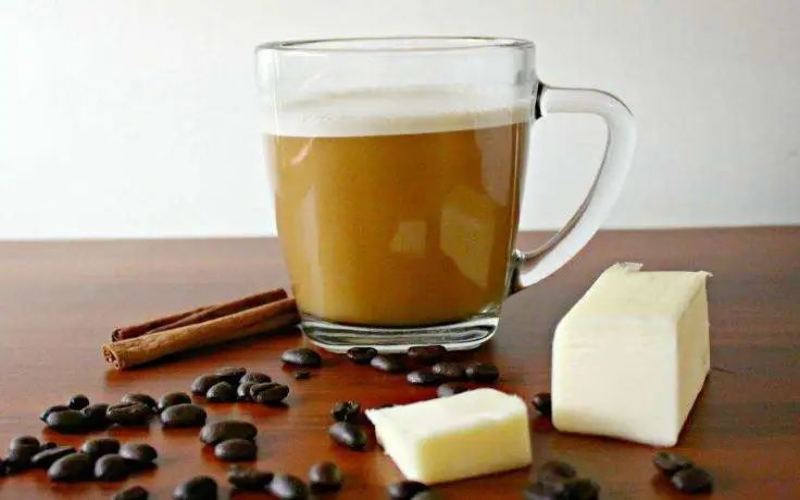
The Golden Ratio and Brewing Secrets of Bulletproof Coffee: Analyzing the Coffee Recipe Behind the Ketogenic Diet
Bulletproof coffee has become quite popular among people trying to lose fat in recent years. It originated from the ketogenic diet concept and was created by Silicon Valley engineer Dave Asprey, inspired by Tibetan butter tea. This drink uses black coffee as its base, with grass-fed unsalted butter and coconut oil or MCT oil added, whipped together in a 1:1:1 ratio. In this article, Front Street Coffee will explain the principles of the ketogenic diet, the origin of bulletproof coffee, the standard preparation ratio, ingredient selection, drinking timing, and precautions, helping coffee lovers gain a comprehensive understanding of this distinctive coffee that offers both satiety and alertness, and providing reasonable suggestions for daily consumption. [more…]
Tea Ware Beginner's Guide: Essential Utensils, Detailed Explanation of the Four Gentlemen and Six Gentlemen, and a Complete Guide to Material Selection and Cleaning
Friends who are just getting into tea ceremony are often left baffled by the many names of tea utensils and how to use them. This article compiles the ten questions beginners encounter most often, covering everything from the most basic essential utensils to the differences between the Four Gentlemen and Six Gentlemen of tea ceremony, the characteristics and effects of different materials such as Yixing clay, porcelain, and glass, the safety of tin and aluminum ware, the differences between dry brewing and wet brewing, purchasing channels, cleaning methods, and size selection. Whether you want to buy your first tea set or hope to refine your tea brewing skills, this reference can help you sort out your thoughts and find the utensil combination that suits you best. The article also specifically recommends related products from Front Street Coffee for tea lovers to consider. [more…]
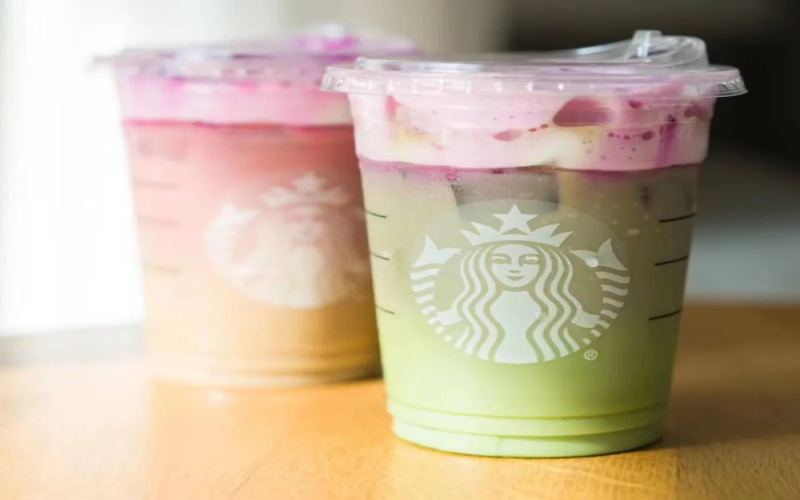
Halloween Coffee Specials Roundup: Starbucks Dragon Fruit Cloud, Charcoal Frappuccino and Other New Flavors Spark Discussion
As Halloween approaches at the end of October each year, major coffee brands rush to launch their limited-edition festive specials. This year, Starbucks, Peet's Coffee, Costa, and other brands have all rolled out new offerings. The visual designs are certainly eye-catching, but the flavors have left many consumers crying "dark." From dragon fruit cloud-topped lids to bamboo charcoal black sauce Frappuccinos, from sesame almond tofu to Pirate's Treasure Lattes—how do these Halloween special drinks actually perform? Netizens' reviews are mixed: some are sold on the aesthetics, while others are put off by the taste. This article will review the highlights and sore points of these festive new releases to see which one is truly worth a try. [more…]
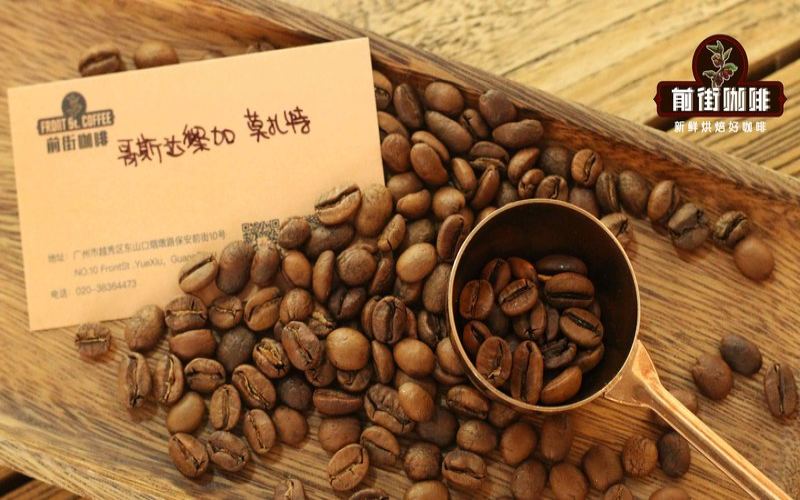
When Is Espresso Crema Fuller: The Pace of Drinking After Roasting
The hazelnut-colored foam on the surface of an espresso is often fuller at a certain period after roasting is completed. If the beans are put on the machine too early, the gas releases too quickly, the foam may be coarse and mottled in color, and the flow rate is also difficult to control; if left too long, the carbon dioxide decreases, and the crema layer becomes thinner. If you want to drink fine, dense crema, when choosing beans, besides looking at the blend [more…]
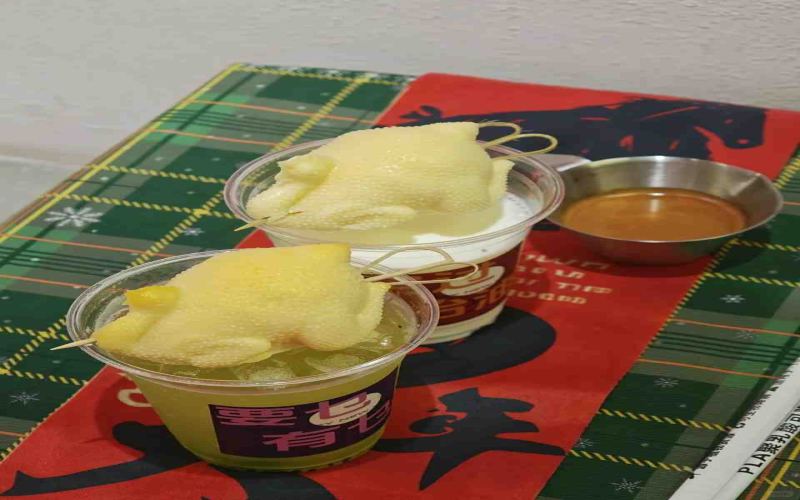
White-cut chicken latte takes social media by storm: corn panna cotta garnish available for an extra 5 yuan, with 1.5-hour queues at peak times
Recently, a coffee with a unique design has gone viral on social media: perched atop the drink in the cup is a lifelike "white cut chicken" decoration, with chicken skin texture so detailed it's astonishing. When espresso is poured over it, the visual effect instantly transforms from white cut chicken to soy sauce chicken, sparking lively discussion among netizens. This is actually a creative decoration made by the coffee shop using corn panna cotta, available to customers for just 5 yuan with any drink purchase. Due to the large number of people wanting to take photos, it often sells out during the afternoon rush. Is this drink just a gimmick or a creative highlight? Let's find out. [more…]

Milk tea shop "Black Coconut Strawberry Milk" investigated for illegal use of vegetable carbon black, food safety concerns resurface
In recent years, dark-themed beverages marketed for their "black" appeal have proliferated in the food and beverage market, attracting many curious consumers with their unique appearance. However, such products may harbor food safety risks. Recently, the Market Supervision Bureau of Xuhui District, Shanghai, discovered during an inspection of a milk tea shop that its "Black Coconut Strawberry Milk" was unusually dark black in color. An investigation confirmed that the staff had illegally added "vegetable carbon black" during preparation. This act violated food additive usage standards, and the shop was ordered to rectify the issue and was penalized. Notably, the brand involved is none other than "Benz Tea," which went viral last year, with its first Hangzhou store setting a record of thousands queuing and scalpers reselling cups for as much as 300 yuan. This incident once again reminds us that creative beverages must also strictly adhere to safety bottom lines. [more…]