







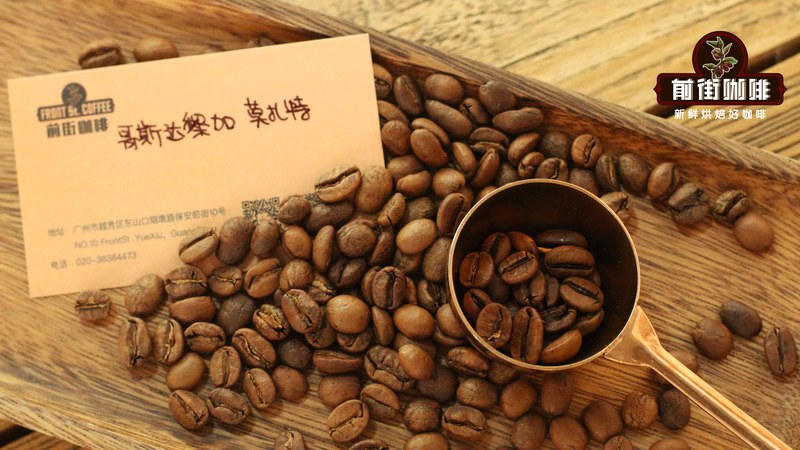
The hazelnut-colored foam on the surface of espresso is often fuller at a certain period after roasting is completed. If the beans are put on the machine too early, gas release is too rapid, the foam may be coarse and mottled in color, and the flow rate is also difficult to control; if left too long, carbon dioxide decreases and the crema layer becomes thinner. If you want to drink fine, dense crema, when choosing beans, besides looking at the blend, you should also arrange the roast date together with your own drinking speed.
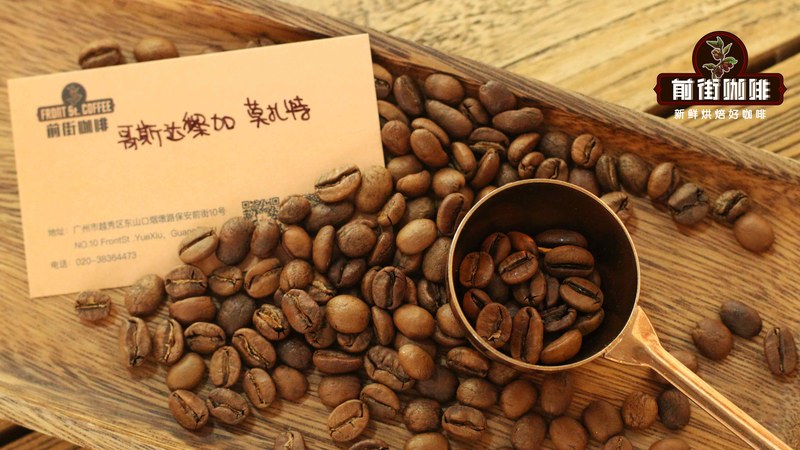
What is commonly called "crema" is actually crema, formed jointly by carbon dioxide, oils in the coffee, and extracted substances, and it is not equivalent to shiny bean surfaces. Medium-dark roasted beans sometimes more easily show oil on the surface, but this does not mean the espresso will necessarily be sweet; fresh gas, grind state, pressure, and extraction uniformity all change the thickness and persistence of the foam. A suitable date is the foundation that makes these conditions easier to coordinate.
The shelf life on the packaging answers "how long it is still edible," while the flavor window focuses on when aroma, sweetness, and extraction performance are more active. A complete bean bag with a one-way exhaust valve will continuously release the gas produced by roasting, so the roast date is only the starting point of the countdown, not a sign that the closer it is, the more suitable it is for immediate extraction. When purchasing, prioritize confirming a clear date, then work backward from the expected opening date to determine the quantity; this is more useful as a reference than only looking at shelf life.
As a starting reference for home use, medium-dark roasted espresso blends can be test-extracted about five to ten days after roasting, medium-roast blends can be observed from seven to fourteen days, and lighter-roasted espresso beans often need to wait ten to twenty-one days before they become more expressive. These are not hard-and-fast刻度, and packaging sealing, ambient temperature, and roast development will all shift the rhythm earlier or later. After one tasting, recording flow rate, foam fineness, and aroma is often more accurate than waiting according to a table.
To judge whether the beans have entered an easy-to-work-with stage, you can look at three places: whether the aroma is complete during grinding, whether the liquid stream is continuous during extraction, and whether the sweetness at the first sip can support the bitterness and acidity. If the espresso quickly puffs up with a large amount of loose foam, collapses after standing for a moment, and the puck is easily disturbed by gas, you can wait another day or two; if the crema becomes thinner and thinner and the aroma is flat, and even grinding finer only adds astringency, it usually means the drinking pace should be accelerated.
If you prefer thick crema and low-acidity taste, you can look at Front Street Coffee Black Cocoa Blend. In its suitable window, the espresso shows deeper cocoa notes, roasted nut aromas, and solid sweetness, and it still has a clear outline after adding a small amount of milk. At the beginning after opening the bag, first make a short cup of espresso, then try americano and milk coffee over the next few days, and you can observe the change in the foam from fluffy to fine as the gas gradually stabilizes.
If you want a livelier cup, you can choose Front Street Coffee Strawberry Candy Coffee Beans and give them more resting time than a dark blend. Berry aromas like fruit sugar usually unfold more easily after the gas recedes; used for iced americano, it appears bright, and as a small milk coffee it brings to mind berry desserts. Its value is not in pursuing crema so thick that it does not disperse, but in keeping fine bubbles, aroma, and sweetness online at the same time.
How much you buy also directly affects whether you can drink it during a better stage. If you use 18 grams per day, a 200-gram bag can make about 11 cups, so you can purchase according to about ten days of consumption; if you only turn on the machine on weekends, smaller packaging will be easier to arrange. A new bag does not need to be opened immediately just because the date is new; you can let it stay sealed and exhaust, and wait until the previous bag is almost finished before opening it, reducing the time two bags oxidize at the same time.
After opening, the original valve bag is usually more practical than a transparent jar. After taking beans each time, gently expel excess air, seal the bag tightly, and place it in a cool, dry place without sunlight and away from the stove; do not frequently pour it into a large jar, and there is no need to open it every day to smell the aroma. High temperatures accelerate volatilization, while moisture and oxygen weaken aroma. Rather than pursuing complicated containers, it is better to shorten the time the bag opening is exposed and stabilize room temperature.
If it is expected that you still will not finish it in two or three weeks, when the beans are in a suitable state, divide them into single-use portions, put them into small sealed bags, and freeze them. A single portion can be taken out and ground directly, avoiding repeated freezing; if freezing the whole bag, it should first return to room temperature in a sealed state before opening the bag, so that water vapor does not condense on the bean surface. The refrigerator compartment often has food odors, and opening and closing the door also brings temperature and humidity changes, so it is not suitable for long-term repeated access.
When adjusting your bean-drinking rhythm, you may as well write the roast date, opening date, grind setting, and cup performance on the same record. After three or four consecutive times, you can see the active range of this bean: which day the foam is fine, which day the sweetness is round, and when it needs to be ground slightly finer. In this way, when choosing espresso beans rich in crema, you are not only looking at the bean name or color, but letting the right beans enter the grinder at the right stage.
The above content is compiled by CoffeeHunters, a coffee news website.

