







Search Results for: Dry Aroma and Wet Aroma
Where Does Coffee Aroma Come From: A Brief Discussion of the Chemical Components and Reaction Mechanisms Behind Roast Flavor
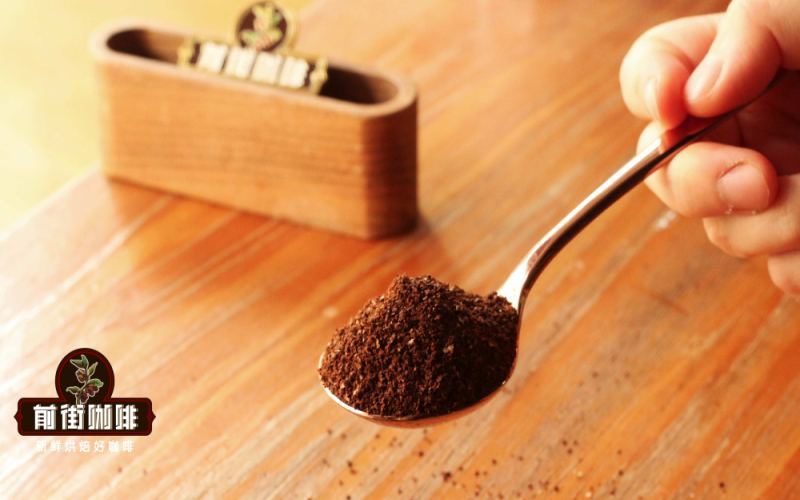
The allure of coffee often begins with that intoxicating whiff of aroma. Many people, even if they don't drink coffee regularly, are drawn to the dry fragrance released the moment the beans are ground. At Front Street Coffee's stores, we frequently encounter customers like this—who prefer the dry aroma of coffee grounds and the wet aroma of the brewed liquid over the taste on the palate. So, what exactly makes up coffee's aroma? And what reactions occur during roasting? This article will explore the over thousand volatile compounds in coffee, categorized into the enzymatic, caramelization, dry distillation, and defect groups, to analyze the difference between dry and wet aromas, and discuss why coffee often smells better than it tastes, guiding you to rediscover the flavors in your cup from both olfactory and gustatory perspectives. [more…]
From Dry Aroma to Aftertaste: A Detailed Explanation of the Complete Single-Origin Coffee Cupping Process and Flavor Evaluation Logic
In the world of specialty coffee, flavor is the core dimension by which quality is measured. Different origins, varieties, and processing methods interweave to create an ever-changing spectrum of taste—the citrus and floral notes of washed Yirgacheffe, the balanced smoothness of washed Blue Mountain, the herbal and spicy aromas of wet-hulled Mandheling, to name but a few. Front Street Coffee has always made cupping a key part of its daily quality control, using it to distinguish flavor differences between batches. Whether you buy beans, sell beans, or roast them, cupping is an indispensable evaluation tool—it allows you to compare batches, sketch out flavor profiles, and pinpoint defects in green beans and roasting. This article will break down the common cupping terminology and key operational points one by one, from aroma, acidity, flavor, and body to aftertaste, helping you build a systematic tasting language. [more…]
A Detailed Guide to the Correct Way to Drink Cappuccino and Milk Foam Preparation: Wet vs. Dry and Front Street Coffee Recommendations
As a classic representative of Italian coffee, the charm of cappuccino lies in the golden ratio of espresso, steamed milk, and milk foam. But do you know the difference between a dry cappuccino and a wet cappuccino? The former has thick milk foam and a prominent coffee flavor, while the latter is mostly milk with a softer mouthfeel, similar to a latte. This article will start with the origin and naming of cappuccino, explain in detail its ratio variations and flavor characteristics, and share the correct way to taste it along with key points for making milk foam. Whether you are a strong-flavor drinker who prefers an intense coffee taste or a beginner who likes a light, milky flavor, you can find the cup that suits you. Front Street Coffee has also selected beans suitable for making cappuccino for you, helping you recreate an authentic Italian flavor at home. [more…]
Why Does Coffee Aroma Matter More Than Taste? A Comprehensive Analysis from Pour-Over Extraction to Front Street Coffee's Huakui Flavor
Many people are drawn in by the aroma of coffee, yet find that the flavor once it hits their palate is not as enchanting as it smells. This gap—"smells great, tastes bland"—is in fact closely tied to the more than 1,200 volatile aromatic compounds in coffee, the difference between dry and wet aromas after grinding, and the way retronasal olfaction perceives flavor. Starting from customer feedback at Front Street Coffee's shops, this article sorts through the four major aroma categories—enzymatic, caramelized, dry-distillation, and defective—and explains why a gap exists between coffee's aroma and its taste experience. Front Street then brews the 2025 new-crop natural Hambela Guji using 15 grams of grounds, a 1:15 coffee-to-water ratio, 91°C water, and a three-stage pouring method, and introduces the background of this champion bean from Ethiopia's Hambela, guiding you through the complete, true flavor of a cup of pour-over coffee. [more…]
Yirgacheffe Red Cherry Project Flavor Analysis: A Complete Tasting Guide from Dry and Wet Aroma to Slurping
The Red Cherry Project is a coffee quality improvement initiative launched in 2007 by Dutch trader Trabocca, aimed at incentivizing coffee farmers to produce high-quality micro-lot coffee and offering generous returns. This article provides a detailed analysis of the dry aroma, wet aroma, and slurping flavor characteristics of Front Street Coffee's Yirgacheffe Red Cherry Project, introduces the project's operating mechanism and quality standards, explores the unique discoveries of the Liko washing station, and reviews the classic appeal of Yirgacheffe as a representative of East African specialty coffee. [more…]
How Does Wet-Hulling Differ from Washed Processing? Where Does the Unique Flavor of Mandheling Coffee Come From?
The signature herbal, medicinal aroma and full-bodied mouthfeel of Indonesian Mandheling coffee are inseparable from its unique wet-hulling processing method. Why did wet-hulling become the choice of the Indonesian producing regions? What exactly are the differences between it and the washed method and semi-dry (pulped natural) method in terms of process flow and flavor presentation? Drawing on Front Street Coffee's years of experience in listing Mandheling, this article sorts out the specific operational steps of wet-hulling, its flavor characteristics, and the causes of common defects, while comparing the processing logic of the washed method and Brazil's semi-dry method, to help readers understand how processing methods shape the final appearance of a cup of coffee. At the end of the article, Front Street's recommended Mandheling bean selection suggestions and pour-over extraction parameters are also included, for coffee lovers at different stages to refer to. [more…]
How the Indonesian Wet-Hulled Method Shapes the Unique Flavor and Rich Mouthfeel of Mandheling Coffee
Mandheling coffee, as the darkest-roasted single-origin bean on Front Street Coffee's menu, is renowned for its rich, solid mouthfeel and distinctive stuffy aroma. It originates from Sumatra, Indonesia, where the hot, rainy climate has given rise to a unique semi-washed processing method—wet hulling. This technique removes the parchment from the coffee beans before they are fully dried, greatly shortening the processing cycle but also introducing more defects and flavor variability. It is precisely this interweaving of "roughness" and "contamination" that gives Mandheling its regional flavor—a blend of wood, spice, earth, and herbs. This article will take you through every stage of wet hulling and reveal the origins of Mandheling coffee's unique flavor. [more…]
From Dry Aroma to Aftertaste: A Complete Guide to the Specialty Coffee Cupping Process and Tasting Key Points
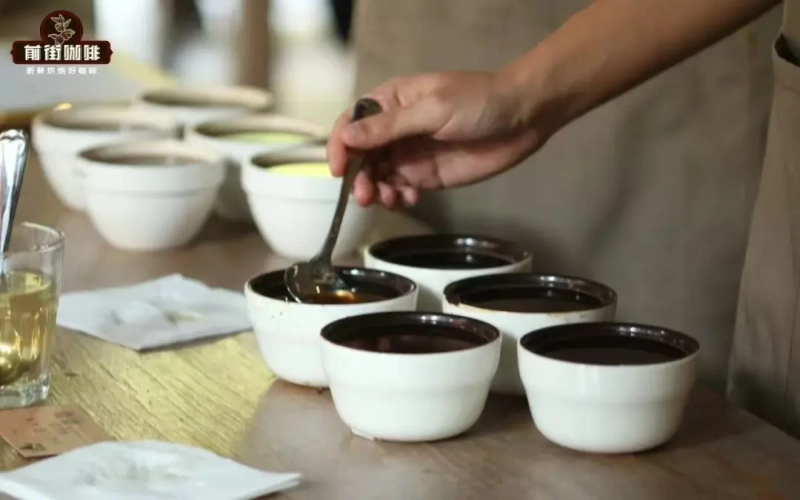
For friends who are just getting into specialty coffee, the term "cupping" may feel both familiar and unfamiliar. Although people often mention it, when it comes to actually attending a cupping session, many are not clear about what exactly to do or which details to pay attention to. This article starts from practical operation and provides a complete overview of the four major stages of cupping—observing the beans, evaluating the dry aroma, experiencing the wet aroma, and tasting by mouth—and, with an on-site demonstration using two Front Street Coffee Geisha beans, breaks down one by one the scoring items and sensory key points on the cupping form. It will also share how to deal with common problems such as olfactory fatigue and being unable to taste the flavors, helping beginners more calmly capture the full picture of the coffee during cupping. [more…]
How Does the Semi-Washed Method Differ from the Natural, Washed, and Honey Methods? An Analysis of the Flavor and Mouthfeel Characteristics of Semi-Washed Coffee
The processing method of green coffee beans directly determines the final flavor expression in the cup. Natural, washed, honey, and semi-dry processes each have their own unique craft logic and flavor direction. This article systematically sorts out the core differences among the three major categories of processing methods, provides an in-depth analysis of the origins, key operational points, and flavor characteristics of the semi-dry method (including pulped natural and honey processing), and, combined with Front Street Coffee's cupping experience, helps coffee enthusiasts understand the impact of different processing methods on coffee taste, offering a reference for daily bean selection and tasting. [more…]
A Detailed Explanation of the Three Major Green Coffee Processing Systems: The Process Differences Between Natural, Washed, and Semi-Dry Methods
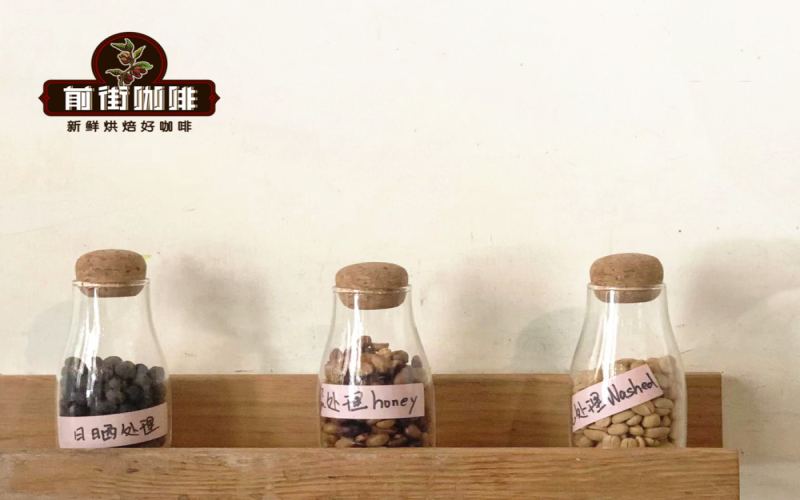
The processing method of green coffee beans directly determines the flavor direction of the final cup. From the oldest sun-drying to the washing process invented by the Dutch in the 18th century, and then to the semi-dry processing in between, each method has left a unique mark on the coffee beans. Sun-drying gives the beans complex fruity notes and fermented sweetness, while washing brings clean and bright acidity and the true taste of the producing region. Honey processing and pulped natural methods, while retaining a little mucilage, create a flavor spectrum between the two. In addition, locally adapted innovative processes such as Indonesia's wet-hulling method have also added distinctive regional characteristics to the coffee world. This article will take Front Street Coffee's cupping experience as an example to break down the principles, steps, and flavor performance of these processing methods one by one. [more…]
Analysis of Indonesia's Wet-Hulling Method: Comparing Peeled Sun-Dried and Honey Processing Techniques and Flavors
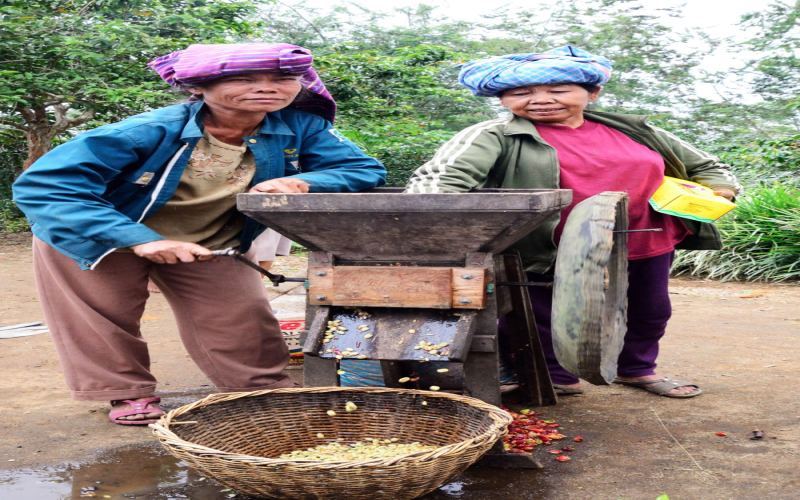
The green coffee bean processing method has a decisive influence on the final flavor. In addition to variety and origin, the processing method is also a key link in shaping coffee's personality. Currently, the mainstream methods include natural, washed, and the in-between semi-washed (wet-hulled), Brazilian pulped natural, and honey processing, among others. This article will provide a detailed explanation of three processes: Indonesian wet-hulled, pulped natural, and honey processing, covering their respective operational steps, flavor characteristics, roasting recommendations, and brewing parameters, and will combine bean examples from Front Street Coffee for cupping comparisons, helping readers systematically understand the taste differences brought by different processing methods. [more…]
Breaking Down the Entire Indonesian Wet-Hulling Process: Where Does the Unique Herbal Flavor of Golden Mandheling Come From?
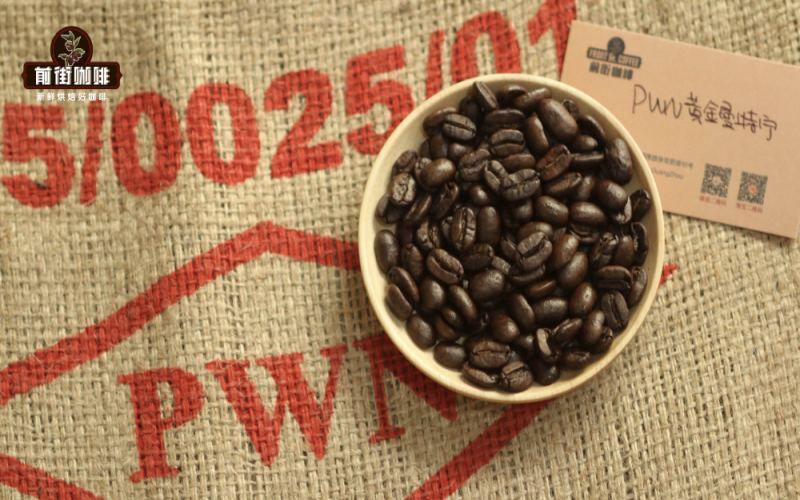
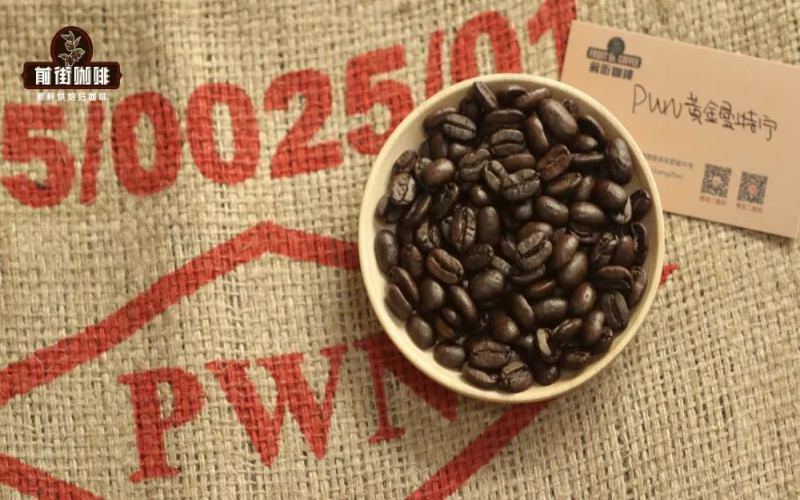
Front Street Mandheling and Front Street PWN Golden Mandheling are the darkest-roasted pour-over single origins on the Front Street bean list, known for their rich, substantial body and distinctive herbal-spice flavors. Many people wonder: both are medium-dark roasts, so why is it only Mandheling that carries this aroma? The answer lies in the wet-hulling method of Sumatra, Indonesia. With high temperatures, abundant rain, and humidity that stays at 70–90% year-round, plus annual rainfall exceeding 2000mm, local farmers developed this semi-washed approach to shorten the processing cycle. From depulping, a brief fermentation, and drying in parchment, to hulling the seed coat once the moisture content drops to 30–50%, then continuing to dry down to 12%–15%, every step shapes its signature herbal, driftwood, and stuffy aromatics. This article will fully break down the specific steps of the wet-hulling method and explain how this unique regional flavor is formed. [more…]
What are the differences between natural, washed, and honey processing? A detailed explanation of the steps and flavor characteristics of the three major coffee bean processing methods
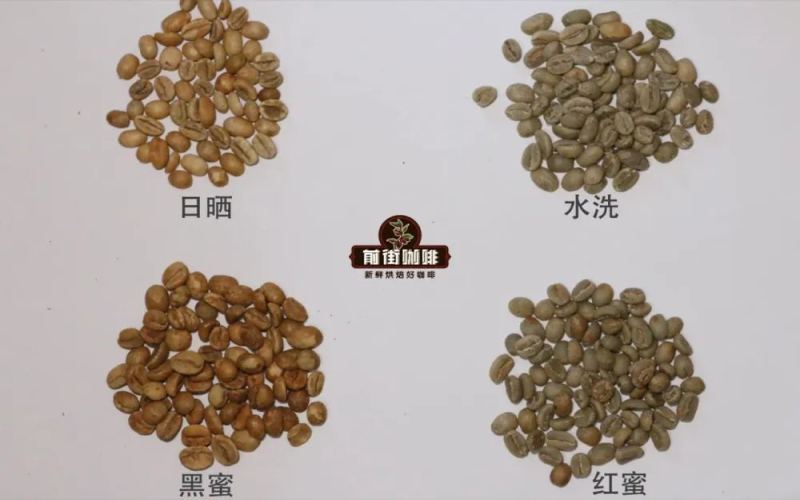
Beyond variety and origin, the processing method also plays a key role in the flavor differences of coffee beans. The mainstream coffee processing methods today can be broadly divided into three major categories: natural processing (dry method), washed processing (wet method), and honey processing (semi-dry method). Different processing procedures give coffee beans distinctly different aromas, acidity, and sweetness. In the following text, Front Street Coffee will explain one by one the specific steps of these three processing methods, their respective characteristics, and the flavor performance found after cupping, to help coffee enthusiasts more systematically understand the impact of processing methods on coffee flavor. [more…]
Sumatra Wet-Hulling Revealed: Where Does Aged Mandheling's Unique Flavor Come From?
Sumatra Mandheling coffee from Indonesia has always been loved as the darkest-roasted bean on Front Street Coffee's menu, with a full body and low acidity. Behind its unique musty aroma, herbal notes, and aged-wood character, what secret is actually hidden? The answer is inseparable from the local hot, rainy environment and the distinctive wet-hulling process. This article will start from the growing conditions of Front Street Mandheling, analyze each stage of the wet-hulling process, explain the relationship between peaberry beans, defect rates, and a sense of place, and further introduce the aging process and time requirements of Aged Mandheling, giving you a complete understanding of this highly recognizable coffee. [more…]
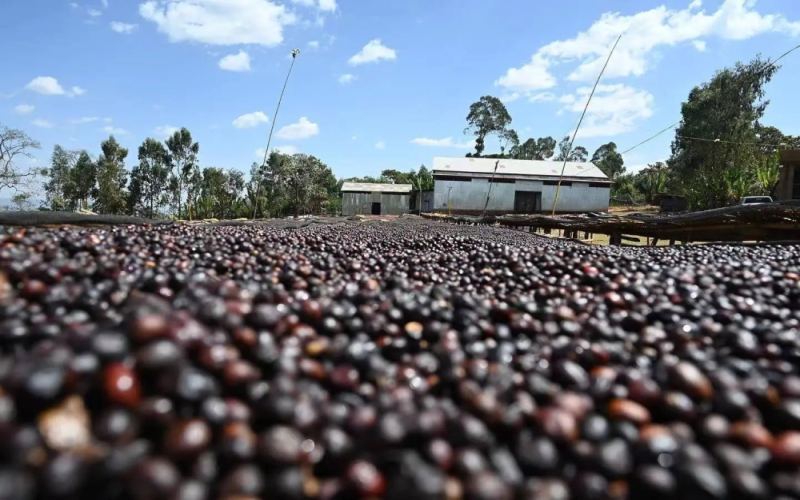
Natural, Washed, Honey, Wet-Hulled, Anaerobic: A Flavor, Taste, Variety, and Origin Analysis of the Three Major Coffee Bean Processing Methods
The processing method of coffee directly determines the flavor direction in the cup. Front Street Coffee (FrontStreet Coffee) has found in daily conversations with customers that more and more people are paying attention to coffee bean processing methods, which precisely shows that everyone's understanding of coffee is continuously deepening. This article systematically sorts out mainstream processing techniques such as natural, washed, honey, wet-hulled, and anaerobic fermentation, comparing them item by item from operational processes, flavor performance, bean appearance, to origin suitability conditions, helping coffee enthusiasts build a clear cognitive framework. The article also combines specific beans currently sold by Front Street, such as Yirgacheffe, the Costa Rica Musician series, and Mandheling, to explain how different processing methods shape their respective sweetness, acidity, and aroma characteristics, providing reference for bean selection and brewing. [more…]

From Aroma to Aftertaste: Master the Complete Professional Coffee Tasting Process and Flavor Description Methods
Drinking coffee and tasting coffee are two different things. Truly professional tasting requires engaging the senses of smell, taste, and touch, progressively capturing the three-dimensional character of a cup of coffee—from dry aroma and wet aroma to the flavor changes at high and low temperatures. This article uses Front Street Coffee's tasting class as a thread, systematically outlining the basic process of tasting coffee, and drawing on the dimensions of COE cupping to explain one by one the methods for judging and describing aroma, cleanliness, sweetness, acidity, mouthfeel, flavor, aftertaste, and balance. Whether you are a beginner just getting started or an advanced enthusiast looking to improve your ability to articulate what you taste, you will find actionable tasting approaches and practical references here. [more…]
Exploring Indonesian Mandheling: How Wet-Hulling Creates Sumatra Coffee's Piney, Caramel, Herbal Flavors
Mandheling coffee stands out in the specialty coffee world with its thick body, low acidity, and distinctive herbal spice aroma. As the darkest-roasted pour-over single origin on Front Street Coffee's bean list, Front Street Mandheling and Front Street PWN Golden Mandheling captivate countless coffee lovers with their rich bitterness, steady sweet aftertaste, and signature earthy aroma. So why is it that among medium-dark roasts, only Mandheling carries this hard-to-replicate flavor? The answer lies in the humid climate of Sumatra, Indonesia, and a special processing method known as wet hulling. This article will take you through every step of wet hulling and reveal the true source of Mandheling's regional flavor. [more…]
A Complete Guide to the Three Major Coffee Bean Processing Methods: Production Processes and Flavor Differences of Natural, Washed, and Honey Processing
The flavor profile of a cup of coffee is determined not only by variety and roasting, but also decisively by how the green beans are processed. The coffee industry currently groups processing methods into three major categories: natural processing (dry method), washed processing (wet method), and honey processing (semi-dry method). The natural method lets whole coffee cherries dehydrate and dry directly in the sun, giving the beans rich, complex fruity aromas and fermented sweetness; the washed method removes the skin and pulp and involves tank fermentation, producing a clean, bright profile with pronounced acidity; honey processing falls between the two, deliberately retaining some mucilage during drying, creating a distinctive fermented aroma and sweetness. Front Street Coffee will walk through the specific steps, key control points, and flavor outcomes of these three processing methods one by one, helping coffee lovers build a clear framework for understanding processing methods and find the cup that best suits their taste. [more…]

An In-Depth Analysis of Aceh Sumatra Tiger Mandheling: Wet-Hulled Process, Green Bean Characteristics, and Five Pour-Over Recipes
In Aceh Province, at the northernmost tip of Sumatra, Indonesia, on volcanic soil surrounded by Lake Tawar and the Gayo Mountains, grows a Mandheling known for its cleanliness—Tiger Mandheling. It is mainly composed of three varieties: Caturra, Typica, and Sidikalong. After wet-hulling, it presents a balanced flavor of cream, dark chocolate, and nuts. This article will systematically review the bean's producing region background, wet-hulling process, green bean variety characteristics, medium-dark roast profile, and provide specific parameters and flavor performance for five brewing methods: V60, KONO, siphon, AeroPress, and French press, helping coffee enthusiasts fully understand this Indonesian coffee that combines body and clean taste. [more…]
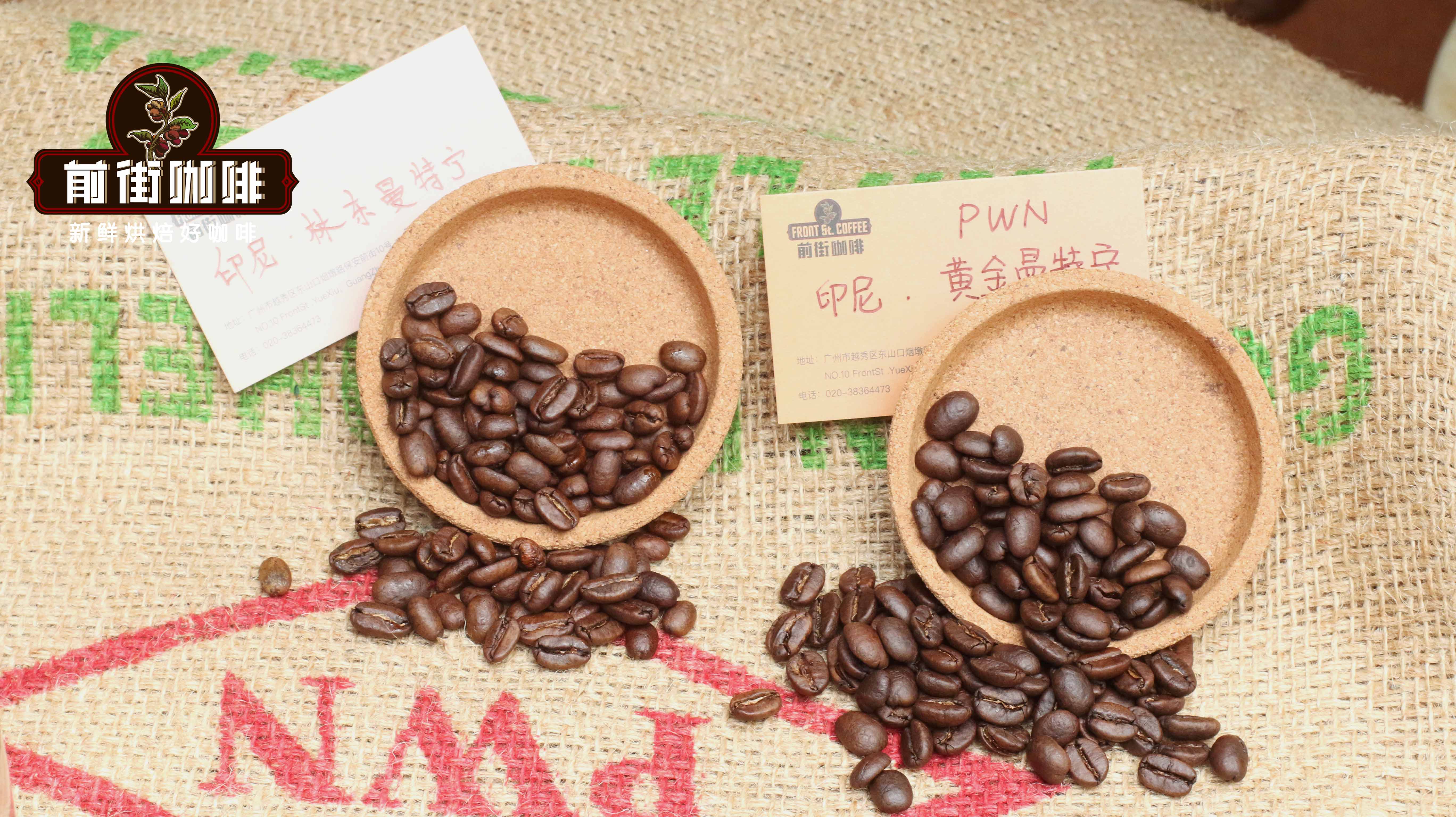
Analysis of Indonesia's Wet-Hulled Processing Method: The Flavor Origins of Golden Mandheling and Pour-Over Extraction Parameters
Golden Mandheling's signature full body and herbal spice aroma originate from Indonesia's unique wet-hulled processing method. This practice of forcibly removing the parchment while the green beans still have high moisture content, though it increases the defect rate, unexpectedly creates Mandheling's distinctive regional flavor. This article provides a complete overview of the seven steps of the wet-hulled method, analyzes its connection to Indonesia's humid climate, and explains how PWN elevates Golden Mandheling to G1 grade through four rounds of hand sorting. At the same time, Front Street Coffee baristas will share a pour-over recipe tailored for medium-dark roasted Mandheling, including KONO dripper selection, grind size, water temperature, and a three-stage pouring technique, helping enthusiasts recreate the classic flavor of intertwined dark chocolate and caramel at home. [more…]