







What Creates the Smell and Flavor of Roasted Coffee?
Coffee aroma comes from hundreds of compounds formed during roasting. Green beans have almost no smell. When heat is applied, sugars and amino acids react in what is called the Maillard reaction, and later the caramelization and Strecker degradation steps add more. These reactions produce nutty, bready, and caramel notes that we recognize as roasted coffee.
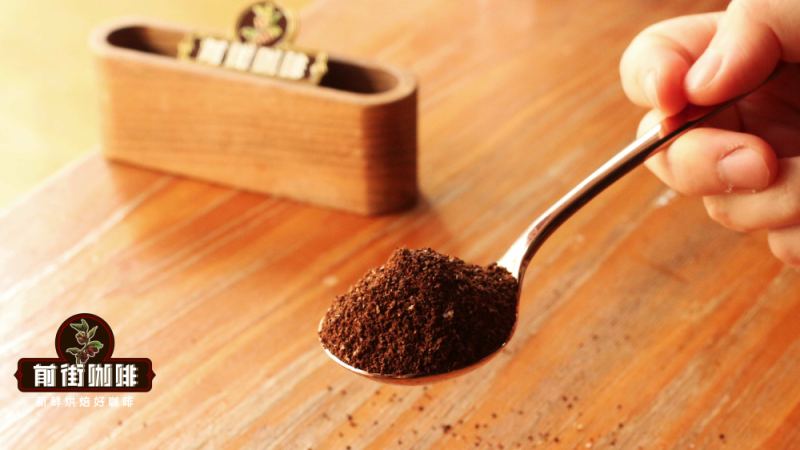
The roast level changes the balance. A light roast keeps more fruity and floral acids, while a dark roast builds smoky and bitter notes as sugars break down. Origin also matters, since the bean's variety, soil, and processing set the raw materials. Grinding releases the aroma quickly, which is why fresh ground coffee smells strongest right after it is ground.
The allure of coffee often begins with that first waft of aroma. Many people, even if they don't drink coffee regularly, are drawn in by the dry fragrance released the moment beans are ground. Front Street Coffee frequently encounters such customers in its stores—they prefer the dry aroma of coffee grounds and the wet aroma of the brewed liquid over the taste on the palate. So, what exactly makes up coffee's aroma? And what reactions occur during roasting? This article will explore the over one thousand volatile compounds in coffee, organized into the four major categories of enzymatic, caramelization, dry distillation, and defective groups, to analyze the difference between dry and wet aromas, and discuss why coffee often smells better than it tastes, guiding you to rediscover the flavors in your cup from both olfactory and gustatory perspectives.
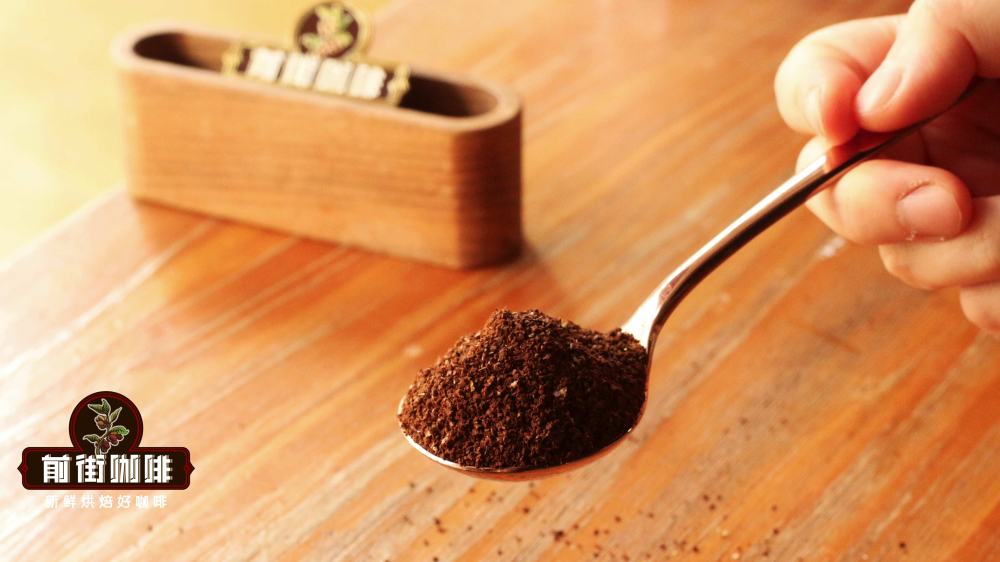
Perhaps you don't love drinking coffee, but it's hard to resist its aroma. Front Street Coffee often meets customers who have never tried single-origin coffee and, out of curiosity, want to give it a try. Based on Front Street Coffee's observations and customer feedback, rather than truly savoring the taste of coffee, they often prefer the dry aroma when it's first ground and the wet aroma of the brewed liquid after preparation.
In the public imagination, coffee flavor mostly remains stuck in the classic notes of the dark roast era—a complex aroma woven from spices, roasted nuts, hazelnuts, caramel, and woody tones. And when it comes to the taste of classic coffee, one word sums it up: "bitter." It is precisely because dark roast coffee has long dominated the mainstream that people have formed this perception: a black liquid that smells great but tastes bitter.
With the rise of light roast coffee, the taste of coffee is no longer just bitter; you can also sense acidity, sweetness, and even saltiness. At the same time, the changes in aroma are even more colorful—in light roasts, we can capture notes of flowers, citrus, berries, tropical fruits, and sugars.
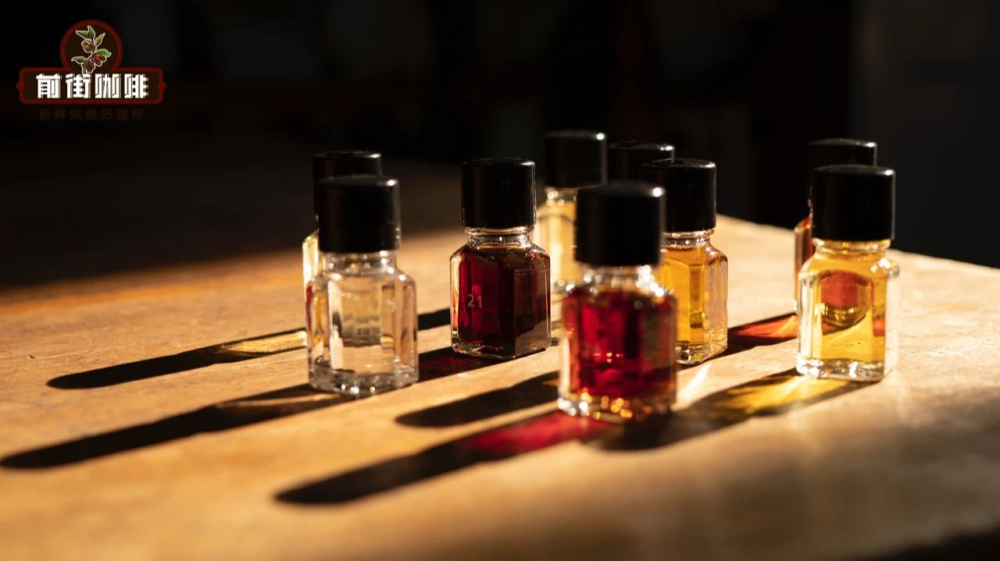
The reason coffee aroma is so rich lies in the more than 1,200 aromatic compounds hidden within coffee beans. These volatile and semi-volatile compounds together weave a complex aroma profile. Faced with such a vast aroma system, mainstream coffee institutions typically divide it into four major categories: enzymatic, caramelization, dry distillation, and defective groups.
The aromas of the enzymatic group originate from enzymatic catalysis during the coffee's growth or processing stages, primarily featuring fresh, sweet-and-sour tones such as floral, lemon, peach, honey, and cucumber.
The aromas of the caramelization group are formed through the Maillard reaction and caramelization during roasting, mainly presenting notes of caramel, maple syrup, dark chocolate, and roasted nuts.
The aromas of the dry distillation group are products of the carbonization of fibrous materials during roasting, commonly including spices, woody notes, and smoky flavors.
The aromas of the defective group mostly come from quality defects in the coffee beans themselves or improper roasting, typically manifesting as rubbery, leathery, earthy, or rotten fruit notes.
Returning to the question of why coffee doesn't taste as good as it smells. The moment coffee is ground into powder, the aroma is at its most complex and spreads the widest—this part we call the dry aroma. The reason is that once coffee beans are ground, their surface area increases dramatically, and volatile aromatic compounds easily escape into the air. So when grinding beans, you can clearly perceive the dry aroma without even bringing your nose close.
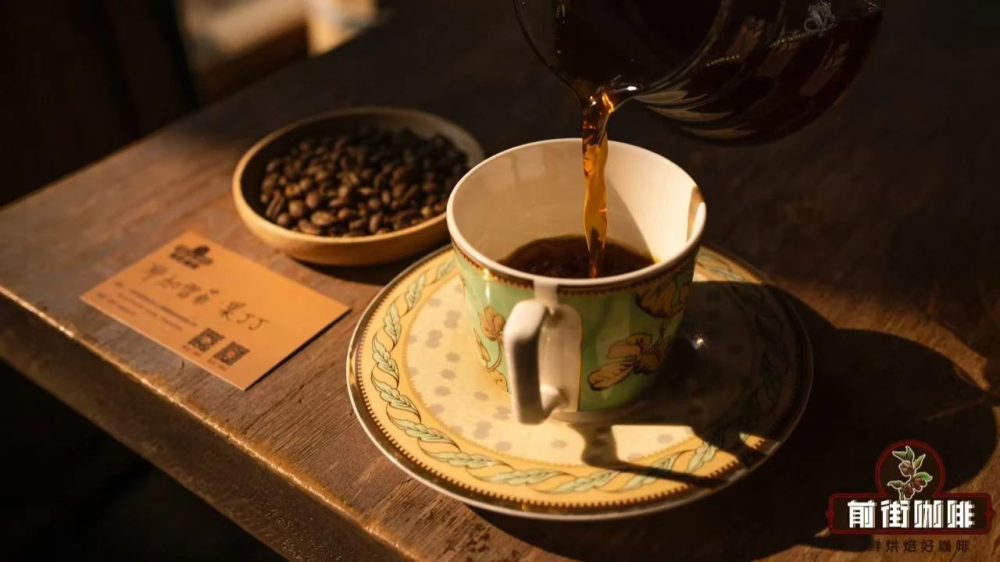
The dry aroma of coffee not only captures the scents of the enzymatic and caramelization groups but also the aromas of the dry distillation group—this is also a fairly clear dividing line between dry and wet aromas. Wet aroma refers to the scent released by the brewed coffee liquid; at this point, the volatility intensity is far less than the dry aroma, requiring you to bring your nose close to the rim of the cup to smell it.
The wet aroma of coffee is equally layered and rich. For example, if you smell floral and citrus notes, you can associate it with a coffee of bright acidity; if you catch aromas of honey, grape, or strawberry, you can infer that the coffee has quite prominent sweetness.
So now you should understand why it doesn't taste as good as it smells. Usually, we are first attracted by the coffee's aroma, and only after finding it pleasant do we get the urge to drink it. Precisely because the aroma sets the expectation for the cup very high, if the actual taste doesn't match that expectation when it hits your palate, you experience the letdown of "smells great, tastes average."
In particular, many friends decide to try their first cup of coffee precisely because they were moved by the aroma. Lacking specific knowledge, they can only rely on their own memory bank to infer the taste. For instance, if they smell distinct honey or roasted sweet potato notes in a coffee, they naturally assume it should taste equally sweet. But coffee is ultimately coffee—even beans with relatively high sweetness may still be judged as sour or bitter, rather than sweet, by a first-time taster.
Actually, during the process of drinking coffee, we can also perceive aroma—this stage is called "retronasal olfaction." Unlike directly smelling the dry or wet aroma, it occurs when the atomized coffee liquid in the mouth carries aromatic compounds back to the nasal cavity, where we detect them. However, retronasal olfaction is less vivid compared to directly smelling the aroma and is easily overlooked.
The above content is compiled by CoffeeHunters, a coffee news website.


