







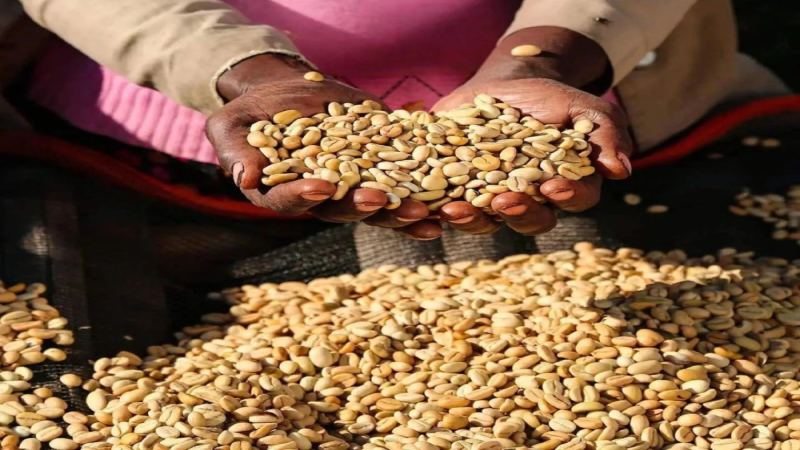
The processing method of green coffee beans directly determines the final flavor expression in the cup. Natural, washed, honey, and pulped natural methods each have their own unique processing logic and flavor tendencies. This article systematically sorts out the core differences among the three major categories of processing methods, deeply analyzes the origin, operational key points, and flavor characteristics of the semi-dry method (including pulped natural and honey processing), and combines Front Street Coffee's cupping experience to help coffee enthusiasts understand the impact of different processing methods on coffee taste, providing a reference for daily bean selection and tasting.
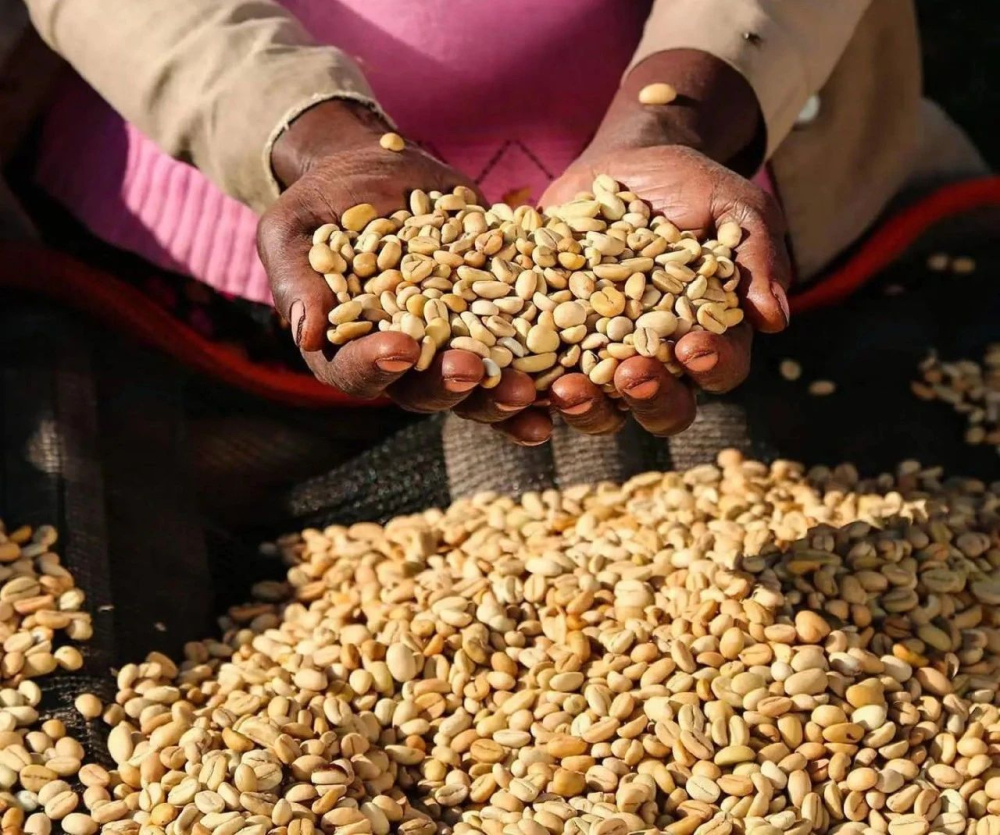
Coffee bean processing methods can be broadly grouped into three major categories: natural processing (i.e., dry processing), washed processing (i.e., wet processing), and honey processing (i.e., semi-dry processing). Below, Front Street Coffee will explain them one by one.
Method One: Natural Processing / Dry Processing (dry processing)
This is a traditional method with a long history, commonly called "natural." In practice, it is very straightforward: after harvesting, the coffee cherries are not stripped at all; the whole fruit is spread directly in the sun to dry until the moisture content drops to between 10.5% and 12%. If sunlight conditions are ideal, this method is the most energy-efficient; but if there is not enough sunlight or other situations arise, the entire process or part of it may also rely on dryers to complete.
Since the drying process does not necessarily have to rely on sunlight, the more accurate technical term is "dry processing" rather than "natural method." Of course, drying in the sun is still the mainstream approach in dry processing. In major coffee-producing countries such as Ethiopia, Yemen, and Brazil, the proportion using dry processing exceeds 80%, and many other origins also use this method, especially in areas where water resources are scarce.
There are a few more points that need to be added about dry processing:
If sun-drying is used, it generally takes 2 to 4 weeks or even longer, depending on weather conditions and the desired flavor. During the drying period, special attention must be paid both to preventing excessive temperatures and to avoiding mold or over-fermentation in the beans, which can produce undesirable odors;
If a dryer is used instead, the variables in each stage are easier to control, and the drying speed is faster than sun-drying, but machine and energy costs increase, and the flavor is usually not as good as beans dried entirely in the sun; the dried fruit after processing is usually stored together with all its covering layers, and only when it is ready to be shipped are the outer layers all removed mechanically. This step is called dry milling;
Drying time and temperature levels can affect coffee flavor to varying degrees. For example, under conditions of strong sunlight and a dry environment, if no special control is applied, the mucilage may dry out before it has had time to ferment, so the coffee beans lack the fruity aroma and sweetness brought by moisture and slight fermentation. The beans perform mediocrely, just like most Brazilian commercial beans, which is also one of the reasons natural beans once had a poor reputation; conversely, if the drying time is extended and the temperature is properly controlled so that the coffee fruit undergoes slight fermentation, the beans will display rich and varied fruity aromas.
After cupping many naturally processed coffee beans, Front Street Coffee found that beans that completely retain the original coffee fruit and are reasonably sun-dried usually present complex fruity aromas, accompanied by a soft fermented aroma, with an overall smooth mouthfeel and prominent sweetness.
Method Two: Washed Processing / Wet Processing (wet processing)
This is what everyone often calls the "washed method," developed by the Dutch in the 18th century. The reason the Dutch invented this method was that their colonies (such as Java) had a humid and rainy climate and lacked continuous, stable sunlight, making it difficult to implement the natural method (at that time there were probably no dryers yet). The traditional process is as follows: first remove the skin and pulp of the coffee cherry, then place the parchment beans with mucilage still attached into a tank to ferment, so that the sugars in the mucilage decompose and the stickiness disappears, then rinse away all remaining matter outside the parchment with clean water, and finally dry. Because the skin, pulp, and mucilage have all been removed, the drying time is greatly shortened.
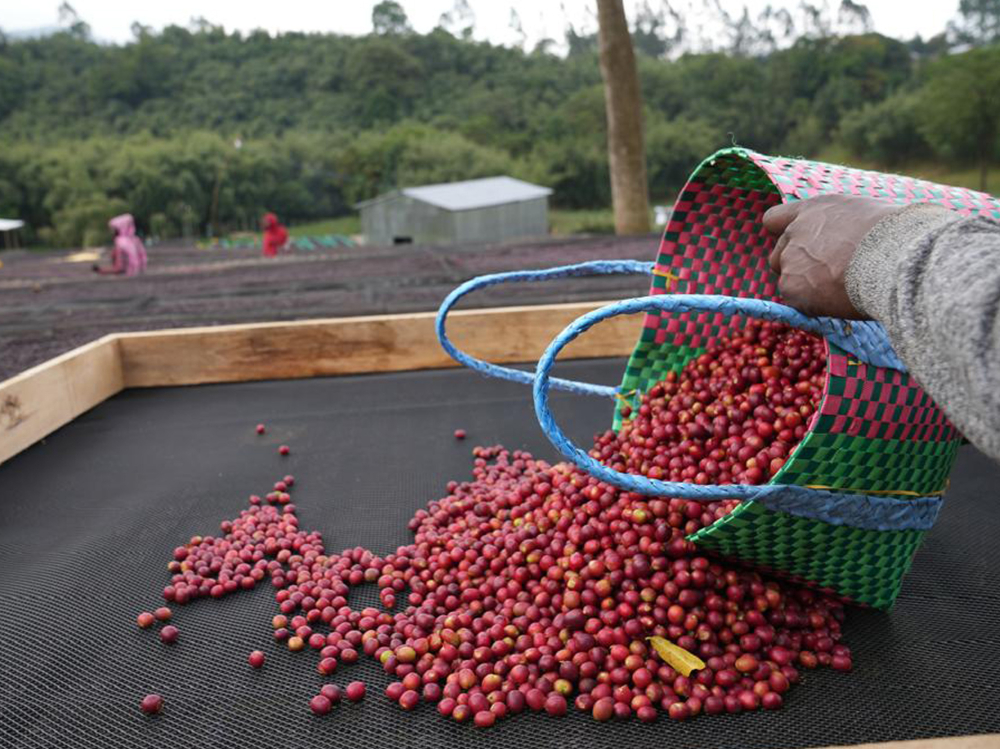
The following are additional notes about wet processing:
The time required to complete fermentation ranges from 12 hours to 6 days, depending on the temperature at the time, the number of yeasts, and the specific method used. For example, if the Kenyan method is used, it requires more than one cycle of fermentation and rinsing, and can take several days;
Judging when to stop fermentation is an extremely critical step in the washed method. If fermentation is insufficient, the mucilage is not easy to wash clean; if fermentation is excessive, the coffee will carry a sour, stinking taste;
The traditional washed method requires a large amount of clean water when rinsing off the residue outside the parchment, and it easily creates an environmental burden. However, industrial technology has now innovated, for example by filtering and reusing water, or replacing water rinsing with a friction machine, both of which can significantly reduce water use. This is also why professionally it is called "wet processing" rather than "washed method";
Wet-processed coffee has a notable characteristic: part of the acid produced during mucilage fermentation penetrates into the bean; at the same time, because there is no pulp or mucilage attached outside the parchment during drying, it lacks the fruity aroma unique to natural beans, and the flavor tends toward clean and bright, with more prominent acidity.
After cupping many washed-process coffee beans, Front Street Coffee found that after the fermentation stage, the overall character of the coffee beans is very clean and bright, and it also greatly tests the quality of the beans themselves. Front Street Coffee believes that under washed processing, the quality of a coffee bean will be fully revealed, and it can also excellently display the unique flavor of the coffee-producing region.
Among the many coffee beans listed by Front Street Coffee, there is a series of selected daily-drink coffee beans from one producing region. Except for Brazil and Indonesia, where the producing conditions make washed coffee beans unavailable, the selected daily-drink beans from the other 5 producing regions—Ethiopia, Guatemala, Colombia, Costa Rica, and Yunnan—all use washed processing. We hope everyone can identify the basic flavors of coffee beans from popular producing regions in the most cost-effective way.
Method Three: Semi-Dry Processing (semi-dry processing)
This method lies between dry and washed processing and can be further divided into two types: pulped natural and honey processing. The operations of the two are basically similar: both first remove the skin of the coffee cherry as in wet processing, but skip the "tank fermentation and clean-water rinsing" steps of wet processing and take the beans directly into the sun to dry. Although they appear not very different, one key difference creates two completely different flavors, and they are worth explaining separately.
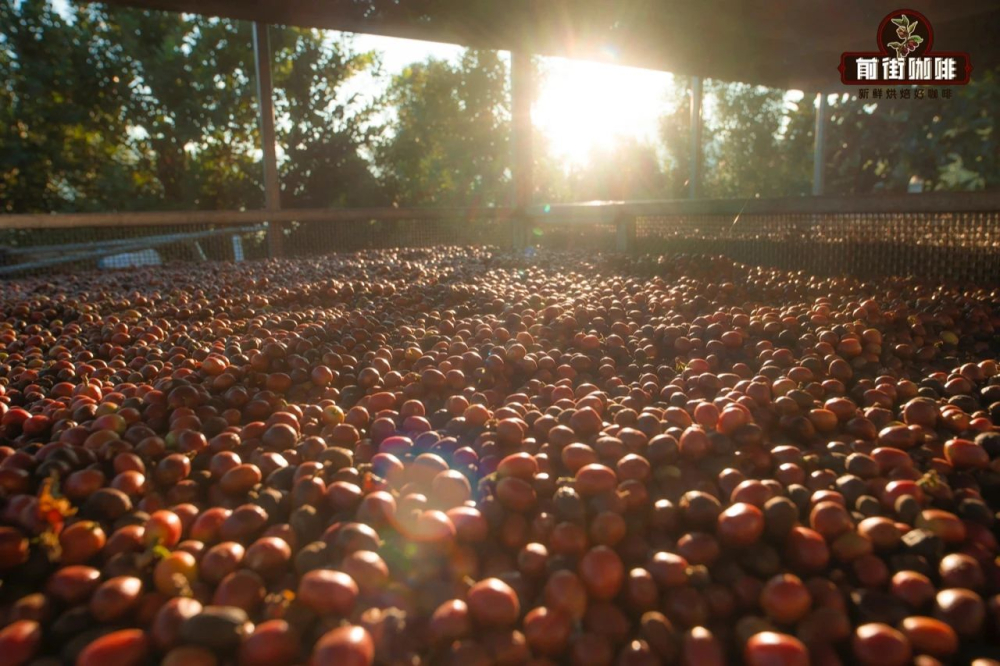
(A) Pulped Natural (pulped natural)
This method was developed in the 1980s and 1990s by the Brazilian coffee equipment manufacturer Pinhalense. After repeated experiments, Pinhalense developed the modern depulper (also called a pulp separator), which uses squeezing to take the seeds out of ripe coffee fruit, and uses a high-tech pressure washing machine to remove as much mucilage as possible, then puts the beans out to dry to the required degree.
Because there is no fermentation process, the risks of over-fermentation or under-fermentation are reduced, and coffee bean quality tends to be consistent; but precisely because this step is missing, the coffee flavor is somewhat monotonous. Therefore, high-quality coffee rarely uses this processing method. This method uses far less water than the washed method, and some practices are similar to wet processing (removing skin and pulp), while others are similar to dry processing (without tank fermentation), so it is also called the semi-washed method. By the way, one or two companies in Brazil and Colombia have patented high-pressure automated washing equipment, forming a quasi-monopoly in the market.
(B) Honey Processing (miel method)
Honey processing (often written in English as honey process) is a method partially improved on the basis of pulped natural. It is currently popular in Costa Rica and El Salvador, and is gradually spreading in Central America, even expanding to coffee-producing countries around the world. The name comes from the fact that the beans deliberately retain part of the mucilage (the "honey") during drying.
Its origin and method are as follows:
In the 1990s, Costa Rica developed the demucilager to replace Brazil's depulper. The difference between the two machines is that the demucilager can adjust pressure and aperture size, retaining part or all of the coffee bean's mucilage during the removal of the skin, and then the mucilage-covered beans are taken to dry in the sun (beans with mucilage cannot be dried with machine assistance, and must bear the risk of over-fermentation or mold).
Because the mucilage briefly ferments during drying, the coffee beans gain a little more acidity; at the same time, a small amount of the sugar in the mucilage also penetrates into the bean, adding a touch of sweetness to the coffee, which Brazil's pulped natural method does not have. Some processors even call their coffee 40%, 60%, 80%, or 100% honey-processed beans according to the amount of mucilage retained, but this wording probably has to be discounted, because in reality it is impossible to be that precise.
A more popular way of naming now uses colors instead of percentages, divided into black honey, red honey, yellow honey, white honey, and so on. The more mucilage retained, the darker the bean color after drying, and the closer the coffee flavor is to naturally processed coffee.
After cupping many honey-processed coffee beans, Front Street Coffee found that compared with natural processing, honey-processed coffee beans have a more obvious fermented aroma, like fruit wine, and the sweetness is also more prominent than that of naturally processed coffee beans.
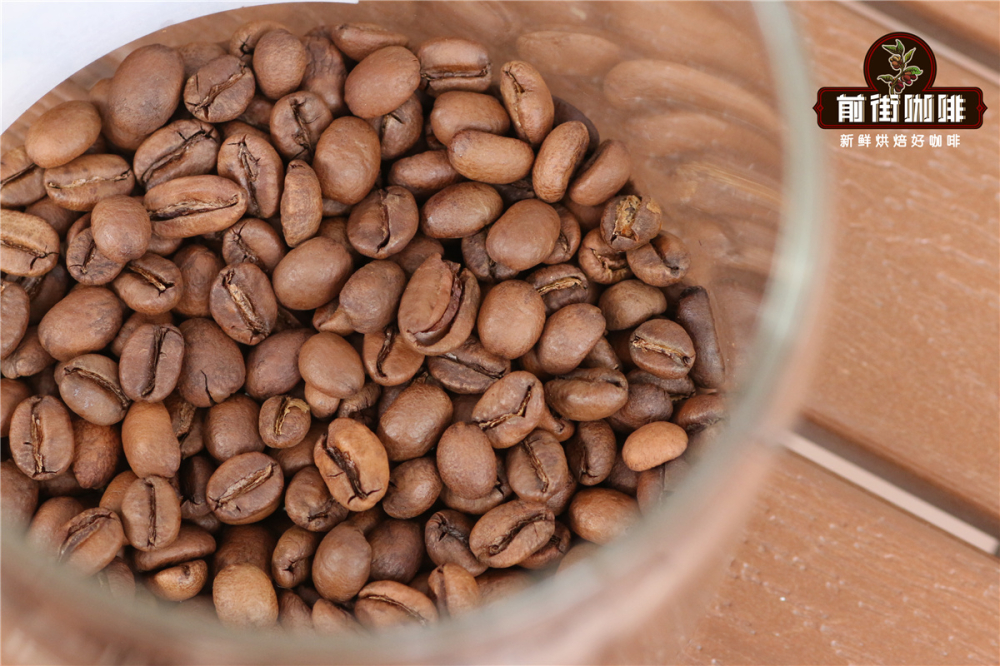
Sourness and an obvious fermented aroma are not acceptable to everyone, so if you are new to coffee, it is recommended to start tasting with natural processing~ The overall profile will be much softer and more balanced~
The above content is compiled by CoffeeHunters, a coffee news website.


