







Search Results for: Dormans Processing Plant

Kenya Kirinyaga Region Domaine Processing Plant: Coffee Characteristics, Grading System, and Front Street Cupping Records
African coffee enjoys a stellar reputation in the global market, and Kenya, as Ethiopia's neighbor, is likewise a high-quality producer that cannot be overlooked. This article focuses on Kenya's famous Kirinyaga region in central Kenya, introducing its geographical and climatic conditions, coffee flavor characteristics, and the operating model and quality control of the well-known local exporter DORMANS. It also outlines Kenya's green coffee bean grading system, including official size grades and industry cup-testing grading standards. Finally, it shares the cupping performance of the Kirinyaga washed beans sourced by Front Street Coffee, delivering flavor notes of blackberry, smoked plum, cherry tomato, and citrus. [more…]
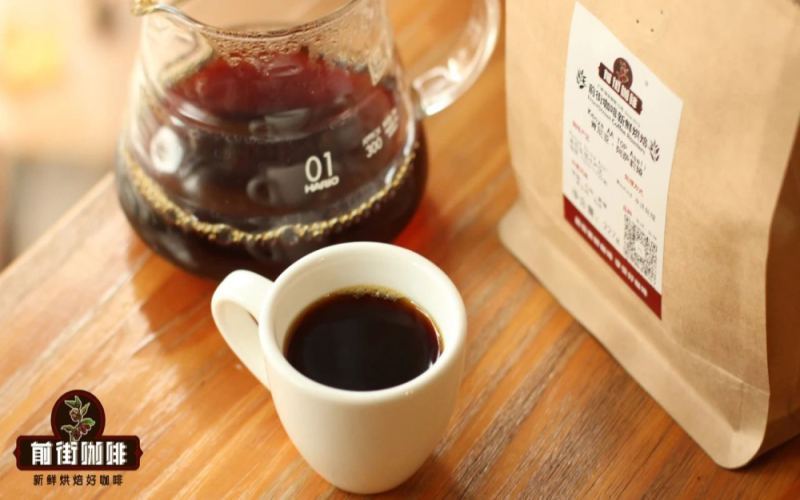
Kenya Coffee Industry Panorama: From Berman Estate to Front Street Asalia - Regions, Grading, and Flavor Analysis
Kenya, with its exceptional climate conditions and a continuously refined industry system, has cultivated Arabica coffee with distinct flavors and outstanding quality. This article starts with Dormans Estate, Kenya's largest coffee producer, to systematically trace the rise of Kenyan coffee—including the SL28/SL34 breeding mechanism, government promotion, the auction system, unique grading standards, and the 72-hour washed fermentation process—and further analyzes the characteristics of core producing regions such as Nyeri, Kirinyaga, and Murang'a. It also presents Front Street Coffee's Kenyan Asalia (Little Tomato) brewing recipe and flavor review, offering coffee enthusiasts a complete picture of Kenyan specialty coffee. [more…]
A Comprehensive Analysis of Kenya's Coffee Industry and the Dormans Estate: From Regional Systems to Front Street Coffee's Recommended Beans
Kenya, with its exceptional natural conditions and continuously improving industry system, has become an indispensable origin in the global specialty coffee landscape. This article begins with Dormans Estate, one of Kenya's largest coffee producers, and traces its quality control philosophy since its founding in 1950 and the origins of its title as the "King of African Coffee." It then systematically introduces Kenya's coffee cultivation mechanisms, government promotion, grading system, and the K72 washing process, and analyzes the characteristics of core producing regions such as Nyeri, Kirinyaga, and Murang'a one by one. Finally, it includes the brewing parameters and flavor description of Front Street Kenya Little Tomato coffee beans, providing coffee lovers with a complete knowledge map of Kenyan coffee. [more…]
Kenya AA Coffee and Local Specialty Brands Roundup: Dorman Estate and Front Street Recommendations
Kenya AA produced in Kenya is renowned for its bright fruit acidity, uniform bean size, and rich layered mouthfeel, making it a highly favored choice among single-origin coffees. This article focuses on Front Street Kenya coffee, answering why Kenyan local brands are rarely seen in mainstream channels, and systematically reviews four noteworthy Kenyan specialty coffee brands: JAVA HOUSE, DORMANS (Berman Estate), SAFARI LOUNGE, and Out of Africa. The content covers each brand's historical background, product positioning, flavor characteristics, and market layout, suitable for enthusiasts who want to gain a deeper understanding of Kenya's coffee landscape. [more…]
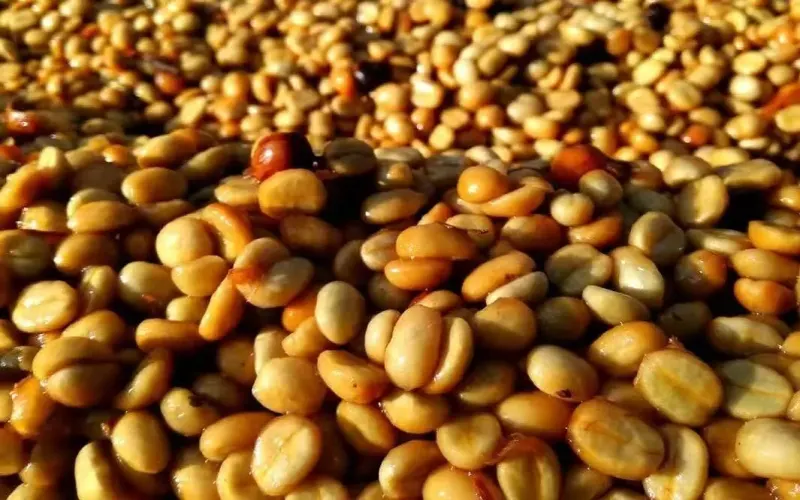
What makes Costa Rican honey-processed coffee so unique? Flavor profile and brewing analysis of Black Honey Caturra from Pilon Treatment Plant
Costa Rica, the birthplace of the honey processing method, has secured a significant place in the international market with honey-processed coffees known for their outstanding sweetness. Front Street Coffee recently selected a black honey processed Caturra from the Pilon Processing Plant in the Tarrazu region, and we're taking this opportunity to give everyone a deeper look into the unique sweetness that honey processing brings to coffee. This article will explore multiple dimensions, including the regional background of the Pilon Processing Plant, the history of the Caturra variety, the processing details of black honey, and the flavor profile and brewing recommendations of this bean, offering a complete picture of a quality black honey coffee from cultivation to cup. [more…]
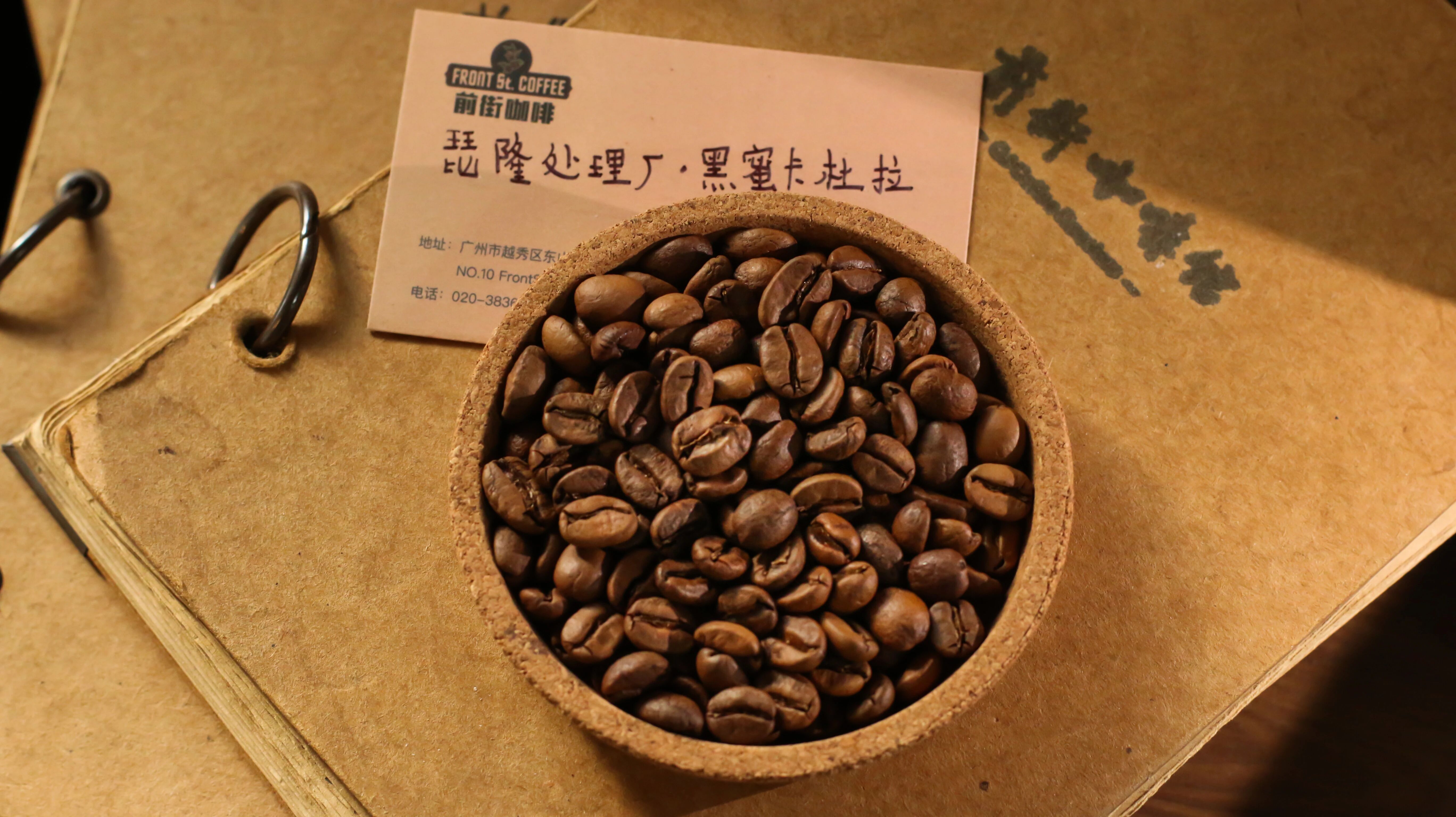
Exploring Costa Rica's Pilon Processing Plant Black Honey Caturra: Where Does the Sweetness Come From and a Full Flavor Analysis
Costa Rica is the birthplace of the honey processing method, and through this technique it has secured an important position in the international specialty coffee market. This article focuses on a newly introduced Caturra with black honey processing from the Pirong processing plant at Front Street Coffee, first outlining the Pirong processing plant's regional background and altitude advantages, then reviewing the origins and cultivation characteristics of the Caturra variety, followed by a systematic explanation of the specific procedures of honey processing and black honey processing and the differences in mucilage retention, and finally, through roasting and cupping, presenting the true flavor performance of this bean in dry aroma and tasting, including grape, berry, floral notes, and a slight fermented feel, helping coffee lovers understand where the abundant sweetness brought by black honey processing comes from. [more…]
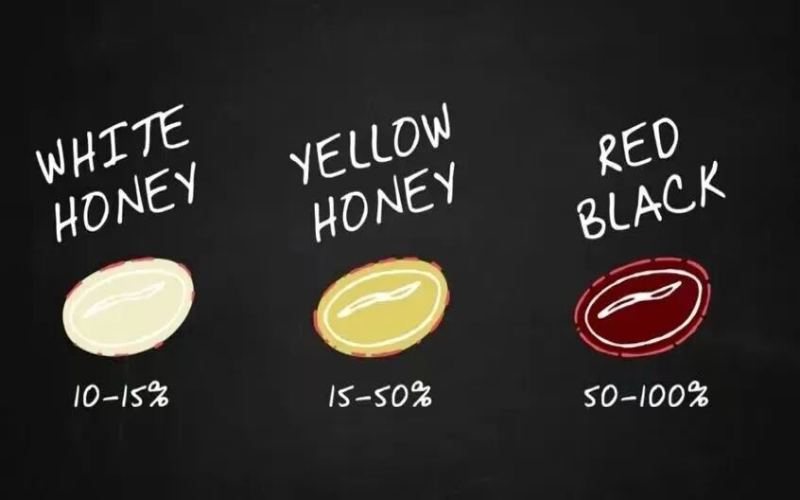
Specialty Pour-Over Coffee Bean Recommendation | What's the Difference Between Red Honey, Yellow Honey, and Black Honey Processing? An Introduction to the Flavor and Mouthfeel of Costa Rica's Pilon Processing Plant Black Honey Process Caturra
"Sweetness" is an excellent trait that can make a bean stand out. At Front Street Coffee, when selling coffee beans, we often have friends ask for "a bean with higher sweetness." When it comes to high-sweetness coffee, Front Street believes that the first thing many people think of is Costa Rican honey-processed coffee! As a honey-processed [more…]
Origin, Producing Region, Processing Plant, Cooperative, and Estate: The Classification Logic Behind Coffee Bean Naming
On specialty coffee bean lists, we often see names at different levels—origin, region, processing plant, cooperative, estate, and so on. What exactly does each of these represent? Why are some beans named after a region, some after an estate, and still others after a processing plant or cooperative? Starting from the definition of specialty coffee, this article will sort out the differences and connections among these concepts one by one, helping you more clearly understand the origin and underlying logic of each bean when you shop for and taste coffee. [more…]
Flavor Analysis of Honduras San Vicente Mill Pacas Coffee Beans and V60 Brewing Parameters Guide
The Copán region of Honduras is renowned for its chocolate-toned profile blended with honey-caramel sweetness, and the San Vicente processing plant is a frequent winner at the Cup of Excellence. The Pacas coffee beans cupped by Front Street Coffee this time come from smallholder Edgardo Tinoco near the San Vicente processing plant; after washed processing, they present a rich layering of black cherry, dark chocolate cake, almond and caramel. This article will sort through information on the Honduran growing region, the background of the San Vicente processing plant, the characteristics of the Pacas variety and the washed processing flow, and share Front Street's roasting records, cupping reports and V60 staged pouring insights, helping coffee lovers fully understand this bean's flavor thread and brewing key points from origin to cup. [more…]
Kenya Thika Region Asali Processing Plant: An In-Depth Analysis of SL28 and SL34 Varieties and the K72 Washing Method
Kenya, as an important representative of African specialty coffee, produces uniquely flavored coffee thanks to its high equatorial altitude and volcanic soil. This article focuses on the Asali Processing Plant in the Thika region, outlining the breeding background and flavor differences of the two major varieties SL28 and SL34, and explaining in detail Kenya's signature K72 washed processing method. It also presents the complete parameters and brewing performance of Front Street Coffee Asali AA TOP, whose layered notes range from cherry tomato to smoked plum, showcasing the typical charm of Kenyan coffee's bright acidity and clean mouthfeel. [more…]
Kenya Thika Region Asali Processing Plant: Flavor Analysis of SL28 and SL34 Coffee Beans
Kenya is an important representative of African specialty coffee, and its Thika region is renowned for its distinct tomato-like flavor and excellent acidity. Located in the Aberdare Mountains, the Asali Processing Station employs Kenya's signature K72 washing process, paired with the local main varieties SL28 and SL34, presenting a complex flavor interweaving cherry tomatoes, smoked plums, berries, and citrus. This article will guide you through Kenya's geographical and climatic conditions, the cultivation characteristics of the Thika region, the 72-hour fermentation process at the Asali Processing Station, and the origins and flavor profiles of SL28 and SL34, as well as sharing Front Street Coffee's brewing recommendations. [more…]
Costa Rica Tarrazu San Ramon Washed Beans: A Flavor Story from Mill to Cup and Brewing Parameters
Costa Rica is the first country in Central America to cultivate coffee. Over two centuries, its volcanic terroir and microclimates have nurtured world-class quality. This article takes you into the San Román processing plant in the Tarrazú region to understand how its washed process shapes a thick, full-bodied sweetness reminiscent of bitter-sweet chocolate and butterscotch, along with a restrained wine-like acidity. It also shares Front Street Coffee's manual brewing parameters and provides an overview of Costa Rica's seven major coffee regions and the industry at large. Whether you want to understand the processing plant revolution or are looking for your next everyday daily brew, this article has you covered. [more…]
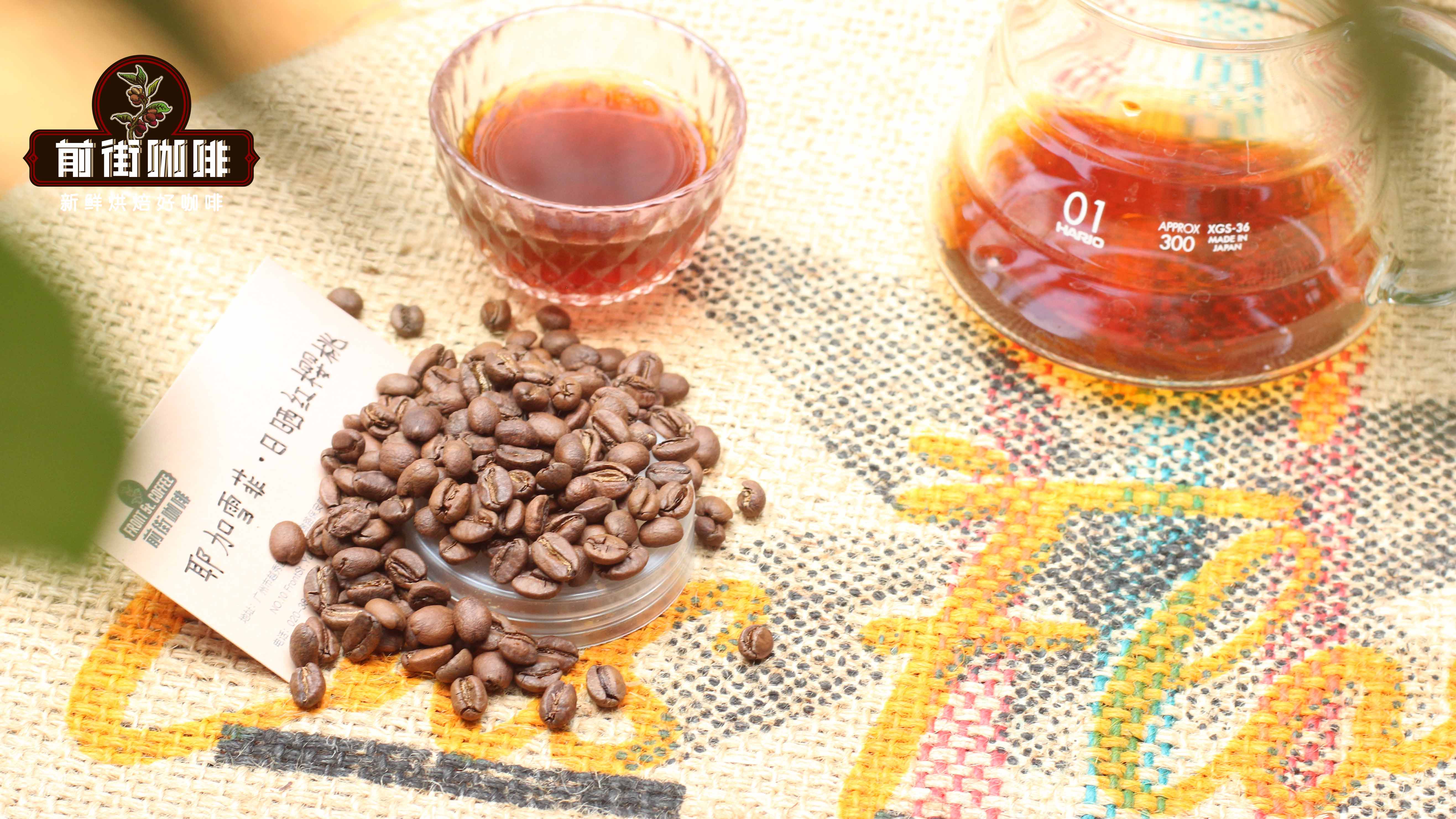
Front Street Yirgacheffe Natural Red Cherry Flavor Analysis: From Aricha Processing Station to Tropical Fruit and Floral Notes in the Cup
The Aricha processing plant in the Yirgacheffe region, with its superb natural (sun-dried) processing techniques, has made the Red Cherry lot a favorite among many coffee lovers. This article starts from the processing plant's background, the micro-region's terroir, and the sun-drying process, then breaks down in detail the dry aroma, wet aroma, and cup performance of Front Street Coffee's Yirgacheffe Natural Red Cherry, and extends to the floral notes, fruity charm, and sweet-tart layers of Front Street Coffee's Aricha G1. At the same time, we'll discuss how, under light roasting, dropping the beans at the peak of first crack versus the end of first crack affects flavor balance and acidity, giving you a complete understanding of what makes this bean so captivating. [more…]
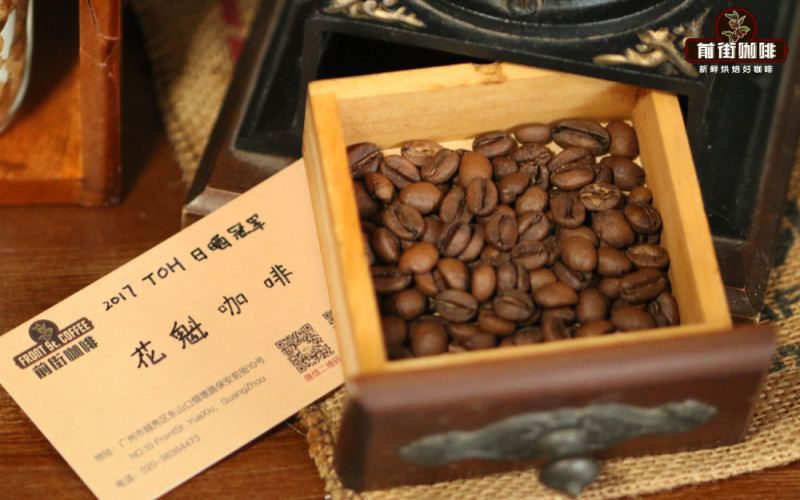
Where Does the Strawberry Aroma of Sidamo Huakui Coffee Come From? An Analysis of the Brewing and Flavor Evolution of Passion Fruit-Flavored Huakui
Since its introduction in 2017, Geisha coffee has quickly gained popularity with its bright strawberry and cream aroma, becoming a highly sought-after Ethiopian bean variety in coffee shops. From the original TOH champion batch to the current 8.0 version, many enthusiasts have noticed that the flavor of Geisha seems to change every year. This article will take you back to the origin of Geisha, Guji Hambela, to learn about the sun-drying process at the Buku Abel processing station, review the flavors and roasting curves of each version of Geisha that Front Street Coffee has sourced over the years, and analyze the causes of Geisha's aroma and the sources of its year-to-year differences. It will also share Front Street's V60 brewing parameters and techniques to help you better appreciate this classic coffee interwoven with passion fruit and berry notes. [more…]
A Complete Guide to Sidamo Huakui Coffee Beans: Flavor Evolution and the Origin of the Name from 6.0 to 8.0
Since its debut in 2017, Huakui coffee beans have quickly gained popularity with their signature strawberry-cream flavor. This famous bean from Hambela in the Guji region of Ethiopia has now been iterated to version 8.0, but many enthusiasts report that Huakui's flavor in recent years seems not as good as before. This article will comprehensively sort out the origin of Huakui's name, the terroir of its producing region, and the sun-dried processing technique, and introduce one by one the various versions of Huakui that Front Street Coffee has acquired over the years, from G1 to 4.0, with roasting curves and brewing parameters, to take you through a comprehensive understanding of this coffee bean's past and present. [more…]
How much does Wudong Dancong tea in an iron tin cost? A detailed explanation of Phoenix Dancong's shelf life and storage duration
Many people wonder why some teas have the characters "single bush" in their names—like the common Phoenix Dancong, aged Phoenix Dancong, and frozen Wudong Dancong. To understand this naming convention, we need to start with the definition of Phoenix Dancong: it is made by selecting superior individual bushes from the Phoenix Shuixian population, which are then cultivated, picked, processed, and sold separately. These tea trees, processed using the single-bush method, are collectively called Phoenix Dancong. In contrast is the blending process used for Pu'er tea: to create different flavors, tea makers blend leaves from different mountains, seasons, and tenderness levels. Of course, some Pu'er enthusiasts prefer single-bush ancient tree tea. It is precisely for the convenience of cultivation and management, picking and processing, and consumer purchasing that Phoenix tea farmers classify and name tea trees based on tree morphology, finished tea characteristics, and growing environment. Accumulated over generations, this has formed hundreds of strains and varieties. This article will explain the issues everyone cares about regarding Wudong Dancong: its tin box packaging, market price, shelf life, and storage time. [more…]
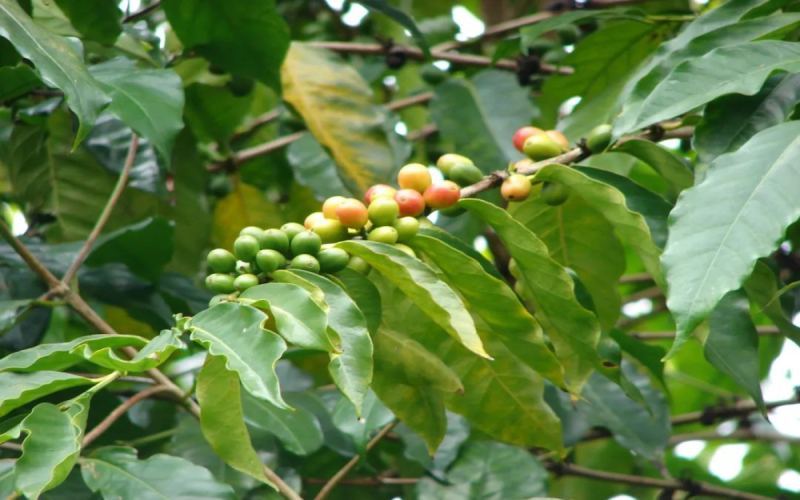
Exploring Ethiopia Sidamo: A Comprehensive Analysis of the Santavini Processing Plant 74158 Coffee Beans
Ethiopia, as the birthplace of coffee, boasts a rich variety of native heirloom varieties and unique natural conditions. The Sidama region, with its high altitude, fertile volcanic soil, and abundant rainfall, has become synonymous with high-quality coffee. The Santa Vini processing station, a high-altitude processing facility under DWD Company, processes the 74158 variety using a 96-hour anaerobic natural method, presenting tropical fruit flavors such as pineapple and citrus along with a full-bodied mouthfeel. Front Street Coffee has selected this bean and brews it using a V60, a 1:15 coffee-to-water ratio, and 92°C water temperature, delivering fermented wine aromas and a sweet red wine aftertaste that coffee enthusiasts will savor. [more…]
Analysis of the Flavor, Origin Background, and Pour-Over Brewing Plan for Costa Rica Tarrazú San Román Washed Coffee Beans
Costa Rica's Tarrazu region is renowned for its exceptional natural conditions and is widely recognized as a top-tier coffee-producing area. The San Roman processing plant, located in this region, primarily uses the washed process, and its coffees display intense, rich flavor profiles with a full body. Front Street Coffee's Costa Rica San Roman Royal Coffee comes from here, and after medium-dark roasting it presents a complex aroma of berries, caramel, cream, and delicate spices. This article will outline the terroir background of the Tarrazu region, the graded fermentation process at the San Roman processing plant, and the development trajectory of Costa Rica's coffee industry, along with the specific parameters for Front Street's pour-over brewing of this bean for coffee enthusiasts' reference. [more…]
El Salvador Finca Colombia Estate Pacamara Natural: Variety Characteristics and Flavor Analysis
Pacamara is a well-known variety developed in El Salvador, attracting attention in the specialty coffee world for its unique flavor performance. This article focuses on Finca Colombia estate in the Apaneca-Ilamatepec mountain range of El Salvador, reviewing its century-long history, variety cultivation, and natural processing methods, and analyzing El Borbollon processing station's practices in quality control and social responsibility. The estate owner Rafael Gerardo Caceres family adheres to traditional varieties and meticulous processing, presenting flavor layers of strawberry, lemonade, and creaminess. Front Street Coffee also recommends paying attention to this estate's natural batch, suitable for pour-over enthusiasts to experience its flavor characteristics. [more…]
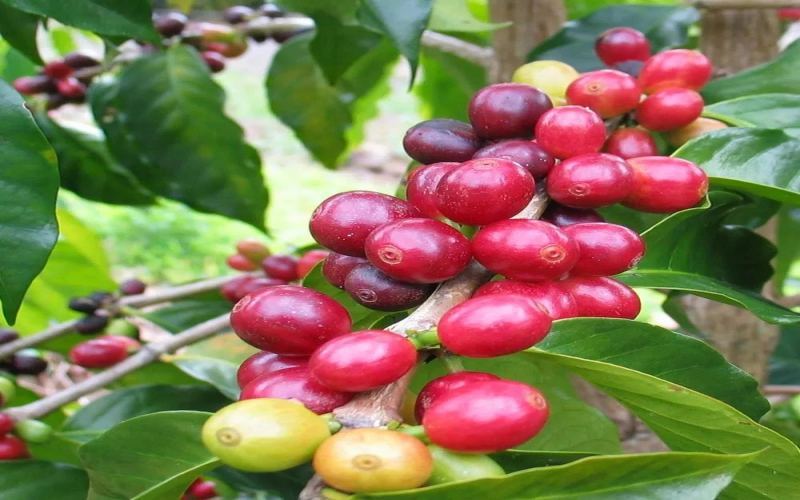
Flavor Characteristics of Natural Yirgacheffe Aricha Coffee Beans and Front Street Brewing Parameter Breakdown
Ethiopia is the birthplace of coffee, and Yirgacheffe is one of its most iconic specialty regions, known for its citrus florals and bright acidity. Washed Yirgacheffe is clean and transparent, while the natural process gives the coffee a fuller sweetness and fermented aroma. This article focuses on the Yirgacheffe Aricha natural coffee beans introduced by Front Street Coffee, covering the region's background, the story of the processing station, green bean grade, brewing parameters and flavor performance, while also comparing the differences between washed and natural processing methods, to help coffee lovers more fully understand the unique charm of this bean and Front Street Coffee's roasting philosophy. [more…]