







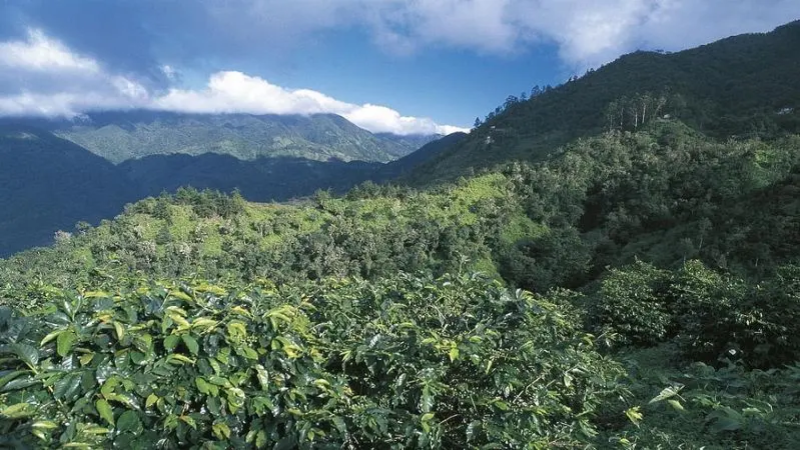
How Do SL28, SL34 and K72 Shape Kenyan Coffee Cultivation?
Kenya's Thika region sits near Nairobi at roughly 1,500 meters, with equatorial sunlight and volcanic soil. The Asali processing plant there handles two cultivars: SL28, known for blackcurrant-like acidity and a full body, and SL34, which tends to cup cleaner and heavier. Together they define the bright, structured profile buyers look for in Kenyan lots.
Cherries are washed using the K72 method: a 72-hour fermentation in clean water with periodic rinsing, followed by drying on raised beds. The long soak develops the clean mouthfeel and layered fruit notes, from cherry tomato to smoked plum, found in Asali AA TOP. Other types of coffee grown in kenya include Ruiru 11 and Batian, but SL28 and SL34 remain the reference points for coffee cultivation here.
Kenya, as a key representative of African specialty coffee, produces uniquely flavored coffee thanks to its high equatorial altitude and volcanic soil. This article focuses on the Asali processing plant in the Thika region, outlining the breeding background and flavor differences of the two major varieties SL28 and SL34, and explaining in detail Kenya's signature K72 washed processing method. It also presents the complete parameters and brewing performance of Front Street Coffee Asali AA TOP, from cherry tomato to smoked plum layers, showcasing the typical charm of Kenyan coffee's bright acidity and clean mouthfeel.
The map of coffee cultivation spans multiple continents around the globe, and Africa occupies a pivotal position within it. In addition to Ethiopia, widely recognized as the birthplace of coffee, many other African countries also produce coffee, including Kenya, Rwanda, and Tanzania, among which Kenya is one of the most representative and well-known origins in Africa.
Kenyan Coffee
Kenya is located in eastern Africa, with the equator passing through its central region and the East African Rift Valley running north to south. Most of the country consists of highlands at an average altitude of about 1,500 meters, and Mount Kenya in the central highlands reaches as high as 5,199 meters. Kenya has a rich variety of climate types, with the entire country lying in a tropical monsoon zone; the coastal areas are hot and humid, while the highlands have a mild climate, with average annual temperatures ranging between 12 and 26 degrees Celsius. Thanks to the combined effects of its equatorial location, high-altitude terrain, and volcanic soil, Kenya is able to produce high-quality specialty coffee.
Thika / Asali Processing Plant
Kenya has quite a number of coffee-producing regions, mainly distributed in the southwestern part of the country, including Bungoma, Embu, Kiambu, Kirinyaga, Kisii, Machakos, Meru, Mt. Elgon, Murang'a, Nakuru, Nyeri, Thika, Taita Taveta, and Trans-Nzoia, totaling 14 producing regions. Among them, Nyeri, Kirinyaga, Murang'a, Kirinyaga, and Thika are the most renowned.
Thika is a small town on the outskirts of Nairobi, Kenya's capital, and there are large numbers of coffee fields around Nairobi. Although Thika itself is an industrial town, it is surrounded by agricultural areas and waterfalls, and the region has roughly 2,000 coffee growers. The varieties currently grown mainly in Thika include SL28, SL34, Ruiru 11, and Bourbon. There are several well-known processing plants within the Thika producing region, and the Asali processing plant is one of them. In Swahili, Kenya's official language, Asali means honey. The processing plant is located in the Thika producing region of the Great Rift Valley in Kenya's Aberdare Mountains, and it mainly uses washed processing.
SL34&SL28
The origins of the two varieties SL28 and SL34 can be traced back to the late 1930s. At that time, the Kenyan government commissioned the former Scott Agricultural Laboratories (now the Kenya National Agricultural Laboratories) to select from 42 varieties and conduct research on yield, quality, and drought and disease resistance. SL is the abbreviation of Scott Laboratories, and SL34 and SL28 were among the results of this round of selection. Research ultimately showed that these two varieties performed excellently in terms of quality and flavor, but had weak disease resistance and were susceptible to coffee diseases.
According to genetic testing results, SL28 originates from the Bourbon variety, while SL34 comes from the Typica variety. However, the flavors of the two are quite similar, both possessing layered acidity and excellent sweetness in the finish. In terms of mouthfeel, SL28 is fuller, richer, and cleaner.
K72 Washed Processing
In terms of processing methods, Kenyan coffee is mainly washed, but the local washing process has its own unique features. After coffee farmers pick the fruit, they first select high-quality ripe cherries, depulp them, and place them in a fermentation tank to soak and ferment for 24 hours; after completion, they wash them clean, remove part of the mucilage, change the water, and ferment again for 24 hours. This cycle is repeated 3 times, totaling 72 hours, and finally the coffee is dried. This process is therefore called Kenyan 72-hour fermentation washed processing, or K72 for short. Using this method allows the coffee beans to undergo a long fermentation at low temperatures, thereby giving the coffee brighter acidity and a cleaner mouthfeel.
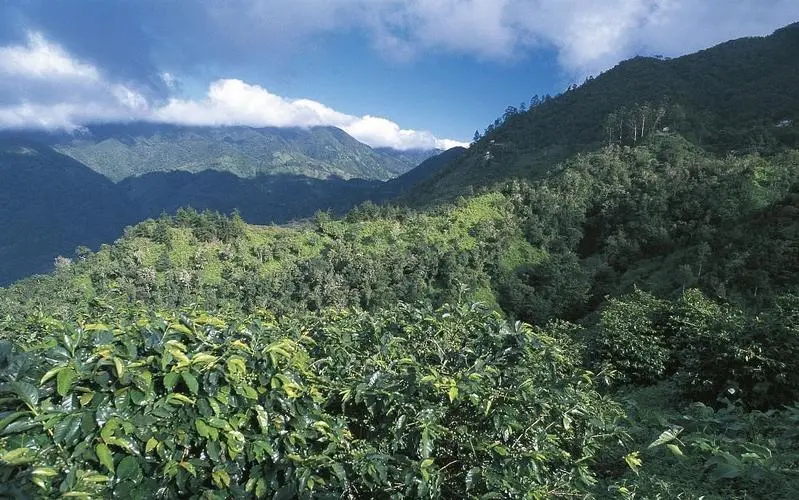
Front Street Coffee Kenya Asali AA TOP Coffee Beans Region: Thika Region Farm/Processing Plant: Asail Processing Plant Altitude: 1,550-1,750 meters Varieties: SL28, SL34 Processing Method: K72 Washed Processing Flavor: Cherry tomato, smoked plum, berries, citrus, green tea
This Kenyan Asali coffee bean from Front Street Coffee uses K72 washed processing and is roasted to a medium-light level. Front Street brews it with a V60 dripper, a 1:15 coffee-to-water ratio, and a water temperature of 92°C. You can smell ripe tomato notes and floral aromas; on the palate it presents flavors of cherry tomato and smoked plum, with bright acidity, prominent sweetness, a juicy texture, and a clean mouthfeel.
The above content is compiled by CoffeeHunters, a coffee news website.


