







Search Results for: Dirty Culture
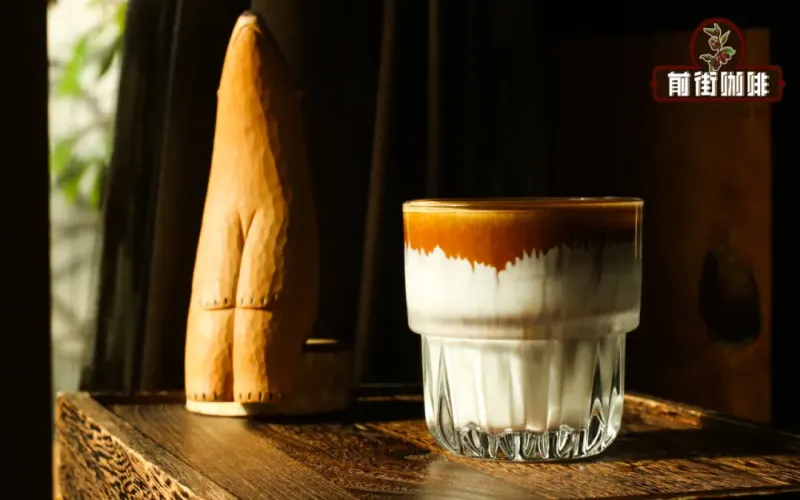
Why Dirty Coffee Went Viral: Differences Between a Dirty and an Iced Latte, and How to Make One at Home
Dirty coffee has continued to rise in popularity in the coffee world in recent years thanks to its distinctive layered visual effect and rich flavor. Its preparation method is actually not complicated: pour chilled milk into an iced cup, then gently pour in espresso, using differences in density and temperature to form natural layers. So why has this drink maintained such high popularity? How exactly is it different from iced latte? And what does the word Dirty mean? This article will take you through the origins of dirty coffee and "dirty culture," clarify the core differences between Dirty and iced latte in ingredients, ratios, and taste, and share the key preparation points recommended by Front Street Coffee, so you can easily recreate a cup of clearly layered dirty coffee at home. [more…]
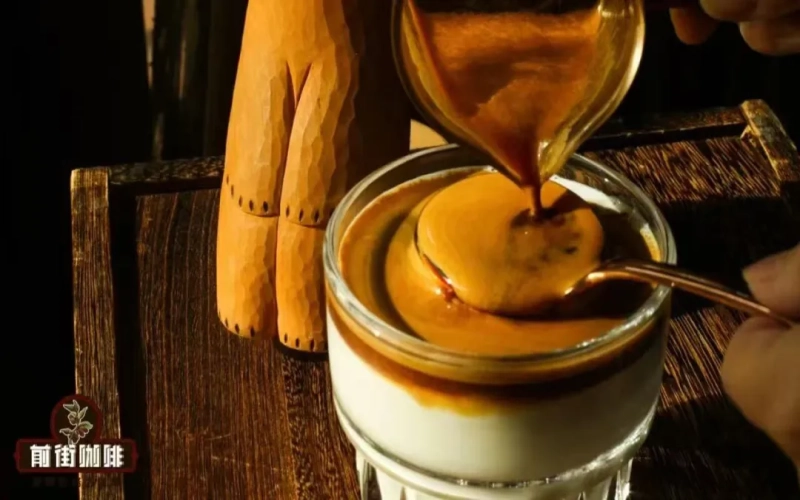
Why Has Dirty Coffee Become Such a Popular Choice? A Comprehensive Analysis from Layering Principles to Brewing Techniques
In recent years, Dirty coffee has been appearing frequently in specialty coffee shops, and has even been adopted by many establishments as a signature product. It is neither an extension of traditional espresso nor a simple version of an iced latte with the ice removed; rather, it has won the favor of a large number of coffee enthusiasts through its unique layered structure, sharply contrasting mouthfeel, and extremely high compatibility with ingredients. This article will begin with the background of Dirty's rise in popularity, sort out how it differs from the early "dirty coffee," and explain in detail how to select coffee beans, choose milk, and make a cup of Dirty with distinct layers and an outstanding taste. At the same time, the article will combine multiple products from Front Street Coffee to offer specific bean selection suggestions and pairing ideas. [more…]

Coffee to Milk Ratio | Where Does the Flat White Come From? An Introduction to Flat White and Dirty Coffee Making Methods
For more specialty coffee knowledge, please follow our WeChat public account: Front Street Coffee (FrontStreet Coffee). Since the successful invention of the espresso machine, espresso culture has spread throughout the world. Anyone who has ever drunk coffee knows how important espresso is to coffee. [more…]
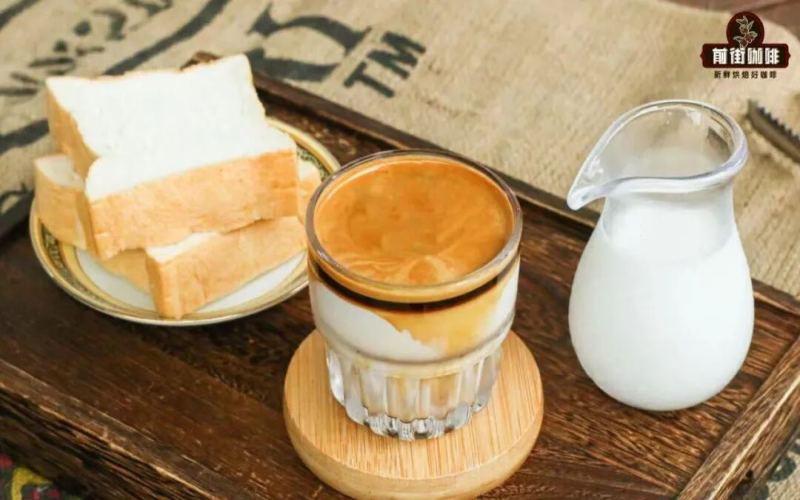
Espresso Coffee | What is the difference between Dirty Coffee and Iced Latte? What are the flavor and mouthfeel characteristics of Dirty?
Simply pour chilled milk into a cup, then gently drizzle warm espresso over the surface, and a highly popular milk coffee—Dirty—is ready. Although Dirty appeared much later than traditional Italian coffee, its popularity surpasses that of most Italian [more…]
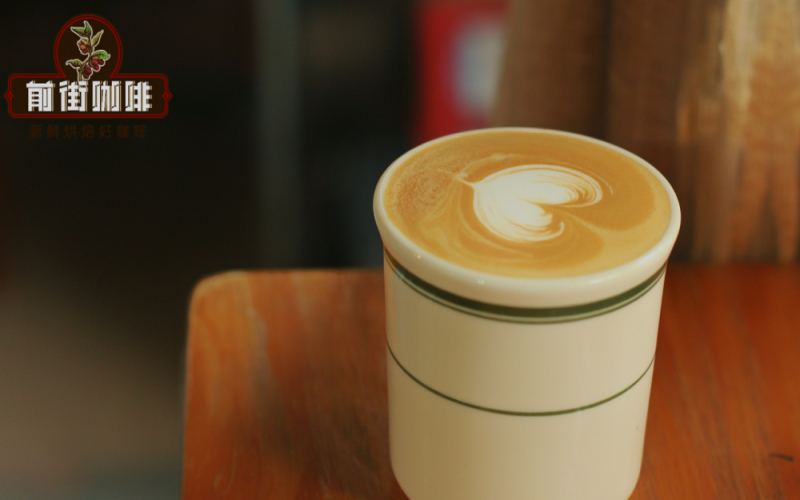
How to Make a Flat White and a Dirty Coffee? From Milk Foam Thickness to Extraction Parameters, Explained Clearly in One Go
Since the birth of the espresso machine, espresso has become the soul base of all Italian milk coffees, and the food cultures of different regions have given rise to distinctive coffee styles. Among them, Flat White has rapidly gained popularity in the specialty coffee scene in recent years thanks to its thin milk foam and highlighted coffee aroma. Dirty coffee, on the other hand, brings a richly layered mouthfeel through the intense collision of cold milk and hot espresso. Although both take espresso as their core, they are completely different in cup size, milk foam thickness, and production logic. This article will start with the origin story of Flat White, compare it with Dirty, and then use Front Street Coffee's classic espresso blend as an example to break down in detail how to make a Flat White with rich chocolate flavor. [more…]

Origin of the Dirty Coffee | Must you use ice bock to make a dirty coffee? How do the taste and mouthfeel of a dirty differ from an iced latte?
Dirty coffee has always existed as a hidden menu item at Front Street Coffee, because in Front Street's view, Dirty is simply a "special" way of drinking a latte. Until one day, I happened to overhear a customer explaining it to his friend, which boiled down to "Dirty is made with ice bock milk [冰博克奶] as the base, then pouring espresso over it." [more…]
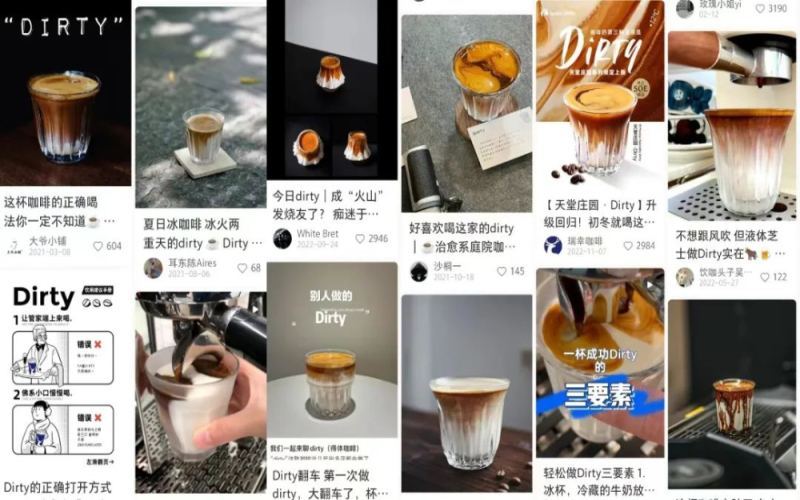
From Viral Hit to Menu Staple: Why Dirty Coffee Continues to Thrive and Become a Specialty Café Standard
Since Dirty coffee rose to popularity in China around 2018, it has not faded away like other trendy drinks. Instead, it has firmly secured a permanent spot on the menus of major specialty coffee shops, standing on equal footing with the latte. There are over 200,000 related posts on Xiaohongshu, with each tag receiving more than 5 million views. This drink, originally created by Japanese barista Katsuyuki Tanaka, forms a layered effect by pouring hot espresso over cold milk. With its unique taste combining hot and cold and the enhancement of ice-distilled purified milk, it has driven the domestic coffee market to pursue higher ingredient quality. This article will analyze why Dirty coffee has become the "beloved darling" of local specialty coffee, from its origin and spread to its production characteristics and market impact. [more…]

Can a Hot Dirty Coffee Be Achieved? Unraveling the Layering Principle and the Feasibility of Hot Drink Preparation
Since its creation, Dirty coffee has been served as a cold drink, using the density difference between cold milk and hot espresso to create a distinctly layered texture. But many coffee enthusiasts have raised the question: can Dirty be made as a hot beverage? This article begins with Front Street Coffee's secret menu, traces the origins and core production of Dirty, and deeply analyzes the feasibility of hot Dirty. Through actual testing with a specially made ice ball to rapidly cool the espresso and heating the milk, an attempt is made to replicate the layered effect, and the flavor differences between the iced and hot versions are compared. The article also explores the limitations of hot Dirty in café service, answering for coffee enthusiasts why hot Dirty is difficult to become a regular option. [more…]
Dirty Coffee Origins and Tasting Guide: A Comprehensive Interpretation from the Invention Story to the Correct Way to Drink It
Dirty coffee has risen rapidly in the specialty coffee scene in recent years, becoming a popular staple in many cafés. This drink, made of milk and espresso, has won over countless coffee lovers with its distinctive visual layers and the contrast of hot and cold in every sip. But do you know which country Dirty coffee was first created in? Why do baristas always remind you to take big sips and finish it as quickly as possible? In this article, Front Street Coffee takes you back through the story of how dirty coffee was invented, traces its evolution from a hidden menu item to a permanent offering, and takes a deep dive into the proper way to taste it, so you can truly appreciate the charm of this layered milk coffee. [more…]

Can Dirty Coffee Be Packaged for Takeaway? From Cup Style to Experience, How Specialty Coffee and Chain Brands Differ in Their Interpretations
As a breakout hit in the specialty coffee scene, Dirty has won over countless coffee lovers with its unique structure: purified milk on the bottom and espresso on top. However, when a customer asks to pack a Dirty to go, a tug-of-war with no standard answer unfolds between the barista and the consumer. Starting from a New Year joke, this article explores the controversy over whether Dirty can be served in a takeaway cup, sorts out the differences in serving methods between independent shops and large chain brands, analyzes how brands such as Luckin and Manner interpret Dirty differently, and considers how baristas and customers can reach an understanding about the product's positioning. [more…]
From Espresso to Dirty Coffee: A Full Analysis of the Origins and Evolution of Common Italian Coffees on Coffee Shop Menus
Walk into any coffee shop, and those familiar names on the menu—latte, cappuccino, flat white, americano—all actually stem from the same base: espresso. But have you ever wondered why these coffees are called what they are? And what origins do they each have? This article will take you through the birth stories of espresso, americano, cappuccino, latte, mocha, macchiato, caramel macchiato, flat white, and Dirty one by one, from Italian coffee houses to Australian coffee culture, and then to Japanese creative inspiration, to understand the historical threads behind each cup of coffee. After learning about these origins, perhaps you'll taste more the next time you savor them. [more…]
Easy Latte at Home: A Complete Guide from Espresso to Iced Latte and Dirty
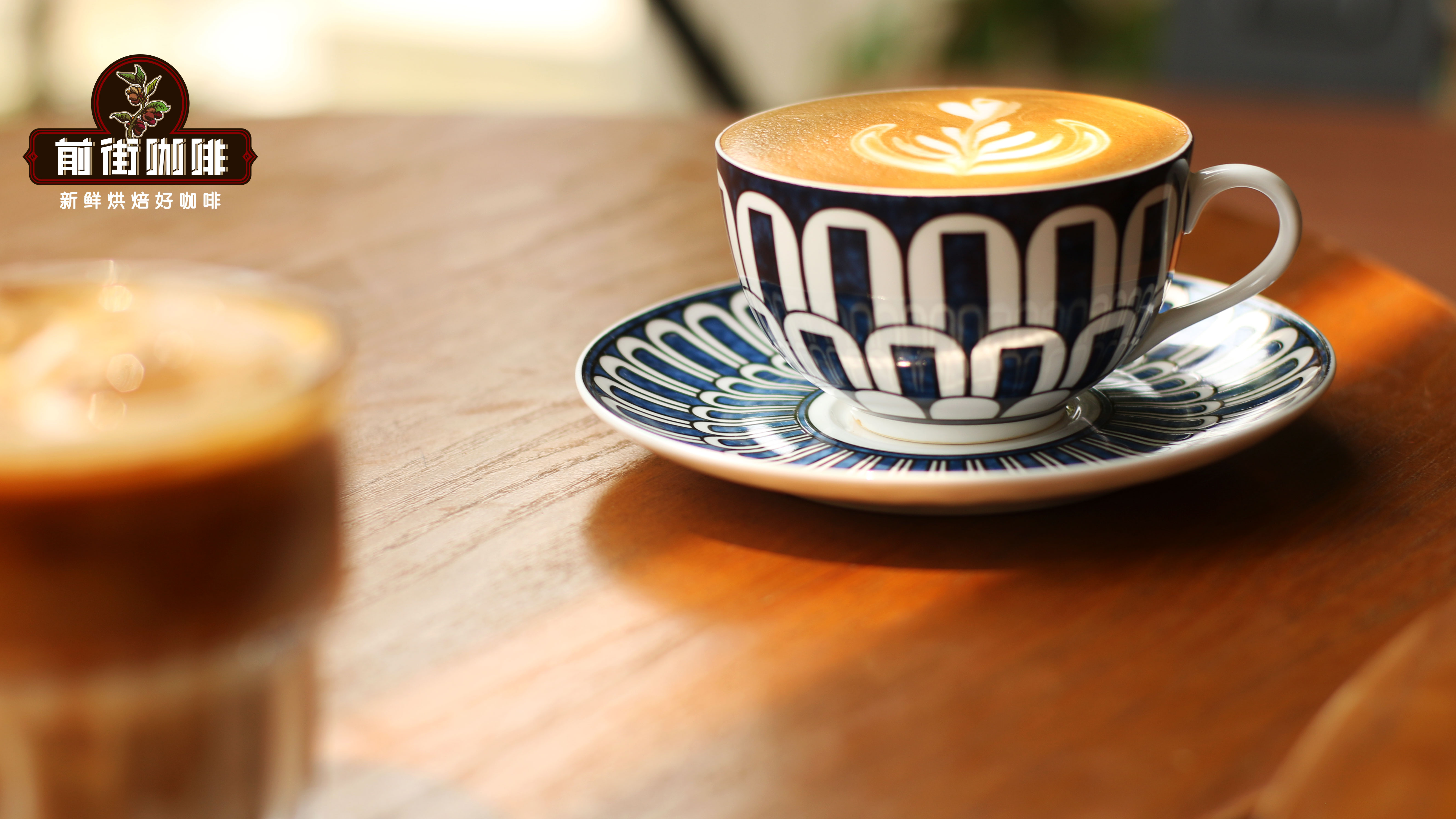
Latte coffee is a classic fusion of espresso and milk, with a flexible ratio, usually between 1:5 and 1:8. This article starts with the origin of the latte, then gradually introduces how to choose coffee beans, extract espresso, and steam milk, and provides detailed illustrated steps for making iced latte and Dirty coffee. Whether you prefer the rich and smooth texture of a hot latte or the cool layers of an iced latte, you can find a practical guide here. The article also incorporates Front Street brand bean recommendations and brewing tips to help you recreate cafe-quality deliciousness at home. [more…]
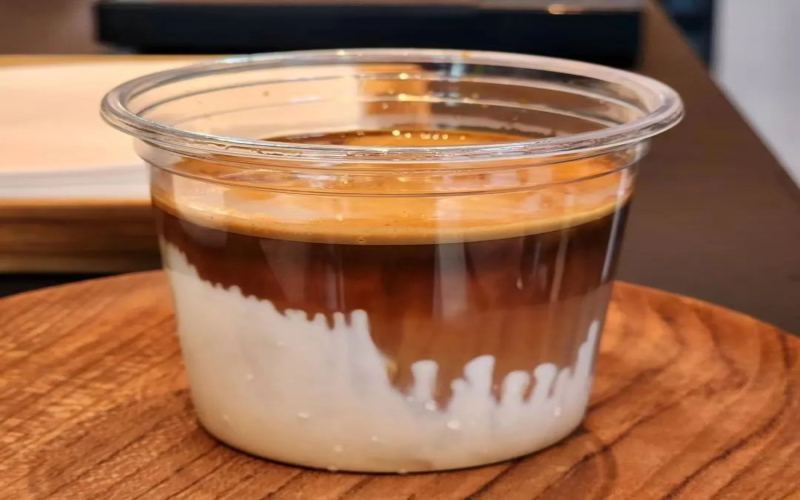
Chocolate Triple Threat Dirty Coffee Trend: The Ultimate Filthy Experience at a Creative London Café
For many people, drinking coffee is an elegant affair, but there is a type of coffee that started out "dirty" and became famous for being "dirty," to the point that even germaphobes would find it unbearable to watch. There are mainly two schools of Dirty coffee on the market: one involves extracting espresso directly onto the surface of cold milk, creating the visual effect of "tainting" the milk; the other pursues "filth" in the truest sense, deliberately letting the liquid overflow the cup and saucer, sprinkling on cocoa powder and the like, to create a state of "messy filth." In London, England, a brand called "Italian Bear Chocolate" has launched a "Triple Chocolate" series of drinks. Whenever someone orders a coffee and adds the "chocolate triple," the barista first picks up a ceramic cup with a saucer, moves it over three large tubs of chocolate in different colors, then uses a large ladle to scoop them up one by one and pour them over the rim of the cup—white chocolate, milk chocolate, dark chocolate—striving to let the cup fully "bathe" under each kind of chocolate sauce. Finally, after the barista takes this cup, dirtied to the extreme, to receive hot water and espresso liquid, this specialty coffee is complete. [more…]

Common Types of Italian Coffee | What Are the Classic Milk Coffee Recipes? What's the Difference Between a Latte, Macchiato, Cappuccino, and Dirty?
Espresso is a must-have beverage in every café. Many people's first impression of espresso is that it's unbearably bitter. In fact, espresso isn't limited to such bitter shots. If you want an espresso that isn't bitter and suits your taste, the first thing you need to understand is the different types of espresso. Front Street Cof [more…]
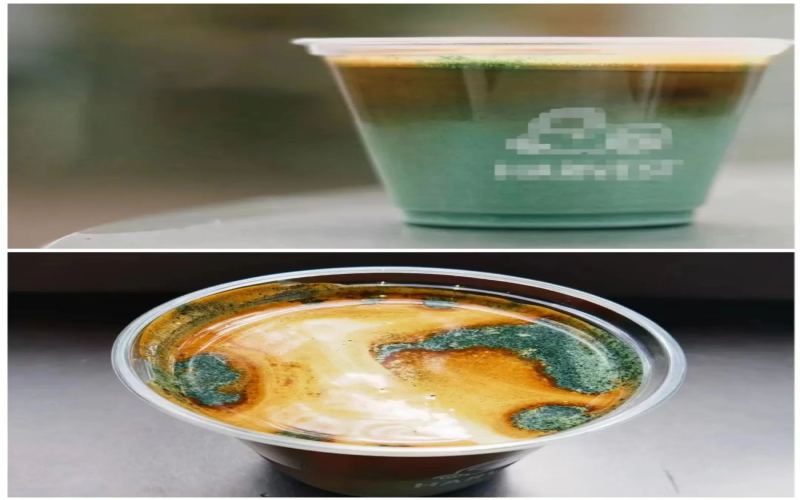
Hand-Seeing Green Dirty Doesn't Contain Hand-Seeing Green? Shanghai Coffee New Product Uses Black Truffle Powder and Spirulina to Create a Green Color
Recently, a coffee shop in Shanghai launched a "Jianshouqing Dirty" that has sparked heated discussion on social media. This drink, with its unique appearance of a greenish-blue lower half and a coffee espresso top layer, coupled with the sensitive name "Jianshouqing," quickly attracted a large number of young people to try it. However, the shop later clarified that the drink does not contain any Jianshouqing ingredients; the greenish-blue color actually comes from a blend of black truffle powder and spirulina. This naming approach has drawn questions from some consumers, who believe it may mislead the public. At the same time, many others expressed relief, considering it wise that the shop did not actually add toxic wild mushrooms to the coffee. This article sorts out the course of the incident, background knowledge about Jianshouqing, and reactions from all sides, to help you understand the truth behind this internet-famous coffee. [more…]
What is a Flat White? A Complete Analysis from Origins to Preparation, and Its Differences from a Latte and a Dirty
In recent years, a dark horse has charged into the milk coffee market—Flat White. In 2018, its sales surged 56% year-on-year, closing in on latte, which had long dominated the rankings. It originated from a rivalry between Australia and New Zealand, uses ristretto paired with thin microfoam, and comes in a cup of only about 100ml, yet delivers a more intense coffee flavor. Front Street Coffee takes you through the history and origins of the Flat White, its flavor characteristics, extraction parameters, and the core differences from latte and Dirty coffee in method, ratio, and taste, helping you easily understand this small but refined milk coffee. [more…]

A customer orders a Dirty and wants it heated, or a pour-over with sugar and milk? How should a barista calmly handle these requests?
In today's world where specialty coffee is becoming increasingly popular, more and more consumers are starting to walk into coffee shops and try various drinks. However, because their understanding of coffee knowledge is still limited, many customers make requests when ordering that leave baristas not knowing whether to laugh or cry—for example, ordering a Dirty but asking for it to be heated, drinking pour-over but asking for sugar and milk, or urging the drink to be served right after placing the order. Faced with these situations, how can baristas respond while maintaining both professionalism and warmth? Starting from real scenarios, this article shares communication techniques between baristas and customers, and explores how to guide customers to experience the true charm of coffee while respecting their choices. [more…]
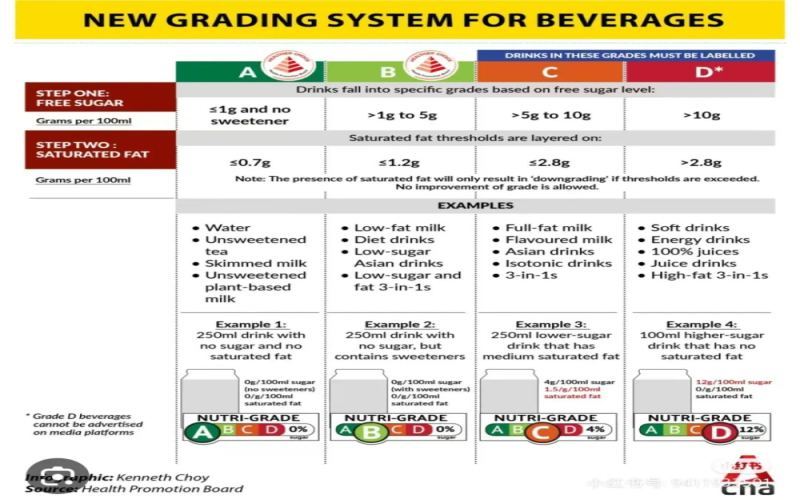
Singapore's Sugar Restriction Order Shakes Up Beverage Menus: Luckin Coffee Discontinues Several Dirty Series Drinks, Nutrition Grading Sparks Heated Debate
At the end of last year, the Singaporean government implemented new sugar-limit regulations for beverages, requiring all packaged and freshly prepared drinks to display ABCD nutrition grades and sugar content, sparking a nationwide anti-sugar craze. Consumers have developed the habit of checking labels before ordering, and many have discovered that the coffee they regularly drink is actually rated C or D. Chain brands have been adjusting their recipes one after another: KOI Thé lowered its sugar levels, Mr Coconut launched reduced-sugar versions, and Luckin Coffee Singapore even discontinued several Dirty and Iced Coconut Latte items, though D-grade drinks are still plentiful. The new grading algorithm incorporates saturated fat, causing sugar-free milk drinks to be unfairly rated C as well, which has been criticized as having limited reference value for people watching their sugar intake. Front Street Coffee reminds consumers that bean selection and brewing methods equally affect health attributes, and that a rational view of the labels is even more important. [more…]
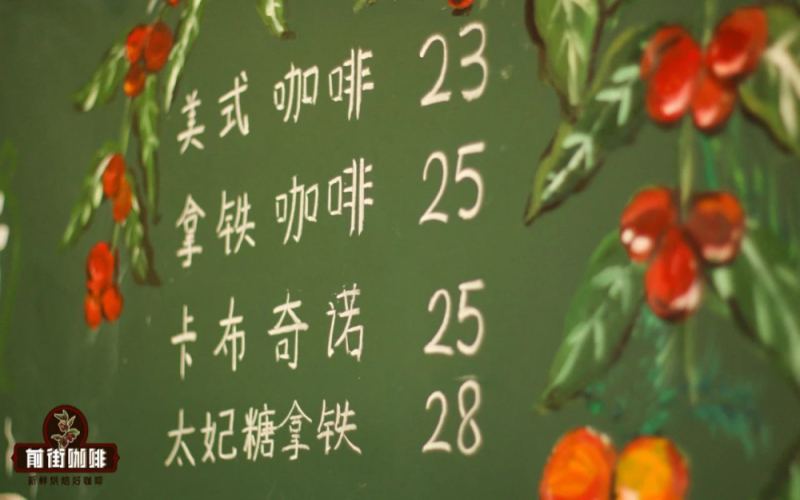
A Complete Guide to Common Espresso Drinks in Cafés: From Espresso to Dirty – Methods and Characteristics
Enter any coffee shop, and espresso is an indispensable presence on the menu. Many people's first impression of espresso is bitterness, but in fact, the espresso-based fancy coffee drinks are rich in variety and diverse in taste, so there is always one to suit you. To truly understand Italian coffee, you first need to know its family members. From the perspective of Front Street Coffee, this article systematically sorts out the characteristics, ratios, and preparation methods of espresso, Americano, latte, cappuccino, mocha, macchiato, caramel macchiato, and Dirty coffee, helping coffee lovers build a complete understanding of Italian coffee. [more…]
Why Is Jersey Milk So Expensive? A Hands-On Report on Making Lattes and Dirty Coffee with It
In the world of specialty coffee, milk is no longer an optional supporting player—it is the key variable that determines the quality of a milk-based coffee. From Ice Blog to Jersey milk, coffee shops are becoming increasingly discerning about their milk sources. Jersey milk has long been known as the "Hermès of milk," priced far above ordinary fresh milk—so what exactly makes it so expensive? And how does it perform in a Dirty and a latte? This article will analyze the Jersey cow's breed origins, butterfat and protein content, and other dimensions, and compare the actual performance of Xiangmanlou and Weipin Jersey milk versus ordinary fresh milk in Dirty and hot lattes, to help you decide whether Jersey milk is worth paying for in your milk coffee. [more…]