







Why did a Shanghai coffee drink named after a toxic mushroom spark debate?
A Shanghai coffee shop launched a drink called "Jianshouqing Dirty," named after a wild bolete mushroom that turns indigo when bruised and can cause poisoning if eaten raw or badly cooked. The shop later clarified the drink contains no Jianshouqing; the greenish-blue color comes from black truffle powder and spirulina, with no special coffee machine involved. The name drew both curiosity and criticism over possible misdirection.
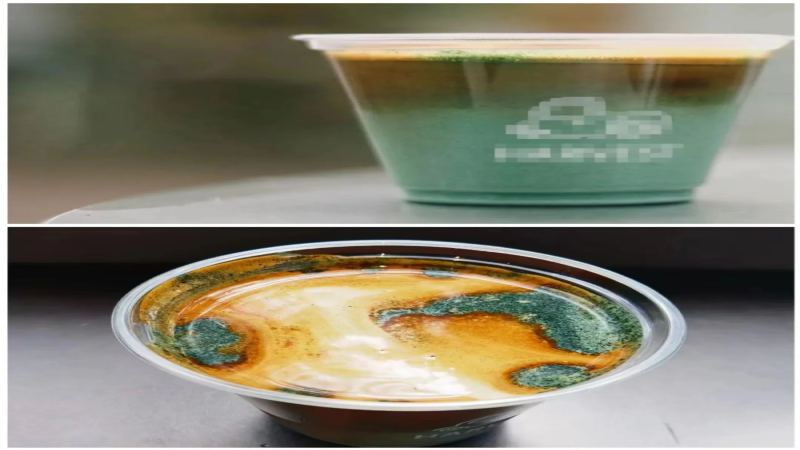
The drink's look set it apart from a standard Dirty: a greenish-blue lower layer, espresso on top, and greenish-blue powdery clumps floating on the surface. Social media discussion pushed young customers to try it, while other commenters said they were relieved no toxic mushroom had actually been added. The case illustrates how coffee naming can shape consumer expectations.
Recently, a "Jianshouqing Dirty" launched by a coffee shop in Shanghai has sparked heated discussion on social media. This drink, with its unique appearance—greenish-blue in the lower half and espresso on top—combined with the sensitive name "Jianshouqing," quickly attracted a large number of young people to try it. However, the shop later clarified that the drink does not actually contain Jianshouqing; the greenish-blue color actually comes from a blend of black truffle powder and spirulina. This naming approach has raised questions among some consumers, who believe it may mislead the public. At the same time, many people expressed relief, considering it wise that the shop did not actually add toxic wild mushrooms to the coffee. This article reviews the course of the incident, background knowledge about Jianshouqing, and reactions from various parties, to help you understand the truth behind this viral coffee.
▲
Click to follow | Daily specialty coffee culture magazine Coffee Workshop
Not long ago, a coffee shop in Shanghai launched a creative drink called "Jianshouqing Dirty," which quickly stirred up a wave of discussion in the coffee community.
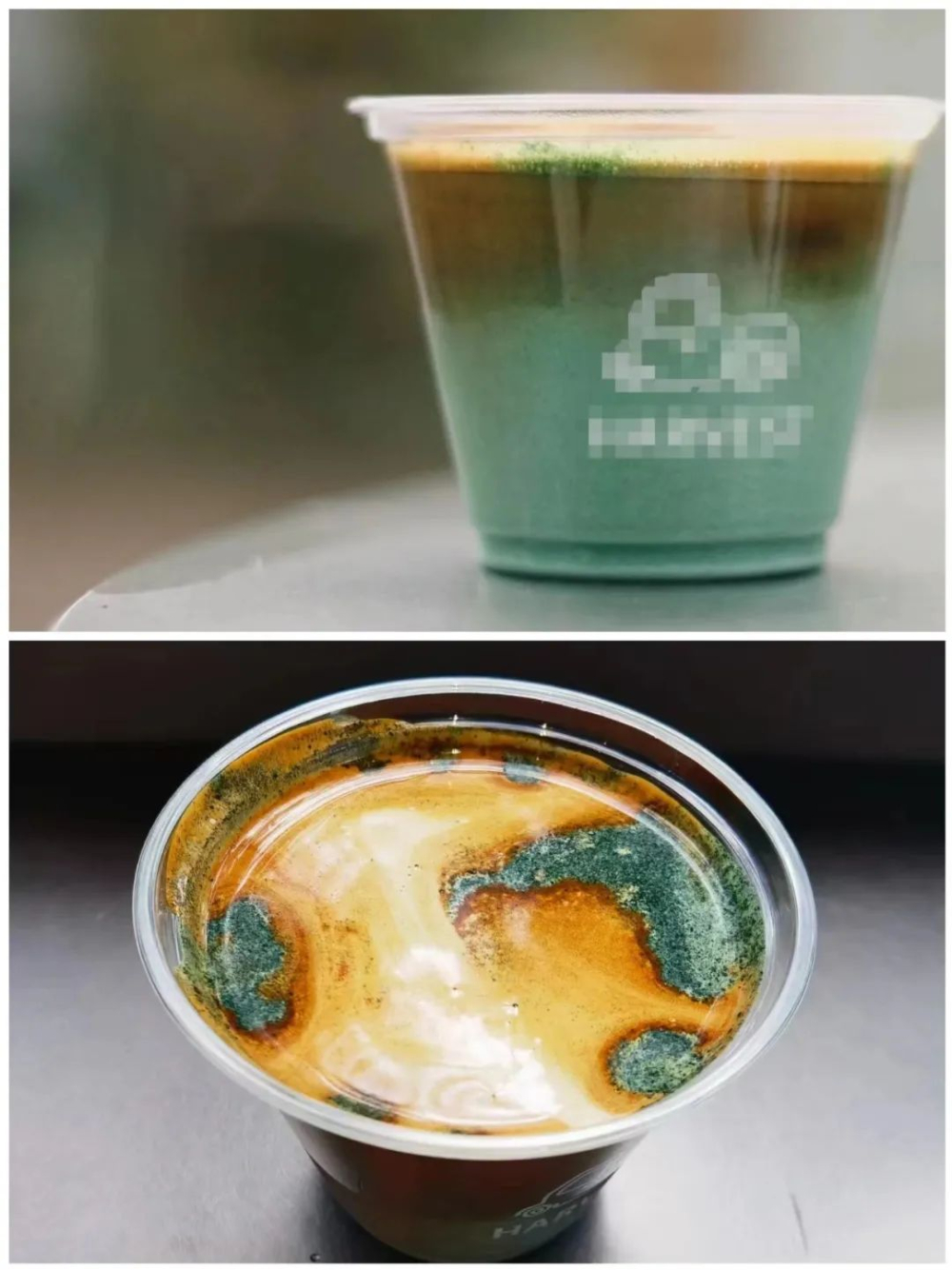
According to photos shared by netizens, the appearance of this special drink is noticeably different from the common Dirty coffee. Its bottom layer shows a rare greenish-blue color, topped with espresso, and on the surface of the espresso there are also some greenish-blue powdery clumps floating. Such a rare color scheme, combined with the name "Jianshouqing," naturally aroused strong interest among many young consumers, who rushed to the shop to see for themselves after hearing about it.
Perhaps some readers are not yet familiar with "Jianshouqing," so let me first provide some background. Jianshouqing, also called "moqinggu," is a general term for a type of bolete mushroom, whose notable feature is that it turns indigo blue when injured. This wild mushroom mainly grows in Yunnan and other mushroom-rich regions, where locals pick it and cook it into dishes with a unique flavor.
However, in nature, the more brightly colored a food is, the more toxic it often is, and Jianshouqing is exactly like this. If eaten raw, or if not properly handled during cooking, the person eating it may be poisoned. Mild symptoms include diarrhea and hallucinations, while severe cases may lead to lethargy and even endanger life.
Even so, the appeal of Jianshouqing itself still makes many people flock to it.
On the one hand, properly cooked Jianshouqing is delicious and is a favorite ingredient for many gourmets. On the other hand, folk legends say that after being poisoned by eating Jianshouqing, people may see dancing little people before their eyes and hear their own dog speak human language, and other bizarre experiences. This also makes some bold young people eager to try, wanting to see whether after drinking it they will enter an incredible world.
It is reported that this drink is priced at 38 yuan. Because there were so many customers coming to try it, the shop's Jianshouqing Dirty was once in short supply, and it has now been adjusted to a daily limited sale of 100 cups.
Yesterday, Jimu News reported on this matter and learned that this highly popular Jianshouqing Dirty actually does not contain Jianshouqing. The shop staff explained that out of food safety considerations, this drink actually uses black truffle powder and spirulina to create that unique greenish-blue tone. It was precisely because of the drink's color that the shop named it "Jianshouqing Dirty."
From this, it can be seen that "Jianshouqing" in the drink's name remains only at the literal level, and is not what the public understood as adding Jianshouqing to the coffee.
Netizens who had originally looked forward to talking with the coffee machine after drinking were quite disappointed by this, lamenting that after drinking it they could not see little people dancing at all. Some also pointed out that the shop's promotional content might lead consumers to mistakenly believe that the drink really contains Jianshouqing, and questioned whether the shop deliberately used "Jianshouqing" in the name to attract attention.
However, most people still felt relieved, thankful that the shop had not really added Jianshouqing to the coffee. One victim who had once experienced "little people dancing" said that unfamiliar things inevitably make people curious, but toxic fungi like Jianshouqing are still best not tried lightly. If one "gets lucky," the toxins in the mushroom itself may cause unpredictable harm to the body.
Image source: Internet
Disclaimer: Some images in this article are from the Internet. For some content on the website, such as images, we will respect the original author's copyright and indicate the source. However, due to the large quantity, there may be individual images or texts that have not yet been credited in time. Please understand. If the original author has any disputes, they may contact the website for handling. Once verified, we will correct it immediately. Compiled and edited by "Coffee Workshop." Please indicate the source when reposting. If there is any infringement, please inform us for deletion. Thank you~!
The above content is compiled by CoffeeHunters, a coffee news website.


