







What Is a Dirty Coffee and How Is It Made?
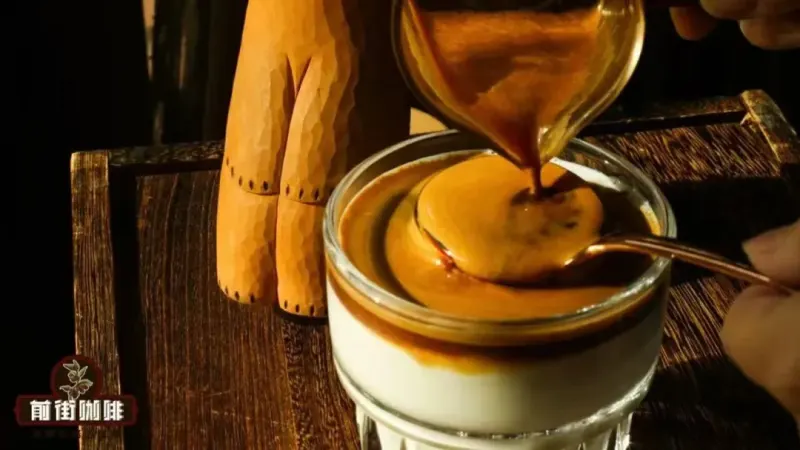
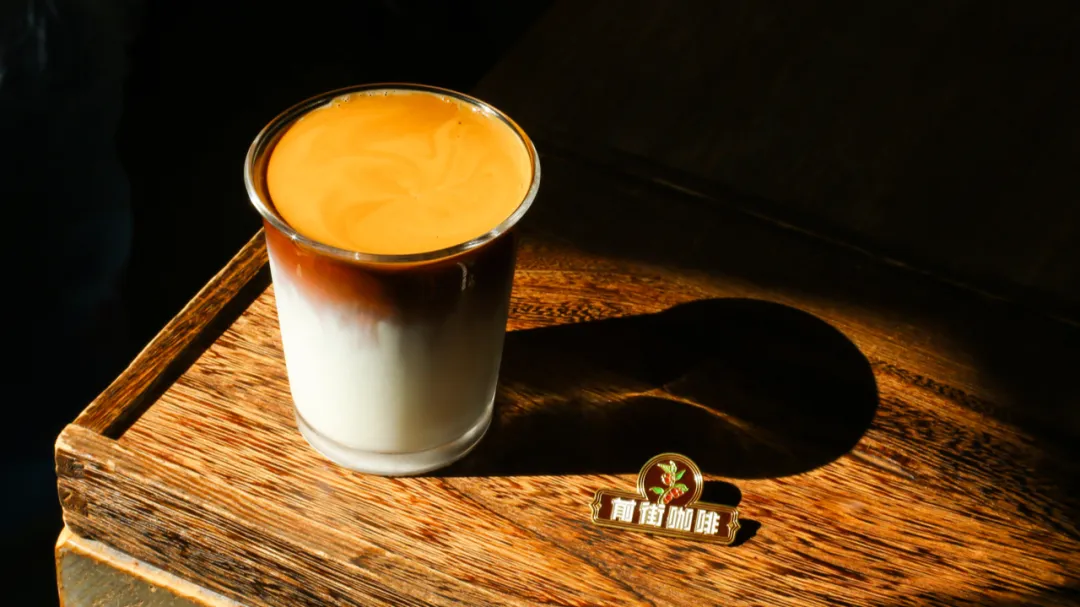
A dirty coffee is chilled milk in the cup with warm espresso poured slowly over the surface, so the drink forms distinct layers rather than blending together. It is not an espresso variation or an iced latte without ice; the sharp contrast between the cold milk below and the warm, intense coffee above is what defines the drink and drives its popularity in specialty coffee shops.
The name traces back to the earlier dirty culture trend, when shops used chocolate and cream to make drinks look deliberately messy. Today's dirty coffee dropped that approach and relies on layering instead, using bean choice, milk selection and pouring technique to keep the layers sharp. Many shops now treat it as a signature item, and its ingredient compatibility leaves room for creativity coffee experiments.
In recent years, Dirty coffee has frequently appeared in specialty coffee shops, and has even been adopted by many establishments as a signature product. It is neither an extension of traditional espresso nor a simple iced latte with the ice removed. Instead, it has won the favor of a large number of coffee enthusiasts through its unique layered structure, sharply contrasting taste experience, and extremely high ingredient compatibility. This article will start from the background of Dirty's rise to popularity, sort out how it differs from the earlier "dirty coffee," and explain in detail how to choose coffee beans, select milk, and make a cup of Dirty with distinct layers and an outstanding taste. At the same time, the article will combine several products from Front Street Coffee to give specific bean selection suggestions and pairing ideas.
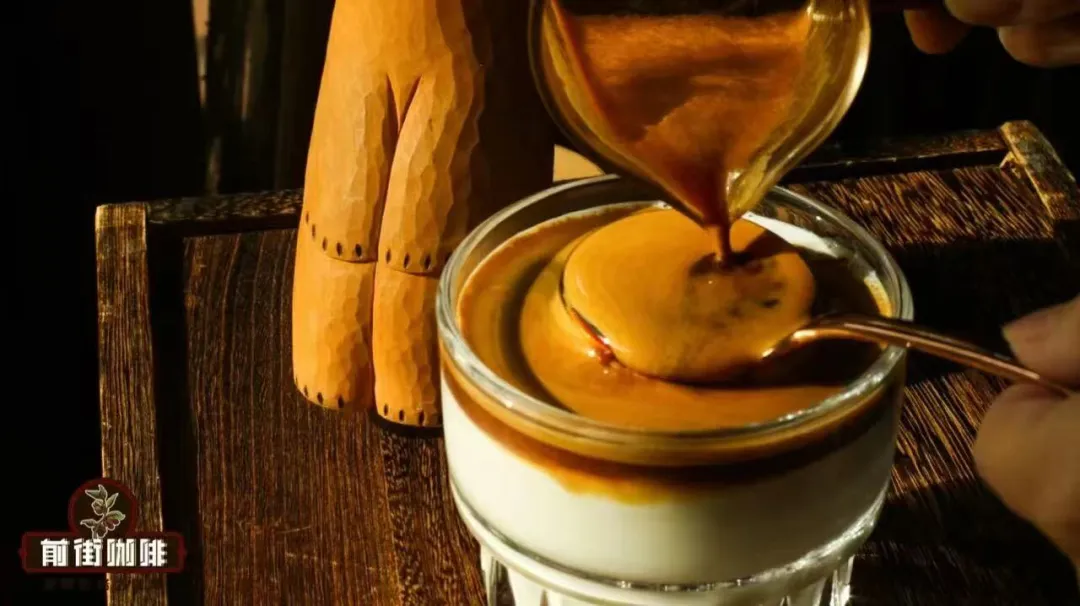
Pour chilled milk into the cup first, then let the warm espresso slowly cover the surface of the milk, and a cup of milk coffee that has been gaining strong momentum in recent years—Dirty—is complete.
Although Dirty came into being much later than traditional espresso, its market popularity far exceeds that of most espresso drinks, making it a rapidly rising star in the coffee world. If you often visit coffee shops, it is probably not hard to find that many stores' signature drinks are Dirty. This also makes many people unable to resist asking: why exactly is Dirty so popular?
Why has Dirty gained such high popularity?
Front Street Coffee has always believed that Dirty's popularity is inseparable from a viral trend from a few years ago—dirty culture. At that time, many foods deliberately created a "dirty" visual effect with chocolate products, such as dirty buns, dirty donuts, and so on. In order to keep up with this wave, various industries tried one after another to associate foods or objects with "dirty," and the coffee field was naturally no exception.
However, the dirty coffee that was popular at the time is not the same thing as what we now call Dirty. As Front Street Coffee just mentioned, dirty culture pursued using other ingredients to make the food itself "dirty," so many of the "dirty coffees" launched by coffee shops at that time were actually piled up with ingredients such as chocolate and cream—"dirty coffee" that looked "dirty" in appearance.
It was not until the Dirty we are familiar with today entered the domestic market that it gradually replaced that kind of "dirty coffee" that deliberately created a "dirty image." The reason it was able to complete this replacement and establish a foothold in local specialty coffee shops is inseparable from its distinctive preparation method, drinking method, and unique taste experience.
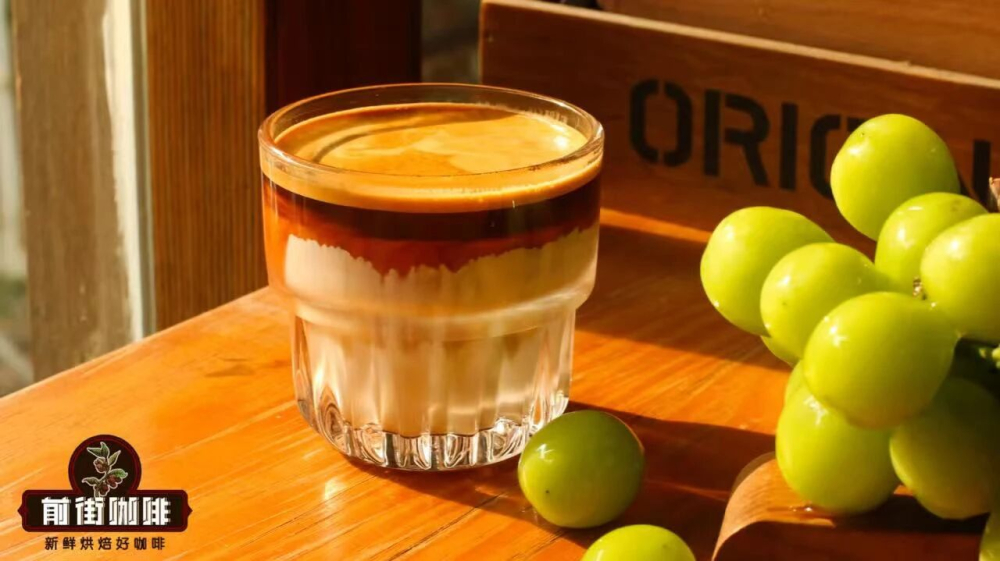
Everyone knows that the ingredients used to make Dirty are almost exactly the same as those for an iced latte: milk plus espresso. The only difference is that the latter adds ice cubes while the former does not, so Dirty is often jokingly called "an iced latte without ice."
To make a delicious Dirty, it is best to give priority to medium-dark roasted blend beans or SOE single-origin beans, because they often carry richer caramel-like aromas and a full-bodied depth, which can form a sharp contrast with sweet milk and leave a long-lasting sweet finish. If you seek stability and value for money, you can buy Front Street Classic Blend and Front Street Dark Cocoa Basic Blend. They not only have abundant crema, but also carry rich aromas like butter and roasted chestnuts;
If you prefer the unique flavor of single-origin beans, Front Street Queen's Estate SOE and Front Street Sumatra · Front Street PWN Golden Mandheling SOE are recommended. After extraction, they present rich caramel and chocolate aromas, which can form an even sharper contrast with purified milk;
If you want a smaller contrast and a fresher coffee flavor, you can choose medium or medium-light roasted coffee beans for production. For example, Front Street Strawberry Candy Espresso and Front Street Huakui SOE, which are specifically roast-adjusted for espresso in Front Street Coffee's bean list, can both extract a cup of espresso with rich fruity flavors. Dirty made with them has a distinctive flavor of its own.
Unlike other coffees, Dirty does not require the ingredients to merge into one. Instead, it should try to keep them independent and layered. This is because the special thing about Dirty is that we can taste the deliciousness of different ingredients at the same time—the warm caramelized aroma of espresso and the cold, refreshing sweetness of milk. These characteristics are fully displayed because of the layering. In addition, due to the huge differences in temperature and taste between the two ingredients, after entering the mouth they not only each show their own characteristics, but also create a strong contrast.
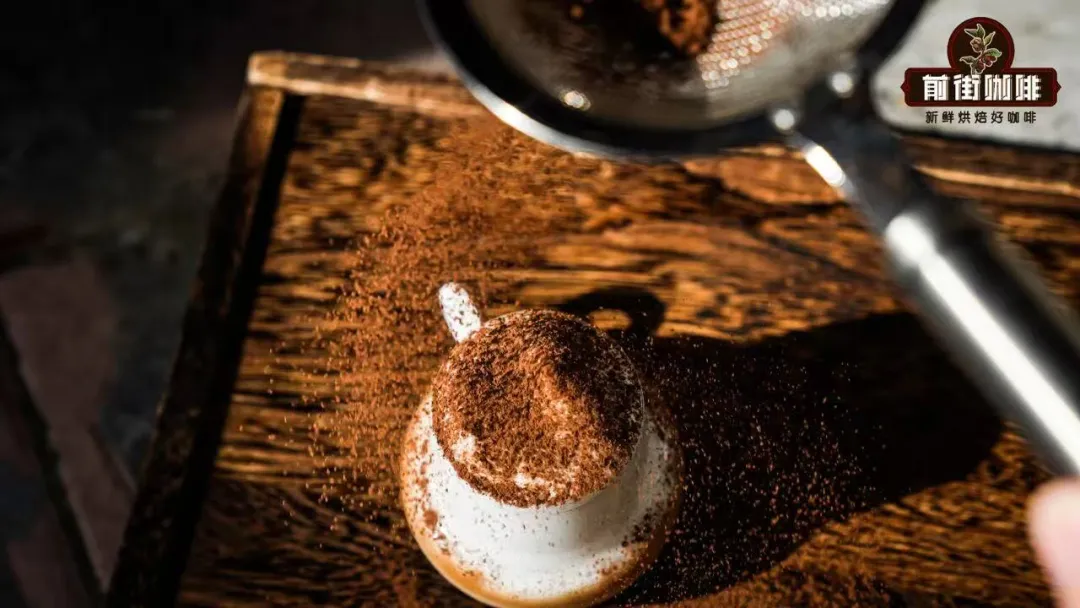
From the brief introduction above by Front Street Coffee, it can be seen that Dirty's characteristic lies in its rich and diverse taste experience. To create and experience this kind of sensation, attention must be paid during preparation to the way the espresso is poured, keeping the espresso and milk independent and layered, and when drinking, one should take a large sip so that both the espresso and the milk can be tasted at the same time.
Thanks to the layering of milk and espresso, Dirty has higher compatibility than other coffees. What does this mean? Front Street Coffee gives an example—the use of purified milk.
Purified milk is richer milk. Because its concentration is higher than regular milk, both its flavor and sweetness are a notch above ordinary fresh milk.
If we want to use purified milk in traditional espresso milk coffees such as lattes and flat whites, we need to consider questions such as "the ratio between milk and coffee, and how much milk should be added so as not to mask the flavor of the coffee" and "whether the flavor of the coffee beans matches purified milk, and whether the resulting milk coffee will be too rich."
But if we are making Dirty, we only need to directly replace the milk in equal amount. Because the milk and espresso do not completely merge in the cup, the increase in milk concentration does not have much impact on the taste of the coffee. Moreover, because purified milk has a richer flavor, it can instead further widen the contrast between the espresso and the milk in the mouth, making the comparison even more distinct.
Besides milk, the same principle applies to coffee beans. Dirty can accommodate coffee beans of more roast levels, without needing to consider too much the compatibility and ratio between the two. It only needs a suitable extraction parameter to put the beans directly into use.
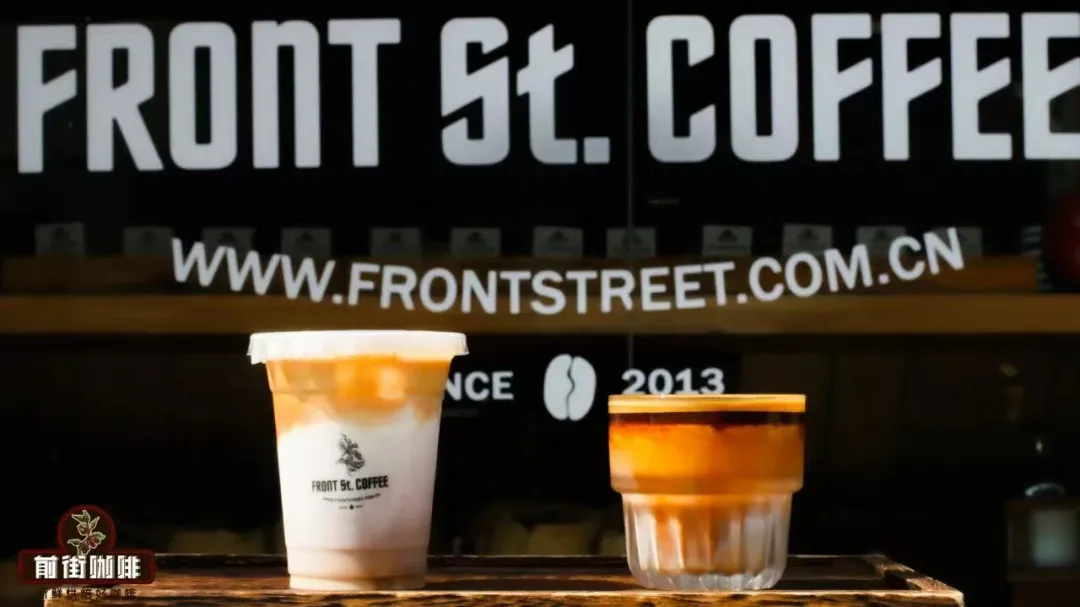
From this example, it can be seen that Dirty has extremely high compatibility, so baristas often "make a big fuss" over Dirty, using different ingredients to create various distinctive versions of Dirty, such as the white toast Dirty, grape oolong Dirty, and pistachio Dirty previously shared by Front Street Coffee, all of which are good examples.
In summary, we can understand why Dirty is still so popular today. It is not only because of its unique taste experience, but also because its extremely high compatibility gives baristas more room for creativity. That is why Dirty can continue to innovate and appear before people in ever-new "versions."
The above content is compiled by CoffeeHunters, a coffee news website.


