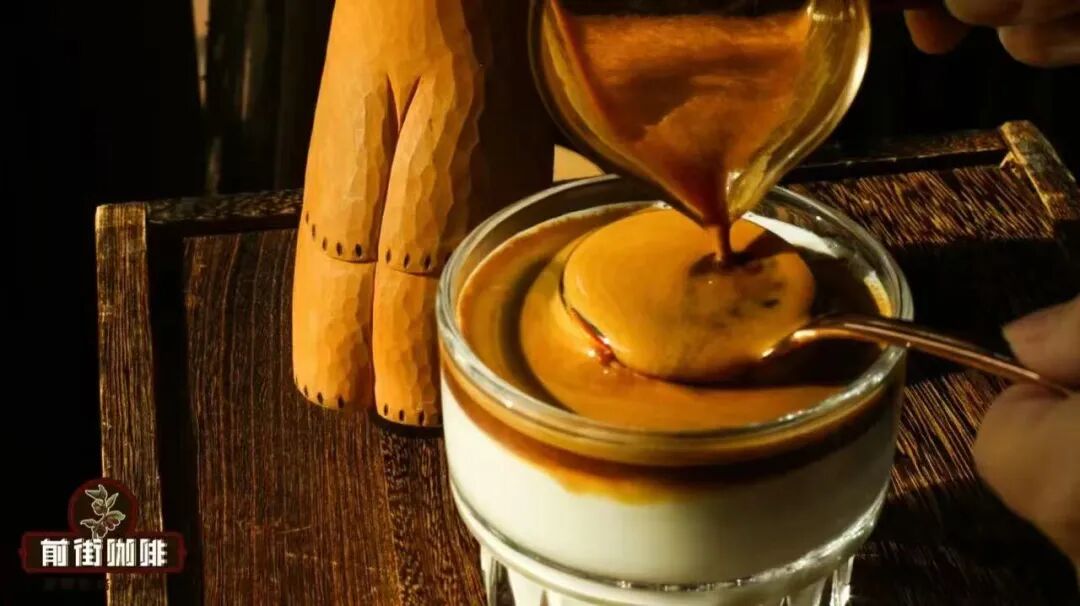
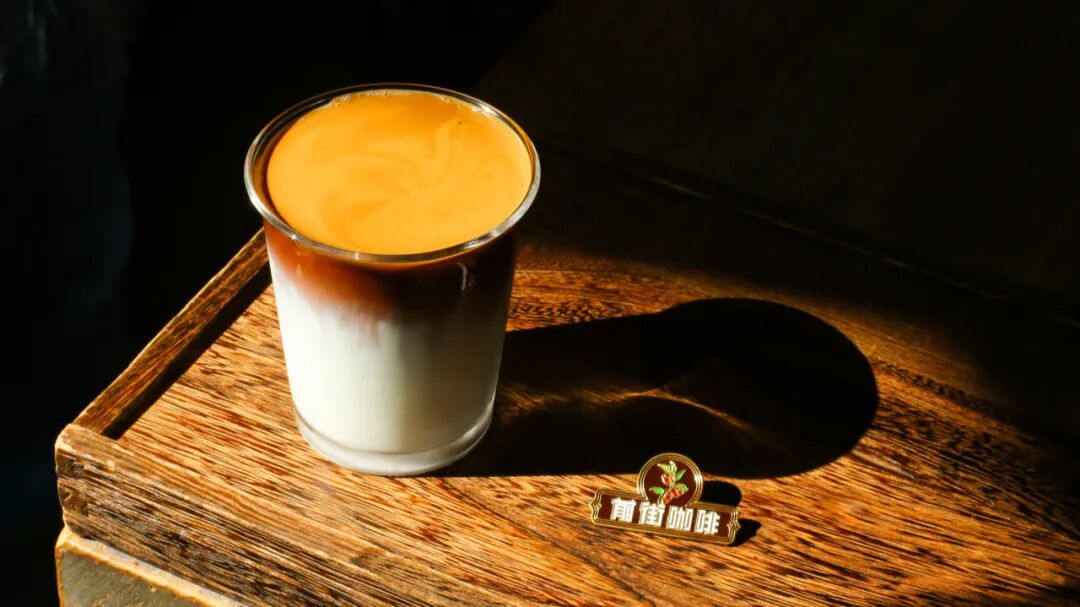
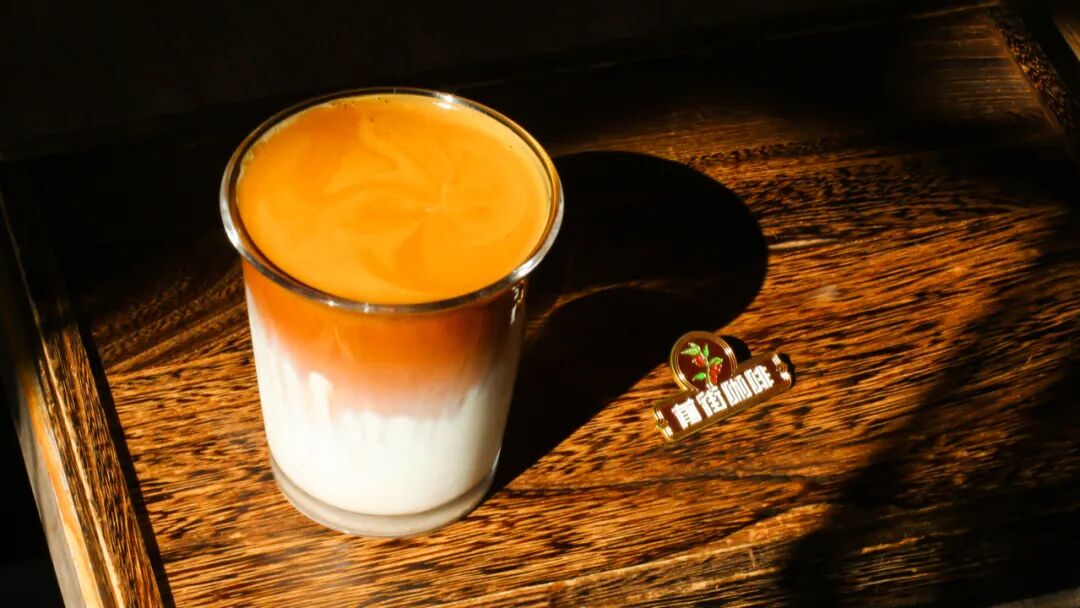
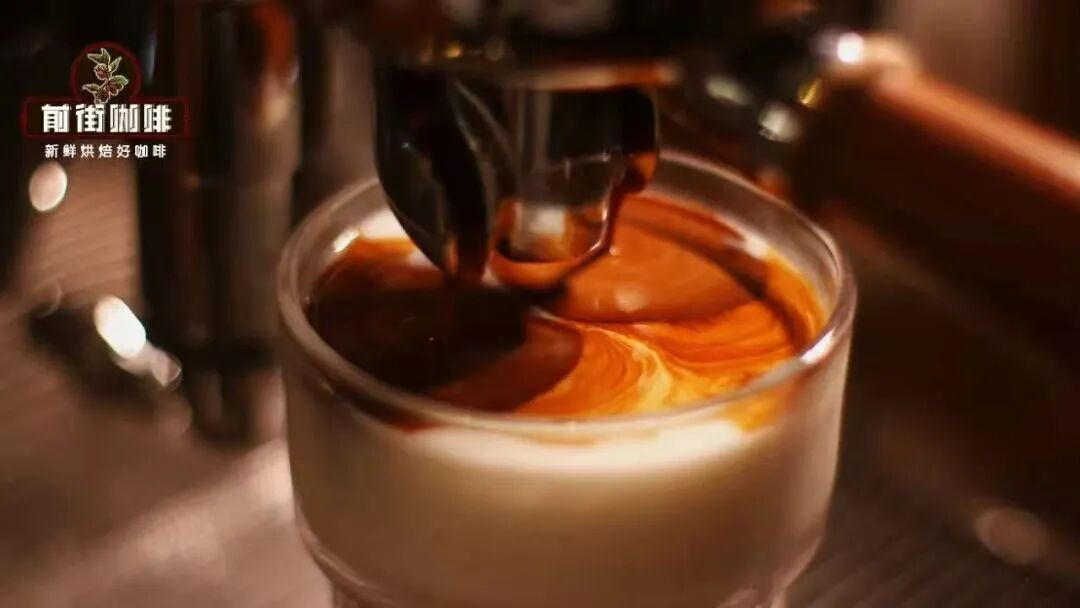
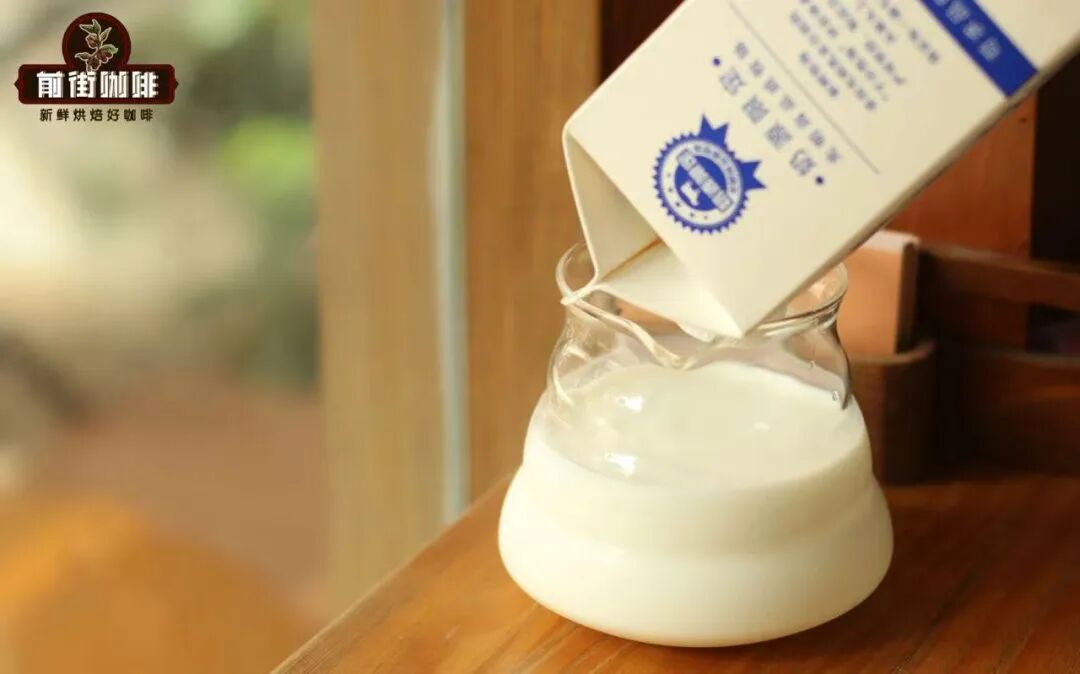
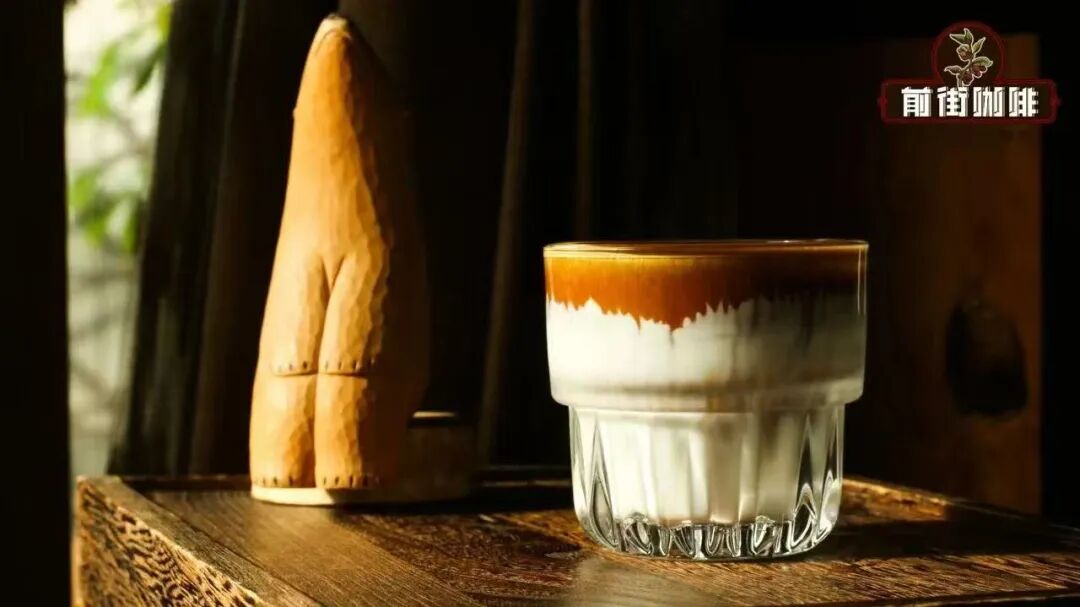
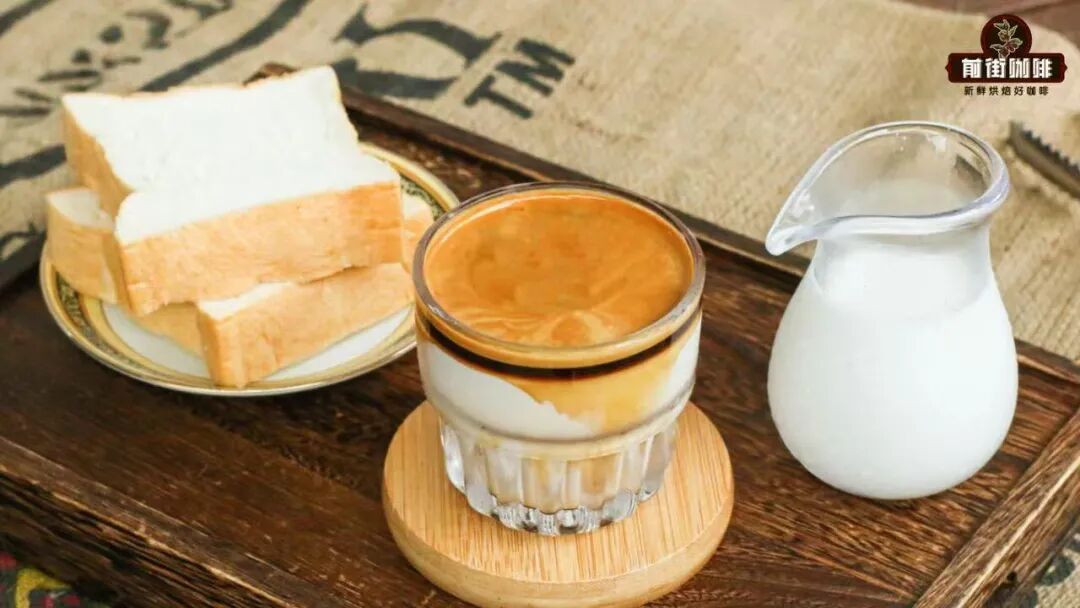
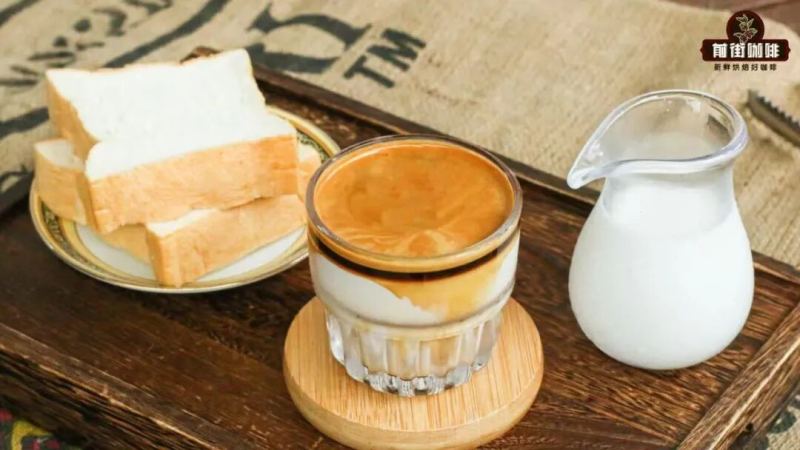
All you need to do is pour chilled milk into a cup, then gently pour warm espresso over the surface, and a Dirty—a milk coffee that's hugely popular right now—is ready to serve.Although the Dirty appeared much later than traditional espresso drinks, its popularity is far, far higher than most of them, making it fully deserving of the title of the coffee world's hottest rising star. If you're someone who frequently visits cafés, you've probably noticed that many shops feature a Dirty as their signature drink. So this leaves quite a few people puzzled: why is Dirty so popular?Front Street Coffee often says that Dirty's rise to fame is inseparable from a social media trend from a few years back—the "dirty" culture. At the time, many foods deliberately created a somewhat "dirty" look by using chocolate products, such as dirty buns, dirty donuts... And to ride this wave, people across all industries began trying to associate foods or objects with "dirty," and even the coffee world was no exception.But the dirty coffee that was popular back then is quite different from the dirty coffee we know today! Because, as Front Street Coffee mentioned earlier, the dirty culture of that time made the food itself look "dirty" through other ingredients, so the "dirty coffee" many cafés served back then was mostly made with chocolate, cream, and similar ingredients—a "dirty coffee" that merely looked "dirty" on the outside.It wasn't until the Dirty we now know was introduced to China that it gradually replaced the "dirty coffee" that had been deliberately styled to look "dirty."And the reason it could replace "dirty coffee" and successfully establish itself in China's specialty cafés comes down to its unique preparation method, drinking method, and distinctive taste experience.As everyone knows, the ingredients for a Dirty are virtually identical to those of an iced latte—milk and espresso—the only difference being that the latter has ice cubes while the former doesn't. That's why Dirty is often jokingly called an "iced latte with the ice removed."But if you've previously read Front Street Coffee's"The Difference Between Dirty and Iced Latte"article, you'd know that aside from sharing the same ingredients, the two are completely different in every other respect—preparation, drinking method, and experience. Since Front Street Coffee gave a detailed comparison in that hyperlinked article, I won't go into too much detail here and will mainly explain Dirty's characteristics.Unlike other coffees, a Dirty doesn't require the ingredients to blend into one—instead, you want to keep them as separate and layered as possible. Because what makes Dirty special is that we can taste the deliciousness of different ingredients at the same time: the warm, toasty aroma of espresso and the cold, refreshing sweetness of milk. These qualities are showcased exceptionally well thanks to the layering.And because the two ingredients differ enormously in temperature and flavor, once they enter the mouth they not only display their own characteristics but also create a striking contrast.So from Front Street Coffee's brief introduction above, you can see that Dirty's hallmark is a rich, multi-layered taste experience. And if we want to create and experience this, we need to pay attention to how we pour the espresso during preparation, keeping the espresso and milk separate and layered, and take big sips when drinking, so we can taste both the espresso and the milk at the same time.And thanks to the layering of milk and espresso, Dirty has a higher compatibility than other coffees! What does that mean? Here, Front Street Coffee gives an example—The use ofpurified milk!Purified milk is simply richer, more concentrated milk! Because it has a higher concentration than regular milk, its flavor and sweetness are a notch above regular fresh milk.If we want to use purified milk in traditional espresso milk drinks like lattes or flat whites, then we'd need to consider questions like "what ratio of milk to coffee, and how much milk to use so it doesn't mask the coffee's flavor," "does the coffee bean's flavor pair well with purified milk, and will the resulting milk coffee be too rich or cloying," and so on.But if we're making a Dirty, we just need to swap in an equal amount of milk directly. Because the milk and espresso don't fully blend in the cup, the increased milk concentration won't have much impact on the coffee's flavor. What's more, since purified milk has a richer flavor, it can actually further widen the contrast between espresso and milk on the palate, making it even more striking.Besides milk, the same logic applies to coffee beans. Dirty can accommodate coffee beans of more roast levels, without needing to worry too much about compatibility or ratios between the two—just find a suitable extraction parameter and you can put the beans straight to use.From this example we can see that Dirty's compatibility is extremely high, so baristas often "work their magic" with Dirty, using different ingredients to create all kinds of distinctive variations—such as the white toast Dirty, grape oolong Dirty, and pistachio Dirty that Front Street Coffee has shared before, all of which are great examples.In summary, we can now understand why Dirty remains so popular even today. It's not just because of its unique taste experience, but also because its extremely high compatibility gives baristas more room for creativity—which is why Dirty can keep innovating and reappearing in people's view in brand-new "versions." The above content is compiled by CoffeeHunters, a coffee news website.