







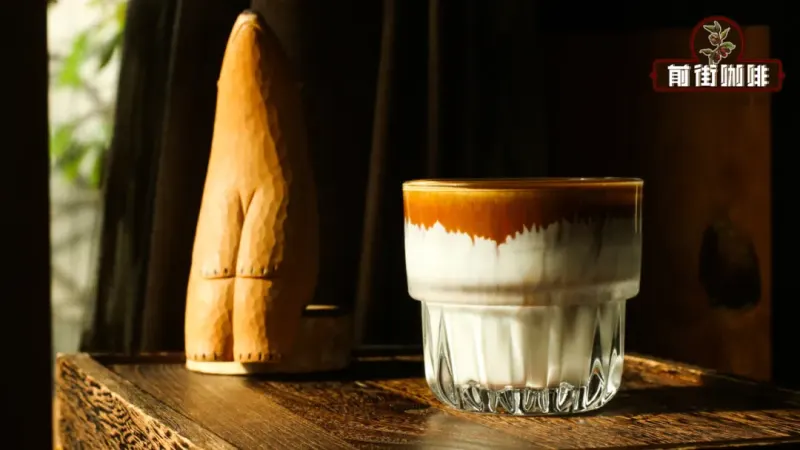
What Separates Dirty Coffee vs Iced Latte in the Cup?
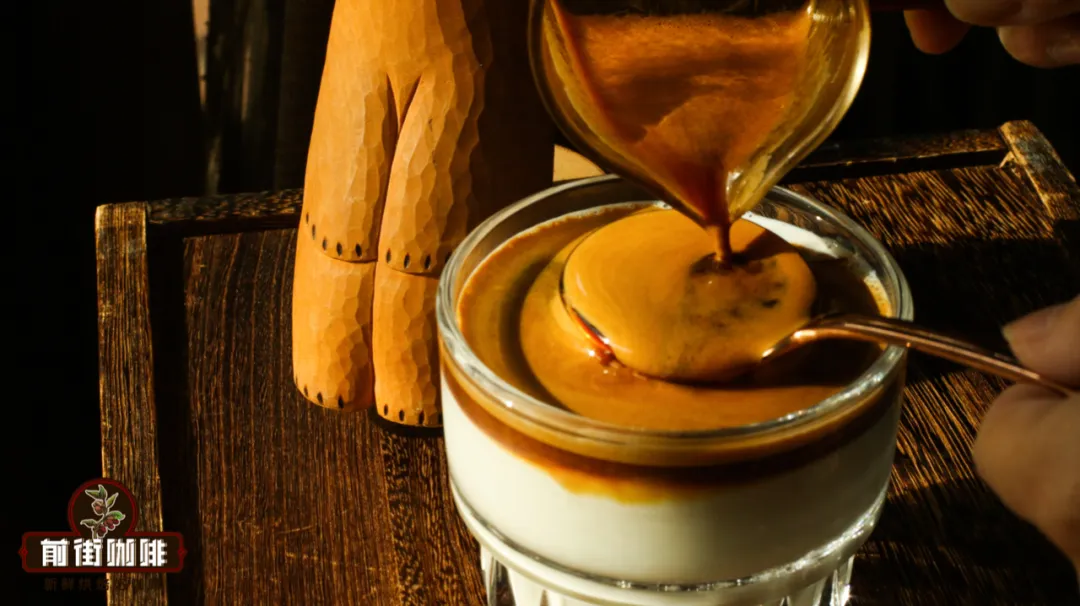
The dirty coffee vs iced latte question comes down to construction and look. A Dirty is made by pouring chilled milk into a pre-chilled cup, then slowly pouring espresso over the surface so differences in density and temperature keep the layers separate. An iced latte is typically stirred together, so the coffee and milk blend into one even color and flavor.
The drink rode the dirty culture trend of 2017 to 2018, when chocolate sauce and messy visuals spread from dirty buns and donuts into the coffee world. For anyone learning how to make coffee at home with milk, the method is simple: chill both cup and milk, pour the milk first, then add espresso gently over the top and skip the stir.
Dirty coffee has been steadily gaining popularity in the coffee world in recent years, thanks to its unique layered visual effect and rich flavor. Its preparation is actually not complicated: pour chilled milk into an iced cup, then gently pour espresso over it, using the differences in density and temperature to create a natural layering. So why does this drink remain so popular? How exactly does it differ from iced latte? And what does the word "Dirty" actually mean? This article will trace the origins of Dirty coffee and "dirty culture," clarify the core differences between Dirty and iced latte in terms of ingredients, ratios, and taste, and share Front Street Coffee's recommended key preparation points, so you can easily recreate a cup of beautifully layered Dirty coffee at home.
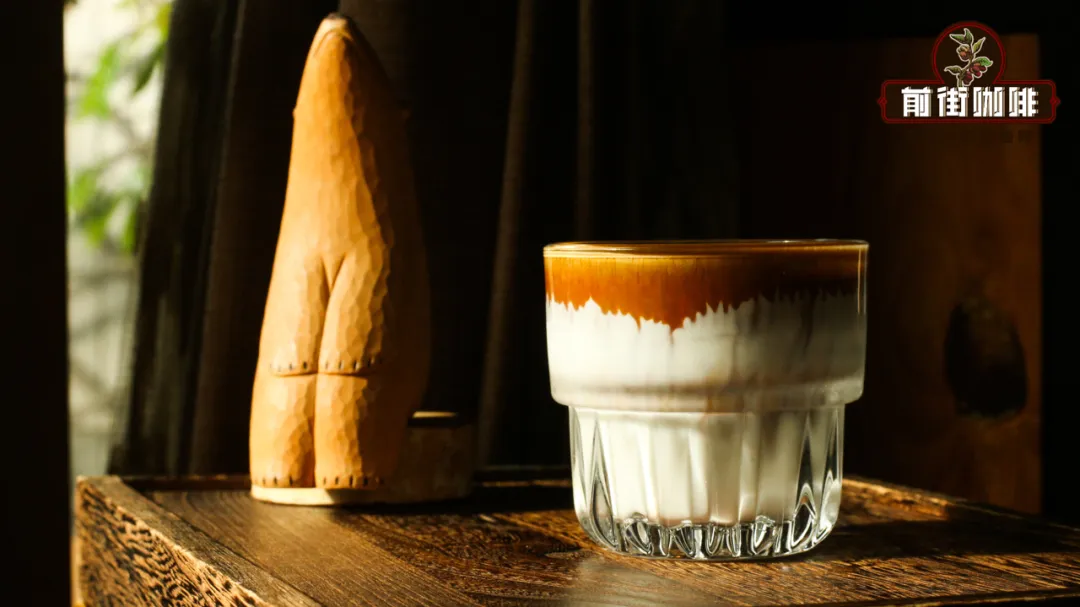
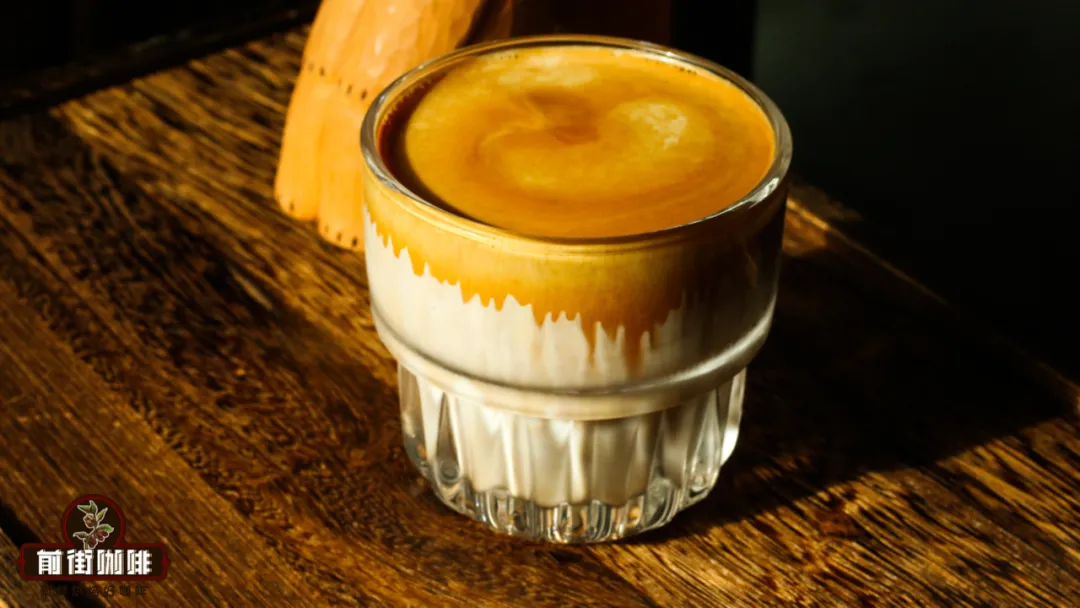
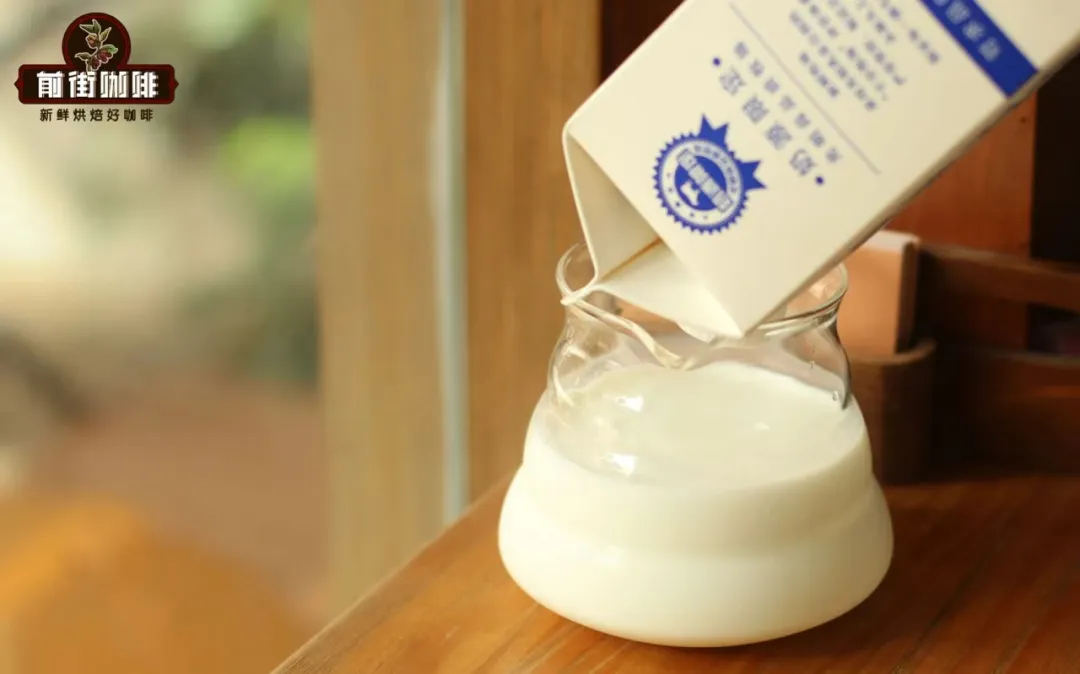
Making a Dirty is actually not complicated: pour chilled milk into a pre-chilled cup, then slowly pour espresso over the surface, and let the differences in density and temperature naturally separate the coffee and milk—a cup of Dirty is done. And precisely because the steps are so simple, many people wonder: why is Dirty coffee still so popular today?
Rising to fame through "dirty culture"
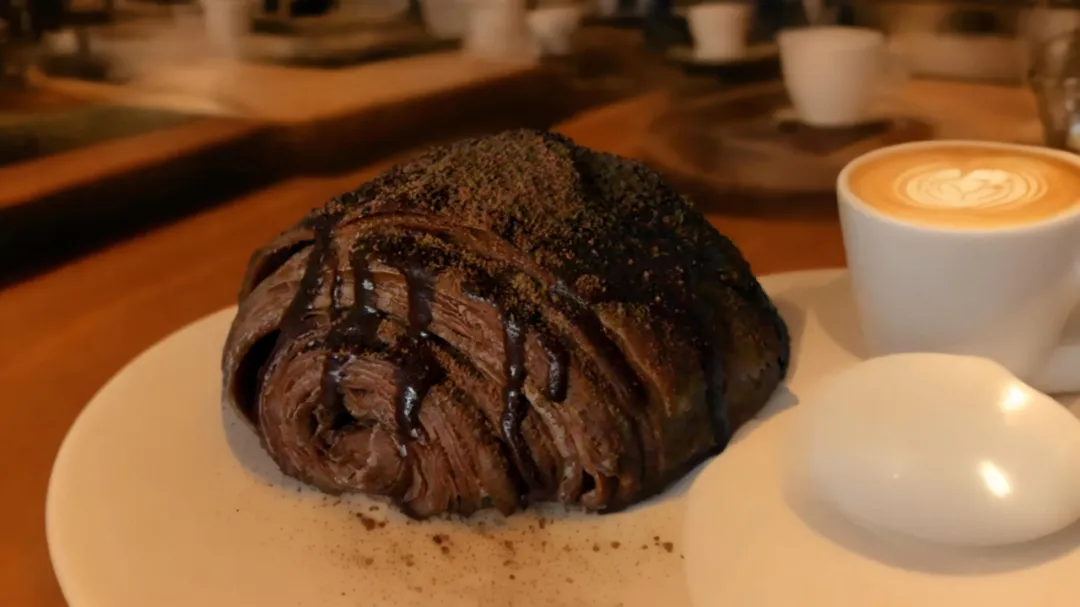
The initial rise of Dirty coffee was inseparable from the "dirty culture" that swept through 2017 to 2018. At the time, many foods deliberately used chocolate sauce to create a "messy" visual effect. For example, dirty buns and dirty donuts were once hugely popular internet-famous items. Influenced by this, a "dirty trend" quickly spread, and many people tried to tie all kinds of foods to the "dirty" concept to ride the wave and gain attention—and the coffee world was certainly no exception.

The above content is compiled by CoffeeHunters, a coffee news website.


