







Search Results for: Democratic Republic of the Congo Coffee
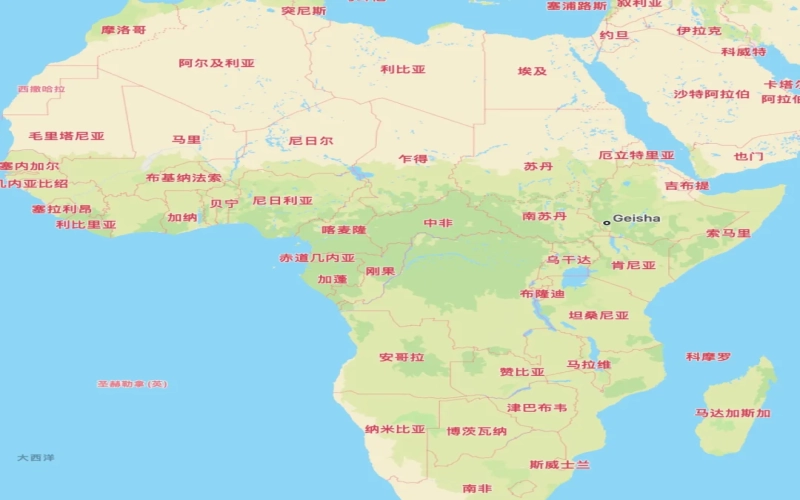
A Tour of African Coffee-Producing Countries: The Cultivation History and Flavor Characteristics of Burundi, Cameroon, and the Democratic Republic of the Congo
The African continent, with its exceptional natural conditions, has nurtured numerous coffee-producing countries. Beyond the well-known Ethiopia and Kenya, Burundi, Cameroon, and the Democratic Republic of the Congo also deserve attention. Burundi, known as the "Heart of Africa," showcases bright acidity and full-bodied sweetness through varieties such as Bourbon; Cameroon is dominated by Robusta, with Arabica accounting for only a small portion; the DRC, as the birthplace of Robusta, offers coffee with a wild flavor rich in fruity notes. This article will guide you through the coffee cultivation history, producing regions, variety characteristics, and industry status of these three countries, along with relevant recommendations from Front Street Coffee, to provide reference for your coffee exploration journey. [more…]
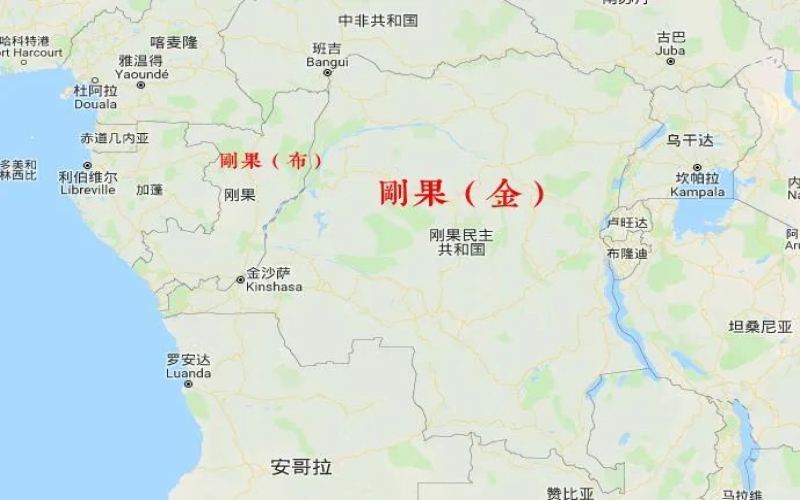
From Granary to Crisis to Recovery: The Tortuous Development of the Coffee Industry in the Democratic Republic of the Congo
The Democratic Republic of the Congo was once hailed as Africa's breadbasket, endowed with vast tracts of arable land, and coffee once held an important place in the country's economy. However, the shadow of colonial rule and successive waves of political turmoil severely constrained the development of the coffee industry. From coffee leaf rust propelling it to become a cash crop, to the sharp decline in production after the civil war, farmers risking cross-border bean sales, and now the gradual rebuilding in peacetime, the DRC's coffee industry has traversed an extraordinarily rugged path. This article will take you through this little-known history, as well as the opportunities and challenges currently facing the country's coffee industry. [more…]
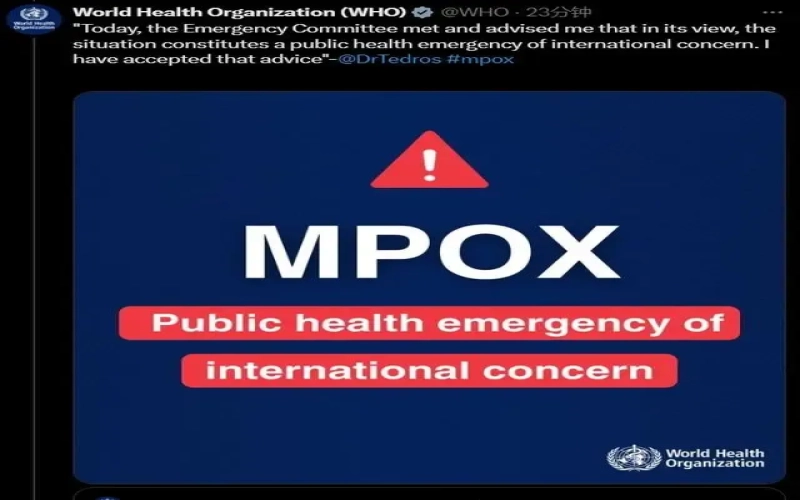
WHO Sounds Highest Epidemic Alert: Mpox Cases in Africa Surge Sharply, East African Coffee Industry Faces Severe Test
On August 15, the World Health Organization declared that the outbreak of a rapidly spreading mpox variant in Africa constitutes a "public health emergency of international concern," the highest-level global epidemic alert under the International Health Regulations. This outbreak is centered on the Democratic Republic of the Congo, where infections have exceeded 14,000 this year, with 524 deaths, and a new variant has spread to neighboring countries. Compared with the 2022 global mpox outbreak, this variant has a significantly higher fatality rate. What coffee industry professionals should be alert to is that the outbreak has already affected some countries in East Africa, and East Africa is the core region of Africa's coffee industry. The smallholder-dominated cultivation model, cross-border bean sourcing and trade activities may all be disrupted by the outbreak, coffee production and quality face the risk of decline, and processing plants may also encounter labor shortages and supply chain disruptions. Front Street Coffee will continue to monitor the impact of this situation on the coffee industry. [more…]
A Comprehensive Analysis of Congo's Coffee Producing Regions: The Cultivation Distribution of Arabica and Robusta and the Path to Industry Revival
The Democratic Republic of the Congo was once a major coffee exporter in Africa, with annual exports reaching as high as 120,000 tons in the 1970s. However, civil war and political turmoil once drove its coffee industry to rock bottom, with exports plummeting to just 10,000 tons in 2002. Today, this large African country with a population of 87 million is rising again thanks to its superior natural conditions, gaining international attention for its high-quality Arabica coffee. From Ituri to Grand Nord, from Petit Nord to Bord du Lac, each major producing region displays its unique terroir charm. Front Street Coffee takes you on an in-depth look at Congo's coffee varieties and distribution, the characteristics of its producing regions, and the severe challenges the local industry faces in terms of corruption, financing, infrastructure, and security, as well as its hopes for revival. [more…]
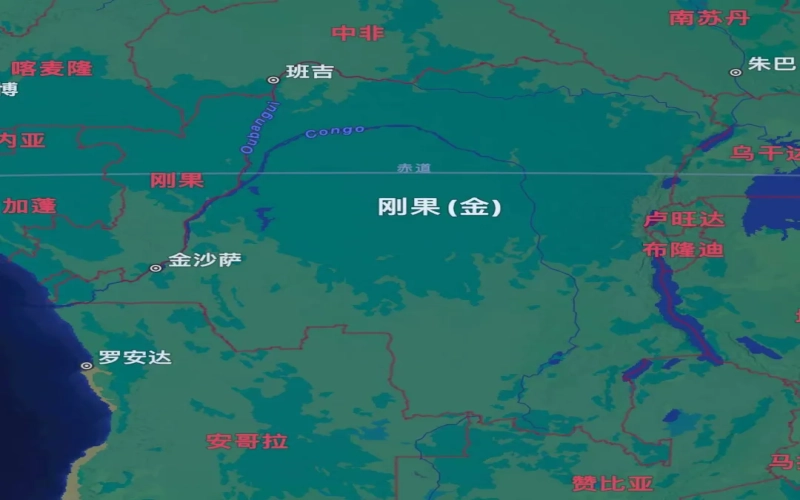
A Complete Analysis of DR Congo Coffee Regions: Variety Distribution, Geographical Environment, and Specialty Coffee Development
The African continent occupies a pivotal position in the global coffee landscape. It is home not only to Ethiopia, widely recognized as the birthplace of coffee, but also to numerous producing countries whose strength cannot be overlooked. Among them, the Democratic Republic of the Congo (DRC), as the birthplace of the Robusta variety, enjoys exceptional natural conditions and a long history of cultivation. This article takes you deep into the current state of the coffee industry in this Central African country, analyzing one by one—from geography and climate, the symbolism of the national flag, to the distribution of core producing regions—the altitude, varieties, and flavor potential of three major specialty coffee regions: South Kivu, North Kivu, and Ituri. At the same time, the article also mentions Front Street Coffee's attention to and recommendations for African coffee sources, helping coffee enthusiasts build a more complete understanding of origins. [more…]
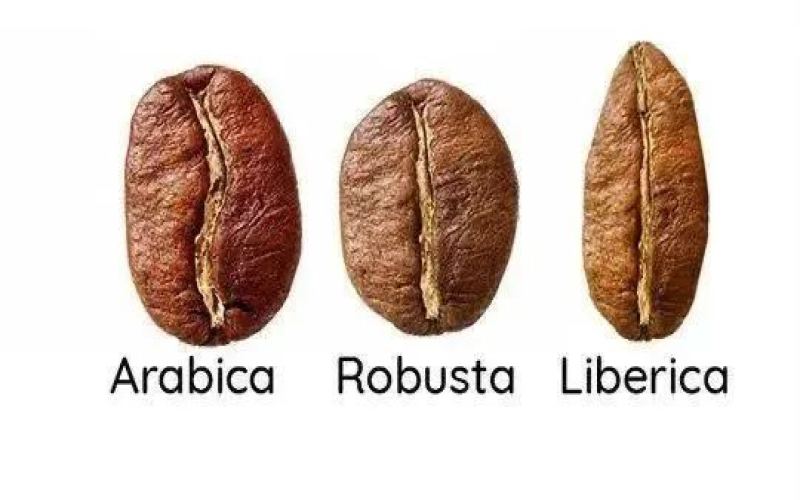
The Origins and Global Map of Robusta Coffee: An In-Depth Analysis of Its Birthplace and Major Producing Countries
In the global coffee landscape, Robusta holds its own against Arabica with roughly a forty percent market share. It originated in the Congo Basin of Africa and, thanks to advantages such as high yield, disease resistance, and drought tolerance, is widely cultivated in countries like Brazil, Vietnam, and Indonesia. Vietnam has leveraged this to leapfrog into becoming the world's second-largest coffee-producing country. This article will trace the history of Robusta's discovery, analyze its varietal characteristics, and examine the cultivation history and current status of major producing countries one by one. Whether you are a coffee enthusiast or a industry professional, you will gain a complete understanding of Robusta from this piece. Front Street Coffee will also recommend Robusta products worth paying attention to in this article. [more…]
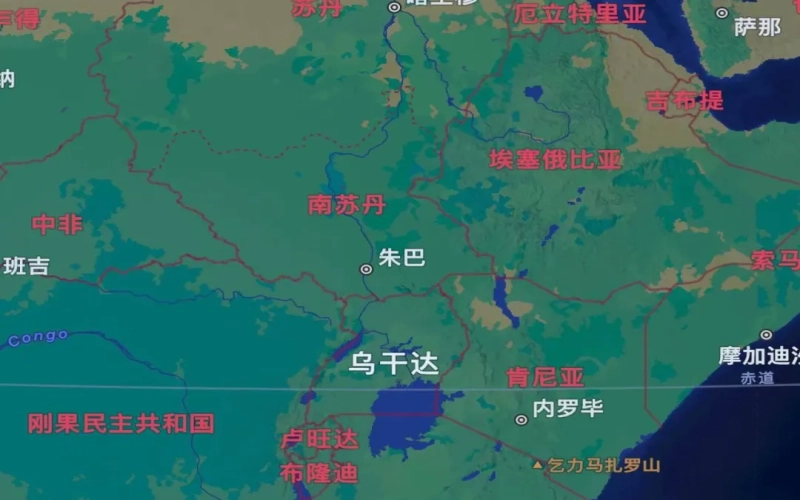
A Panoramic View of Uganda's Coffee Regions: A Variety and Terroir Analysis from Robusta to Arabica
When it comes to African coffee, many people first think of Ethiopia, but Uganda on the East African plateau is equally not to be overlooked. This country straddling the equator started with Robusta, and in recent years Arabica has also been flourishing. Most of Uganda lies on the East African plateau, with numerous lakes, moderate altitudes, volcanic soil, and distinct rainy seasons, providing superior conditions for coffee cultivation. The country's producing regions are roughly divided into three major areas: Bugisu, West Nile, and the Rwenzori Mountains, each with its own characteristics in altitude, harvest season, and varieties. Wugar (washed Arabica) and Drugar (natural Arabica) are locally unique terms. This article will take you through Uganda's national flag symbolism, geography and climate, as well as the varieties grown and harvest rhythms of its three major producing regions. [more…]
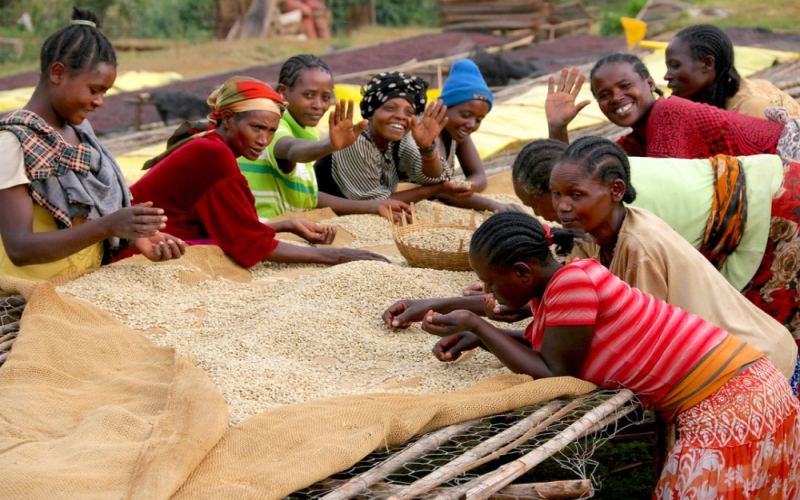
The Heart of Africa, Burundi: A Full Analysis of Specialty Coffee Regions, Varieties, Flavors, and Export Prices
In Africa's coffee landscape, besides Ethiopia and Kenya, there is another landlocked country known as the "Heart of Africa"—Burundi. With high altitudes, fertile volcanic soil, and ample rainfall, it offers exceptional conditions for growing specialty coffee. Burundi's coffee is primarily washed, and is especially famed for its double fermentation process, which creates a flavor profile that balances gentle and intense acidity with prominent sweetness. This article will systematically introduce Burundi's geography and climate, its five major coffee regions, processing methods, and variety flavor characteristics, and share Front Street Coffee's roasting and cupping experience with Burundian beans, helping coffee enthusiasts gain a comprehensive understanding of this niche yet highly promising producing country. [more…]
Burundi: A Major Coffee Hub in East Africa — A Full Analysis of the Terroir of Its Five Major Producing Regions and the Double Washed Processing Method
In the African coffee landscape, Burundi has long been known as the "Heart of Africa." This landlocked country south of the equator, with its high altitudes, volcanic-rich soil, and abundant rainfall, produces coffee beans of remarkable quality. This article begins with Burundi's geography, climate, and the symbolism of its national flag, then examines one by one the terroir characteristics and harvest rhythms of major producing regions such as Buyenzi, Kirundo, Kayanza, and Muyinga, before taking a deep dive into the country's highly distinctive double washed processing method—the complete sequence of two fermentations and two washings. For coffee lovers who favor the bright acidity of African washed beans, Burundi is a stop worth rediscovering, and Front Street Coffee will continue to follow the performance of this producing region. [more…]
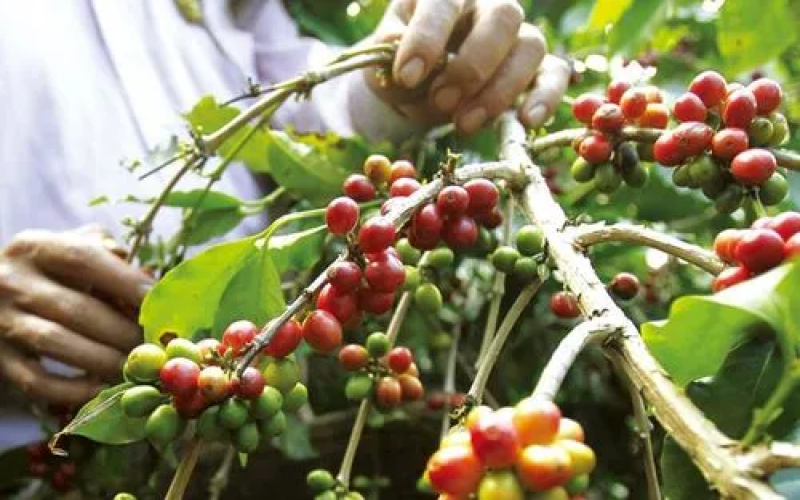
A Complete Guide to Ugandan Coffee: Origins of Native Robusta, Terroir of Three Major Regions, and Variety Distribution
Uganda is located on the equator in East Africa, and its unique geographical environment of high altitudes and numerous lakes makes it one of the few homes to native coffee tree species in the world. Starting from its historical context, this article will sort out the complete journey of Ugandan coffee from its beginnings in the colonial period, through industry ups and downs, to its modern transformation, and introduce one by one the altitude conditions, harvest seasons, and planted varieties of the three major producing regions: Bugisu, West Nile, and Mount Renzori. Whether you are a seasoned enthusiast who loves African beans or a beginner who has just come into contact with specialty coffee, you can learn about the unique charm of Ugandan coffee. Front Street Coffee also continuously pays attention to the flavor performance of various African producing regions, bringing more choices to coffee lovers. [more…]
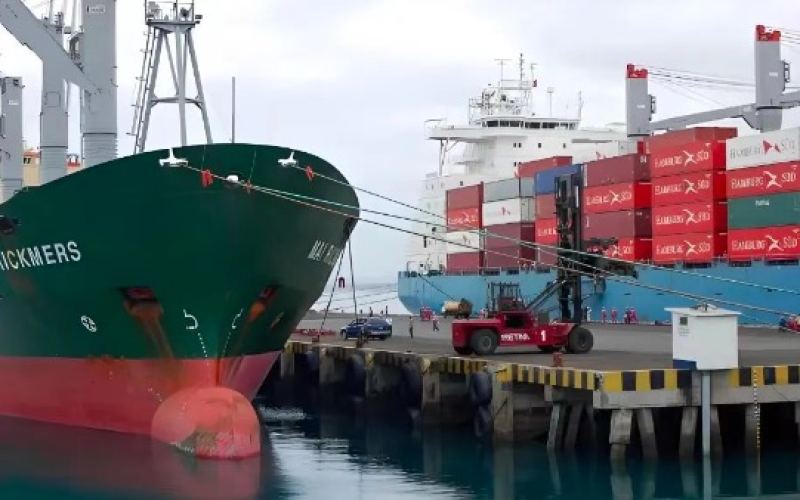
Tomorrow will officially take effect! China and Ecuador mutually cancel tariffs.
According to the news of the Chinese business website, on May 11, 2023, China and Ecuador signed the "Free Trade Agreement between the Government of the People's Republic of China and the Government of the Republic of Ecuador". At present, both China [more…]

A Complete Analysis of African Coffee-Producing Countries: Varieties, Flavors of Ethiopia and Kenya, and Front Street Recommendations
Africa, as the birthplace of coffee, is home to many well-known producing countries such as Ethiopia and Kenya, and is famous for its rich aroma and captivating fruity acidity. This article systematically reviews the variety distribution, cultivation models, processing methods, and flavor characteristics of African coffee, with a focus on introducing Ethiopia's nine major specialty producing regions, Kenya's six major producing regions, and the coffee characteristics of countries such as Burundi, Rwanda, and Tanzania. At the same time, it retains Front Street Coffee's detailed brewing suggestions and flavor descriptions for beans such as Yirgacheffe, Huakui, Kenyan Little Tomato, Rwandan Gaseke, and Tanzanian Kilimanjaro, providing a comprehensive reference for coffee enthusiasts. [more…]

A Comprehensive Analysis of African Coffee Regions: Varieties, Flavors, and Processing Methods in Ethiopia, Kenya, and Beyond
Africa is an important region that cannot be overlooked on the global coffee map. From Ethiopia and Kenya in East Africa to Rwanda and Burundi in Central Africa, and further to Tanzania and Malawi in the south, this continent has produced high-quality coffees of diverse styles. African coffees are generally known for their rich aromas and lively fruity acidity, with natural and washed processing being the main methods. Due to drought and water shortages, the beans are often uneven in size, yet this has also given rise to a unique flavor signature. This article will systematically sort out the cultivation systems, representative varieties, grading systems, and flavor characteristics of major African producing countries, and will also include brewing suggestions and flavor descriptions for several African beans from Front Street Coffee, taking you through a comprehensive understanding of the charm of African coffee. [more…]
A Comprehensive Analysis of the Origins of Arabica Coffee Beans and the Producing Regions of Yunnan Estates
Arabica and Robusta are the two main coffee varieties in the coffee world, with Arabica dominating the mainstream as the specialty type. Its homeland is the Ethiopian highlands, where the tradition of harvesting wild coffee still survives today, and which remains a treasure trove of global coffee variety diversity. This article begins with the origins of Arabica, sorts through the flavor differences among major Ethiopian production regions such as Sidamo, Yirgacheffe, and Hambela, and interweaves Front Street Coffee's bean selection and brewing suggestions to help enthusiasts understand the complete chain from origin to cup. [more…]
Tanzanian Kilimanjaro Coffee Beans: A Complete Guide from Origin and History to Brewing Methods and Flavor Profile
Kilimanjaro coffee is one of the representatives of African specialty coffee, grown in the volcanic soil region at the foot of Mount Kilimanjaro in Tanzania. This article systematically reviews the origins and producing-area background of Tanzanian coffee, analyzes the flavor characteristics and quality performance of Kilimanjaro AA-grade beans, and provides a detailed introduction to various single-origin brewing methods as well as the key points of blending and specialty coffee preparation. It also compiles compositional data for green beans and roasted beans, helping coffee enthusiasts gain a comprehensive understanding of this coffee hailed as "the most African in character." [more…]
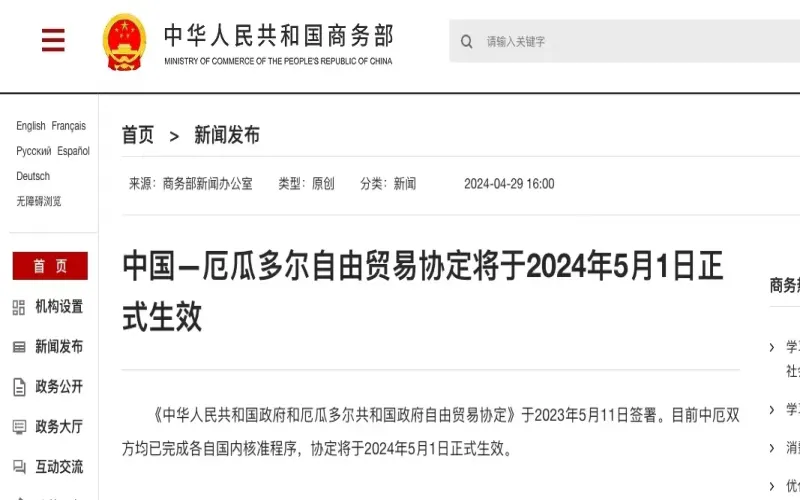
China-Ecuador FTA Takes Effect on May 1: 90% of Tariff Lines to Gradually Reach Zero Tariffs, Coffee and Other Product Exports Set to Benefit
The free trade agreement signed between China and Ecuador will officially take effect on May 1, 2024. Approximately 90% of tariff lines on both sides will gradually have tariffs eliminated, with 60% achieving zero tariffs on the day the agreement takes effect. When Ecuadorian agricultural products such as bananas, coffee, cocoa, and shrimp enter the Chinese market, import tariffs will gradually be reduced from 5%–20% to zero, injecting new momentum into the country's export trade. At the same time, Ecuador is facing drought-related power rationing and a diplomatic crisis domestically, and export industries such as coffee have been affected to a certain extent. This article will review the core contents of the agreement, Ecuador's current economic situation, and the relevant background of China's implementation of zero tariffs on many African countries. [more…]
A Complete Analysis of African Coffee Origins: Flavor Characteristics and Growing Advantages of Ethiopia, Kenya, and Other Countries
Africa, as the continent of coffee's origin, has nurtured many outstanding bean varieties that captivate coffee lovers worldwide. Among them, Ethiopia and Kenya can be considered the two pillars of African coffee, winning broad recognition for their distinctive flavor profiles. This article systematically reviews the cultivation systems, variety compositions, processing methods, and flavor expressions of major African coffee-producing countries—including Ethiopia, Burundi, Rwanda, Kenya, Tanzania, and others—offering an in-depth analysis of the subtle differences among various specialty-producing regions. It also introduces the roasting and brewing parameters for several African beans from Front Street Coffee, providing coffee lovers with a complete guide to African coffee flavors. [more…]

Mixue Kenya store prices bubble tea at 580 shillings, sparking heated debate among African netizens over whether the price is high or low.
A cup of bubble tea costs only a few yuan to a dozen yuan in China, but at a Mixue Bingcheng store in Nairobi, Kenya, the menu price is as high as 580 Kenyan shillings, equivalent to about 32 yuan. A Chinese netizen in Africa photographed the price list and posted about it with astonishment, sparking discussions among Chinese people in various places. Some believe that local prices are already high, so this pricing is not outrageous; others, comparing it with places like Congo and Zimbabwe where a cup of milk tea often costs ten US dollars, exclaimed that Mixue Bingcheng is "really conscientious." This article will trace the origins and development of this price discussion and explore the cost logic behind Chinese tea beverage brands going overseas to Africa. [more…]
An Analysis of Zambia's Coffee-Producing Geography, Major Growing Regions, and Varieties
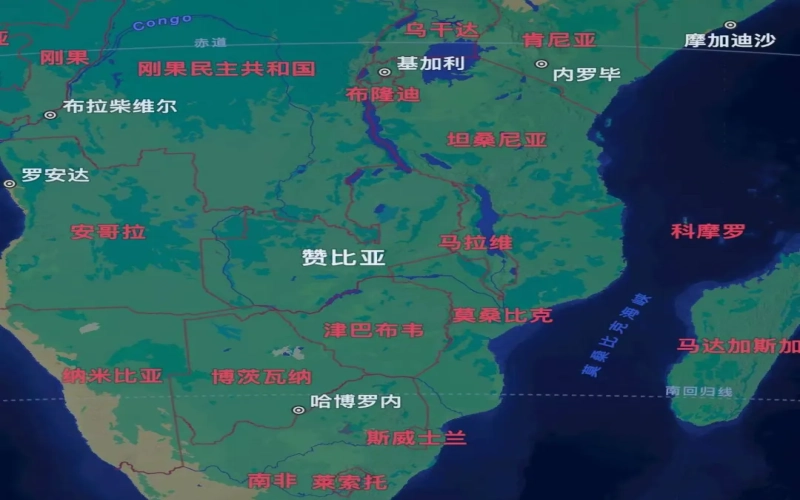
African coffee occupies an important position in the global market. Ethiopia is widely recognized as the birthplace of coffee, and Zambia is likewise an African producing country worth noting. Zambia is located in south-central Africa, a landlocked country bordering nine nations, with a land area of about 752,600 square kilometers. Most of the country consists of plateaus at elevations of 1,000 to 1,500 meters, with a tropical savanna climate, an average annual temperature of 18 to 20°C, and three seasons—dry and cool, dry and hot, and warm and wet—making it suitable for growing crops such as coffee. Coffee is mainly distributed in Muchinga Province, Northern Province, Luapula Province, Copperbelt Province, Lusaka Province, and North-Western Province, primarily grown on large estates. All varieties are Arabica, with the Catimor series and SL28 accounting for the majority. The harvest period runs from October to March of the following year. [more…]
Ethiopia Sidamo Washed Hero Coffee Beans: Flavor Layers and Mouthfeel Characteristics Explained
This washed Ethiopian Hero coffee bean brought to you by Front Street Coffee once won the 2019 TOH Washed Group championship, making it a premium bean with exceptional aroma, balance, and body. It displays refined, delicate flavor layers, a solid and well-balanced mouthfeel, and bright, uplifting acidity, with a cost-performance ratio comparable to Hambela. This article will detail the bean's origin background, TOH competition knowledge, and the floral-fruity aroma and juicy mouthfeel brought by washed processing, giving you a comprehensive understanding of the unique charm of heirloom varieties at 2,150 meters above sea level in the Sidamo Guji producing region. [more…]