







Search Results for: Kayanza
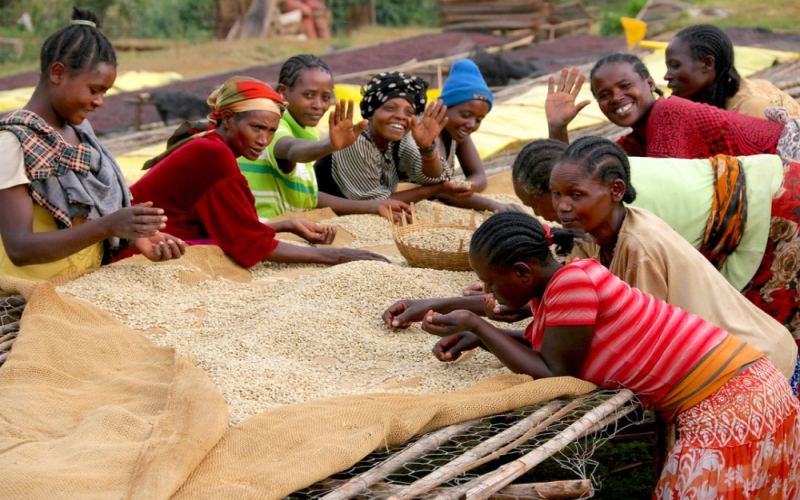
Burundi: A Major Coffee Hub in East Africa — A Full Analysis of the Terroir of Its Five Major Producing Regions and the Double Washed Processing Method
In the African coffee landscape, Burundi has long been known as the "Heart of Africa." This landlocked country south of the equator, with its high altitudes, volcanic-rich soil, and abundant rainfall, produces coffee beans of remarkable quality. This article begins with Burundi's geography, climate, and the symbolism of its national flag, then examines one by one the terroir characteristics and harvest rhythms of major producing regions such as Buyenzi, Kirundo, Kayanza, and Muyinga, before taking a deep dive into the country's highly distinctive double washed processing method—the complete sequence of two fermentations and two washings. For coffee lovers who favor the bright acidity of African washed beans, Burundi is a stop worth rediscovering, and Front Street Coffee will continue to follow the performance of this producing region. [more…]
Heart of Africa Burundi Coffee: Terroir, Bourbon Variety, and Front Street Coffee's Heart of Africa Flavor Analysis
Although Burundi is located inland in East Africa, it occupies a unique position on the specialty coffee map thanks to its high altitude, abundant rainfall, and Bourbon varieties. This article begins with Burundi's geographical conditions and cultivation history, sorts out the characteristics of five major producing regions—Kayanza, Ngozi, Kirundo, Muyinga, and Cibitoke—and extends to the operating model of cooperatives in the small Rutana producing area. At the same time, it explains in detail the origins and flavor performance of the Bourbon variety, and, combined with information on Front Street Coffee's Burundi Africa Heart coffee beans, shares the washed processing flow, roasting curve, cupping report, and pour-over parameters to help coffee lovers fully understand this bean's bright acidity and floral-fruity aroma. [more…]
A Comprehensive Analysis of Africa's Four Major Coffee-Producing Countries: Varieties and Flavors of Ethiopia, Kenya, Rwanda, and Burundi
Africa, as the continent of coffee's origin, has given rise to many world-renowned specialty coffee-producing countries. This article focuses on the four most representative African coffee-producing countries—Ethiopia, Kenya, Rwanda, and Burundi—and systematically reviews their geographical environments, variety characteristics, processing methods, and flavor profiles. Ethiopia's nine major producing regions each have their own distinctive features, from the jasmine aroma of Yirgacheffe to the mocha charm of Hara. Kenya is known for its SL varieties and bright acidity. Rwanda has achieved upgrading of its coffee industry under the promotion of the PEARL program. Burundi has emerged with its Cup of Excellence. Front Street Coffee provided professional information support for this article, hoping to help coffee enthusiasts gain a deeper understanding of the diversity of African coffee. [more…]
The Heart of Africa, Burundi: A Full Analysis of Specialty Coffee Regions, Varieties, Flavors, and Export Prices
In Africa's coffee landscape, besides Ethiopia and Kenya, there is another landlocked country known as the "Heart of Africa"—Burundi. With high altitudes, fertile volcanic soil, and ample rainfall, it offers exceptional conditions for growing specialty coffee. Burundi's coffee is primarily washed, and is especially famed for its double fermentation process, which creates a flavor profile that balances gentle and intense acidity with prominent sweetness. This article will systematically introduce Burundi's geography and climate, its five major coffee regions, processing methods, and variety flavor characteristics, and share Front Street Coffee's roasting and cupping experience with Burundian beans, helping coffee enthusiasts gain a comprehensive understanding of this niche yet highly promising producing country. [more…]
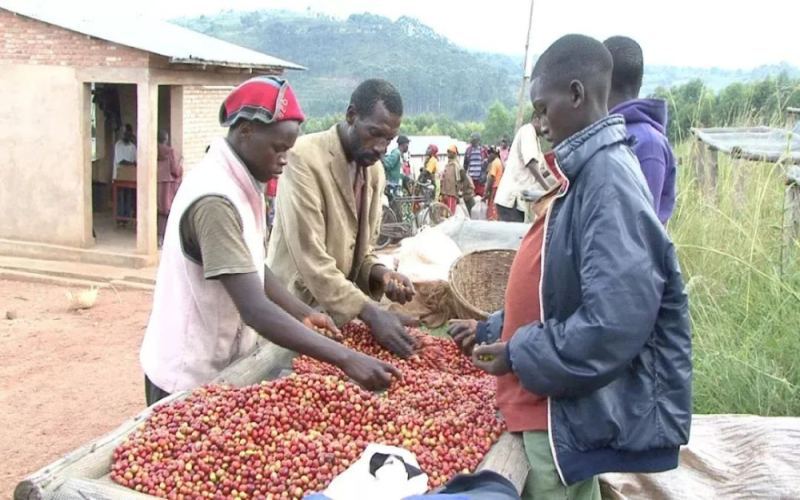
An Analysis of Burundi's Coffee Industry History, Five Major Production Regions, Cultivated Varieties, and Double Washed Processing Method
Burundi is known as the "Land of a Thousand Hills," located in east-central Africa with an average altitude of about 1,600 meters, giving it a natural advantage for developing specialty coffee. Coffee was introduced by Belgian colonists in 1930, and thereafter went through nationalization, the impact of civil war, and privatization reforms, until 2007 when private washing stations were permitted and the COE competition was held in 2011, only then did the industry truly embark on the path of specialization. This article will systematically review the development of Burundi coffee, introduce the five major producing regions including Kayanza and Kirimiro, the main varieties such as Bourbon and Caturra, and focus on analyzing its double fermentation washing process similar to Kenya's, taking you to fully understand the unique charm of this East African coffee-producing country. [more…]
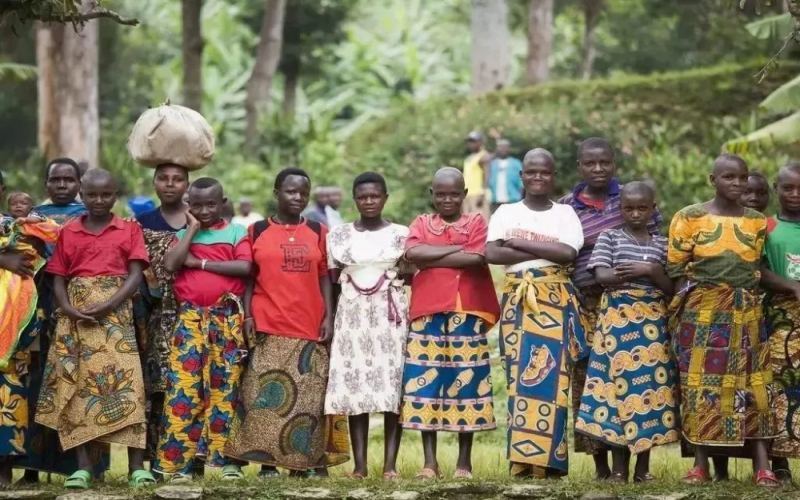
Heart of Africa Burundi Coffee: A Comprehensive Interpretation of Producing Region Evolution, Washed Processing, and Flavor Characteristics
Although Burundi is not as well-known as Ethiopia or Kenya, it has become a force to be reckoned with in Africa's specialty coffee landscape thanks to its high-altitude mountains, excellent terroir, and increasingly refined washed processing techniques. This article provides a systematic overview of Burundian coffee's development, from its historical evolution and producing region distribution to processing methods and flavor profiles. It also specifically shares Front Street Coffee's roasting and cupping experience with a Burundian bean, letting you experience the unique coffee charm of this "Heart of Africa" nation. [more…]
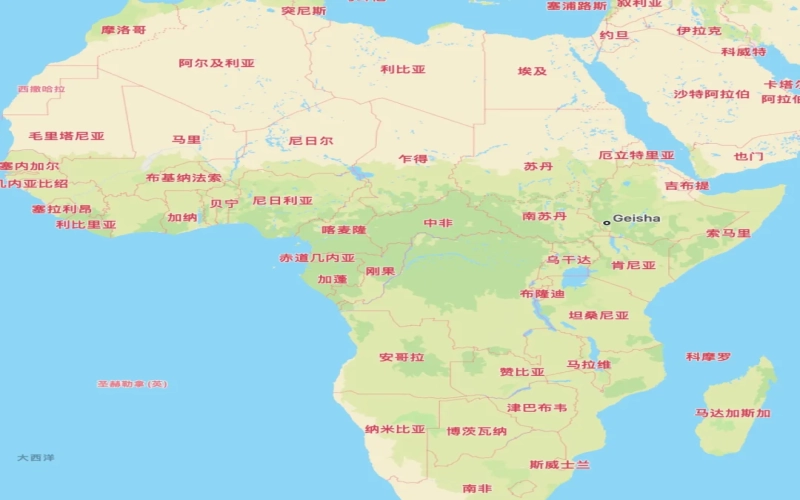
A Tour of African Coffee-Producing Countries: The Cultivation History and Flavor Characteristics of Burundi, Cameroon, and the Democratic Republic of the Congo
The African continent, with its exceptional natural conditions, has nurtured numerous coffee-producing countries. Beyond the well-known Ethiopia and Kenya, Burundi, Cameroon, and the Democratic Republic of the Congo also deserve attention. Burundi, known as the "Heart of Africa," showcases bright acidity and full-bodied sweetness through varieties such as Bourbon; Cameroon is dominated by Robusta, with Arabica accounting for only a small portion; the DRC, as the birthplace of Robusta, offers coffee with a wild flavor rich in fruity notes. This article will guide you through the coffee cultivation history, producing regions, variety characteristics, and industry status of these three countries, along with relevant recommendations from Front Street Coffee, to provide reference for your coffee exploration journey. [more…]

A Detailed Explanation of the Flavor Differences Between African and American Coffee Beans: Regional Characteristics and Processing Method Influences from Yirgacheffe to Costa Rica
The world of coffee flavors is like a rich and colorful scroll, with African beans and American beans each painting a completely different taste landscape. African beans, thanks to high altitudes and unique processing methods, bloom with a fascinating interweaving of floral and fruity aromas, and are deeply sought after by enthusiasts who prefer coffee with acidity; American beans, on the other hand, are known for their balanced mouthfeel, with the sweet aromas of caramel and stone fruits leaving a lingering aftertaste. This article will systematically sort out the flavor characteristics, variety information, and processing techniques of classic producing regions such as Ethiopia Yirgacheffe, Limu, Burundi, as well as Costa Rica and Honduras, while retaining relevant recommendations from the Front Street brand, to help coffee enthusiasts more clearly understand the differences and charm of the two major producing regions. [more…]
A Complete Analysis of the Flavor Differences Between African and American Beans: A Cup-by-Cup Comparison of Terroir from Yirgacheffe to Costa Rica
Coffee lovers often face a choice: do they prefer bright fruity acidity, or balanced richness? African growing regions and American growing regions happen to represent two completely different flavor directions. African beans are known for floral and fruity notes, with a light body like fruit tea; American beans emphasize caramel, nut, and chocolate tones, with a smooth, creamy texture. This article will compare Front Street Ethiopia Yirgacheffe, Limu, Burundi African Heart, as well as Costa Rica honey process, Honduras San Juan Chito, and other beans one by one, from growing region environment, variety characteristics, and processing methods to the final cupping flavor, to help you find the cup that best suits your taste when brewing pour-over. [more…]
African beans have bright fruity notes, American beans are rich and balanced: understanding the classic flavors of the two major regions in one article
In the world of coffee, origin largely determines the direction of flavor in the cup. African beans are known for their bold floral and fruity aromas, with lively, transparent acidity, like a glass of freshly squeezed juice; American beans, by contrast, excel in balance and harmony, with caramel and nutty sweetness interwoven and a smooth, delicate mouthfeel. This article will take you through three African representatives—Ethiopia Yirgacheffe Red Cherry, Limu G2, and Burundi Heart of Africa—as well as two renowned American beans, Costa Rica Honey Process and Honduras San Juan Guito, breaking down each one by terroir conditions, processing methods, and cup performance. Fruity-style and balanced-style go head-to-head on the same stage—which one will better capture your taste buds? [more…]

A Complete Guide to African Coffee-Producing Countries: From Ethiopia to Tanzania, a Specialty Flavor and Origin Guide
Africa, as the continent of coffee's origin, nurtures coffee beans with highly distinctive flavors thanks to its unique climate and terrain. From Ethiopia's Yirgacheffe to Kenya's AA grade, and from Yemen's Mocha to Tanzania's Kilimanjaro, each producing region displays alluring fruit acidity and regional character. This article systematically reviews the cultivation history, varieties, processing methods, and flavor characteristics of Africa's major coffee-producing countries, and includes information on various cooperatives and representative bean lots, making it suitable for coffee enthusiasts who want an in-depth understanding of the full picture of African specialty coffee. [more…]