







What does the China-Ecuador FTA mean for coffee origin country trade?
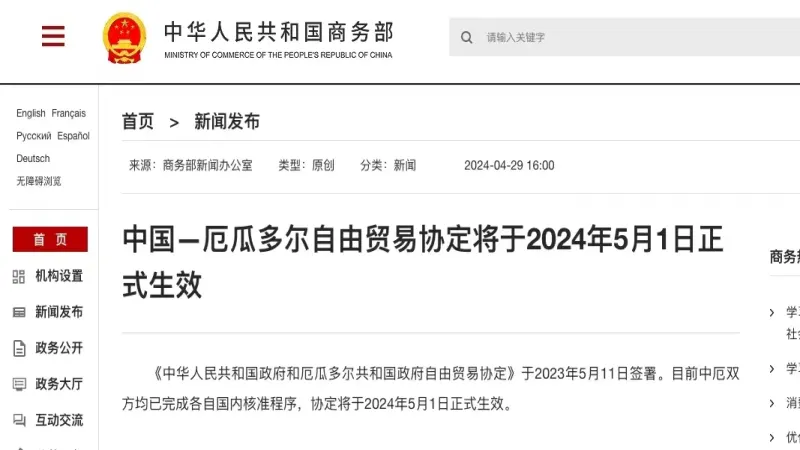
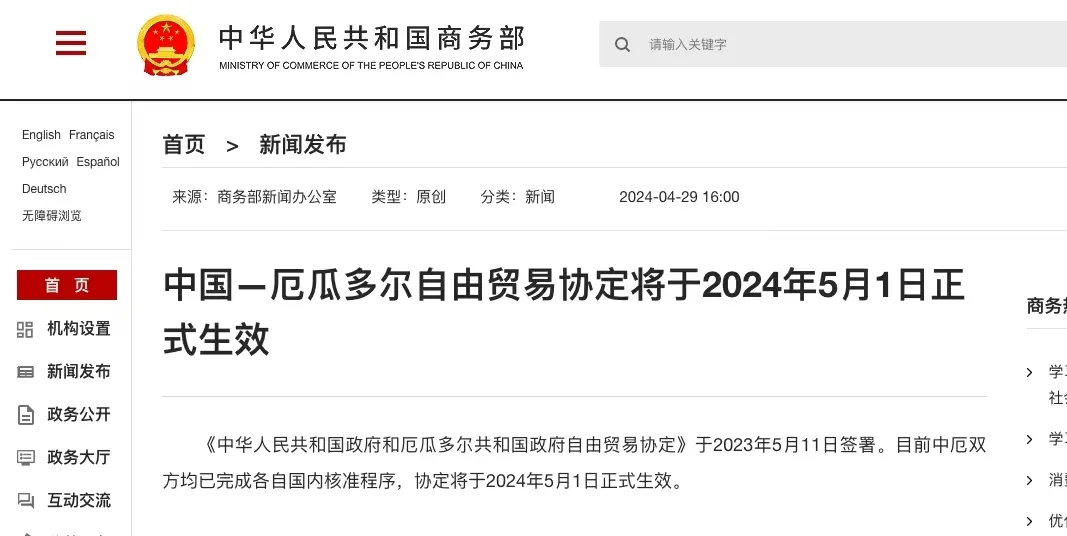
The China-Ecuador free trade agreement takes effect on May 1, 2024. About 90 percent of tariff lines on both sides will be phased out, and 60 percent reach zero tariffs on day one. For Ecuadorian goods entering China, including coffee, cocoa, bananas and shrimp, import duties fall gradually from 5 to 20 percent to zero.
Ecuador signed the agreement on May 11, 2023, and both sides have completed domestic approvals. The deal covers rules of origin, customs procedures and technical barriers. Ecuador is meanwhile dealing with drought-related power rationing and a diplomatic crisis that has touched exports. The change also follows China's zero-tariff treatment for many African countries, adding momentum to the china coffee market.
The free trade agreement signed between China and Ecuador will officially take effect on May 1, 2024. About 90% of tariff lines on both sides will gradually have tariffs eliminated, with 60% achieving zero tariffs on the day the agreement takes effect. When Ecuadorian agricultural products such as bananas, coffee, cocoa, and shrimp enter the Chinese market, import tariffs will gradually drop from 5%—20% to zero, injecting new momentum into the country's export trade. At the same time, Ecuador is facing drought-related power rationing and a diplomatic crisis domestically, and export industries such as coffee have been somewhat affected. This article will review the core content of the agreement, Ecuador's current economic situation, and the related background of China's zero-tariff treatment for many African countries.
According to information published on China's Ministry of Commerce website, on May 11, 2023, China and Ecuador officially signed the Free Trade Agreement between the Government of the People's Republic of China and the Government of the Republic of Ecuador. At present, both sides have completed their respective domestic approval procedures, and the agreement is confirmed to officially take effect on May 1, 2024.
According to the announcement, after the agreement takes effect, China and Ecuador will respectively phase out tariffs on about 90% of tariff lines, covering their main export commodities, and about 60% of tariff lines will achieve zero tariffs immediately on the day the agreement takes effect. Taking Chinese products as an example, when most goods such as plastic products, chemical fibers, steel products, mechanical appliances, electrical equipment, home decorations, automobiles and parts, and lithium batteries are exported to Ecuador, Ecuador's import tariffs will be gradually reduced from the current 5%—40% to zero.
The phased mutual tariff elimination between the two countries will play an important role in expanding the scale of bilateral trade, promoting industrial chain integration and mutual investment, and will also drive further improvement in trade facilitation. At the same time, the two sides will also build closer communication and cooperation mechanisms in multiple areas, including rules of origin, customs procedures and trade facilitation, sanitary and phytosanitary measures, technical barriers to trade, trade remedies, dispute settlement, investment cooperation, e-commerce, competition, and economic cooperation, promote mutual coordination of relevant rules and regulations, and create a more convenient, transparent, and stable business environment for enterprises of both countries.
Ecuador's economy mainly depends on exports of bananas, cocoa, oil, and coffee, as well as tourism. Mexico's severance of diplomatic relations with Ecuador will also reduce export trade between the two countries. In addition, Ecuador has recently faced severe drought, which has seriously affected hydropower generation, and since April 16 power rationing measures have been implemented in many parts of the country.
It is understood that about 75% of Ecuador's electricity comes from hydropower. Affected by the El Niño phenomenon, the country is currently experiencing severe drought, and water levels in many rivers and reservoirs have dropped. Local media released power rationing arrangements on the 16th for places including the capital Quito and the port city of Guayaquil.
The diplomatic crisis and severe domestic drought have dealt a blow to Ecuador's export trade in bananas, coffee, and other products. However, after the Free Trade Agreement between the Government of the People's Republic of China and the Government of the Republic of Ecuador takes effect, when Ecuadorian products such as bananas, shrimp, fish, fish oil, fresh flowers and dried flowers, cocoa, and coffee enter the Chinese market, China's import tariffs will be gradually reduced from the current 5%—20% to zero. This will help the development of Ecuador's export trade.
It is also understood that China has likewise implemented zero tariffs on products originating in Angola, Gambia, Mali, Madagascar, Mauritania, and the Democratic Republic of the Congo. The zero-tariff treatment covers 98% of the tariff lines of these African countries, including coffee, palm oil, cotton, cocoa, fruits, seafood, and spices.
The entry into force and implementation of the agreement between China and Ecuador will enhance the level of trade and investment liberalization and facilitation between the two countries, further stimulate the potential for trade and investment cooperation, promote comprehensive upgrading of bilateral economic and trade cooperation, and improve the well-being of enterprises and people in both countries.
The above content is compiled by CoffeeHunters, a coffee news website.


