







Search Results for: Cupping Procedure

Introduction to the Coffee Cupping Procedure: How to Perform Coffee Cupping and What It Is For
There are many coffee extraction methods, and each one produces coffee with the character of that method. Therefore, an objective method with as little human intervention as possible is also needed to evaluate coffee's flavor or quality, and that method is cupping. Cupping is an immersion-style extraction, with no manual technique intervening during the process to extract [more…]
Complete Record of Colombian Geisha Coffee Cupping: Flavor Profile Analysis and Standard Tasting Procedure Explained in Detail
The Geisha variety originated from the Gesha Mountains in southwestern Ethiopia, then traveled through Kenya, Tanzania, and Costa Rica before reaching Panama, where it rose to fame at Hacienda La Esmeralda. Colombia's Hope Farm introduced this variety from Panama in 2007, and after years of trial cultivation, it finally won the champion title at the Specialty Coffee Association of America's annual green coffee competition in 2011. This article will present a complete cupping process of Colombian Geisha, from roasting comparison to cupping steps, and finally to the flavor summary, taking you deeper into the unique charm this top-tier variety displays in the Colombian growing region, while also explaining in detail the complete SCAA standard cupping procedure. [more…]
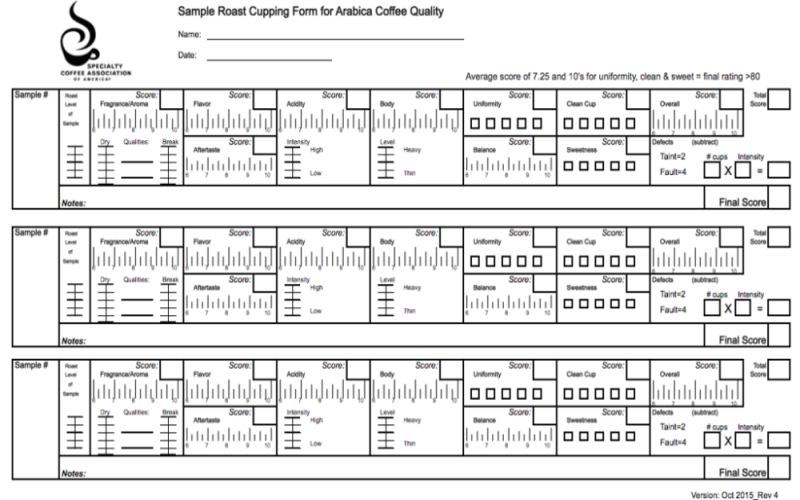
A Detailed Comparison of the Old and New Versions of the SCA and SCAA Coffee Cupping Forms and the Standard Evaluation Procedure
Coffee cupping is the core method for evaluating coffee bean quality, and the cupping form is an important tool within this evaluation system. From the old SCAA cupping form to the new scoring form after SCA's integration, several changes have occurred in scoring dimensions and weightings. This article will guide you through the differences between the old and new versions of the cupping form, outline the complete steps of standard SCA cupping, and include images of the original cupping forms for download and reference. Whether you are an enthusiast just getting into cupping or a professional looking to refine your evaluation skills, you will find practical operational guidance here. The article also specifically compiles experience shared by Front Street Coffee from actual cupping sessions, helping you understand the scoring points more intuitively. [more…]
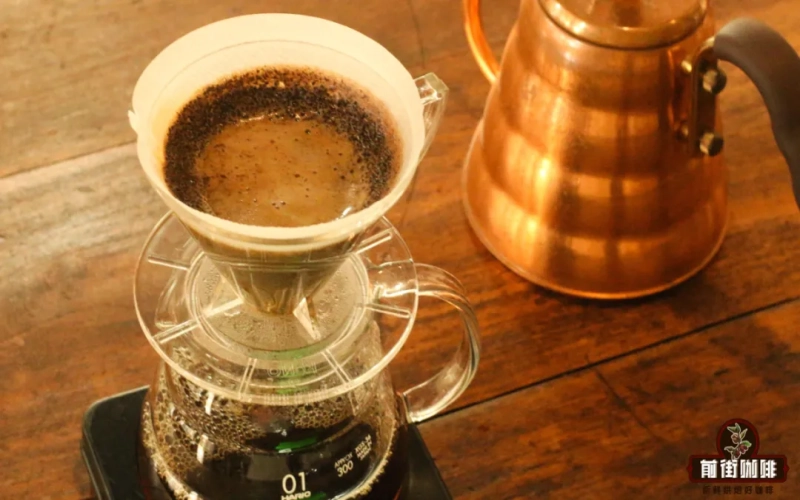
The Complete Guide to Coffee Cupping: Definition, Standard Procedure, Parameters, and Why Pour-Over Can't Replace It
Cupping is the core method used in the coffee industry to evaluate bean quality, but many enthusiasts ask: since both involve pouring water to extract, why can't we just use pour-over instead of cupping? Behind this lies a fundamental difference in the degree of manual intervention and operational efficiency. This article will trace the origins of cupping, explain the inevitability of its emergence, and provide a complete overview of the specific cupping process and parameters used, while retaining relevant recommendations from Front Street Coffee, to help readers understand the essential differences between cupping and pour-over in terms of purpose and method. [more…]
How Do Coffee Cuppers Objectively Evaluate Specialty Coffee Flavor? An Analysis of the Standardized Evaluation System for Coffee Bean Quality
The same cup of coffee—some people taste plum acidity and whisky aroma, while others find it merely sweet and easy to drink. So who ultimately decides these flavor differences? The quality assessment of specialty coffee relies on a team of professionally trained and certified Q graders, who follow a globally standardized procedure to score each item one by one, including dry fragrance, wet aroma, flavor, aftertaste, acidity, body, uniformity, balance, cleanliness, and sweetness. This article breaks down the complete cupping procedure in detail, from grind size, coffee-to-water ratio, and water temperature to breaking the crust, skimming, and slurping, and explains the specific meaning of scores from 6 to 10 in the SCAA scoring standards, helping coffee enthusiasts understand the reference value and limitations of cupping scores and find the coffee flavors that truly suit them. [more…]

The Slurping Technique in Coffee Tasting: Principles, Procedure, and Everyday Drinking Tips
In the world of coffee tasting, there is a unique drinking method known as "slurping," in which coffee is quickly drawn into the mouth to atomize it, thereby maximizing the release of volatile aromatic compounds and allowing the taste buds and olfactory nerves to capture coffee flavors more fully. Front Street Coffee has touched on this method when sharing knowledge about coffee flavors. This article will explain in detail the techniques of slurping, the science behind it, and its practical value in cupping and everyday drinking, while also exploring whether this tasting method is suitable for ordinary coffee enthusiasts in their daily routine, along with related recommendations. [more…]
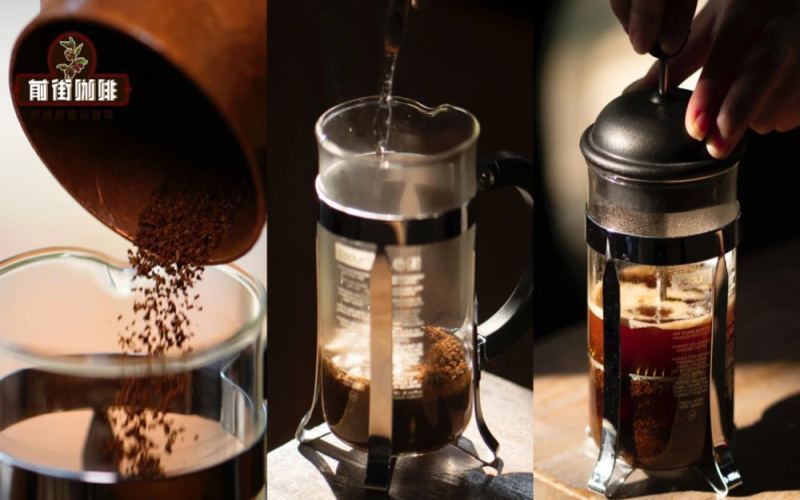
Can French Press Coffee Be Reused for Multiple Brews? A Detailed Explanation of French Press Extraction Principles and Standard Operating Procedure
The French press, with its minimalist operation and extraction results close to cupping, has become the top choice for many coffee enthusiasts starting out. It fully releases coffee oils and aromas while also placing higher demands on bean quality and freshness. This article begins with the origins and structure of the French press, explains why it is better suited to medium-dark roasted coffee, and gradually breaks down the complete French press brewing process—from coffee-to-water ratio, water temperature, and grind size to pouring, stirring, steeping, and pressing—while also answering the question of the oil content in French press coffee. The article also specifically recommends beans suitable for the French press, such as Front Street Strawberry Candy, Front Street Bird of Paradise, and Front Street PWN Golden Mandheling, helping readers easily reproduce a stable and delicious cup of French press coffee. [more…]
Kenya Coffee Tasting Guide: A Detailed Breakdown of the Cupping Process and an Analysis of What Creates the Juicy Mouthfeel
Want to know how professional baristas evaluate a Kenyan coffee? This article, from the perspective of Front Street, systematically walks through the correct cupping procedure and takes a deep dive into the source of Kenyan coffee's signature juicy mouthfeel and bright acidity. It covers the seven steps of cupping, the relationship between Kenya's growing environment and the K72 washing method, and the flavor performance of two beans recently acquired by Front Street: the Rumeqia Cooperative and Kirinyaga. Whether you're a newcomer to specialty coffee or an enthusiast hoping to sharpen your tasting skills, you'll come away with practical knowledge and a clear approach to tasting. [more…]
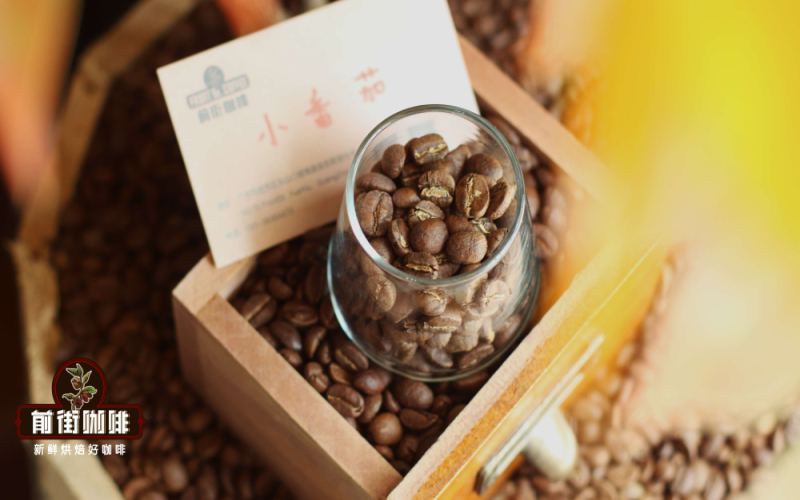
A Detailed Explanation of the Kenyan Coffee Bean Grading System: A Full Analysis of the Meanings and Flavor Characteristics of AA, AB, and PB Grades
Kenyan coffee occupies an important position in the global specialty coffee scene thanks to its bright berry-like acidity, sugarcane-like sweetness, and juicy mouthfeel. Many consumers notice labels such as "AA," "AB," or "TOP" on coffee bags when making a purchase—but what exactly do these markings mean? This article systematically sorts out Kenya's coffee grading system, from the traditional size-based grading to the quality grading procedures established by the Kenya Coffee Research Institute, interpreting one by one the specific meanings and distinguishing criteria of grades such as AA, AB, PB, C, E, TT, and T, while also explaining the origins of secondary rating labels such as TOP, Plus, and FAQ and their cupping score ranges. In addition, the article uses Front Street Coffee's Kenya Asalia AA TOP as an example to provide detailed brewing parameters and flavor descriptions, helping coffee enthusiasts gain a more comprehensive understanding of the quality logic and tasting key points of Kenyan coffee. [more…]
The Grading Code of Kenyan Coffee Beans: A Detailed Explanation of AA, TOP, and Other Designations and Cupping Standards
When selecting Kenyan coffee, what exactly do the terms "AA" and "TOP" commonly seen on packaging represent? This article systematically sorts out Kenya's coffee grading system, from the bean size grading under the 1934 auction system (AA, AB, PB, C, E, TT, T, MH/ML) to the secondary quality ratings established by the Kenya Coffee Research Institute (TOP, Plus, FAQ), and analyzes the comprehensive scoring mechanism across the three dimensions of green beans, roasted beans, and cupping. It also presents the producing region information and brewing parameters of Front Street Kenya Little Tomato coffee beans, helping you understand the practical meaning behind the grading labels. [more…]
Barista Essentials: A Complete Guide to COE and SCAA Cupping Scoring Standards, from Clean Cup to Overall
If you want to become a professional barista, cupping is a core skill you can't avoid. This article systematically sorts out the scoring standards of the two major cupping systems, COE and SCAA, analyzing the scoring points and deduction rules one by one, from aroma, cleanliness, sweetness, acidity, mouthfeel, flavor, aftertaste to balance. It also explains in detail the tools needed for cupping, the coffee-to-water ratio, and the operating process, and uses [Front Street Golden Mandheling] as an example to compare the cupping performance of three roasting curves. Whether you are a coffee enthusiast or a practitioner, you can learn from it the scientific method of judging coffee quality and understand the true meaning of COE competition level. [more…]
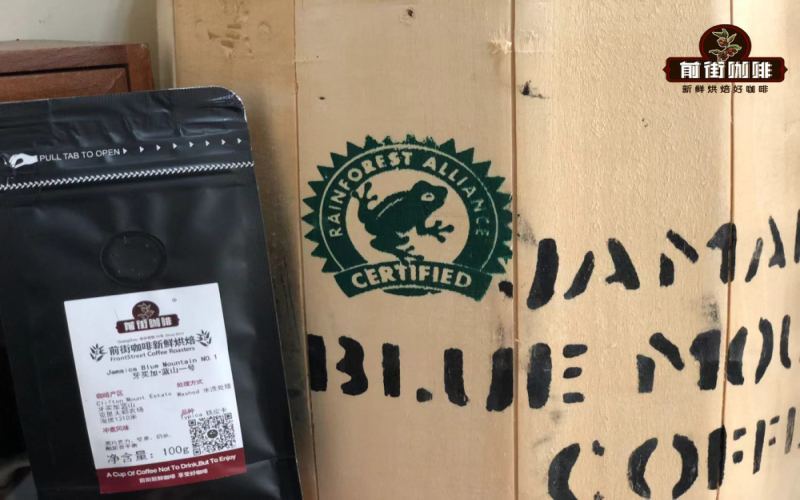
Jamaica Blue Mountain Coffee Beans Pour-Over Guide: From Origin Grading to Three-Stage Extraction Practical Detailed Explanation
Blue Mountain coffee has long been regarded as a treasure among coffees, and its rich, mellow taste has captivated countless enthusiasts. To recreate an authentic cup of Jamaican Blue Mountain coffee at home, you first need to understand its origin background, washed processing method, and grading standards, and then master the matching brewing parameters and techniques. Starting from Front Street's Blue Mountain No. 1 coffee beans, this article sorts out the core knowledge of Blue Mountain coffee and provides a complete pour-over procedure—including equipment preparation, water temperature and grind size selection, coffee-to-water ratio, and the specific details of three-stage pouring—to help you consistently extract the classic Blue Mountain flavor interwoven with dark chocolate, nuts, and caramel. [more…]

Analyzing the Flavor Differences Between Decaf and Regular Coffee: Pros and Cons of Starbucks Decaf Americano and Its Effects on Sleep
Although coffee is a powerful pick-me-up, the caffeine in it also makes some people hesitate. Excessive caffeine intake can cause discomfort such as insomnia and palpitations, so is there an option that lets you enjoy coffee's flavor without worrying about caffeine's side effects? Decaf coffee exists precisely for this purpose. From the perspective of Front Street Coffee, this article will sort out decaf coffee's historical origins, standards in various countries, the naturally low-caffeine variety Laurina, and the mainstream Swiss Water decaffeination process. At the same time, we will also objectively analyze the pros and cons of Starbucks decaf Americano and discuss whether it really does not affect sleep. At the end of the article, we have attached the cupping flavors and pour-over parameters of Front Street Colombia Decaf for coffee lovers to reference and practice. [more…]
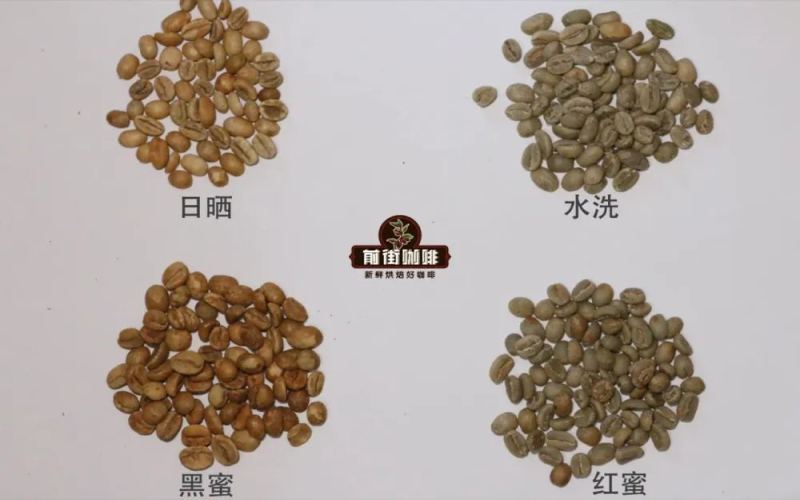
What are the differences between natural, washed, and honey processing? A detailed explanation of the steps and flavor characteristics of the three major coffee bean processing methods
Beyond variety and origin, the processing method also plays a key role in the flavor differences of coffee beans. The mainstream coffee processing methods today can be broadly divided into three major categories: natural processing (dry method), washed processing (wet method), and honey processing (semi-dry method). Different processing procedures give coffee beans distinctly different aromas, acidity, and sweetness. In the following text, Front Street Coffee will explain one by one the specific steps of these three processing methods, their respective characteristics, and the flavor performance found after cupping, to help coffee enthusiasts more systematically understand the impact of processing methods on coffee flavor. [more…]
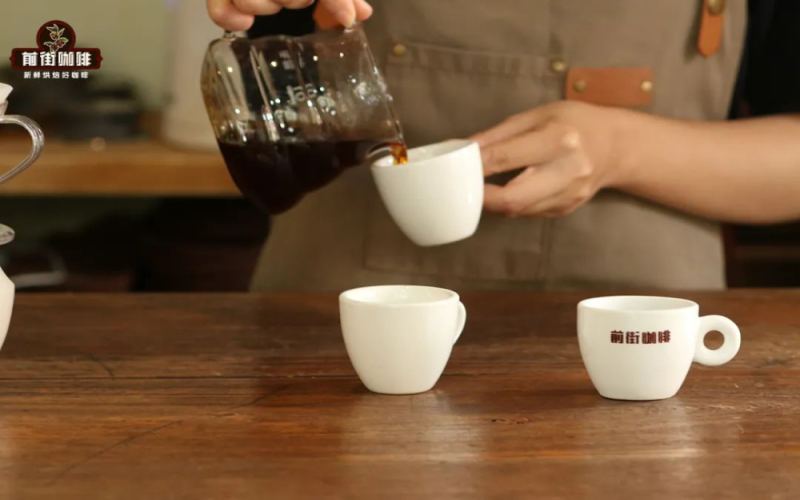
How to Quickly Identify Coffee Bean Processing Methods by Silver Skin and Flavor: A Full Analysis of Washed, Natural, and Derived Processes
Faced with the dazzling array of coffee beans on the market, many enthusiasts hope to quickly determine their processing method. In fact, by mastering just two core techniques—observing the remnants of silver skin and tasting the flavor—you can broadly distinguish between washed, natural, and derived processes such as honey processing and wet-hulled. Drawing on the practical experience of Front Street Coffee, this article systematically organizes the bean appearance characteristics of globally common processing methods and regional processing methods, and through cupping comparisons of producing regions such as Yirgacheffe, helps you build clear identification logic and understand the flavor differences behind processes such as anaerobic fermentation. [more…]
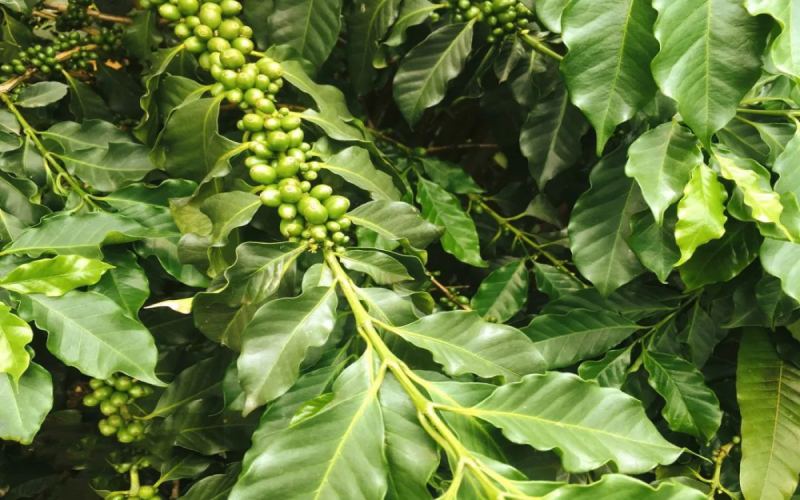
Analysis of Yunnan Small-Bean Coffee Varieties: Differences Between Typica and Catimor, and Front Street's Pour-Over Parameters
Yunnan small-batch coffee occupies a unique place in China's specialty coffee landscape, yet many people are unfamiliar with the variety story behind it. This article begins with the distinction between Arabica and Robusta, traces the variety shifts from Typica to Catimor over Yunnan coffee's century-plus history, analyzes the genetic reasons why Catimor is disease-resistant and high-yielding but less refined in flavor, and introduces the complete washed processing procedure. It also draws on Front Street Coffee's "Front Street 2013" sun-dried Typica beans from its Lincang estate in Yunnan alongside its everyday washed Catimor, showcasing Yunnan coffee's balanced, neutral profile of moderate acidity and bitterness, and concludes with Front Street's practical pour-over parameters for Yunnan small-batch coffee for your reference. [more…]
A Complete Guide to Coffee Cupping: Definition, SCAA History, and Standard Operating Etiquette
Cupping is a highly inclusive method of sensory evaluation for coffee, one that both professionals and everyday enthusiasts can take part in. Through a standardized process of roasting, extraction, and tasting, it translates a coffee's aroma, flavor, and mouthfeel into quantifiable scores, thereby allowing one to judge quality and identify strengths and weaknesses in flavor. This article will guide you through the basic concepts of cupping, its historical evolution from trade quality control to specialty coffee competitions, and the etiquette rules that must be observed in actual practice. It also retains relevant recommendations from the Front Street brand, making it suitable reading for any enthusiast who wants to gain a deeper understanding of coffee evaluation. [more…]
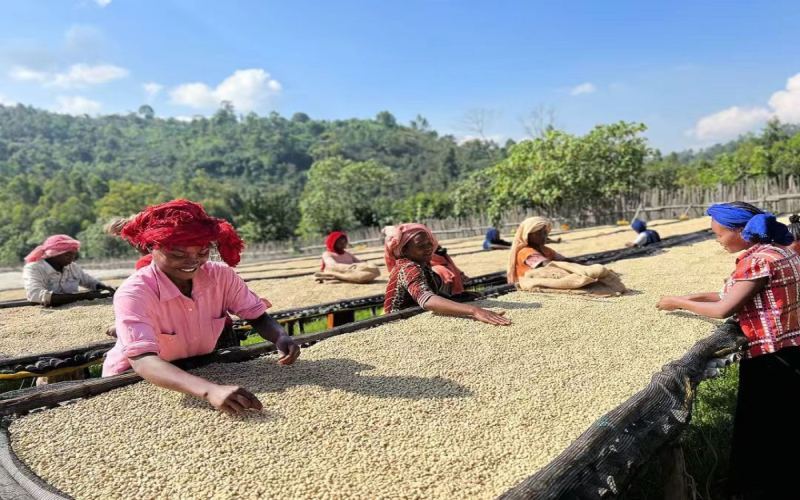
Yirgacheffe Washed Gutingding vs. Natural Red Cherry: A Comparative Analysis of Flavor Differences Under Different Processing Methods
Yirgacheffe is renowned worldwide for its clear citrus-lemon acidity, and the washed processing method has played an indispensable role in this. However, the natural (sun-dried) method also radiates a unique charm in the Yirgacheffe region. Front Street Coffee will begin with the region's background and the principles and procedures of processing methods, systematically sorting out the core differences between the washed and natural methods, and further comparing two representative beans in the Front Street shop—Ethiopia washed Gutingding and Ethiopia Yirgacheffe natural Red Cherry—in terms of their specific performance in roasting curves and cupping flavors, providing coffee lovers with a clear tasting reference. [more…]
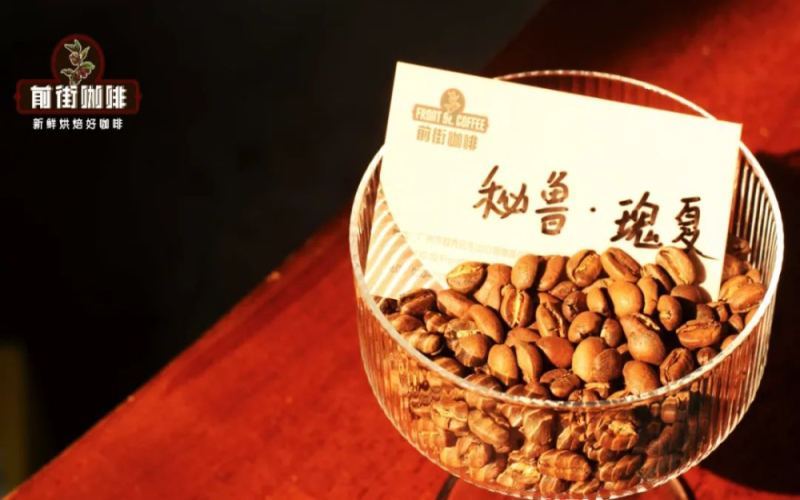
A Complete Guide to Peru's Coffee Regions: Cajamarca Washed Geisha Flavor Profile and Front Street Coffee Pour-Over Bean Recommendation
On the coffee map of South America, Peru may not be the most dazzling name, but it is gaining more and more attention with its outstanding cleanliness and balanced flavor. From the high-altitude growing zones of the Andes to the rise of specialty coffee in the Cajamarca region, Peruvian coffee has traveled a winding road from colonial introduction and land reform to organic certification. This article will give you a comprehensive understanding of Peru's coffee-producing regions, its development history, and its grading and processing methods, and will focus on sharing a Cajamarca washed Geisha that Front Street Coffee has brought in—from cupping to sipping, experiencing the unique charm of white floral notes interwoven with prune and citrus. [more…]
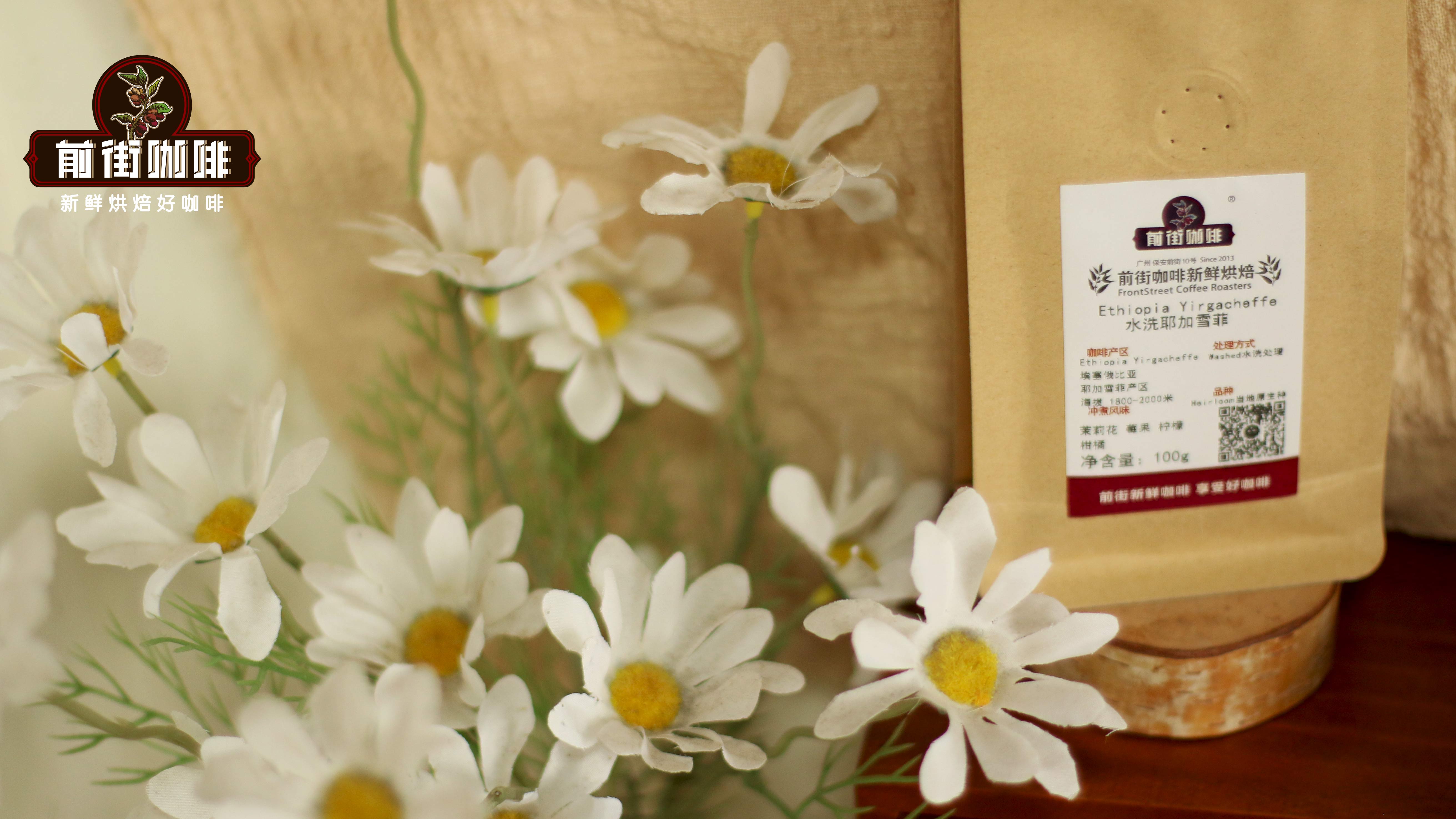
The Origin of the Yirgacheffe Name and Flavor Analysis: Ethiopian Washed and Natural Coffee Bean Origin Characteristics and Pour-Over Recommendations
Yirgacheffe is one of Ethiopia's most representative specialty coffee regions, and its name comes from the local language, meaning "to settle in this wetland." Starting from the origin background of Front Street Yirgacheffe coffee beans, this article reviews how Ethiopia's highland terrain and climatic conditions give rise to high-quality Arabica varieties, and compares in detail the flavor differences brought by washed and natural processing methods. Front Street washed Yirgacheffe is known for its clean and bright citrus notes and white floral aroma, while the natural batch presents a richer sweetness of ripe fruit and honey. The article also provides V60 pour-over parameters and a three-stage pouring procedure to help coffee enthusiasts better present the floral and fruity acidity characteristics of Front Street Yirgacheffe. [more…]