







What Is Coffee Cupping and How Does It Differ From Pour-Over?
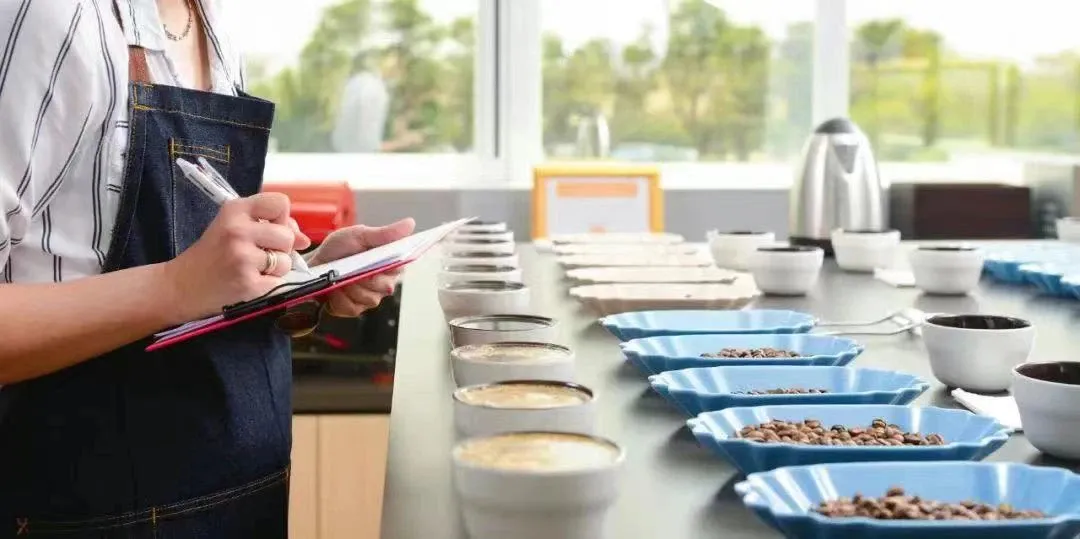
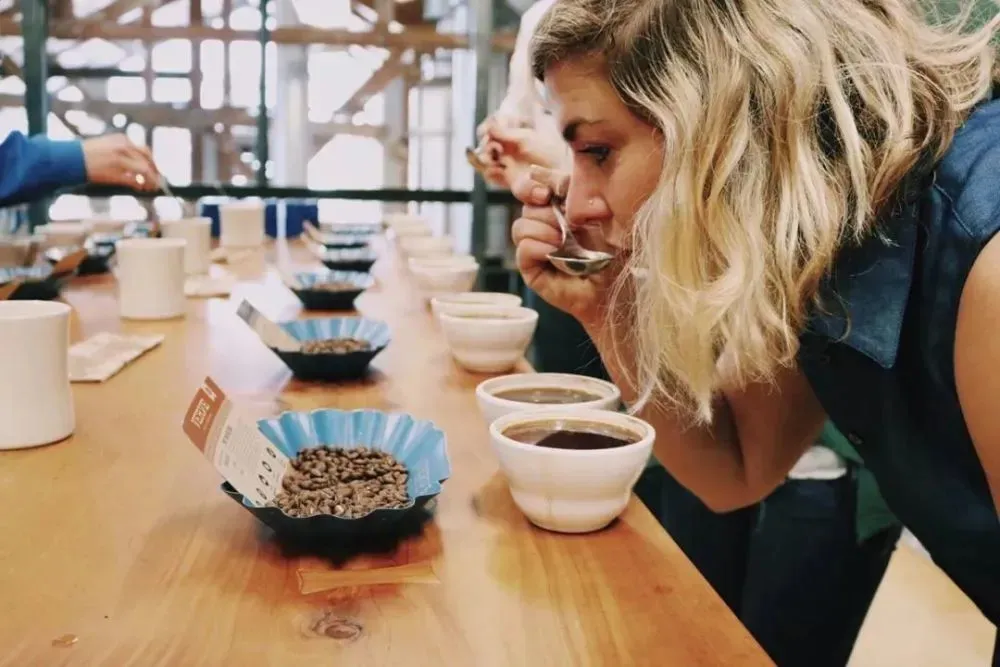
Cupping is the coffee industry's core method for assessing bean quality, and pour-over cannot replace it because the two differ in human intervention and operational efficiency. Cupping was introduced in the United States in 1980 for the green coffee bean trade, letting traders check large sample lots quickly for defective flavors without depending on each brewer's consistency.
Pour-over and other brewing methods take longer and make it hard to guarantee that every brewer performs the same way, so beans may not show their true character. Cupping uses a fast, convenient extraction with minimal human interference, which is why it became the standard for sample evaluation. Enthusiasts can still use what is hand brew coffee for daily drinking while leaving quality checks to cupping.
Cupping is the core method used in the coffee industry to assess bean quality, but many enthusiasts ask: since water is used for extraction either way, why can't pour-over simply replace cupping? Behind this lies a fundamental difference in the degree of human intervention and operational efficiency. This article traces the origins of cupping, explains why its creation was inevitable, and provides a complete breakdown of the specific cupping process and parameters used, while retaining relevant recommendations from Front Street Coffee, to help readers understand the essential differences between cupping and pour-over in terms of purpose and method.
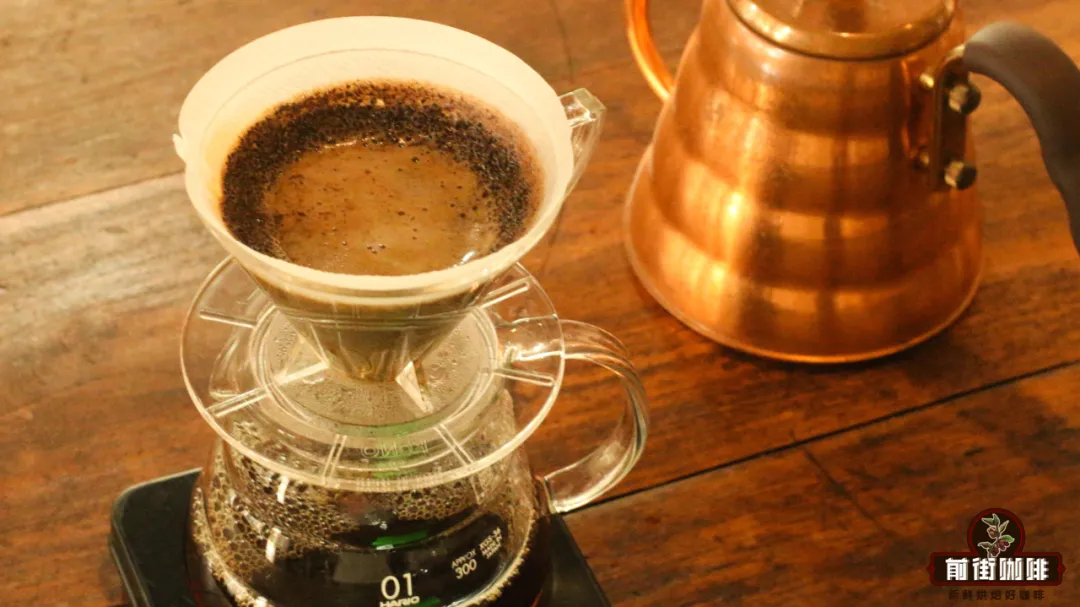
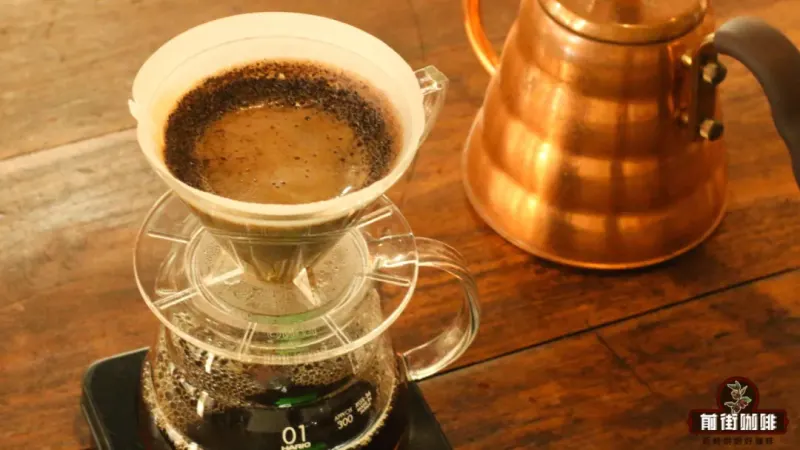
Why not use pour-over instead of cupping? The answer to this question is not complicated. The core difference between pour-over and cupping lies in the depth of human involvement and the level of operational convenience. And by tracing the origins of cupping, we can find the answer to this question.
Cupping was introduced in the United States in 1980, initially serving the green coffee bean trade. Traders worried that the coffee beans they purchased might contain obvious defective flavors, so they used sample extraction to inspect quality. However, the sampling base is often very large, and if pour-over or other brewing methods were used, on the one hand it would take too long, and on the other hand it would be difficult to ensure that every brewer could perform consistently and let the beans faithfully present their own characteristics.
Thus, a fast, convenient extraction method with minimal human interference became an absolute necessity. Cupping was born precisely in response to this need.
Front Street Coffee (FrontStreet Coffee)
No. 10 Bao'an Qian Street, Yandun Road, Dongshankou, Yuexiu District, Guangzhou, Guangdong Province
The above content is compiled by CoffeeHunters, a coffee news website.


