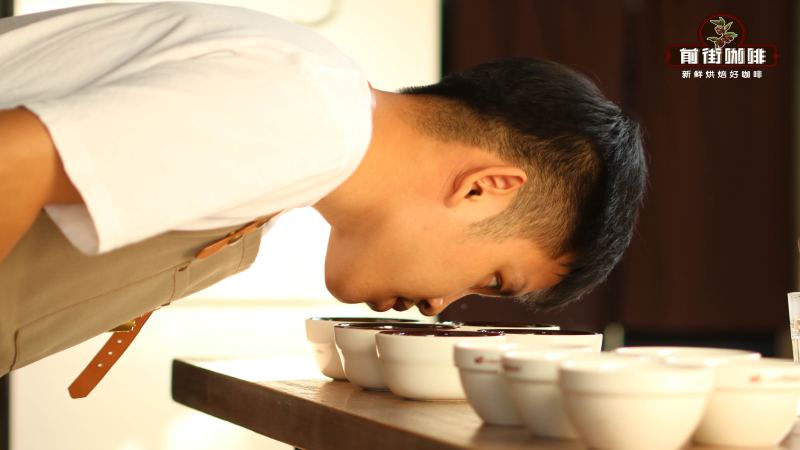
There are many coffee extraction methods, and each one gives the resulting coffee its own distinctive character. This is why an objective method with as little human intervention as possible is needed to evaluate coffee's flavor or quality—and that method is cupping.Cupping is an immersion-style extraction with no manual manipulation during the process, allowing the coffee's intrinsic flavors to be expressed to the fullest extent. Cupping serves many purposes; for example, origins and green coffee traders use cupping to inspect the quality of green coffee beans. Roasters use cupping to check roasting quality.
Some green bean competitions also use cupping to taste and evaluate coffee flavors and rank them. The flavor descriptions printed on coffee packaging are also recorded through cupping.
So what use is cupping to consumers? Front Street Coffee believes that cupping is the industry-recognized process for tasting coffee. By using cupping, consumers can taste the coffee bean's intrinsic flavors—on one hand, this helps them understand the bean as a brewing reference; on the other hand, it helps them build up flavor memory (after all, the brewed result may not be right, but the cupped flavor is always the standard).
And learning the cupping process is very simple—Front Street Coffee will introduce it here.
Coffee Beans:Generally, coffee beans for cupping should be used 8 hours after roasting.
Ratio:Typically 11g of ground coffee with 200ml of water. The cupping bowl has a capacity of 200ml, but an ordinary bowl or wide-mouthed cup slightly larger than 200ml can also be used as a substitute.
Grind Size:70–75% passing through a No. 20 standard sieve.
Water Quality:TDS75-250ppm
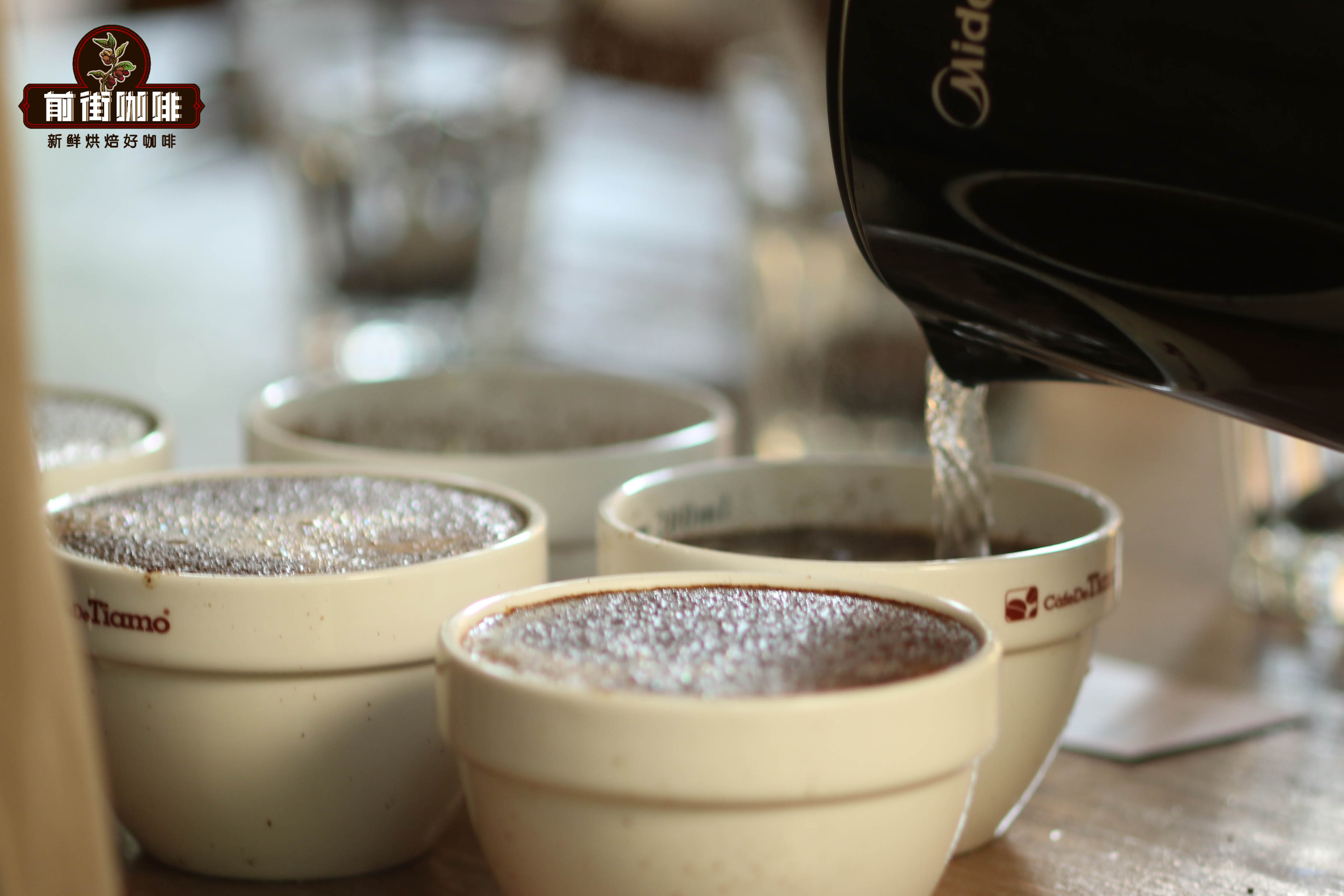
Grind the weighed coffee beans and place them into the cupping bowl. After grinding, aromatic compounds volatilize more quickly—this is where we begin the first step of cupping: smelling the dry aroma. Generally, to avoid the aroma dissipating entirely, the dry aroma step is completed within 10 minutes.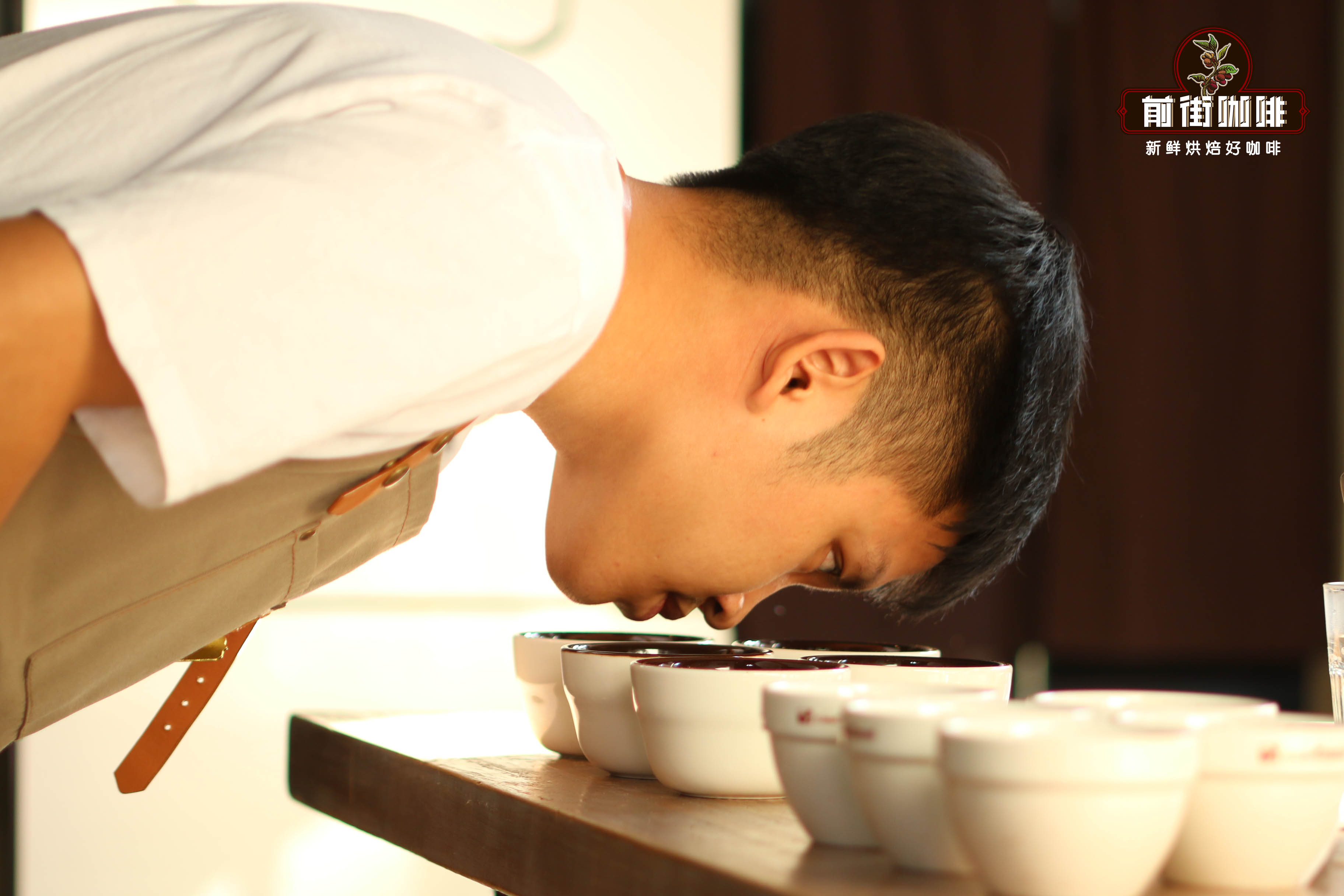 After confirming the dry aroma, pour water into the bowl. The cupping water temperature is 94°C, and the water volume is 200ml. In a professional cupping bowl, the water level reaches exactly to the rim. Start timing from the moment water is poured, and let it steep for 4 minutes. During this time, you can smell the coffee's wet aroma.
 After 4 minutes, use a cupping spoon to gently push the surface three times, turning the coffee grounds that were floating on top into a golden-brown foam. This step is called "breaking the crust." Aroma is also released when breaking the crust, so you can lean in and smell during this step.
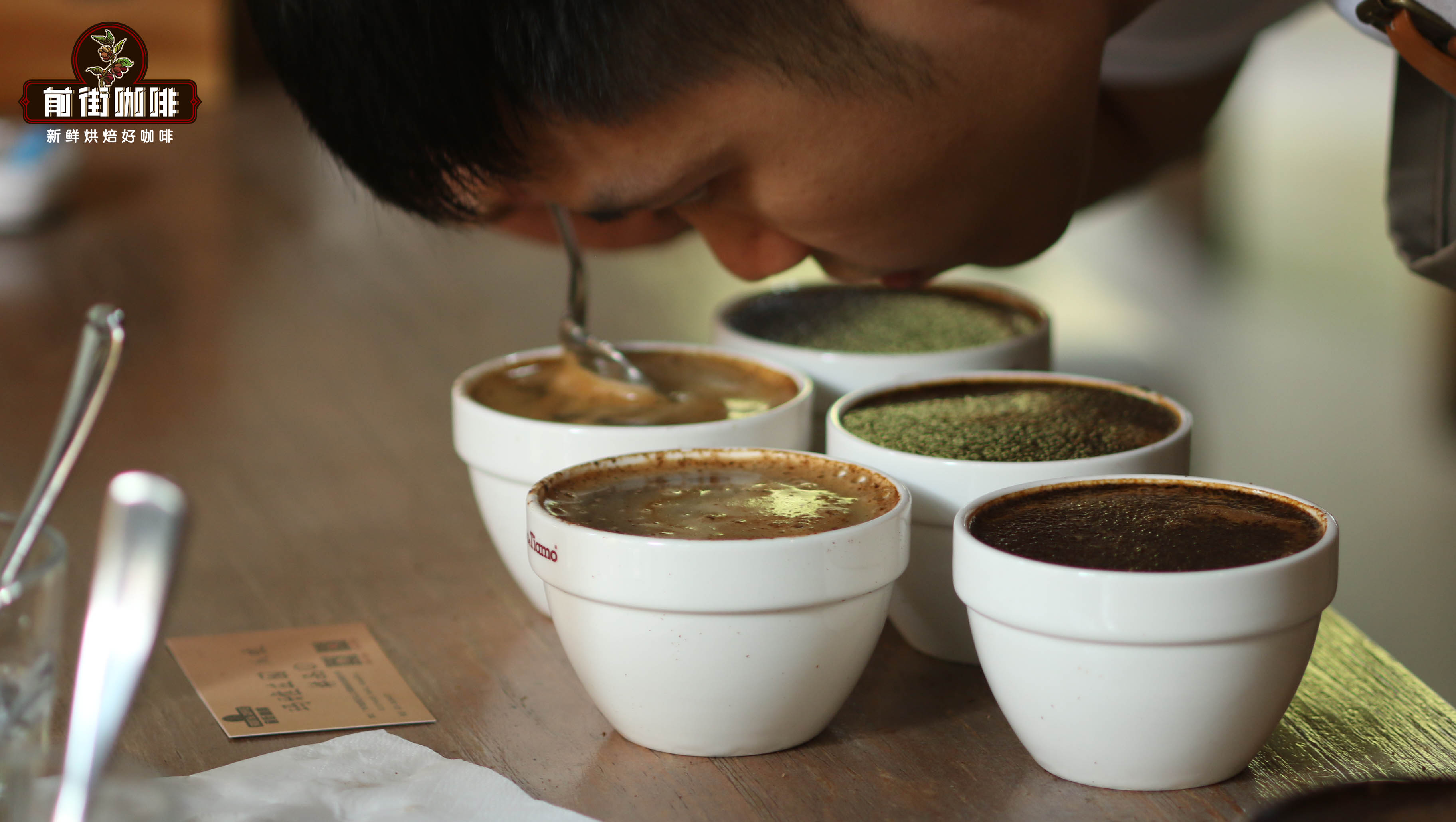 Breaking the crust and skimming are done consecutively—right after breaking the crust is completed, the skimming step follows. The method is simple: use two cupping spoons to remove the foam and grounds floating on the surface. Note that after each skim, the spoon should be rinsed in clean water and wiped dry with a paper towel before the next skimming action, to avoid contaminating the coffee samples.
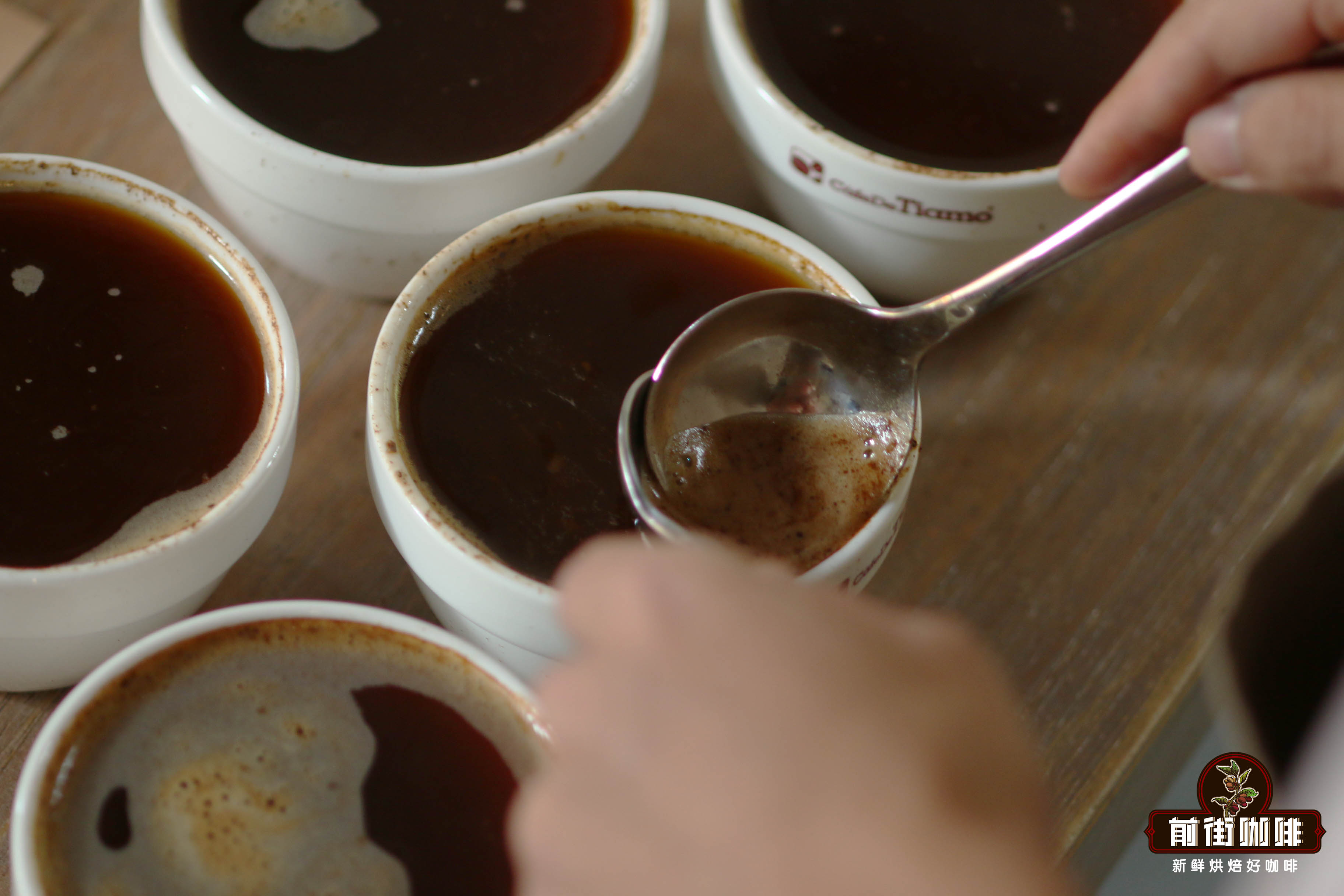 After skimming is complete, wait 1 minute before tasting. Coffee tasting generally uses the slurping method. First, use a cupping spoon to scoop up the coffee liquid, observe its color, and smell the wet aroma. Slurp to atomize the coffee liquid and vaporize the aroma molecules, then use the back of your nasal cavity to perceive its flavor. Similarly, the spoon should be rinsed and wiped dry after each scoop of coffee.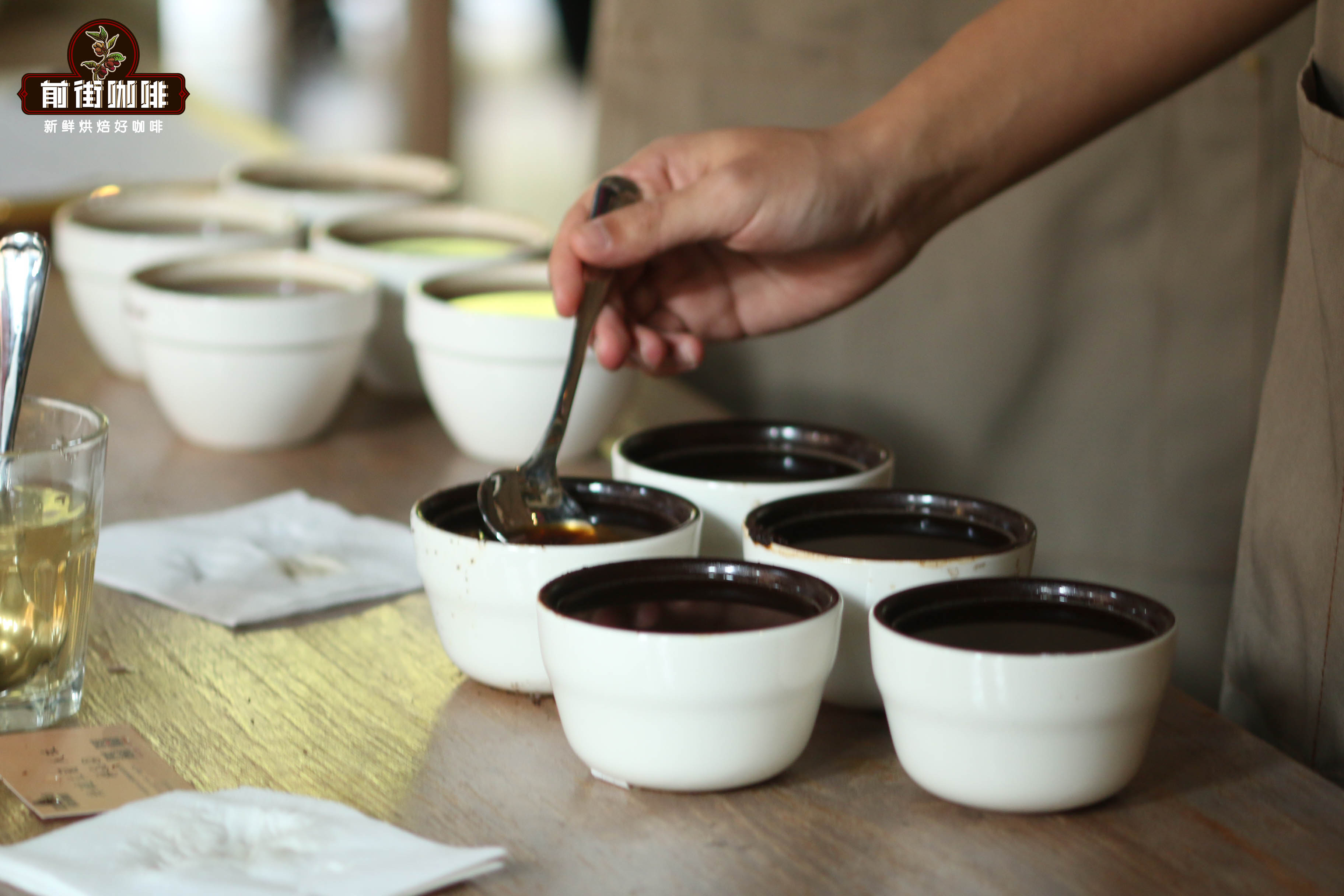
The above content is compiled by CoffeeHunters, a coffee news website.