







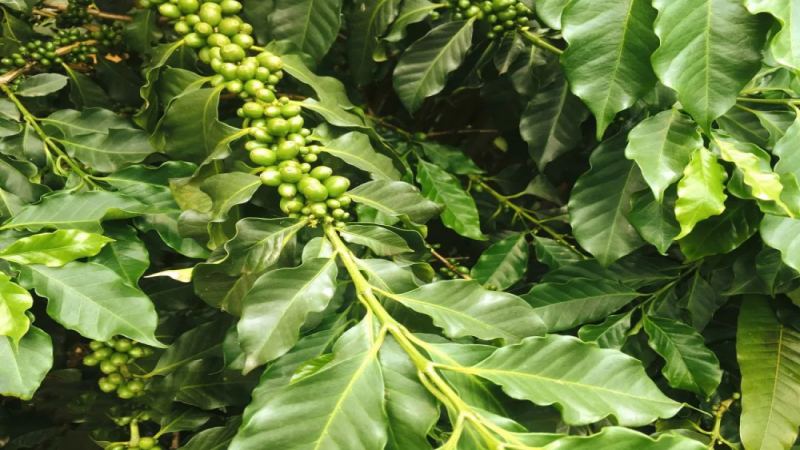
Why does Yunnan coffee grow Catimor instead of Typica?
Yunnan small-bean coffee refers to the Arabica species, named to distinguish it from the medium-bean Robusta grown in Hainan. Typica was the first variety planted in Yunnan in 1904, but most farms today grow Catimor, which resists leaf rust and yields more, though its flavor is less refined.
Typica plants are weak against leaf rust and give low yields, so when rust spread in the 1980s farmers needed an alternative. In 1990, with Nestlé's push, Catimor arrived from Central and South America. Small amounts of Typica and Bourbon remain near Baoshan. Front Street 2013 is a Typica natural bean; its daily Yunnan coffee is washed Catimor.
Yunnan small-bean coffee occupies a unique place in China's specialty coffee landscape, but many people are not clear about the variety story behind it. This article starts with the distinction between Arabica and Robusta, sorts through the variety changes in Yunnan coffee's more than one hundred years of cultivation history from Typica to Catimor, analyzes the genetic reasons why Catimor is disease-resistant and high-yielding yet lacks refinement in flavor, and introduces the complete washed processing procedure. At the same time, combining Front Street Coffee's "Front Street 2013" Typica natural bean from its Lincang estate in Yunnan and its daily-drinking washed Catimor, it presents the balanced acidity and bitterness, the neutral tonality, of Yunnan coffee, and finally attaches the practical parameters for Front Street's pour-over Yunnan small-bean coffee for everyone's reference.
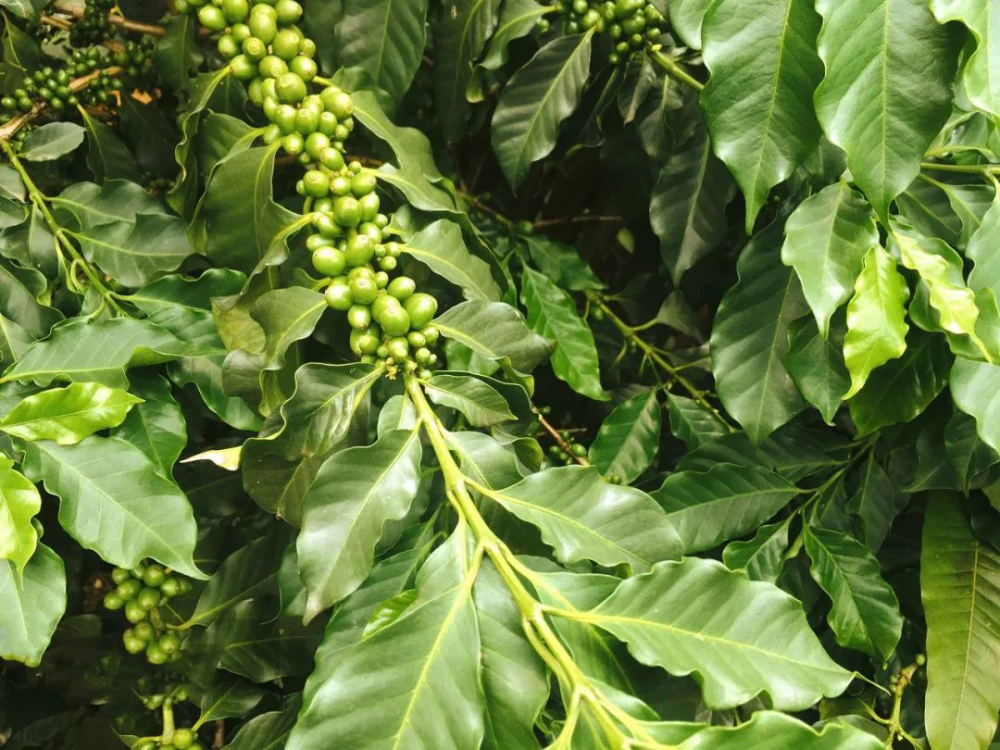
Small-bean coffee refers to the Arabica species. It is called "Yunnan small-bean" to distinguish it from the medium-bean Robusta grown in Hainan. Today, the coffee planted in Yunnan's fields is mostly Catimor, which has strong disease resistance and high yield among small-bean coffees, though in the Baoshan area a small number of Typica and Bourbon plants can still be found. The Front Street Yunnan small-bean daily-drinking coffee in Front Street's bean list uses the Catimor variety, while another Yunnan bean, "Front Street 2013," belongs to the Typica variety.
Cultivation of Yunnan Small-Bean Coffee
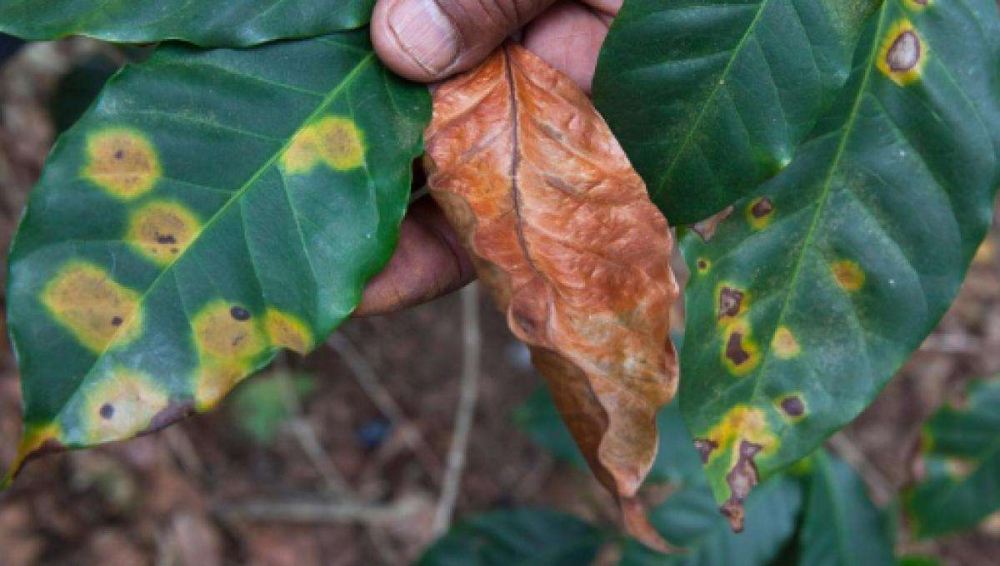
In 1904, a French missionary planted the first coffee tree in Yunnan, more than a hundred years ago. Later verification showed that what the missionary planted back then was precisely Typica. Yet today, what grows in the vast majority of Yunnan's coffee farms is Catimor. The reason is that Typica plants are inherently poor in disease resistance and are easily struck once leaf rust arrives, and on top of that their per-unit yield is very low, so if farmers relied on coffee for their livelihood, the returns simply would not hold up.
By the 1980s, leaf rust was raging across coffee-growing regions worldwide, and coffee professionals sought countermeasures. In 1990, with the push from Nestlé, Yunnan introduced Catimor from Central and South America, which had stronger disease resistance and higher yield, to replace those "unprofitable" Typica plants. From then on Catimor spread across large areas of Yunnan, and production rose steadily, but its flavor performance was mediocre. Coupled with the fact that Yunnan's green bean processing technology was not yet mature at the time, the resulting lots often could only be sold at low prices to Europe and became ingredients for instant coffee.
Characteristics of the Catimor Variety of Coffee
Genetically speaking, Catimor is a hybrid of Arabica and Robusta, bred from a cross between Caturra and Timor (a Robusta species), and carries about 25% Robusta genes in its body. Friends who know a little about coffee varieties all know that Robusta beans are often labeled with the tag of "devil's flavor." Catimor has both Robusta and Arabica genes, so it is both disease-resistant and high-yielding, and after roasting the bean surface is rich in oils, while in flavor it can also retain the acidity of the original Arabica species.
High-quality Arabica coffee has demanding requirements for altitude and microclimate. When Yunnan farmers plant Catimor on slopes above 1,200 meters, the local fertile soil, abundant sunlight and rainfall, plus the pronounced temperature differences brought by high altitude, provide ideal growing conditions for Catimor. However, Catimor after all carries Robusta genes. Its resistance to pests and diseases and its yield have gone up, but the refined flavor of pure Arabica has been discounted. In cupping, it often cannot score as high as varieties such as Caturra and Catuai.
Washed Processing
Washed steps: Pour the coffee cherries into a tank and use buoyancy to remove impurities and unripe berries. First use a depulper to remove the outer skin and most of the pulp, then put the beans into a clean tank to ferment. During fermentation the pectin layer produces acidic substances and thereby separates from the beans. Next, rinse off the remaining pectin with clean water to obtain green beans with the parchment layer still on (parchment beans). Finally, dry them depending on the weather (or use a machine to dry them), reducing the moisture content to about 12%, then use a huller to remove the parchment layer, and you have the coffee bean itself.
Front Street has noticed that many Yunnan coffees on the market today use special processing methods to enhance flavor and make the aroma more striking. Front Street has always believed that to understand Yunnan coffee, one should start from the flavor of the coffee itself, rather than using flashy processing methods to cover up the original taste. Therefore, several beans on Front Street's bean list all use traditional washed and natural methods. The Front Street Yunnan small-bean daily-drinking coffee representing the Yunnan producing region uses the washed method, presenting the coffee flavor unique to the producing region. Front Street also has a rather popular bean, "Front Street 2013." From the name you can tell it is Front Street's exclusive product. It comes from Front Street's own estate in Lincang, Yunnan, selects the elegant-flavored Typica variety, and uses the natural sun-drying processing method to enhance the coffee's sweetness.
Flavor Characteristics of Yunnan Small-Bean Coffee
Front Street believes that the flavor tonality of Yunnan coffee is neutral, with both acidity and a full-bodied bitterness, so a medium roast was chosen for the roast level. Through cupping, Front Street tasted the sweet-and-sour notes of plum in "Front Street 2013 Coffee," as well as the aromas of dried fruit, chocolate, and nuts, with all the flavors blended just right.
In the selection of coffee beans, Front Street insists on using freshly roasted Yunnan small-bean coffee. After roasting, coffee enters its best tasting period after a 4 to 7 day resting period. Once this period passes, the aroma dissipates faster and the flavor and mouthfeel suffer greatly. In order to let every customer drink coffee in its best state, Front Street only ships beans within 5 days after roasting, so that when everyone receives them the aroma is just right.
FrontStreet Coffee Pour-Over Suggestions
Dripper: hario v60
Dose: 15g
Water temperature: 90°C
Grind size: 75% passing a No. 20 sieve
Water-to-coffee ratio: 1:15
Three-stage pouring: First use twice the coffee powder's weight in water to wet the coffee bed, forming a dome and blooming for 30s. Then, with a small stream, pour in circles from the inside outward until 125g, pausing at that stage. Wait for the coffee bed to drop to half the height of the dripper, then continue with the same fine stream to pour the third stage up to 225g, until the coffee liquid has fully drained, then remove the dripper. Total time is about 2 minutes.
Professional Coffee Knowledge Sharing For more coffee bean information, please follow the WeChat public account: FrontStreet Coffee
The above content is compiled by CoffeeHunters, a coffee news website.


