








Colombia is a major producer of high-quality Arabica coffee, and the microclimates along its Andes mountain range give rise to specialty coffees of remarkable diversity. From the perspective of Front Street Coffee, this article systematically reviews the history, producing regions, and quality characteristics of Colombian coffee, with a focus on analyzing the flavor differences among core origins such as Medellin and Huila, and offers an in-depth introduction to the rise and award-winning journey of specialty estates like Hacienda La Esperanza. Whether you prefer delicate floral notes or a rich, low-acid cup, you will find your own Colombian flavor coordinates in this article.

For more specialty coffee news, follow our WeChat official account: Front Street Coffee (FrontStreet Coffee)
In coffee circles, one topic that often comes up is: which coffee-producing region is your all-time favorite? And just how much can terroir shape the taste of a cup of coffee? Front Street's baristas encounter questions like these almost every day while serving at the bar. Faced with a dazzling array of coffee options, customers placing orders always hope to find a cup that suits their taste, so they inquire as thoroughly as possible about the beans' origin information, and even press the barista about their personal preferences, hoping to pinpoint the "best-tasting" one.
In fact, everyone's taste preferences differ, just like the folks on the Front Street team, whose palates vary widely. Some are drawn to the elegant floral and citrus notes of Panamanian coffee; some are captivated by the historical depth that Ethiopian coffee beans express through ancient processing methods; and others prefer the low acidity and pronounced body of coffees from Asian origins.
Coffee beans from every region have their own irreplaceable character. To let enthusiasts fully experience the flavors of different origins, Front Street invests a great deal of effort each year in sourcing green beans, seeking out the most representative beans from each region whenever possible—which is precisely why Front Street offers a corresponding product line for every origin. Today we're sharing a coffee origin that can truly be called a treasure—one that Han Huaizong also pointed out in The Craft of Specialty Coffee has exceptionally favorable conditions for coffee cultivation: Colombia.
Colombia is one of the world's largest producers of high-quality coffee. It is said that Colombian coffee was first brought in by Jesuit monks in the 18th century, but it was not until the late 19th century that it gained an important place in the international coffee market. Today, coffee is one of Colombia's pillar industries and one of the country's most important sources of foreign exchange earnings.
However, once coffee leaf rust breaks out, it can deal a heavy blow to Colombia's coffee industry, even threatening the entire sector. In just the past year, Colombia's coffee export value reached 2.4 billion US dollars, accounting for 7.7% of total merchandise exports, which also keeps it firmly in place as the world's third-largest coffee producer. In other words, if leaf rust were to spread on a large scale in Colombia, the global coffee supply chain would be affected, which would in turn impact coffee prices around the world. Fortunately, Colombia's coffee-growing regions have a favorable natural environment and have never been plunged into crisis by weather disasters. By contrast, according to Front Street's understanding, neighboring Brazil is expected to see a significant decline in coffee production next year due to frost, drought, and other climatic factors.
Colombian coffee is one of the few unblended coffees sold worldwide under a country's name as the brand. In terms of quality, the reputation it enjoys is hard for other coffees to match. Colombia is the world's largest exporter of Arabica coffee and also the largest exporter of washed coffee beans, while Robusta is hardly grown at all.
Unlike other producing countries, Colombia places greater emphasis on product research and development and industry promotion. It is this attitude, combined with superior geographical and climatic conditions, that together creates the excellent quality and global reputation of Colombian coffee. Colombia's coffee-growing areas are mainly distributed along the Andes mountain range, where the climate is mild and the air humid. Three Cordillera ranges run north-south through the country, extending right into the Andes. Coffee trees are planted on the highlands of these mountain ranges. The terraced mountain terrain brings diverse climatic conditions, which means there is a harvest period throughout the year, with different varieties ripening at different times. And luckily, Colombia does not have to worry about frost damage the way Brazil does. At present, Colombia has about 2.7 billion coffee trees, 66% of which are cultivated in modern plantation style, while the rest are distributed among traditionally managed small farms.
When it comes to the distribution of Colombia's coffee-growing regions, Front Street believes a key advantage is that Colombia has both Atlantic and Pacific ports, which helps reduce coffee transportation costs. In South America, Colombia is the only country with this advantage. The country's main producing regions are concentrated in the Central Cordillera and Eastern Cordillera zones.
The most important plantations along the Central Cordillera are located in the Medellin, Armenia, and Manizales areas. Among these three producing regions, Medellin produces the finest coffee and commands the highest prices, characterized by: plump beans, rich nutrients, intense aroma, and moderate acidity. These three regions are collectively known as "MAM" (taken from the initials of the three main cities). Of Colombia's top-grade exports, most come from the MAM region. Along the Eastern Cordillera, the two finest producing regions are located around Bogota and farther north around Bucaramanga. Bogota coffee has lower acidity than Medellin coffee, but the two are comparable in quality. James Hoffmann, in his book, divides Colombia's coffee-producing regions by department, for a total of 13 coffee-growing areas.
Front Street's selected Colombian everyday beans come from the well-known Huila coffee-producing region. This region sits on one side of the Andes, right next to Colombia's second-highest peak, the Nevado del Huila volcano. The Huila region is deeply rooted in agricultural tradition, and its fertile volcanic soil and lush climate are ideal for growing a variety of crops such as cassava, sugarcane, bananas, cocoa, and beans—and, of course, coffee. The region is relatively close to the equator, so coffee harvesting takes place almost year-round. The combination of fertile volcanic soil, a lush climate, and a suitable altitude makes coffee from the Huila region one of Colombia's most refined single-origin beans.
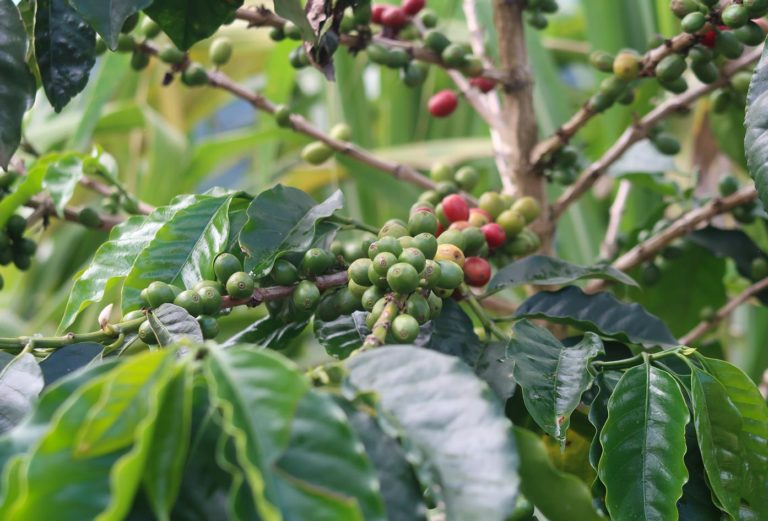
After working in the coffee industry for several years, the couple gradually developed a deep affection for the coffee business, so they directly purchased Finca El Porvenir and began running it independently. This was the first estate under their name.
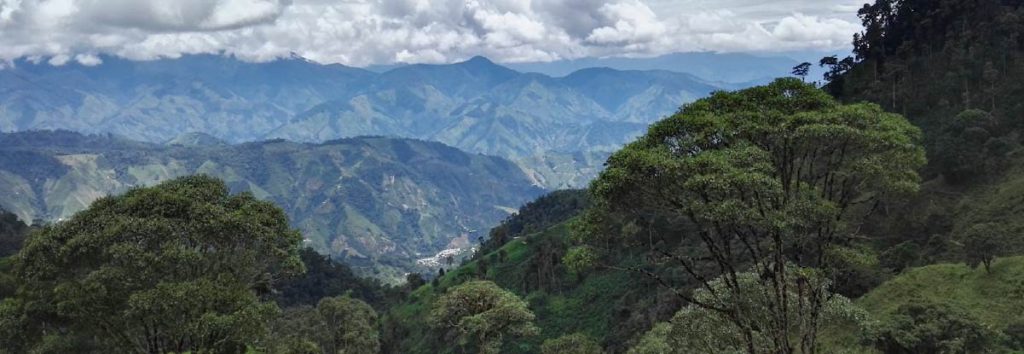
As mentioned at the beginning of the article, in the days that followed, Hacienda La Esperanza frequently won awards and took first place many times, becoming a hot star estate in the coffee world. Front Street naturally would not miss out either, and immediately picked up a bag of Hacienda La Esperanza beans for a careful tasting.
These beans come from Finca La Margarita, part of Hacienda La Esperanza, and are a natural-process Geisha. Because of the high growing altitude, Front Street deliberately slowed the pace during roasting, ensuring the beans fully released their flavors while avoiding underdeveloped beans.
The above content is compiled by CoffeeHunters, a coffee news website.


