








What Makes Huila Coffee Stand Out in Colombia?
Huila coffee is one of Colombia's most respected specialty representatives. The region grows high-quality Arabica, and the National Federation of Coffee Growers of Colombia, known as the FNC, supervises quality and safeguards farmer rights. Beans are usually washed processed, and the classic cup is balanced with prominent sweetness and notes of dark chocolate and citrus, giving new single-origin drinkers a clear reference point.
Colombia's status as a major Arabica producer rests on terrain, altitude, and climate rather than a single factor. That terroir question, whether origin really shapes the cup, comes up in shops daily, and baristas answer it by letting customers compare regions. Each producing area carries its own personality, so Colombian coffee flavor reflects geography, processing, and roast choices together rather than one fixed profile.
Colombia is a major producer of high-quality Arabica coffee worldwide, and the Huila region is one of its most highly regarded specialty representatives. This article begins with the historical origins of Colombian coffee, outlining its industry status, geographical conditions, major producing regions, and the role of the National Federation of Coffee Growers of Colombia (FNC) in quality supervision and safeguarding the rights of coffee farmers. At the same time, the article will introduce Colombia's traditional washed processing method, and combine it with the roasting and brewing practices of Front Street's Huila everyday beans to present their classic flavor profile—balanced, with prominent sweetness and notes of dark chocolate and citrus. Whether you are new to single-origin coffee or want to gain a deeper understanding of regional terroir, this content can provide a complete and practical reference.
Which coffee origin is your favorite? Does terroir really influence the taste of a cup of coffee? At Front Street's shop, baristas face similar questions almost every day. Faced with a dazzling bean list, customers always want to order the cup that satisfies them, so they often keep asking about the details of the beans' origins, and even inquire about the barista's personal taste preferences, as if that would help them find the answer to "the most delicious."
In the end, everyone's taste preferences are different, and the members of the Front Street team also have their own favorites. Some are obsessed with the delicate floral and citrus notes of Panamanian beans; some are drawn to the historical feel carried by Ethiopia's most traditional and ancient processing methods; and some prefer the low acidity and high body of Asian producing regions.
Coffee from each producing region has its own distinct personality. In order to let enthusiasts experience the flavors of different origins more comprehensively, Front Street invests a great deal of effort every year in selecting green beans, trying as much as possible to pick representative lots from each region, which is why Front Street has arranged corresponding beans for each producing area. Today I want to share with you a producing origin with great potential—Han Huaizong also mentioned in The Craft and Science of Coffee that the natural conditions there for growing coffee can be described as uniquely favorable. It is Colombia.
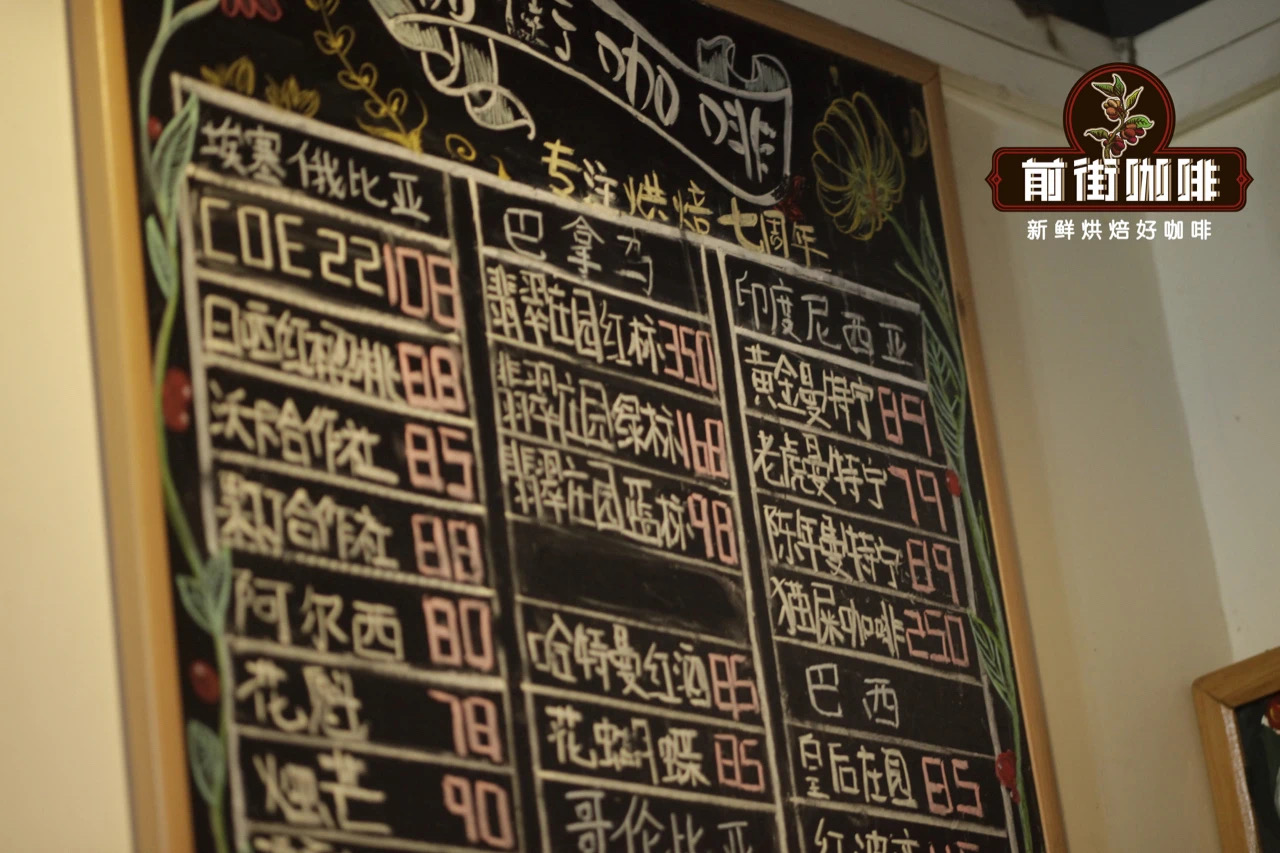
Colombia is one of the world's largest producers of high-quality coffee. Legend has it that Colombian coffee was brought in by Jesuit monks in the 18th century, and it was not until the end of the 19th century that it took an important place on the world coffee map. Today, coffee is an important agricultural product of Colombia, one of the country's largest industries, and one of its most important sources of foreign exchange. Leaf rust, however, can deal it a severe blow and even destroy the entire coffee industry. In the past year alone, Colombia's coffee export value reached 2.4 billion US dollars, accounting for 7.7% of total exports, which also makes Colombia the world's third-largest coffee producer. In other words, once leaf rust takes root and spreads in Colombia, global coffee supply will be dragged down, further affecting coffee prices everywhere. Fortunately, the natural environment of Colombia's coffee-producing regions is favorable enough that it is rarely trapped in difficulties due to weather disasters. Unlike neighboring Brazil, according to Front Street's understanding, affected by natural factors such as frost and drought, Brazil's coffee production is expected to decline sharply next year.
Colombian coffee is one of the few single-origin coffees sold worldwide under a country's name. In terms of quality, the praise it receives is difficult for other coffees to match. The country is the world's largest exporter of Arabica coffee and the world's largest exporter of washed coffee beans, while very little Robusta is grown.
Compared with other producing countries, Colombia places more emphasis on product development and industry promotion. It is precisely this, together with favorable geographical and climatic conditions, that has made Colombian coffee renowned worldwide for its excellent quality and delicious taste. Colombia's coffee-producing regions are mainly distributed around the foothills of the Andes, where the climate is mild and the air is humid. Colombia has three Cordillera mountain ranges (sub-ranges) running north-south, extending exactly to the Andes. The highlands along these mountain ranges are all planted with coffee. The terraced mountain terrain brings diverse climates, which means there are harvest seasons throughout the year, and different varieties of coffee mature successively at different times. And fortunately, Colombia does not need to worry about frost damage the way Brazil does. At present, Colombia has about 2.7 billion coffee trees, of which 66% are planted on estates using modern cultivation methods, while the rest are grown on small farms under traditional management.
When it comes to Colombia's coffee-growing areas, Front Street believes one of its advantages is that Colombia has both Atlantic and Pacific ports, which helps reduce coffee transportation costs. In South America, it is the only country with this condition. Colombia's main production areas are located in the Central Cordillera and Eastern Cordillera zones.
The most important plantations distributed along the Central Cordillera are located in the Medellin, Armenia, and Manizales regions. Among the above three regions, coffee from the Medellin region is the best in quality and also sells at a high price; it is characterized by plump beans, rich nutrients, intense aroma, and moderate acidity. These three regions together are called "MAM" (taken from the initial letters of the main cities in the three regions). Among Colombia's top coffees for export, most come from MAM. Along the Eastern Cordillera, the two best areas are around Bogota, and further north around Bucaramanga. Bogota coffee has lower acidity than Medellin coffee, but the two are comparable in quality. James Hoffmann, in his book, divides Colombia's coffee-growing regions by province, listing a total of 13 coffee-growing regions.
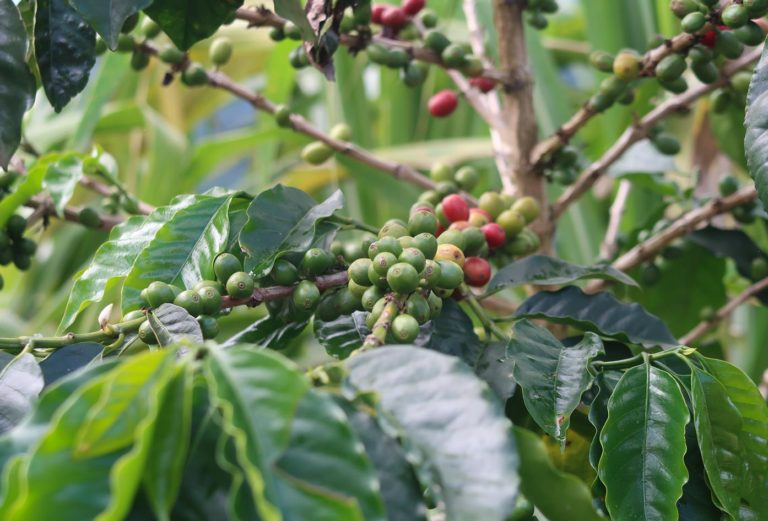
Front Street's selected Front Street Colombia Huila everyday beans come from the locally famous Huila coffee-producing region, which sits on one side of the Andes, near Colombia's second-highest peak, the Nevado del Huila volcano. Huila is steeped in agricultural tradition. Its fertile volcanic soil and lush climate are very suitable for growing a variety of crops such as cassava, sugarcane, bananas, cocoa, and beans. Of course, coffee too. This region is relatively close to the equator, which means the coffee harvest here takes place almost year-round. The combination of fertile volcanic soil, lush climate, and altitude makes coffee from the Huila region one of Colombia's most refined single-origin beans.
Colombia established the National Federation of Coffee Growers (Federacion Nacional de Cafeteros, FNC for short) in 1927, responsible for quality supervision. Although the federation is a private company, it acts on behalf of the government. In addition to organizing the industry, the federation is also responsible for raising and storing funds in bumper years. In recent years, coffee prices have trended downward, and the federation has nearly exhausted its financial reserves. The National Federation of Coffee Growers also shoulders responsibilities such as healthcare, education, road building, hiring cultivation technicians, conducting research, supervising product quality, directly handling 50% of total export business, and hiring marketing personnel. This is a credit-based and efficient organization that looks to the future and stays close to coffee farmers and their families.
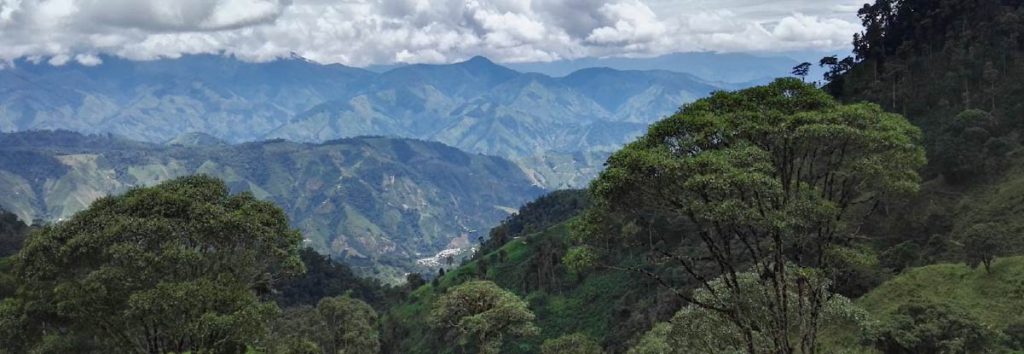
The FNC is Colombia's only official professional coffee guild, and since its establishment it has become one of the world's largest agricultural non-governmental organizations. At present, the federation represents more than 540,000 coffee-growing families, promotes collaboration and joint decision-making among coffee growers, and safeguards the interests of coffee growers and their families. The federation helps Colombian coffee growers reach the necessary consensus and seeks appropriate well-being for coffee farmers. At the same time, the FNC also supports different areas of coffee production, such as technological research and development, optimizing production costs, improving coffee quality, and providing technical assistance and cultivation quality assurance to coffee growers through technical support services, ensuring that Colombian coffee growers obtain better benefits.
Most Colombian green coffee beans undergo washed processing, and small farms all have machines for removing the coffee fruit's skin and pulp. Farmers pour the picked coffee cherries into them, add a small amount of water, then put the parchment beans with a little mucilage into a small tiled pool or container, ferment overnight to let the mucilage layer fall off, then rinse with clean water, and then place them outdoors to dry naturally. If rainy weather interferes, local people use drying machines and put the beans into a space kept at a constant temperature of 50 degrees Celsius to dehydrate and dry until the moisture content meets the requirement, then pack and store them.
Characteristics of Front Street Colombia Huila coffee In fact, it is the standard Colombian coffee flavor: very balanced overall, with relatively obvious sweetness. Front Street uses a medium roast.
Front Street brewing parameters:
V60 dripper
Water temperature 91°C
Water-to-coffee ratio 1:15
Dose 15g
Grind size (75% passing through China's No. 20 standard sieve)
Front Street brewing method: use 30 grams of water for a 30-second bloom, pour in a small stream in circles until 125 grams, then split the pour; when the water level drops and is about to expose the coffee bed, continue pouring until 225 grams and stop; when the water level drops and is about to expose the coffee bed, remove the dripper. (Start timing at the beginning of the bloom.) Extraction time is 2'00".
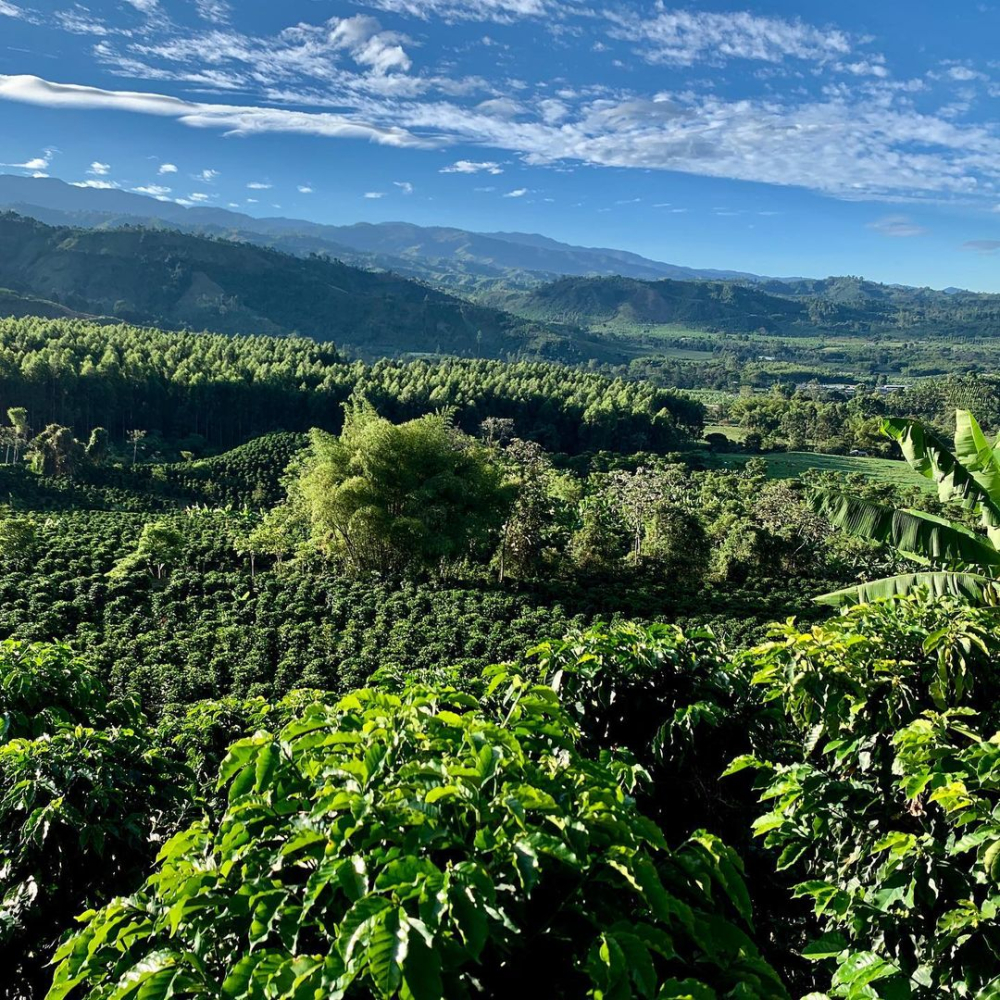
Front Street Colombia coffee taste description : On the palate, there is a strong dark chocolate flavor, and the caramel-like sweetness in the finish is very obvious. As the temperature drops, fruity acidity emerges, leaning toward citrus notes, not abrupt and appearing even more refreshing.
Professional coffee knowledge exchange
More coffee bean information
Please follow Coffee Workshop (WeChat public account cafe_style )
For more specialty coffee beans, please add the private WeChat Front Street Coffee (FrontStreet Coffee), WeChat ID: kaixinguoguo0925
The above content is compiled by CoffeeHunters, a coffee news website.


