







Search Results for: Colombia San Jose

Flavor Analysis and Pour-Over Parameters Guide for Colombia San Caldas San José Estate Oak Barrel Fermented Coffee Beans
In the world of specialty coffee, barrel-fermentation processing has attracted much attention in recent years, and the pioneer of this technique was not Honduras' Moca estate, but rather El Finca San José in Colombia's San Caldas region. In a moment of inspiration, the estate's third-generation female owner placed green coffee beans into rum oak barrels for low-temperature fermentation. After repeated experiments, she ultimately created the distinctive rum barrel-fermented coffee. This article will guide you through the background of Finca San José, the birth of barrel fermentation, the origins of the Castillo variety, and Front Street Coffee's pour-over performance and brewing recommendations for this bean at different water temperatures, helping you gain a more comprehensive understanding of this uniquely flavored Colombian specialty coffee. [more…]
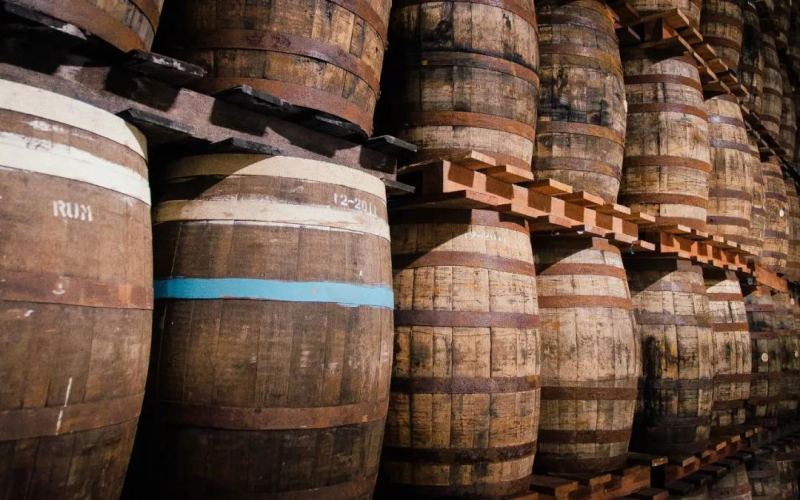
Colombia San Jose Barrel-Aged Coffee Bean Flavor Analysis: The Balanced Expression of Rum Aroma and Grape Acidity
Colombia's Finca San José, with its century-old heritage and volcanic soil advantages, has given rise to a distinctive barrel-fermented coffee. This article will guide you through the origin background of these Front Street Coffee Colombia Finca San José coffee beans, the characteristics of the Castillo variety, and their unique barrel fermentation followed by washed processing method. Through actual V60 brewing tests, these beans present a rich rum fermentation character, grape-like acidity, and a maple syrup finish, with an overall balanced and smooth profile. If you prefer coffee with vinous aromatic notes, why not join us in exploring its flavor performance in this article. [more…]
Analysis of the Flavor Characteristics and Pour-Over Parameters of Colombia Finca San José Oak Barrel Fermented Coffee Beans
In the specialty coffee world, barrel-fermented processing methods have attracted considerable attention in recent years, and the origins of this technique can be traced back to Finca San José in Colombia. The third-generation female owner of the estate was the first to try placing green coffee beans into rum oak barrels for low-temperature fermentation, pioneering a distinctive processing method. This article will provide a comprehensive introduction to Finca San José's regional background, the development of the Castillo variety, the specific process of fine washing combined with rum barrel fermentation, and compare its flavor differences with the barrel-aged beans from Finca Moca in Honduras. At the same time, Front Street Coffee will share the optimal extraction parameters and flavor performance of this bean through brewing experiments at three different water temperatures, helping coffee enthusiasts gain a deeper understanding of this unique Colombian coffee. [more…]
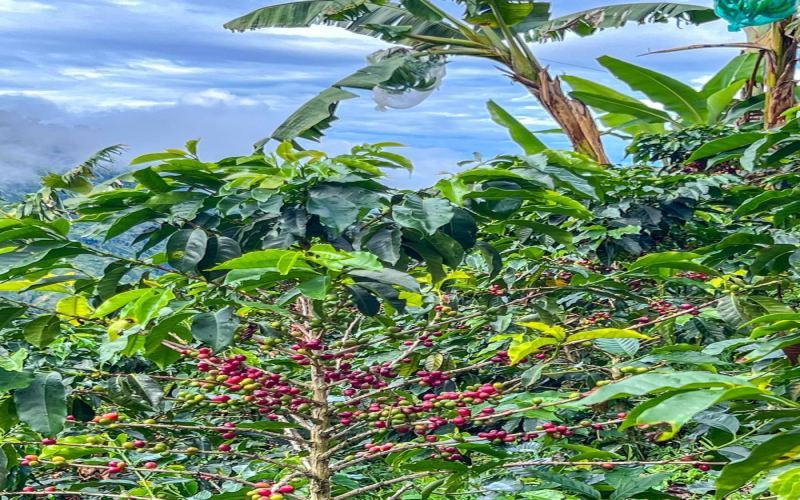
Colombia Rose Valley and San Jose Coffee Flavor Analysis and Pour-Over Parameter Guide
Colombian coffee has always been known for its balanced and smooth character, but on this land nourished by the Andes Mountains, there are also surprising works with bold personalities. This time, Front Street Coffee brings two Colombian beans with distinctly different styles—Finca El Arbol Rose Valley and Finca San Jose. The former is processed with anaerobic double enzyme washed method, releasing an explosive aroma of peach, strawberry, and rose; the latter is low-temperature fermented in rum barrels, presenting mellow layers of rum, liqueur chocolate, and tropical fruits. This article will break down their origin backgrounds, processing techniques, brewing parameters, and pour-over flavor performance one by one. Whether you are a beginner just getting into Colombian beans or a veteran looking for a flavor breakthrough, you can find an option worth trying. [more…]
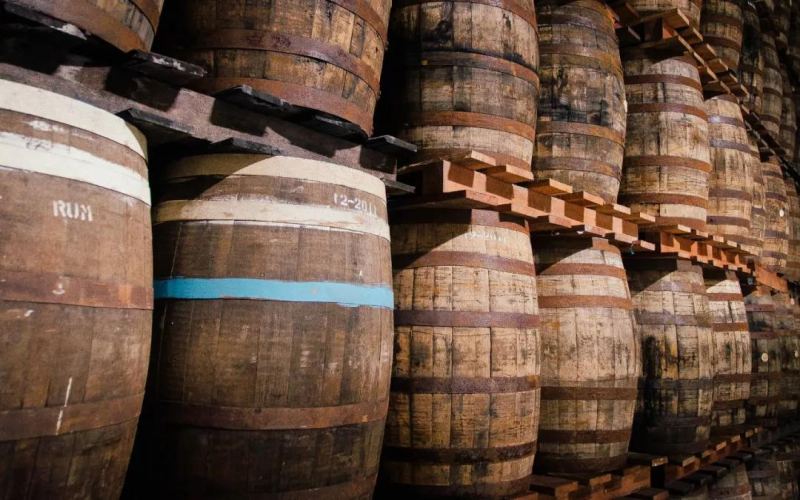
San Jose Estate Rum Barrel Fermented Coffee Bean Analysis: Colombia Castillo Variety Flavor Review
Colombian coffee occupies an important place in the global specialty coffee landscape thanks to its exceptional natural conditions and refined cultivation techniques. This article focuses on a Front Street Colombian coffee bean that uses a special processing method—a refined washed rum-process coffee from Finca San Jose. Finca San Jose is located in the Caldas region of central Colombia, with a century-old heritage and 18 hectares of cultivated land, abundant sunshine year-round, and an average temperature of 22°C, providing an ideal environment for coffee cultivation. This bean uses the Castillo variety, undergoes low-temperature fermentation in oak barrels, and is then washed and dried, presenting a rich flavor profile interwoven with rum truffle, rum, tropical fruit, and maple syrup, with a creamy, smooth, and balanced mouthfeel. The following sections will introduce the estate background, processing technique, variety characteristics, as well as V60 brewing parameters and flavor evaluation in detail. [more…]
Rum Barrel Fermented Coffee Flavor Analysis: Colombia San Jose Estate Processing Method and Pour-Over Parameters
Winey coffees have attracted much attention in recent years. Front Street Coffee has three beans with winey notes, among which Sherry and Lychee Orchid are well known, but the origin of barrel fermentation actually lies in the San Jose Estate in Colombia. This article provides a complete breakdown of Front Street Colombia Rum Barrel Fermented Coffee, from the producing region, estate story, and processing method to roasting and brewing. The San Jose Estate is located in the Caldas region at an altitude of 1750 meters, uses the Castillo variety, and after meticulous washing, is placed in aged rum oak barrels for low-temperature fermentation for three months. The cup profile presents notes of rum truffle, rum, tropical fruit, and maple syrup. The article also provides V60 staged extraction parameters and measured taste results, making it suitable for coffee enthusiasts who want to understand the principles of barrel fermentation and brewing methods. [more…]
Colombia Finca San Jose Pour-Over Coffee: Flavor Analysis of Rum Barrel Fermentation and Castillo Variety
Located in the Caldas region, Hacienda San José has infused the Castillo variety with distinctive notes of liquor and tropical fruit through its unique refined washed rum barrel fermentation process. This article will guide you through the bean's origin background, processing details, and the development of the Castillo variety in Colombia, while also sharing the brewing parameters and cupping flavor profile recommended by Front Street Coffee. [more…]
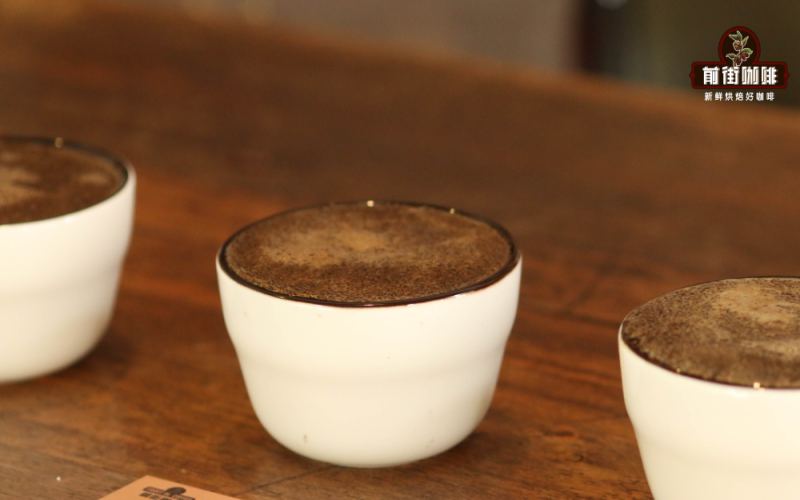
Exploring the Origin of Rum Barrel Fermented Coffee: The Unique Processing at Finca San José in Colombia and Front Street's Brewing Analysis
Wine-aroma coffee beans have gained great popularity in recent years. Many people believe that barrel fermentation technology originated in Honduras, but in fact, Finca San Jose in Colombia is the true pioneer of this process. This article will guide you through an in-depth understanding of how Finca San Jose cleverly combines rum oak barrels with green coffee beans—from the selection of the Castillo variety, the details of refined washed processing and three-month barrel fermentation, to Front Street Coffee's roasting curve and brewing parameters—fully revealing the flavor secrets of this rum barrel-fermented coffee. Whether you are curious about its historical origins or want to replicate a cup of wine-aroma pour-over, you will find detailed answers here. [more…]
Front Street Colombia Finca San Jose Rum Barrel Fermented Coffee: Analysis of Flavor Formation and Brewing Performance
The rum barrel-fermented washed beans from Front Street Coffee's San Jose estate in Colombia are a highly representative example of the low-temperature anaerobic fermentation trend in recent years. They originate from a bold idea by the estate's owner, Monsalve Botero—placing green coffee beans into oak barrels for low-temperature fermentation. These beans use Supremo-grade Castillo and Naranjal varieties, which are fermented in barrels after depulping, then washed and dried on raised beds, revealing flavors of rum, cantaloupe, and dark chocolate. This article will review the origins of the processing method, the characteristics of the green beans, their unique performance in roasting and brewing, and explore the possible causes behind their rich vinous notes. [more…]
An Analysis of Rum Barrel Fermented Coffee Beans Processing Method: The Specialty Coffee Innovation Craft of Finca San José in Colombia
The highly sought-after "Front Street San Jose Estate Rum Barrel Fermented" coffee beans at the coffee market greet you with a rich rum aroma the moment you open the bag. Where exactly does this unique boozy scent come from? Starting from the terroir conditions of San Jose Estate in Caldas Province, Colombia, this article tells how the estate owner, inspired by rum aging, conceived the idea in 2013 of putting green coffee beans into oak barrels. After years of experimentation, the low-temperature rum barrel fermentation process was established in 2017, using the Castillo variety, and involving fully washed processing, 20-hour fermentation, resting in oak barrels aged over 8 years for three months, and daily tumbling, so the beans evenly absorb the rum aroma. These beans once won silver as a blend in the Cappuccino category at the 2019 RASV Australian International Coffee Roasting Competition. Suitable for pour-over, espresso, ice drip, or cold brew, it is a versatile specialty choice recommended by Front Street. [more…]
Colombia Finca San José Rum Barrel-Aged Coffee: Pour-Over Parameters and Hot & Iced Brewing Flavor Analysis
The barrel fermentation process was not pioneered in Honduras; its inspiration came from a sudden flash of insight by the lady owner of Finca San Jose in Colombia. Front Street Coffee takes you deep into the origin background, processing method, and Castillo variety characteristics of this rum barrel fermented coffee bean, and shares the complete parameters and staged extraction techniques for both hot and iced pour-over. From the roasting curve to grind size, water temperature, and coffee-to-water ratio, we break down in detail how to brew a cup of San Jose coffee with rich wine aroma and complex layers, allowing you to experience the unique flavors where rum, nuts, and tropical fruits intertwine. [more…]
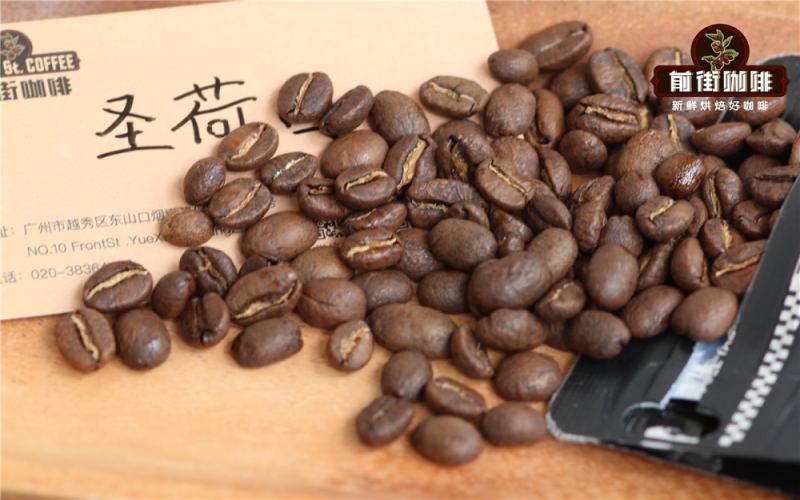
Pour-over Techniques and Flavor Analysis of Colombia Finca San José Rum Barrel-Aged Coffee Beans
The barrel fermentation processing method was not pioneered in Honduras; its inspiration came from a moment of inspiration by the lady owner of Finca San José in Colombia. This rum barrel fermented coffee that Front Street Coffee is presenting this time comes from the Caldas region, at an altitude of 1750 meters, and the variety is Castillo. The green beans rest in aged rum barrels for three months, absorbing a full rum aroma. This article will provide a complete introduction to the estate background, processing flow, and roasting curve, and will separately give the parameters and staged extraction methods for hot pour-over and iced pour-over, helping you brew a richly layered cup with rum, nut, and tropical fruit flavors at home. [more…]
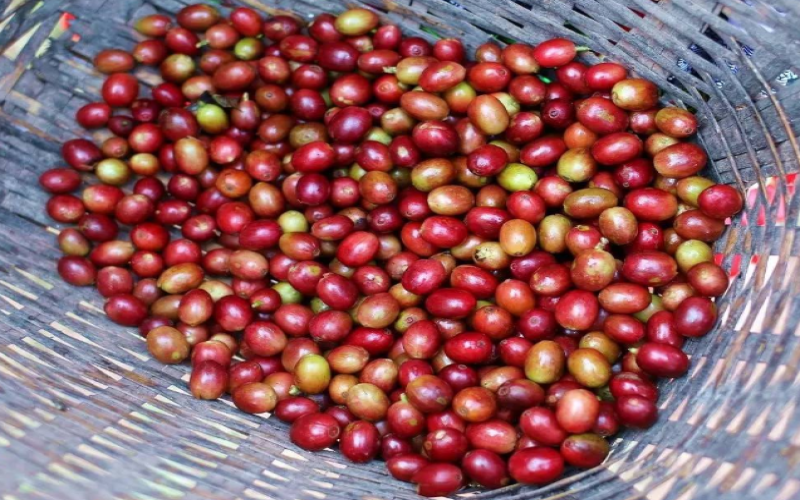
An In-Depth Analysis of the Colombia Finca San José Castillo Rum Barrel Fermented Washed Coffee
Castillo is a variety bred by Colombia's coffee research institute to enhance disease resistance, and it has now become the country's main cultivated variety. From the perspective of Front Street Coffee, this article systematically reviews Castillo's hybrid origins and the terroir conditions of Colombia's four major southern production regions, then focuses on Finca San Jose—the birthplace of the barrel fermentation processing method—explaining in detail the process of its refined washed processing combined with rum barrel fermentation, and compares this bean with Finca El Paraiso Cherry coffee through cupping, along with roasting and brewing sharing, presenting coffee enthusiasts with a complete guide to the production region and processing method. [more…]
An Analysis of the Three Major Coffee Varieties: Arabica, Robusta, and Liberica — A Complete Overview of the Characteristics of Typica, Bourbon, Geisha, and Maragogype
There are many coffee-producing countries around the world, and coffee beans from Brazil, Colombia, Indonesia, and elsewhere each have their own strengths. Classified by variety, coffee is mainly divided into three major categories: Arabica, Robusta, and Liberica. Among them, Arabica has an elegant flavor and prominent sweetness, and nearly all specialty coffee shops on the market choose it. Common varieties include Typica, Bourbon, Catimor, and others. Typica is the oldest tree species and has given rise to well-known varieties such as Blue Mountain and Maragogype; Robusta, on the other hand, is heat-tolerant and high-yielding, and is mostly used for instant coffee. Crossbreeding between the two has also produced varieties such as Castillo that combine flavor with disease resistance. This article will guide you through these coffee varieties one by one, covering their appearance characteristics, flavor performance, and cultivation stories, and will also share Front Street Coffee's product selection experience. [more…]

Top Ten Colombian Coffee Brands Reviewed: Front Street Explains the Flavors and Brewing of Specialty Beans Including Huila, Flower Moon Night, and Rose Valley
As a major coffee country in northwestern South America, Colombia benefits from a mild climate and diverse terrain, with coffee harvests occurring year-round, and its Arabica beans are renowned for being rich and well-balanced. From the classic three major regions of Medellín, Armenia, and Manizales to Huila and Cauca, which have gained attention in recent years, Colombian coffee displays rich layers of flavor. Front Street Coffee has selected a variety of Colombian single-origin coffees, covering washed, anaerobic natural, double enzyme washed, barrel fermented, and decaf processing. This article analyzes one by one the origin, variety, processing method, and flavor of beans such as Huila, Flower Moon Night, Rose Valley, Sakura, Decaf, and San Jose Estate, and also includes V60 pour-over parameters and pouring techniques to help enthusiasts fully understand the diverse charm of Colombian coffee. [more…]
A Complete Analysis of Coffee Bean Classification: Differences Between Arabica and Robusta and Common Arabica Varieties
There are many coffee-producing regions around the world, and the coffee beans produced in places such as Brazil, Colombia, and Indonesia each have their own reputation. In plant taxonomy, coffee belongs to the Rubiaceae family, and about eighty coffee tree species have been confirmed, among which there are three main cultivated species used for drinking: Arabica, Robusta, and Liberica. Arabica is known for its delicate flavor and aroma and is often used for single-origin and specialty coffee; Robusta, due to its strong adaptability and high yield, is mostly used for instant coffee. Each has its own advantages, and they have also given rise to many hybrid varieties. This article will systematically sort out the characteristics of these two major coffee species, and introduce common Arabica sub-varieties such as Typica, Bourbon, Catimor, and Maragogipe, while also sharing Front Street Coffee's cupping experience and product recommendations for the related bean types. [more…]
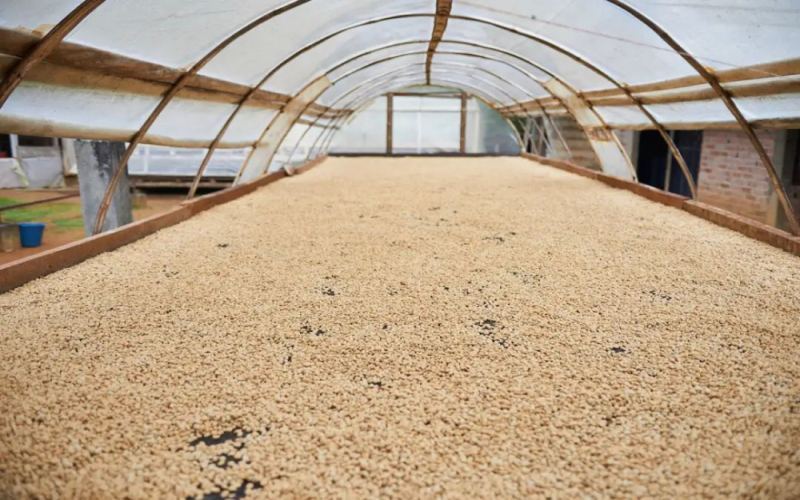
Colombian Coffee Varieties and Flavor Analysis: A Comprehensive Guide from Huila Region to Specialty Processing Methods
Colombia, as a major coffee-producing country in South America, nurtures Arabica coffee with diverse flavors thanks to its varied climates and high-altitude geographical advantages. This article approaches the subject from three dimensions—variety, region, and processing method—systematically sorting out the characteristics of varieties such as Typica, Caturra, and Castillo, interpreting the terroir differences of regions like Huila, Cauca, and Santander, and detailing the effects of processes such as washed, anaerobic natural, double enzyme washed, rum barrel fermented, and Swiss Water Process decaffeination on flavor. At the same time, combined with products under Front Street Coffee such as Huila, Flower Moon Night, Rose Valley, Sakura, Decaf, and San Jose Estate, it presents the multifaceted charm of Colombian coffee from classic balance to innovative fruity aromas, and includes V60 brewing parameter suggestions. [more…]
An In-Depth Look at the Two Mainstream Coffee Bean Varieties: Characteristics of Arabica and Robusta, Common Arabica Sub-Varieties, and Hybrid Breeding
In the global coffee-growing landscape, origins such as Brazil, Colombia, and Indonesia each have their own renown, while botanically coffee belongs to the Rubiaceae family under the genus Coffea, with over a hundred known species, though commercial cultivation is mainly concentrated in three varieties: Arabica, Robusta, and Liberica. Arabica is known for its elegant flavors and rich aromas, accounting for more than seventy percent of global production, and is often used for single-origin and specialty coffee; Robusta, on the other hand, is heat-tolerant, high-yielding, and highly stress-resistant, and is mostly used for instant coffee and espresso blends. This article systematically reviews the advantages and disadvantages of these two major varieties, the origins and flavor characteristics of common Arabica sub-varieties such as Typica, Bourbon, Catimor, and Maragogype, and introduces the Castillo variety bred from a cross between Arabica and Robusta, while also sharing related product experiences from Front Street Coffee in stores and during cupping. [more…]
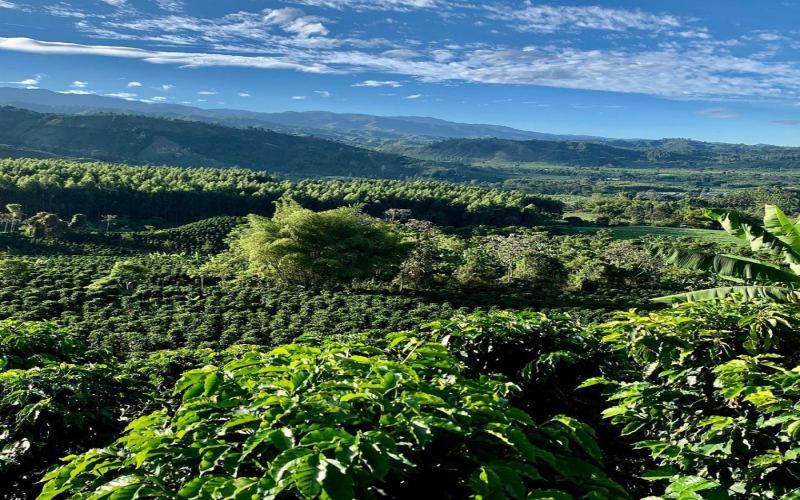
A Comprehensive Analysis of Colombian Arabica Coffee Beans: Origins, Flavor Profiles, Grading Systems, and Processing Methods
Colombia is the world's third-largest coffee producer. Thanks to the diverse microclimates of the Andes and its high-altitude growing environment, it cultivates coffees with soft fruity acidity, nutty aromas, and excellent balance. From the classic Medellín, Armenia, and Manizales to Huila, Cauca, and Nariño in the south, each producing region presents a distinctly different flavor profile. This article systematically reviews the main characteristics of Colombia's Arabica coffee regions, variety composition, washed and specialty processing methods, and the grading system based on screen size, and also includes brewing parameters and flavor descriptions for several Colombian beans from Front Street Coffee, helping coffee lovers gain a comprehensive understanding of this major South American coffee country. [more…]
Tracing the Origins of Colombian Coffee Regions and Bean Variety History: Front Street Selected Lots from Tolima to Cauca
Colombia is one of the few single-origin coffee-producing countries that markets itself globally under its national name, and its coffee is known for its balanced, smooth mouthfeel and consistent quality. This article traces the cultivation history and regional context of Colombian coffee, and provides a detailed introduction to several Colombian lots offered by Front Street Coffee, including La Minita "Model Student," smallholder lots from Tolima, Red Bourbon, Red Typica, and Geisha from Finca San Alejo, as well as Huila Bolívar, showcasing the flavor differences brought about by different regions, varieties, and processing methods. [more…]