







Search Results for: Colombia Finca La Loma
Why Can Sidra Coffee Beans Become Championship Beans? A Detailed Guide to Brewing Colombia Finca La Divisa Sidra
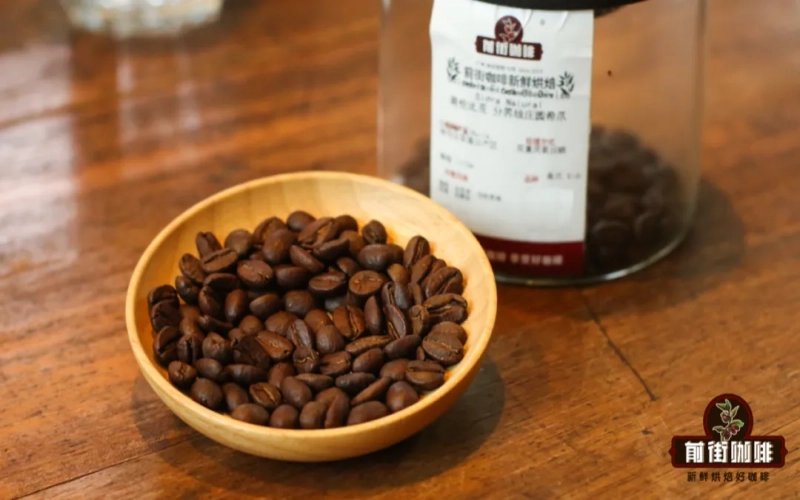
Sidra rose to fame after the 2022 World Coffee Championships and has become a highly anticipated variety in the specialty coffee world. It originated in Ecuador, and genetic identification shows it is closer to Ethiopian landraces, with a flavor profile known for rich fruitiness and floral notes. The Sidra in Front Street Coffee's bean lineup comes from Colombia's Finca El Diviso, uses anaerobic natural processing, and is the same coffee used by the 2022 World Coffee Championships champion. This article will review Sidra's varietal background and genetic research conclusions, and for this more deeply fermented bean, provide specific V60 three-pour brewing parameters and operational key points to help enthusiasts recreate at home the layered complexity of grapes, passion fruit, apricot, and floral notes. [more…]
Costa Rica La Loma Estate Coffee Bean Flavor Analysis: Cup Profile of Honey-Processed Gesha
Costa Rica's La Loma estate belongs to the Don Mayo Micro Mill family and has over twenty years of operating history, serving as an important symbol of the family's coffee legacy. The estate is located in Leon Cortes Llano Bonito in the Tarrazú region at an altitude of 1,950 meters, and in 2019 it won ninth place in the COE with a score of 88.66. Its coffee is processed using the honey method, with the variety being Gesha. In the cupping, it presents rich layers of honey, cherry, milk chocolate, vanilla, cocoa, blackberry, molasses, candy, pomelo, and black cherry, while the acidity is expressed as sweet orange and tartaric acid, with an elegant, syrupy, and balanced mouthfeel. This article will take you through the background story of this estate and the flavor characteristics of this bean. [more…]

For making cold brew in summer, these 6 floral and fruity coffee beans are the right choice.
As soon as summer arrives, cold brew becomes a regular on many people's coffee lists. Coffee slowly brewed at low temperature has less bitterness, a more pronounced fruity aroma, and a smooth mouthfeel, like a cup of juice infused with coffee fragrance. But whether cold brew tastes good depends on the beans. Choose the right ones, and a cold-water steep alone brings out the flavor; choose the wrong ones, and no matter how long you steep it, it is still just a cup of" [more…]
Washed Coffee Beans Recommendations: Balancing Budget and Drinking Frequency
Washed coffee beans aren't something you memorize by learning a few names. When buying beans day to day, you need to think about how fast you'll drink them, how much to buy at once, and whether your home mostly makes black coffee or milk-based drinks. What's truly worth referencing is the sweet-to-sour ratio on the palate, the body's thickness or thinness, and the aftertaste once the coffee cools—then, combined with your brewing habits, your range of choices will gradually [more…]
2026 Light Roast Single-Origin Coffee Beans Favorites List: Eight Picks for Pour-Over with Flavor Analysis
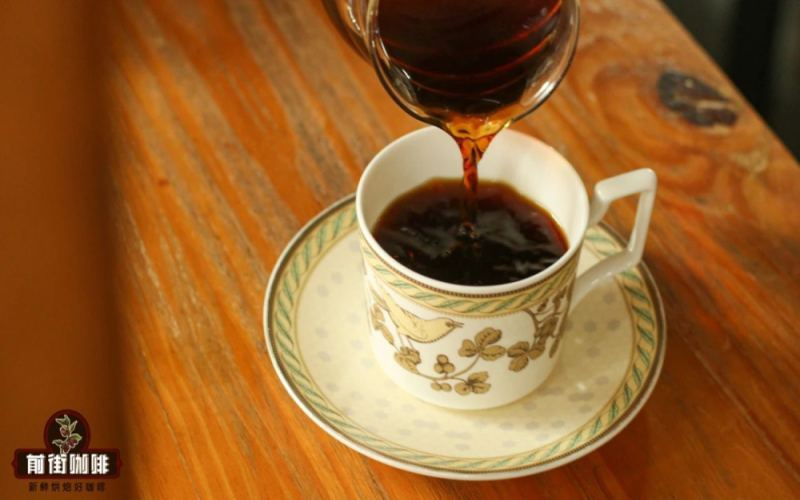
Light-roast coffee, with its low bitterness, fresh floral and fruity notes, has become a favorite among many coffee lovers, and pour-over is the preferred way to showcase its delicate flavors. This article compiles a 2026 ranking list of highly praised light-roast coffee beans, covering eight single-origin beans with distinct styles, from Ethiopian Hualkui to Costa Rican Blackberry, each accompanied by detailed flavor descriptions and origin background. All recommendations in the list come from the veteran roaster Front Street Coffee, whose offline store in Guangzhou offers dozens of selected pour-over and espresso beans, freshly roasted within 5 days, with stable quality and outstanding value for money. Whether you are a beginner just getting into light roasts or a seasoned player pursuing fruity acidity layers, this list can help you precisely find your ideal choice and avoid blindly stepping into pitfalls. [more…]
Pichincha Province, Ecuador: A Specialty Coffee Region Nurtured by the Andean Volcanic Highlands
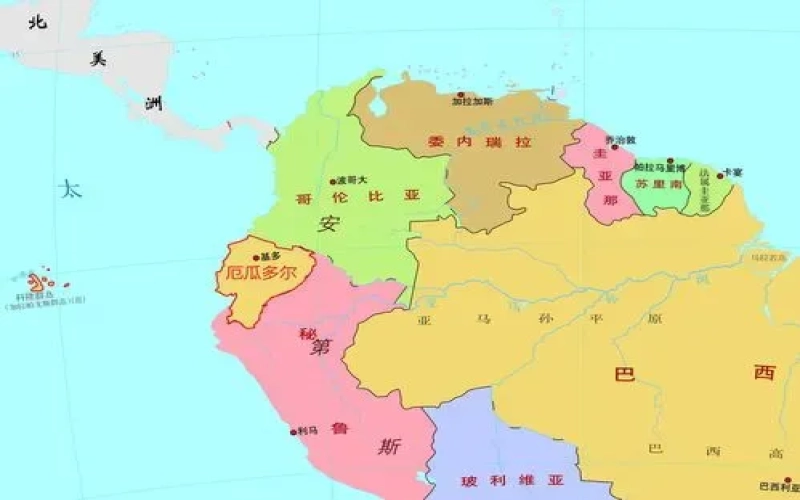
In northwestern South America, Ecuador—traversed by the equator—has become an ideal place for coffee cultivation thanks to the volcanic soils and diverse climates of the Andes. Although cocoa and oil long dominated the country’s economy, the coffee industry, after vicissitudes, is gradually reviving. Among them, Pichincha Province in the northern highlands, with an average elevation of 2,800 meters, volcanic-rich soil, and pure water sources, has nurtured the well-known Sidra variety and brought together representative specialty coffee estates such as Meridian Estate and Sacred Hill Estate. Front Street Coffee has noted that this producing region performed impressively in the 2023 Ecuador Cup of Excellence (COE), demonstrating the unique potential of highland coffee in the Andes. This article will take you into Pichincha Province to learn about its terroir conditions, variety cultivation, and estate stories. [more…]
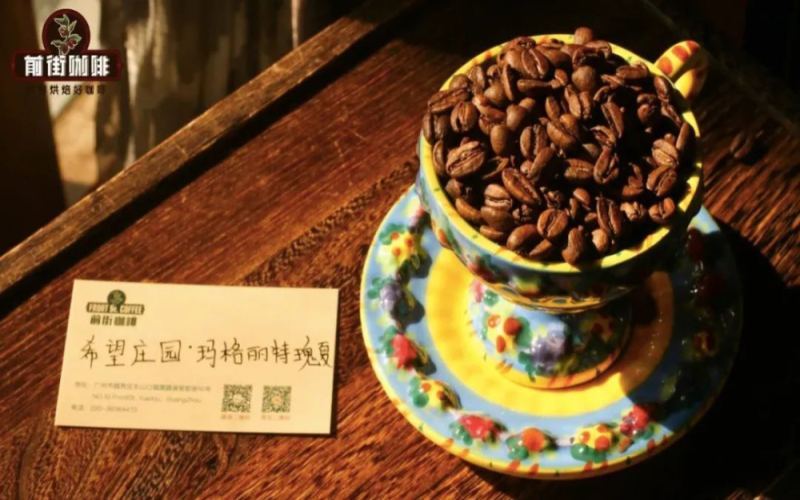
Colombia Cauca Region Finca La Esperanza Geisha Coffee Beans: A Full Analysis of the Estate Background, Terroir Conditions, and Variety Experiments
Front Street Coffee recently acquired a sun-dried Geisha coffee bean produced by Colombia's Finca La Esperanza. When brewed, it presents aromas of blueberry and smoked plum, with layers of blackcurrant juice, orange, and berry flavors on the palate, a full-bodied juicy feel, and a red-wine-like texture in the finish. This Geisha comes from a renowned, long-established estate in Colombia—Cafe Granja La Esperanza, whose Chinese name means "Hope." Over the past decade, Finca La Esperanza has accumulated more than sixty awards in major global coffee competitions, is a regular contender in Colombia's green coffee competitions, and has even crossed regions to participate in Panama's Best of Panama (BOP) competition with notable results. This article will provide a comprehensive introduction to this legendary estate from the perspectives of its background, the terroir of the Cauca growing region, the history of its variety introductions, and its processing techniques. [more…]
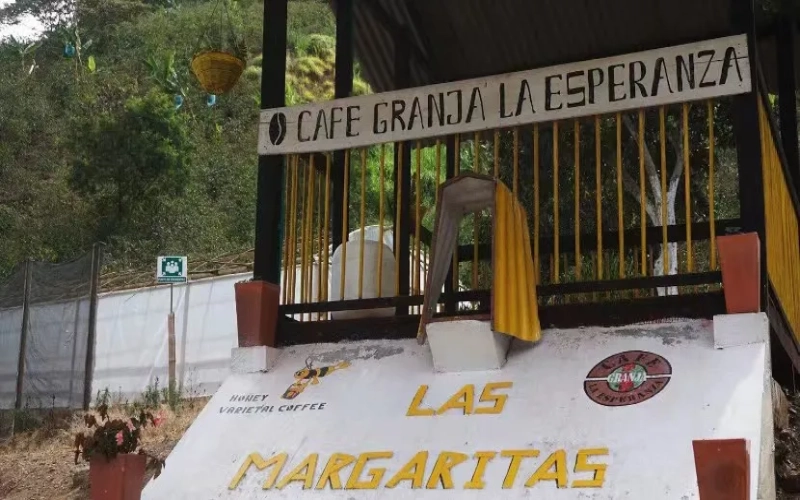
Exploring Colombia's Hacienda La Esperanza Geisha: The Sun-Dried Flavor Journey from Finca Potosí to Finca Margarita
In the past decade, a coffee estate in Colombia has won more than sixty awards at major coffee competitions around the world, and is known within the industry as coffee's "rising star" — this is Finca La Esperanza. From a couple acquiring Finca Posido to the family gradually expanding to five estates, and then in 2007 leasing the La Carreta farm in Boquete, Panama, and winning the BOP championship, the rise of Finca La Esperanza has been full of legendary color. This article will take you through the historical development of Finca La Esperanza, the terroir advantages of Cauca Department, and a tasting of a sun-dried Geisha from Finca Margarita, to experience the charm of flavors interwoven with blackcurrant, blueberry, and red wine. [more…]
A Detailed Account of the Cultivation History of Gesha at Colombia's Hacienda La Esperanza and the Pour-Over Technique for Rose Valley Coffee
Among Colombia's coffee-growing regions, Hacienda La Esperanza is renowned for its dedication to specialty coffee and its innovative introduction of the Geisha variety. From learning from Panama to successfully cultivating Geisha in the Cauca Valley, and then winning the World Coffee Championship, Hacienda La Esperanza has redefined coffee cultivation through scientific management and a winery philosophy. This article will outline its cultivation characteristics, microclimate experiments, and strict quality control, and share the pour-over brewing method for Rose Valley coffee beans, making it suitable for coffee enthusiasts to gain an in-depth understanding of the charm of Colombian specialty coffee. [more…]
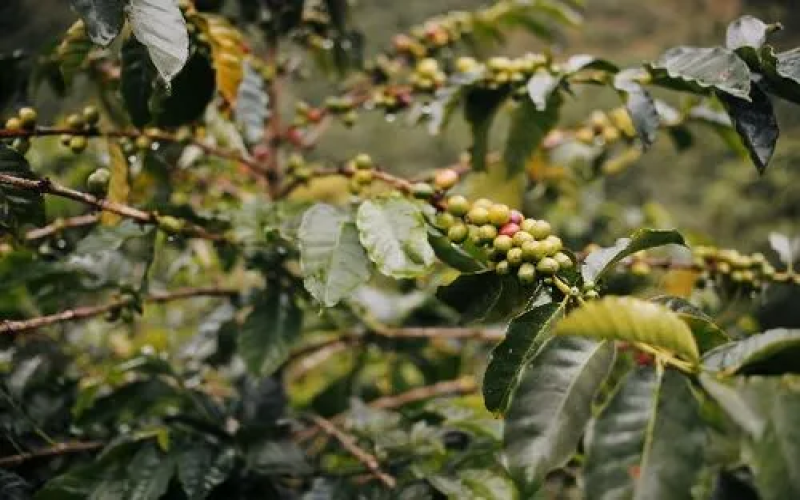
Colombia Huila Region: A Complete Analysis of the Finca La Divisoria Geisha Coffee Beans
Colombia, as the world's third-largest coffee producer and the largest exporter of Arabica, nurtures exceptional coffee thanks to the high altitudes, volcanic soils, and diverse microclimates of the Andean region. The southern Huila Province is widely recognized as a core specialty coffee producing area, and Finca La Divisa is one of the more representative small estates in the region. This article will systematically review the origin advantages of Colombian coffee and the terroir characteristics of the Huila region, with a focus on introducing the development history of Finca La Divisa and the variety, processing method, and brewing performance of its Geisha coffee beans, while also bringing Front Street Coffee's specific recommendations and brewing parameters for this bean. [more…]
Colombia Finca El Viento Sweet Bee Coffee Beans: A Full Analysis of Variety, Grade, Honey Processing, and Flavor Profile
Located in the Santa Barbara production area of Antioquia Department, Finca El Viento sits at 1,820 meters above sea level. Built on a foundation of Colombia and Caturra varieties, it uses a honey processing method to create the micro-lot Sweet Bee coffee. This bean presents a complex flavor profile of honey citron tea, black plum, red grape, and clove, and estate owner Alejandro Trujillo uses self-made covered drying racks for meticulous processing. This article will systematically sort out the origins of coffee cultivation in Colombia, the concept of estate beans and key purchasing points, and provide an in-depth introduction to the specific information and quality characteristics of Finca El Viento Sweet Bee. At the same time, combined with Front Street Coffee's recommendation, it offers coffee lovers a complete reference on flavor and quality. [more…]
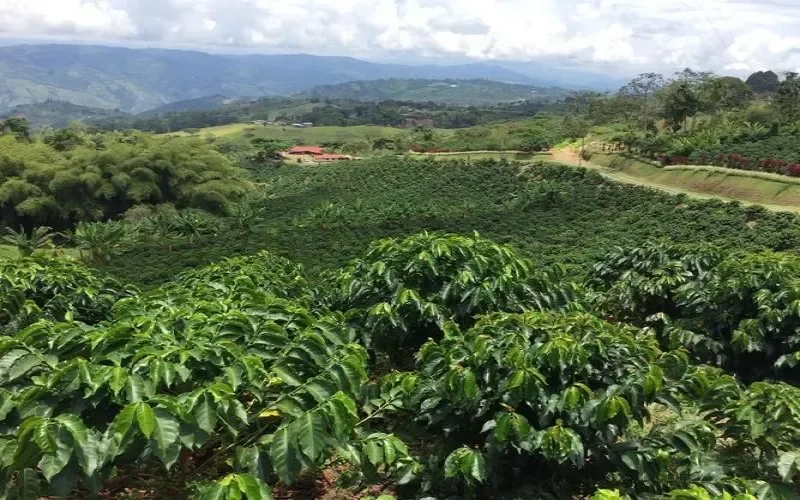
A Complete Guide to the Varieties and Flavors of Colombia Huila Finca La Divisa Sidra Coffee Beans
Colombia, with its high-altitude mountains, volcanic soil, and abundant rainfall, has become the world's third-largest coffee-producing country. Among its many regions, the southern Huila Department is known for its pure and gentle flavors, while Finca El Diviso has gained widespread fame after the 2022 WBC champion chose its Sidra coffee beans. This article will guide you through Colombia's coffee-growing conditions and the terroir characteristics of the Huila region, offer an in-depth look at Finca El Diviso's family background and the origins and botanical characteristics of the Sidra variety, and include complete brewing information and flavor notes for Front Street Coffee's double anaerobic natural Sidra. [more…]
Colombia's Finca La Esperanza and Cerro Azul: A Deep Dive into a Family's Coffee Empire and Geisha Flavors
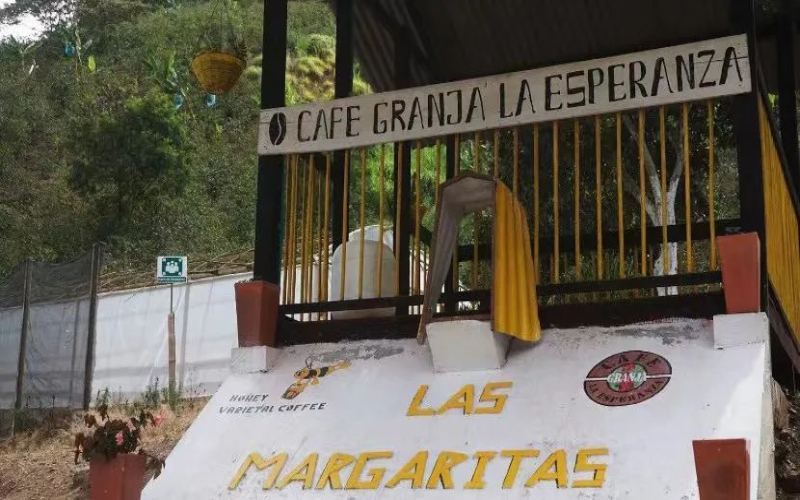
Cafe Granja La Esperanza frequently appears in coffee competitions and rankings, but it is not a single estate—rather, a coffee family brand made up of several farms. It began when the couple Blanca Ligia Correa and Juan Antonio Herrera acquired Finca Potosí, and the family gradually expanded its holdings to five estates, including Margaritas, Cerro Azul, and Hawaii. In 2007, family member Rigoberto won the BOP championship in Panama, and subsequently introduced Geisha to Colombia, opening a glorious chapter for Cafe Granja La Esperanza. This article provides a comprehensive look at this sun-dried Geisha from the high altitudes of Cauca Department, covering the family history, the terroir of the producing region, and Front Street Coffee's cupping experience. [more…]
Colombia Huila Region Finca La Divisa Sidra Coffee Bean Variety and Flavor Analysis
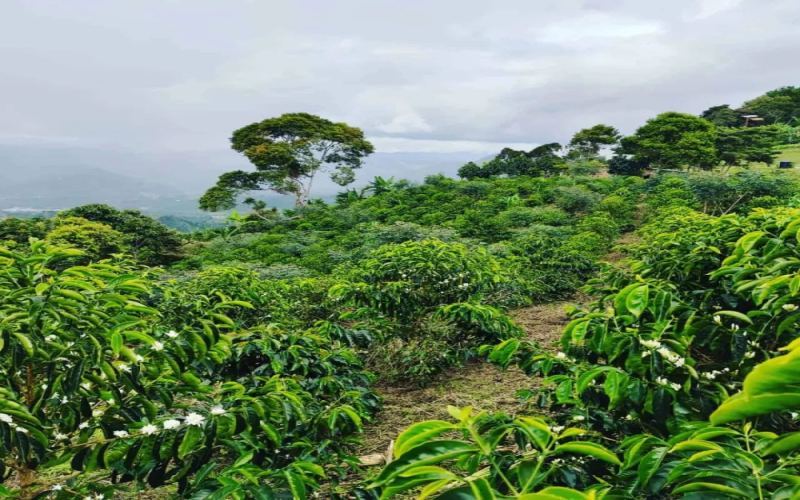
Colombia, as the world's third-largest coffee producer and the largest exporter of Arabica, has given rise to numerous specialty coffee regions thanks to the high altitudes, volcanic soils, and diverse microclimates of the Andes. Huila is one of the most representative specialty regions, and Finca El Diviso is located there. The estate rose to fame after the 2022 WBC champion chose its Sidra coffee beans. This article introduces Colombia's coffee-growing conditions, the terroir of the Huila region, the background of Finca El Diviso, and the origins, cultivation characteristics, and Front Street Coffee's brewing performance of the Sidra variety, giving you a comprehensive understanding of the appeal of this rare variety. [more…]

Detailed profile of Finca La Esperanza in Cauca, Colombia: an overview of five farms, growing elevations, and coffee varieties
Colombia is the world's third-largest coffee producer, and coffee, along with flowers, gold, and emeralds, is known as one of its "four treasures." The high altitudes, volcanic soil, and diverse climates of the Andean region provide ideal conditions for coffee cultivation. Cauca Department is one of the main producing regions, where Hacienda La Esperanza has multiple farms. This article will outline the geographical and climatic background of Colombian coffee, with a focus on introducing the altitude, plots, area, and cultivated varieties of five farms under Hacienda La Esperanza: Potosí, Blue Mountain Hill, Margarita, Hacienda La Esperanza, and Hawaii. It will also mention the Herrera family's management legacy and related products from the Front Street brand. [more…]
A Complete Guide to Colombian Sidra Coffee Beans: From Huila's Finca La Divisa to Fame via Two WBC Champions
The Sidra variety has risen to fame in the specialty coffee world in recent years, becoming a focal point after being chosen by two World Barista Championship winners. It originally came from Ecuador, developed by crossbreeding Typica and Red Bourbon, and genetic testing shows it has a genetic connection to Ethiopian landraces. It is currently mainly grown in Ecuador and Colombia, with Finca El Diviso in the Huila region of Colombia drawing much attention after Anthony Douglas's championship win. Front Street Coffee has also introduced this bean, using a double anaerobic washed process and a medium-light roast, presenting rich fruit flavors of apricot, citrus, and grape. This article will guide you through the origins of Sidra, the story of Finca El Diviso, the variety's characteristics, and Front Street's brewing recommendations. [more…]
Colombia Finca La Esperanza Coffee Flavor Analysis and Proper Brewing Guide
Located in Pitalito, Huila, La Pradera Farm is run by producer Dionel Chilito and grows varieties such as Caturra, Colombia, and Geisha. Since Dionel's father bought the farm 45 years ago, two generations of the family have cultivated it together. Dionel constantly experiments with different fermentation and storage techniques to improve coffee quality and cupping scores. The Geisha coffee is selectively hand-picked, depulped on the same day, dry-fermented for 36 hours, and then washed three times through channels. This article will walk you through the acidity profile of this coffee and share the authentic brewing method recommended by Front Street Coffee, helping you fully appreciate its layered flavors. [more…]
Colombia Finca La Divisa Ombligon Coffee Variety Analysis: A Full Reveal of Flavor Characteristics and Processing Methods
In the world of specialty coffee, there are always some rare varieties that burst into the public eye with their unique flavor expressions. Ombligon is a rising star that has attracted much attention in recent years—it originates from Finca El Diviso in the Huila region of Colombia, and is named for the navel-like shape at the bottom of the fruit. From the 2023 WBC finals to the Chicago WBrC, this bean has frequently appeared on the international competition stage, conquering judges and coffee lovers with its rich and varied juicy feel and fermented wine aroma. This article will give you a comprehensive understanding of the variety origin of Ombligon, its flavor characteristics, the background of Finca El Diviso, and its meticulous double anaerobic natural processing flow, along with Front Street Coffee's pour-over parameter suggestions, so that you can recreate the bean's captivating layers at home. [more…]
Colombia Finca La Divisa Ombligon Coffee: Variety Origin, Thermal Shock Fermentation Process, and Flavor Analysis
On the stages of the 2023 WBC finals and the WBrC in Chicago, a Colombian coffee variety named "Ombligon" appeared frequently, drawing industry attention. It comes from Finca El Diviso in the Huila region; its fruit resembles a papaya with a small ring at the bottom, and its name derives precisely from this. Genetic research shows it is related to Ethiopian landraces, yet it is a unique variety formed through natural mutation in Colombia. Finca El Diviso has tailored a processing protocol for Ombligon that includes hot-water flotation, sealed fermentation, and sugar-solution-activated yeast—known in the industry as "thermal shock fermentation"—allowing this bean to display layered fruit flavors reminiscent of grapes, oranges, blueberries, and pineapple juice. In this article, Front Street Coffee will guide you through a comprehensive understanding of Ombligon's varietal characteristics, estate background, processing details, and pour-over recommendations. [more…]
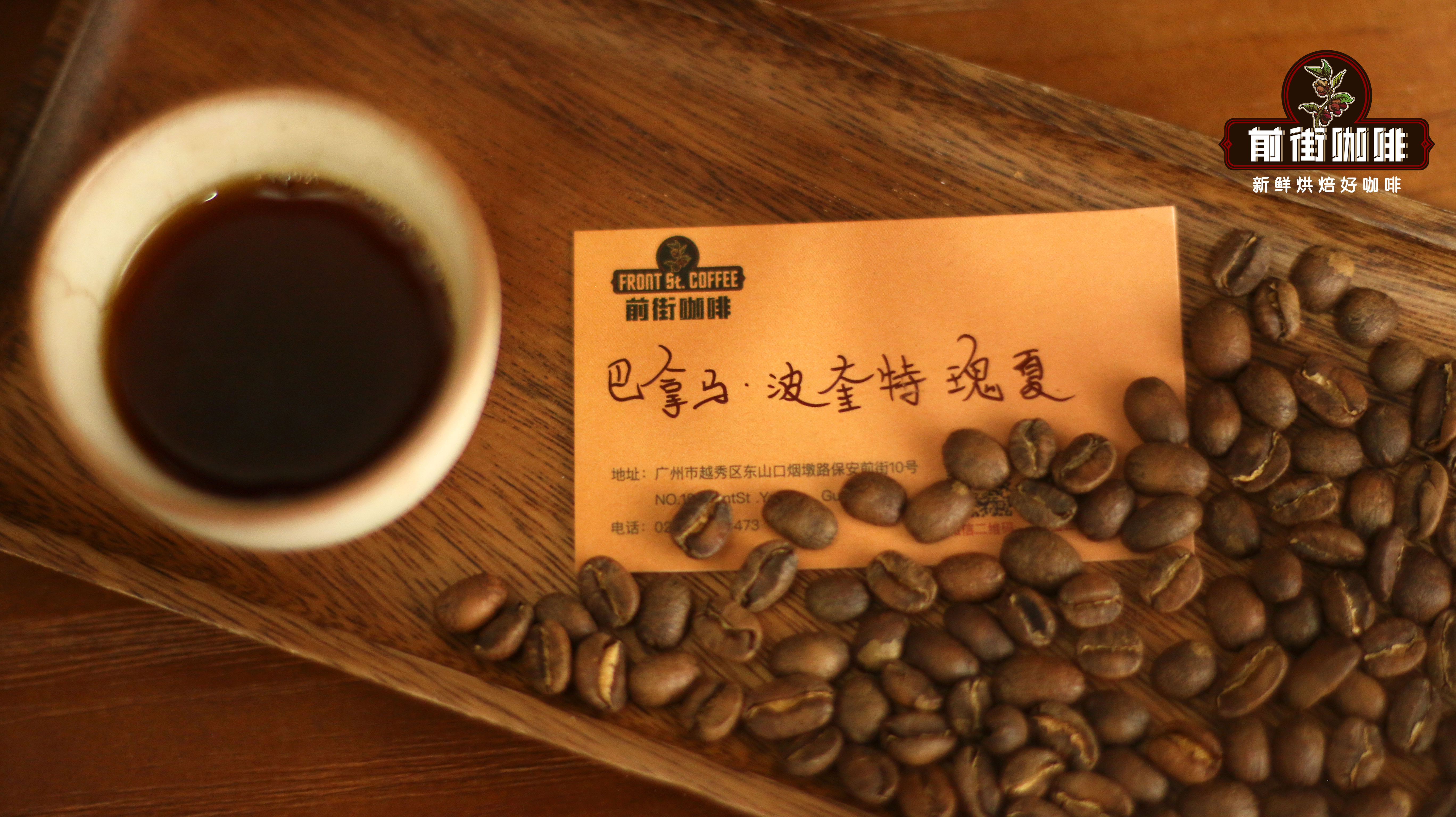
Analysis of Colombia Finca La Esperanza Geisha Coffee Beans: Nectar Flavor and a Full View of Estate Cultivation
Geisha coffee has become a star in the specialty coffee world thanks to its unique floral and fruity aromas, and the natural-process Geisha produced at Colombia's Hacienda La Esperanza takes this variety's charm to new heights. This article starts with a cup of La Esperanza's Margarita plot Geisha, sourced through Front Street Coffee, to guide you through La Esperanza's history, the distribution of its five sub-farms, the terroir advantages of the Cauca Valley producing region, and the estate's relentless pursuit of variety experimentation, meticulous harvesting, and processing. If you are a Geisha enthusiast, or are looking for an outstanding Colombian single-origin bean, this article will provide you with a complete reference. [more…]