







Search Results for: Coffee tea-like sensation
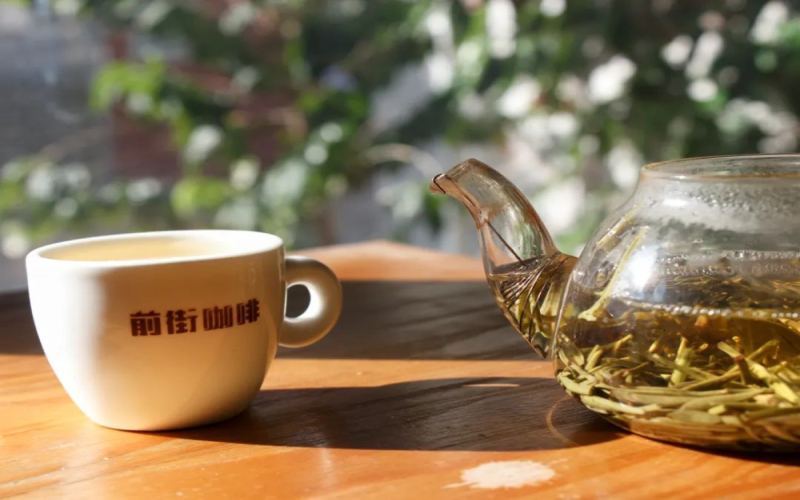
Where Does the Tea-Like Quality in Pour-Over Coffee Come From? Analyzing the Formation and Tasting of Tea Notes in Coffee Flavor
On coffee bean flavor labels, we often see various tea-related descriptors, sometimes even specifying the name of a particular tea. Why does coffee taste like tea? How exactly is this tea-like sensation formed? Starting from Front Street Coffee's tasting experience, this article analyzes the sources of tea-like notes in coffee—including the tactile effects of tea polyphenols and tannins on the palate, the dual role of astringency in coffee, and how medium-light roasting brings coffee closer to a tea experience. It also draws on specific beans such as washed Geisha, Yirgacheffe, and Yunnan Typica to illustrate how different tea aroma types manifest in coffee, helping enthusiasts describe and understand coffee flavors more accurately. [more…]

What exactly does "tea-like" mean in coffee tasting? From sweet aftertaste and salivation to astringency analysis, interpreting the difference between tea-like and astringent sensations
In coffee flavor descriptions, "tea-like" is a concept widely used in China yet constantly debated. Some people understand it as the aroma of a certain kind of tea, some think it is simply the astringency that returns in the mouth, and still others categorize it as a lingering finish reminiscent of tea broth. This article begins with the bitterness and astringency of tea, then sorts through the causes of sweetness returning and saliva being produced, and next draws on the principle of retronasal olfaction to explain why coffee can bring out a tea-like quality, while also clarifying that tea-like and astringent are not equivalent. The article also combines tasting examples from several Front Street Coffee beans to show that the very same "tea-like" quality may be defined very differently in each person's mind. [more…]
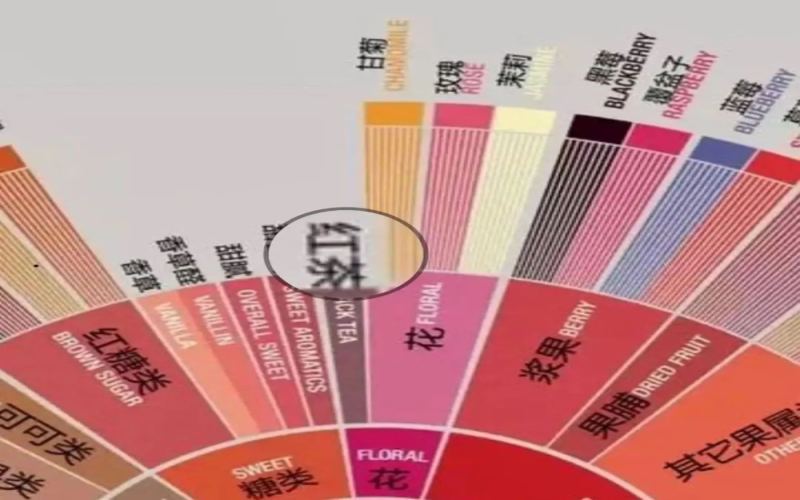
Where does the tea-like note in coffee flavor come from? Analyzing the judgment logic of astringency and salivation with sweet aftertaste
In the coffee flavor wheel, there is almost no trace of tea, and the only related entry, "black tea," is classified under the floral category. Yet in the flavor descriptions of coffee beans sold domestically, words such as green tea, black tea, and oolong tea are extremely common. How exactly should tea-like notes be judged? Is astringency equivalent to tea-like notes? Starting from the mechanisms of tea polyphenols and glycosides, this article distinguishes positive astringency from negative astringency, analyzes how organic acids bring about mouth-watering and sweet aftertaste, and, combined with the tasting experience of several Front Street Coffee beans, explains the specific expression of different tea-like flavors in coffee, as well as why domestic coffee beans prefer to use tea-like notes as a descriptor. [more…]
Why Does Pour-Over Coffee Taste Astringent? An Analysis of Causes and Improvement Directions from Green Beans to Extraction
When drinking coffee, you may occasionally encounter an unpleasant experience that isn't smooth enough and has a slightly sandy mouthfeel—this is what we commonly call astringency. Where exactly does astringency come from? It may originate from the cultivation and processing of green beans, and may also be closely related to roasting, the mixing in of defective beans, and brewing parameters and techniques. This article will start from the material basis of astringency, sort out the difference between positive and negative astringency, analyze the two major brewing causes of over-extraction and uneven extraction, and also clarify the differences between astringency, tea-like character, and a dry sensation, finally offering practical adjustment ideas. The article also retains relevant product and recommendation information from Front Street Coffee, making it convenient for coffee lovers to refer to in daily brewing. [more…]

What is the difference between coffee astringency and tea-like body? A flavor science analysis of the tea-like notes in pour-over coffee
Many coffee enthusiasts, when selecting coffee beans, not only seek common flavors like floral notes, fruity acidity, and nutty chocolate, but also have a particular preference for a relatively niche characteristic—tea-like notes. When customers stand in front of the Front Street Coffee bean list, hesitating with a request like "I want a coffee with a stronger tea-like feel," we can't help but ask: tea is tea, coffee is coffee, so why can coffee reveal the charm of tea? In fact, coffee does contain the same aromatic compounds as tea leaves. This article will approach from the perspective of flavor science, analyzing the principles behind the formation of tea-like notes in coffee, the similarities and differences between coffee astringency and tea astringency, and explaining which varieties, origins, processing methods, roast levels, and brewing techniques can make coffee exhibit tea-like notes. Finally, it will include Front Street Coffee's recommended list of tea-like beans for everyone's reference when purchasing. [more…]
Coffee Flavor | From What Angles Do We Describe and Evaluate Specialty Coffee Flavor?
In recent years, the domestic coffee industry has developed rapidly. Even when black swan events occurred and most industries were struggling, the domestic coffee market still maintained stable growth. So as an ordinary enthusiast, when faced with merchants' marketing claims, how should one evaluate a coffee bean? When drinking coffee and buying coffee beans, [more…]
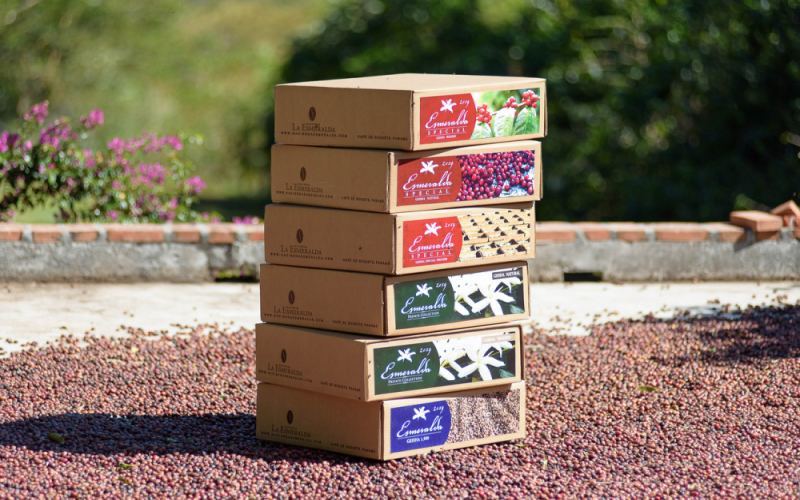
Colombia Cauca La Esperanza Estate Geisha Coffee Beans: A Complete Analysis of Flavor Characteristics, Processing Methods, and Pour-Over Brewing
This time Front Street Coffee has set its sights on Hacienda La Esperanza in Colombia's Cauca region, bringing a rather distinctive Geisha coffee. This bean has citrusy sweet acidity, delicate floral aromas, and a pleasant tea-like body, while also presenting creamy and honey-like sweetness in the finish, with a layered complexity that differs from Panamanian Geisha. As a top-tier Colombian estate, Hacienda La Esperanza has won awards multiple times at competitions such as the SCAA and GFA, and owns four farms: Esperanza, Las Margaritas, Cerro Azul, and Potosi. Front Street Coffee has acquired two Geisha lots, one washed and one honey-processed, and through cupping and pour-over tests, found that the flavor expression varies noticeably at different water temperatures: higher temperatures highlight sweetness and tea-like notes, while lower temperatures yield greater layered complexity. This article will provide a detailed overview of the estate's background, processing methods, roast profile, and brewing recommendations, offering coffee enthusiasts a complete tasting reference. [more…]

Medium-roast pour-over beans recommendation: choose flavors along the roast level
Medium-roast coffee beans are not an option with just a single flavor. As the roast goes lighter, the cup retains clearer floral notes, fruity acidity, and a tea-like quality; as it goes darker, it gains caramel sweetness, nuttiness, and more body. Using roast level as a filter lets you first determine the general character of a cup of coffee before looking at origin and flavor description. [more…]
Front Street Yirgacheffe G2 Coffee Beans: Flavor Profile, Mouthfeel, Processing Method, Origin, and Variety in Detail
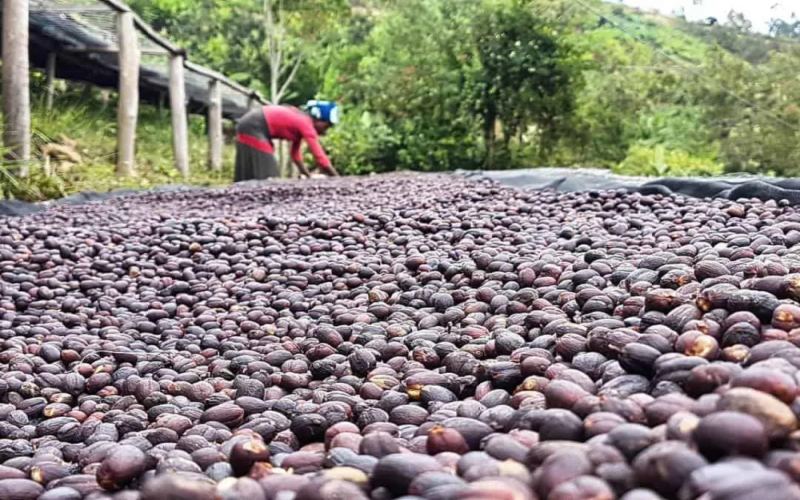
Yirgacheffe G2 is one of the flagship specialty coffees of Ethiopia, known for its bright citrus and floral notes. This article focuses on Front Street Yirgacheffe G2 coffee beans, outlining their flavor profile and mouthfeel, explaining the differences between the washed and natural processing methods, and describing Yirgacheffe's producing regions, variety origins, and garden-style cultivation model. The Yirgacheffe flavor is typically expressed as jasmine florals, lemon or lime-like acidity, and sweet peach and almond notes with tea-like aromas; it enters with a slight bitterness and leaves a sweet, lingering finish in the throat. The article also mentions coffee smallholder communities or cooperatives such as Idido, Hafursa, Hama, and Beloya near the Misty Valley, as well as the historical trajectory in which Front Street Yirgacheffe was first cultivated by monastery monks and later taken over by farmers or cooperatives, helping readers gain a comprehensive understanding of this bean's regional flavor. [more…]
Ethiopian Yirgacheffe Flavor Analysis: Medium-Light Roast Characteristics and Cold Brew Coffee Making Guide
Yirgacheffe, as a representative of Ethiopian specialty coffee, is renowned for its jasmine floral notes, fresh lemon, and citrus tea-like nuances. This article guides you through the origin background and flavor characteristics of Yirgacheffe, explains why a medium-light roast is best for showcasing its aromatic compounds, and provides a detailed guide on making a refreshing cold brew coffee using Front Street Coffee's Yirgacheffe Gedingding. From coffee bean freshness, coffee-to-water ratio, to extraction time and storage tips, we walk you through the key parameters of cold brew coffee, so you can easily enjoy a richly layered iced coffee at home. [more…]
Yunnan small-bean coffee flavor and Typica variety characteristics: A full analysis of origin estates and brewing parameters
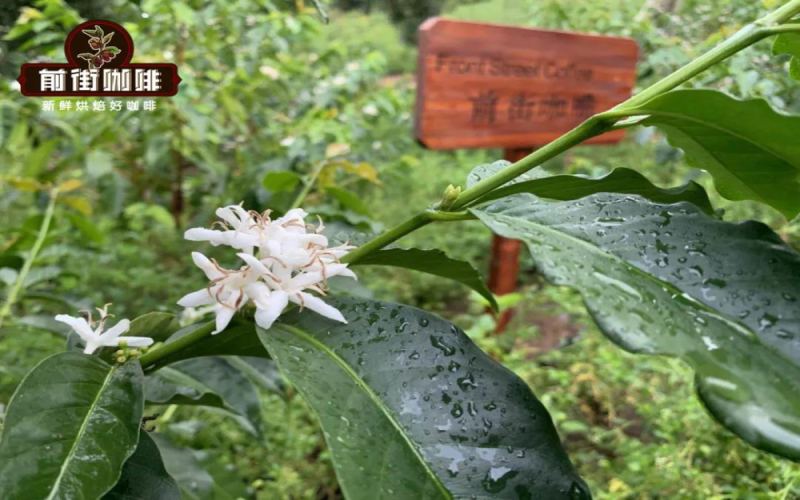
Yunnan coffee has frequently appeared in domestic cafés, but few people truly understand its flavor profile. As a representative of Asian beans, Yunnan small-holder coffee has both herbal and pine undertones, along with regional characteristics like brown sugar, tea-like notes, and plum acidity. In terms of varieties, Typica and Catimor form the two main lines of Yunnan coffee: the former is an ancient, high-quality Arabica variety with excellent cupping performance; the latter has strong disease resistance but slightly inferior flavor. Regarding production areas, Baoshan, Pu'er, Lincang, and Dehong each have their own advantages, and Front Street Coffee has even established its own estate in Lincang to cultivate Typica. This article will also share Front Street's medium-light roast brewing parameters and the flavor description of the 2013 sun-dried Typica, giving you a comprehensive understanding of Yunnan coffee. [more…]
A Complete Guide to Yirgacheffe Coffee Beans: Regional Grading, Variety Flavors, and Pour-Over & Iced Brew Techniques
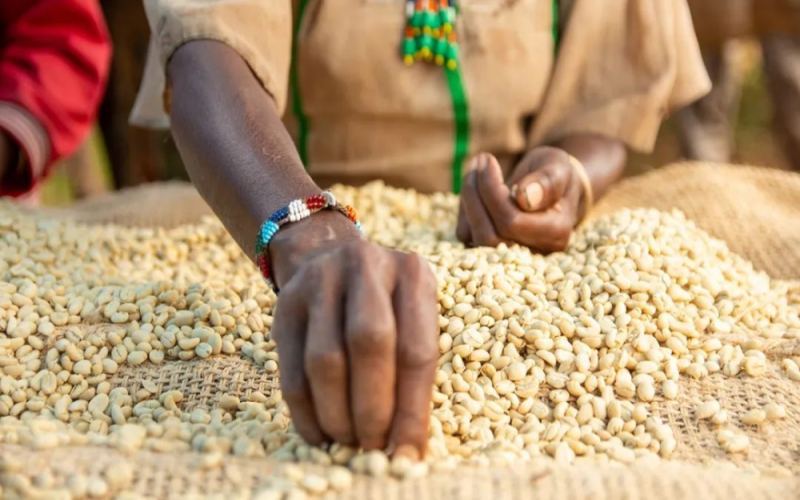
Yirgacheffe is a region well known to coffee lovers worldwide, celebrated for its bright citrus acidity, fresh floral aromas, and tea-like sweetness. This article begins with Yirgacheffe's geographical evolution and grading certification, then analyzes the three major flavor drivers—high-altitude cultivation, native heirloom varieties, and traditional processing methods—and compares the differences between washed and natural processing. It also details the brewing parameters for the medium-light roasted Gedingding Cooperative coffee beans recommended by Front Street Coffee, including the specific steps for a three-pour hand brew and iced hand brew, helping you recreate a cup of Yirgacheffe full of floral and fruity notes at home. [more…]

How Long Can Ground Coffee Be Stored? Is Refrigeration Feasible and an Analysis of Proper Storage Methods
Freshly ground coffee always has a superior aroma, but to save the step of grinding, many friends choose to have the merchant grind the coffee beans into powder in advance. So, how long can coffee grounds actually be kept? How many days is the peak flavor period? Is storing them in the refrigerator really reliable? This article will start with the optimal flavor period of coffee beans, combine Front Street Coffee's comparative experiments, and provide a detailed analysis of how the flavor of ground coffee changes over time, along with correct storage recommendations to help you preserve that precious fresh aroma as much as possible. [more…]
The acidity in SOE Americano is hidden in the roasting curve.
SOE americano is not a fixed flavor—whether it tastes "sour" depends first on how dark the coffee beans are roasted. Light roasts preserve more of the origin's natural fruit acidity and floral notes, medium roasts pull sweetness, body, and acidity into a more balanced position, and dark roasts move toward cacao, nuts, and caramel. If you want something smooth and easy to drink, start with the roast level. [more…]
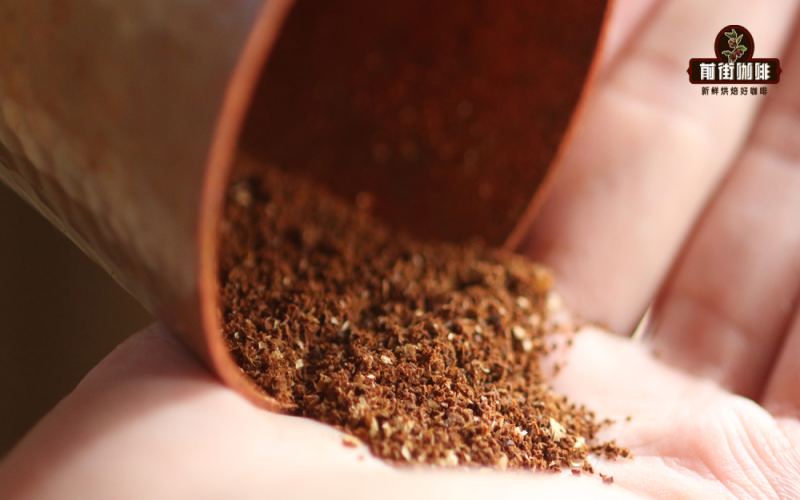
Three Major Causes of Coffee Ground Quality Decline and Practical Storage Tips to Extend Freshness
The freshness of ground coffee directly determines the quality of the flavor in your cup. Starting from the gas release patterns of coffee beans after roasting, this article provides a detailed analysis of how the three major factors—oxygen, moisture, and high temperature—accelerate the deterioration of ground coffee quality, and shares Front Street Coffee's storage recommendations. At the same time, through Front Street's comparative experiments and day-by-day flavor tests of Yirgacheffe, it reveals the timeline of aroma loss after coffee is ground into powder, helping you retain as much of coffee's essential aroma as possible in your daily brewing. [more…]
A Complete Guide to Ethiopian Coffee Origins: Terroir, Processing Methods, and Brewing Flavor Profiles of Yirgacheffe and Sidamo
Ethiopia is a core producing region that cannot be overlooked on the specialty coffee map, and Yirgacheffe and Sidamo are two of its most representative names. The former is known for citrus, white flowers, and a tea-like quality, while the latter stands out for full-bodied berry notes, red florals, and a semi-fermented tea character. This article will examine the flavor formation of these two regions from the perspectives of geography, altitude and climate, varietal resources, and processing methods, and introduce related everyday beans and signature products under Front Street Coffee, helping readers new to specialty coffee build an understanding of regional flavors at a lower cost, while also providing brewing parameter suggestions for light-roasted Ethiopian beans. [more…]
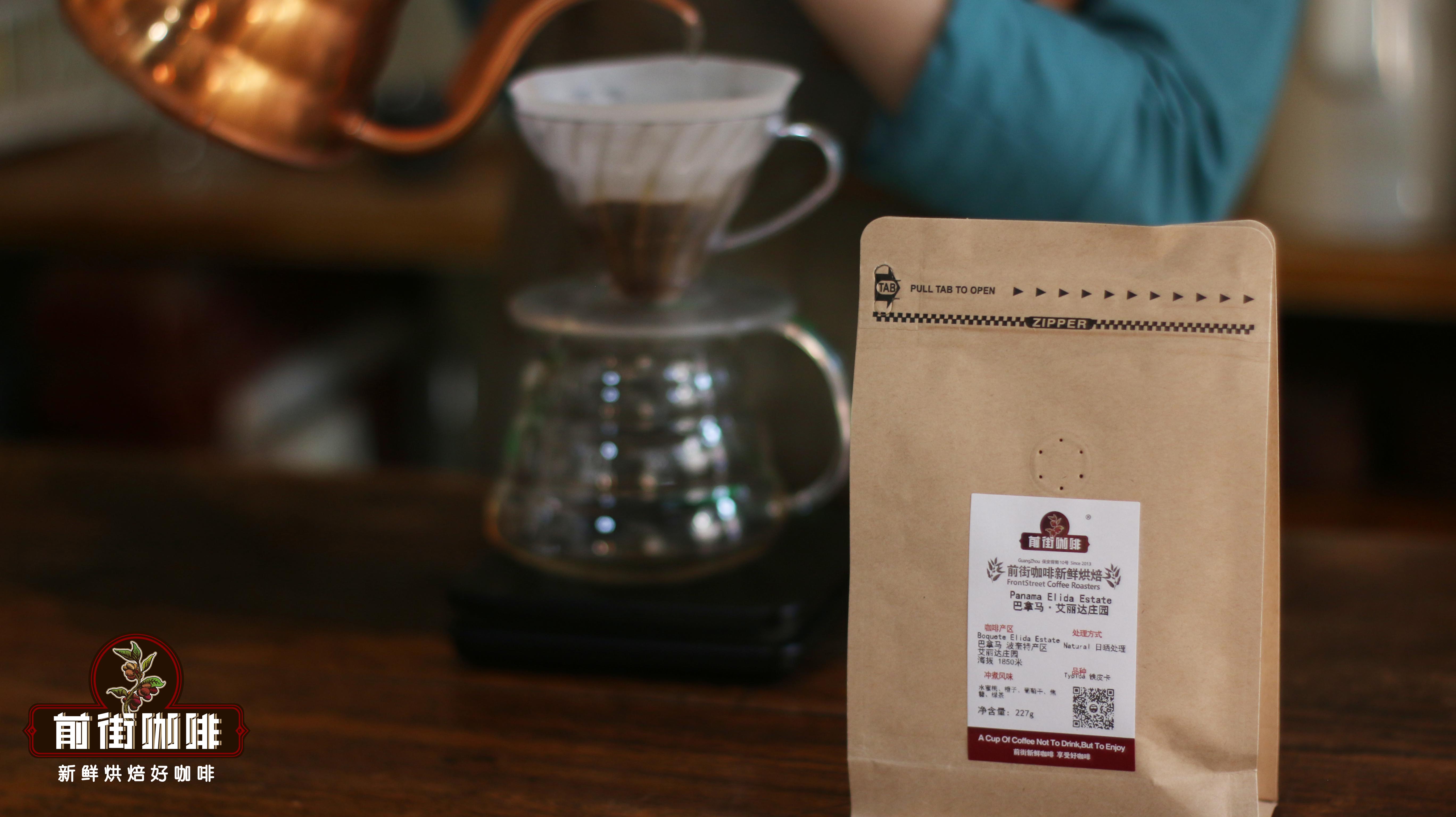
Panama Elida Estate Natural Typica: A Full Analysis of Origin, Variety, Processing Method, and Flavor
In the specialty coffee landscape, Panama rose to fame with Gesha from Hacienda La Esmeralda, but those who truly understand coffee know that this land has far more than one excellent estate. Elida Estate, as a century-old gem passed down through the Lamastus family, likewise produces stunning coffee. In this article, Front Street Coffee will take you deep into a Natural Typica from Elida Estate in the Boquete region of Panama, offering a comprehensive analysis of this bean's unique charm—from the terroir of the producing region, the estate's history, and varietal characteristics to the roasting curve and cupping performance—and sharing practical brewing parameters and techniques so that you can recreate its peach, raisin, and sugarcane sweetness at home. [more…]
How can you make pour-over coffee present a green tea-like mouthfeel and sweet aftertaste? Front Street shares three brewing details.
People often say a certain coffee has a "tea-like" quality, yet when you buy it and brew it at home, you can never quite reproduce that flavor—either it turns out bitter, or it has the floral and fruity notes but doesn't taste like tea. What exactly is the tea-like quality in coffee? Which beans are more likely to express this character? Front Street Coffee believes the key lies in three extraction details: choosing a flat-bottom dripper to create an immersion effect, increasing the water volume to promote the release of compounds in the tail end, and reducing the flow rate to extend the extraction time. This article uses an Ethiopian washed Kafa Forest as an example to fully demonstrate a brewing recipe that can bring out a green-tea-like fresh aroma and sweet aftertaste, breaking down everything from parameters to technique, helping you turn "tea-like" from a description into a real taste in your cup. [more…]
Yirgacheffe Washed G1 Coffee Beans: A Full Analysis of Origin Environment, Altitude, Climate, and Flavor Characteristics
Yirgacheffe is one of Ethiopia's most recognizable coffee regions, known for its jasmine aroma, citric acidity, and tea-like finish. This article systematically lays out the complete picture of washed Yirgacheffe G1 coffee beans, from the geographical environment, climate and altitude, and cultivation methods to the introduction of washed processing technology. The article also presents Front Street Coffee's washed Yirgacheffe series, including Gudingding and Konga Red Cherry, and provides a detailed explanation of the high-altitude heirloom coffee from the Kochere sub-region along with its brewing parameters. It is suitable for coffee enthusiasts who want to gain a deeper understanding of the source of Yirgacheffe's flavor and how to choose among them. [more…]
The Origin of Musician-Named Coffee Beans: A Full Analysis of the Flavor Differences Between Bach, Beethoven, and Mozart
Coffee, as an agricultural product, is named in many different ways: some are named after their place of origin, some after the estate, but coffee beans named after musicians are especially interesting. Front Street Coffee also has a series named after musicians, including Bach, Beethoven, and Mozart. These beans come from Canet Estate in the Tarrazú region of central Costa Rica. The estate owner loves classical music, so the coffee beans produced there are named after musicians. The estate uses two varieties, Caturra and Catuai, combined with raisin honey processing and washed processing. The altitude ranges from 1,700 to 1,950 meters, and all are SHB-grade high-altitude strictly hard beans, known for their sweet flavor, fruity aroma, winey notes, and tea-like fragrance. The 2019 vintage Musician Series all uses the Caturra variety, and the three coffees each have their own focus: Bach is layered and rich with a red wine character, Beethoven uses washed processing to present a clean and refreshing summer feel, while Mozart highlights gorgeous floral notes and sweetness. Below, Front Street will guide everyone through the unique qualities of these three coffees one by one. [more…]