







This time, Front Street Coffee has set its sights on La Esperanza in Colombia's Cauca region, bringing a distinctive Geisha coffee. This bean has citrusy acidity, delicate floral notes, and a pleasant tea-like quality, while the finish presents a creamy and honey-like sweetness, with a layered complexity that differs from Panama Geisha. As a top-tier Colombian estate, La Esperanza has won numerous awards at SCAA, GFA, and other competitions, and encompasses four farms: Esperanza, Las Margaritas, Cerro Azul, and Potosi. Front Street Coffee has acquired two Geisha lots, washed and honey-processed, and through cupping and pour-over tests, found that flavor expression varies noticeably with water temperature: higher temperatures highlight sweetness and tea-like notes, while lower temperatures reveal more layered complexity. This article will detail the estate background, processing methods, roast profile, and brewing recommendations, providing coffee enthusiasts with a complete tasting reference.
While Panama Geisha is certainly one of the representatives of the world's top specialty coffees, if Front Street Coffee focused only on Geisha from this one region, it would miss the outstanding work of estates in many other origins. Although Geisha from other regions may not surpass or fall short of Panama in quality, each region has its own unique flavor signature, and Front Street Coffee is eager to explore them one by one. The Front Street Margarita Geisha introduced today comes from Colombia, and it was chosen because it possesses a sufficiently distinct character. On the palate, there is clear citrusy acidity, delicate floral notes, and a pleasant tea-like quality, transitioning to a creamy and honey-like sweetness in the finish—retaining the classic Geisha profile while displaying a different layered structure.
Colombia La Esperanza
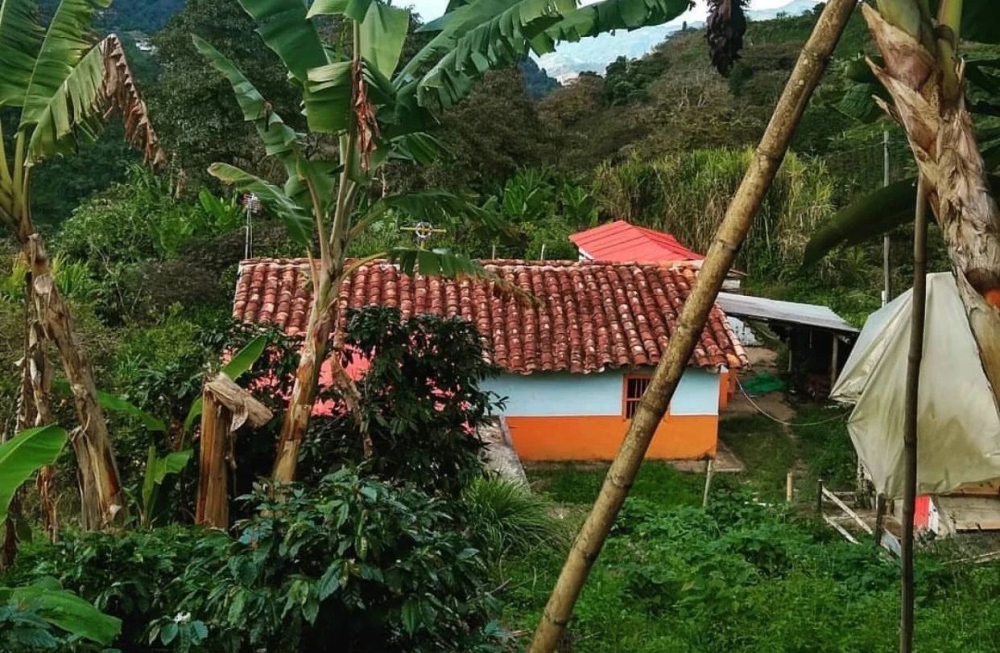
La Esperanza is located in the Cauca region, an area known for its high-altitude mountainous terrain, reaching up to 2,100 meters. Suitable rainfall, significant diurnal temperature variation, and volcanic soil provide ideal growing conditions for coffee trees. The biggest difference between Cauca and other Colombian regions lies in the strong diurnal temperature variation brought by high altitude, which gives coffee cherries a longer maturation period, allowing them to fully accumulate nutrients, and also imparts a pleasant sweet-acid balance to Cauca coffee.
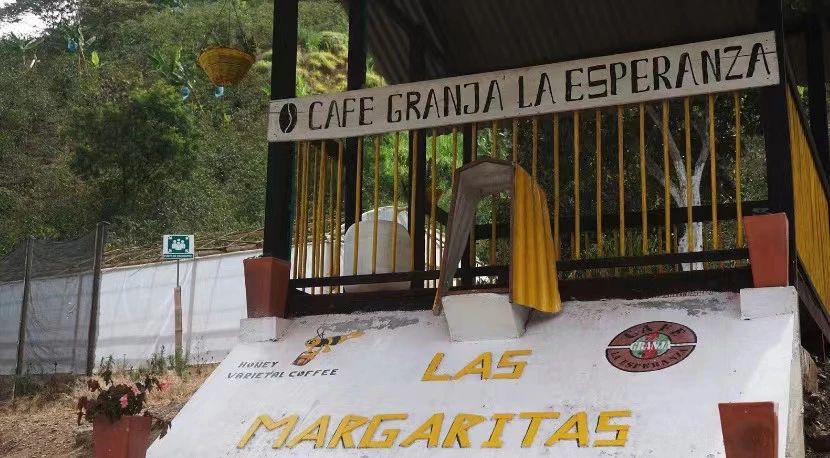
La Esperanza is not a farm belonging to a single person or family, but rather a cooperative formed by multiple coffee farmers, all selling under the unified name La Esperanza. The estate is scattered throughout forests at altitudes of 1,400 to 1,650 meters. The coffee farmers insist on hand-picking fully ripe cherries and strictly control green bean quality. The estate won first place in the 2007 Colombian coffee competition, and in 2008 took 9th, 12th, and 14th places (different growers). In November of the same year, it received a high score of 93 from American coffee expert Kenneth Davids (author of Coffee Review and Home Coffee Roasting), making it one of Colombia's top estates.
According to Front Street Coffee's research, La Esperanza comprises four farms: Esperanza, Las Margaritas, Cerro Azul, and Potosi. It has won the Best of Panama championship (2008) and runner-up (2009). In 2012, three of its products swept 2nd, 3rd, and 7th places in the SCAA Coffee of the Year top ten. In the GFA (Good Food Award), La Esperanza is also the only estate outside of Ethiopia, Kenya, and Panama to have won an award.
Washed and Honey Processing
Front Street Coffee has acquired two lots of Front Street Colombia La Esperanza Geisha, processed using washed and honey methods respectively, giving the green beans different flavor directions.
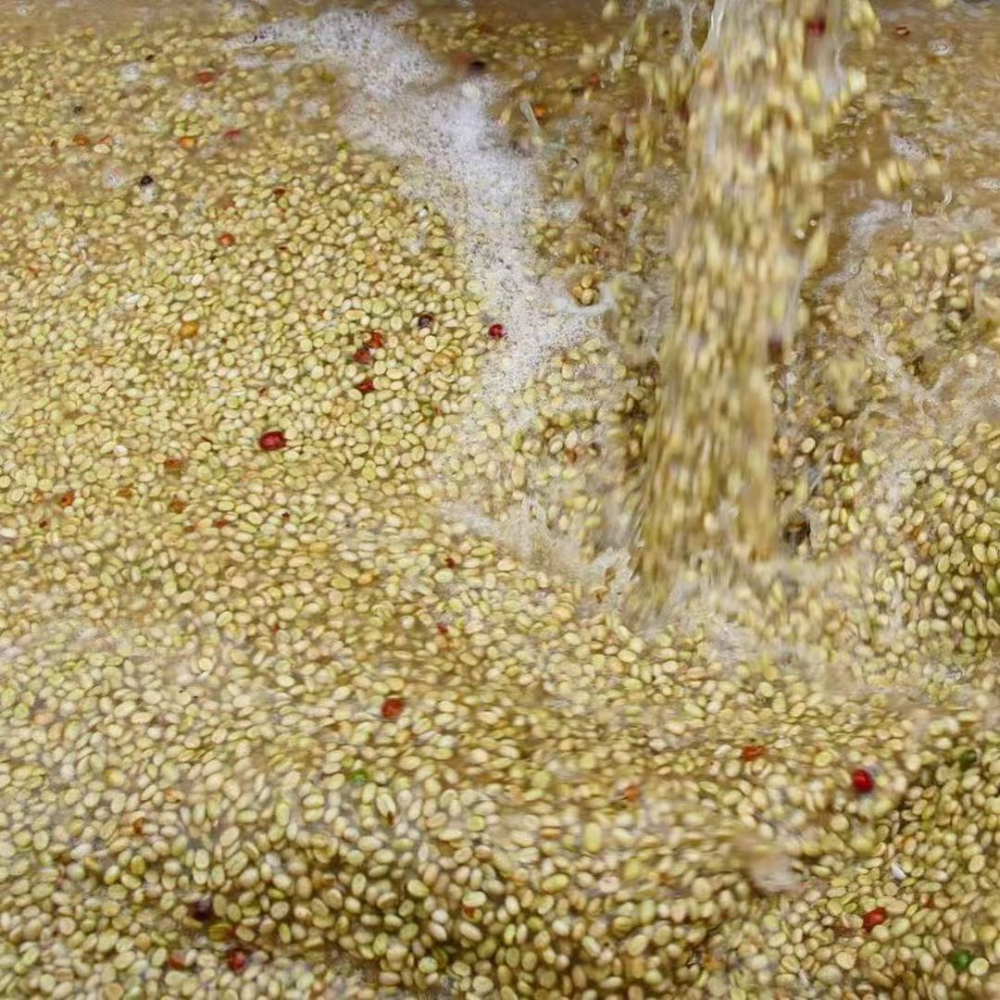
Washed process steps: First, the sorted coffee cherries are sent to a depulper to remove the skin and pulp; then the beans with residual mucilage are immersed in water and fermented for about 24 hours; after fermentation, the beans with parchment are placed in a flowing water channel to wash off the pulp and mucilage; after washing, they are sun-dried or machine-dried to reduce moisture content to about 12%; finally, the parchment is removed.
Honey process steps: The coffee farmers first pour the fresh cherries into a water tank for flotation, removing underripe defective cherries, stones, and other impurities; after removing the outermost skin with specialized equipment, the beans with some pulp retained undergo a period of "dry fermentation," followed by sun-drying. The term "honey" refers to the sticky state of the sugars in the mucilage after fermentation, reminiscent of honey, hence the name "honey process."
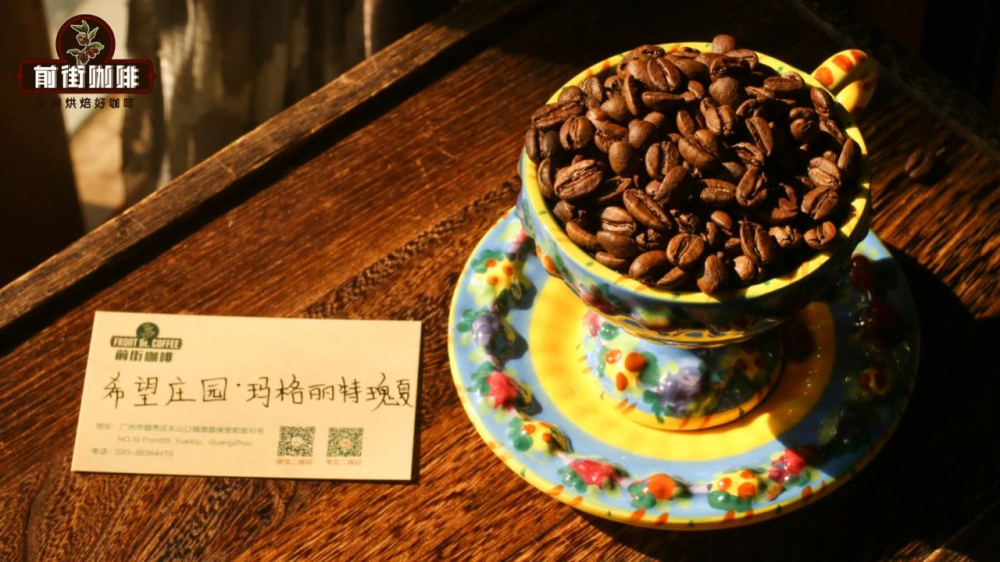
Due to the higher growing altitude, Front Street Coffee appropriately extended the roast profile, ensuring the beans fully release their flavors while avoiding underdevelopment. At the same time, to showcase Geisha's floral and fruity character, Front Street Coffee chose a medium-light roast level, allowing the coffee to better express its own aromatics.
FrontStreet Coffee Green Bean Analysis
The variety of this Front Street La Esperanza bean is Geisha. Geisha is a heirloom variety within the Arabica species, extremely particular about its growing environment, requiring high altitude, cloud shade, fertile soil, and sufficient accumulated temperature. The Geisha variety was discovered in 1931 in the Geisha forest of Ethiopia, then sent to the Kenyan Coffee Research Institute. In 1936 it was introduced to Uganda and Tanzania; in 1953 Costa Rica introduced it. The green beans are a beautiful blue-green color, with a distinct aroma of fermented fruit and orange.
FrontStreet Coffee Roast Analysis Roaster Yangjia 800N (300g batch)
Charged when the drum temperature rose to 160°C, with the damper set to 3; after 30 seconds, the heat was reduced to 140, damper unchanged; turning point at 1'42", when the drum temperature was 140°C, the heat was adjusted to 120, damper opened to 4; at this point the bean surface turned yellow, the grassy smell completely dissipated, entering the dehydration phase. When the drum temperature reached 166°C, the heat was reduced to 110, damper unchanged; at 7'50", the bean surface showed wrinkles and dark patches, the toasty bread aroma clearly turning to coffee aroma, which can be regarded as the prelude to first crack, and at this point one must listen carefully for the first crack sound. First crack began at 8'15", the heat was reduced to 50, damper adjusted to 5 (adjusting the heat requires extra care, not so low that there is no cracking sound). After first crack, developed for 1'28", dropped at 190°C.
Agtron bean color value 70.8 (top image), Agtron pink value 83.2 (bottom image), Roast Delta value 12.4.
Eight hours after roasting was completed, Front Street Coffee immediately conducted cupping. In terms of dry aroma, Front Street Coffee perceived grape and berry-like sweet-acid notes. On the palate, Front Street Coffee clearly captured a full-bodied blackcurrant juice sensation, followed by rich aromas of orange, smoked plum, and blueberry. As the temperature dropped, the juice sensation became more prominent, and after swallowing, a distinct red wine-like finish could be felt, very pleasant.
Colombia La Esperanza Geisha
FrontStreet Coffee: Colombia · La Esperanza Geisha Coffee Beans
Country: Colombia
Region: Huila
Altitude: 1,800M
Processing: Honey Process
Grade: SUPREMO
Variety: Geisha
FrontStreet Coffee Brewing Analysis Dripper: Hario V60 Water temperature: 90-92°C Coffee-to-water ratio: 1:15-1:16 Grind size: fine granulated sugar (80% passing through China standard No. 20 sieve)
Brewing method: Bloom with 30g water for 30 seconds, pour to 125g in stages, and when the water level is about to expose the coffee bed, continue pouring to 225g and stop, and when the water level is about to expose the coffee bed, remove the dripper, (timing starts from the beginning of blooming) total extraction time approximately two minutes.
When brewed with higher water temperature, this Front Street Colombia La Esperanza Geisha has more prominent sweetness and tea-like notes, with acidity of citrus, plum, and bergamot, mid-palate cinnamon and caramel flavors emerge, and the aftertaste is a distinct oolong tea sensation; when brewed with lower water temperature, the overall flavor layers are clearer, with the entry first showing faint floral notes and acidity of citrus, orange, lemon, and slight berry, mid-palate creamy and honey-like sweetness emerges, and the finish is accompanied by faint oolong tea aroma and sugarcane sweetness.
The above content is compiled by CoffeeHunters, a coffee news website.


