







Where Do Arabica Coffee Beans Come From and How Does That Shape Roasting?
Yirgacheffe coffee comes from a small town on the eastern side of the East African Rift Valley in Ethiopia, the birthplace of coffee. Today the name also describes a flavor profile: jasmine aroma, fresh lemon notes, and citrus tea nuances. Medium-light roasting keeps those aromatic compounds intact while drawing out a slight caramel sweetness.
Where are arabica beans from in this case, the answer is Ethiopia's long cultivation history, which produced many high-quality varieties, with the Gundingding lot from Front Street standing out. Because Yirgacheffe has lighter body than Indonesian Mandheling and none of the nutty tone of Brazilian coffee, medium and medium-dark roasts mask too much of what makes it distinctive.
Yirgacheffe, as a representative of Ethiopian specialty coffee, is famous for its jasmine aroma, fresh lemon notes, and citrus tea-like nuances. This article guides you through the origin background and flavor characteristics of Yirgacheffe, explains why a medium-light roast is best for showcasing its aromatic compounds, and provides detailed instructions on how to make a refreshing cold brew coffee using Front Street Yirgacheffe Gundingding. From coffee bean freshness, coffee-to-water ratio, to extraction time and storage recommendations, we walk you through the key parameters of cold brew coffee step by step, so you can easily enjoy a richly layered iced coffee at home.
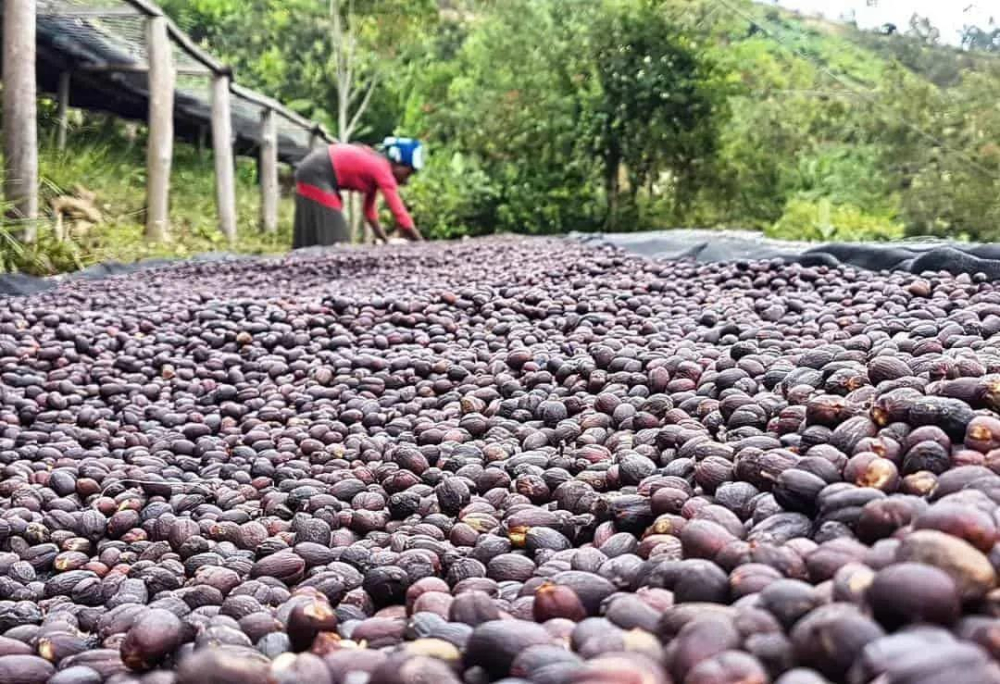
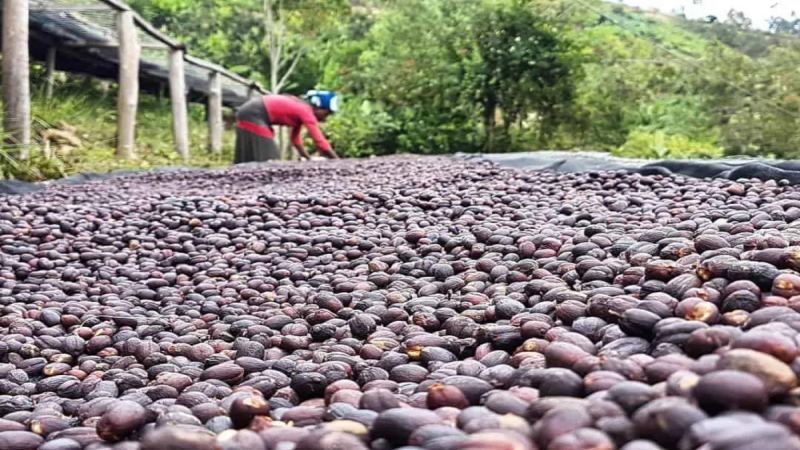
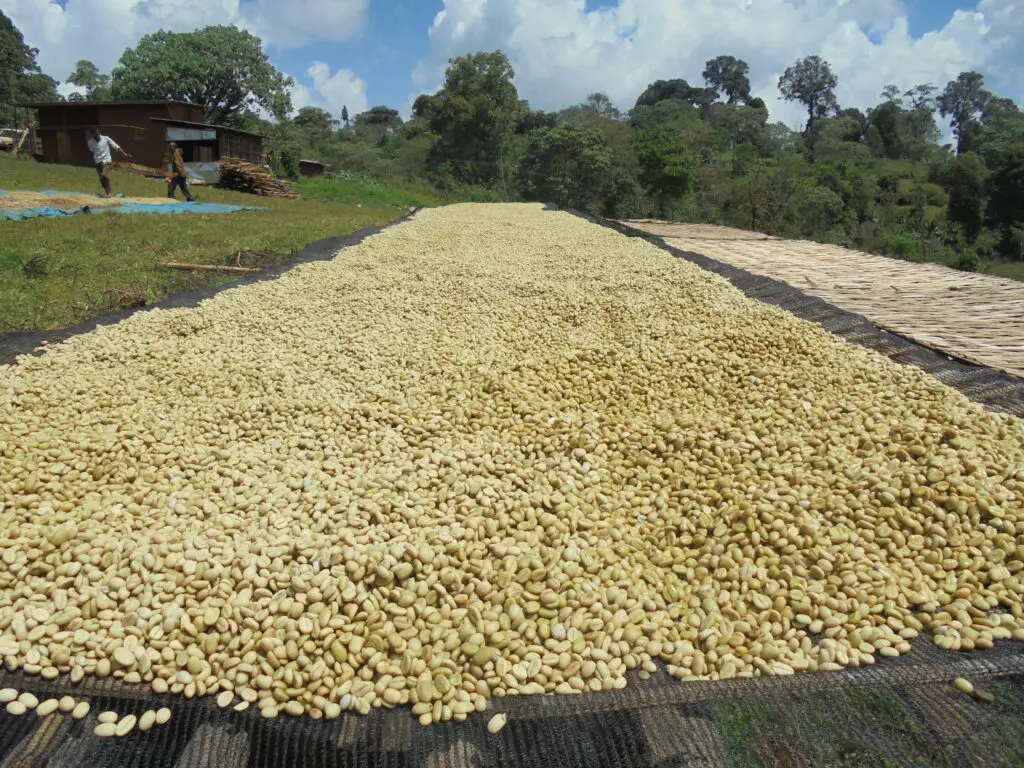
Ethiopia is the birthplace of coffee. After over a thousand years of accumulated cultivation and processing techniques, it has nurtured numerous high-quality Arabica varieties, and Yirgacheffe is among the standout ones.
Yirgacheffe was originally the name of a small town, located on the eastern side of the East African Rift Valley, with a rather small geographic area. Initially, Yirgacheffe referred only to the coffee produced in that region, but today it has evolved into a designation for a signature flavor profile—which can be summarized as rich jasmine aroma, refreshing lemon notes, and the sweet fragrance and tea-like sensation of peach, citrus, and almond. As its reputation grew, Yirgacheffe not only became a symbol of Ethiopian specialty coffee beans but also a premium single-origin coffee that beginners must try.
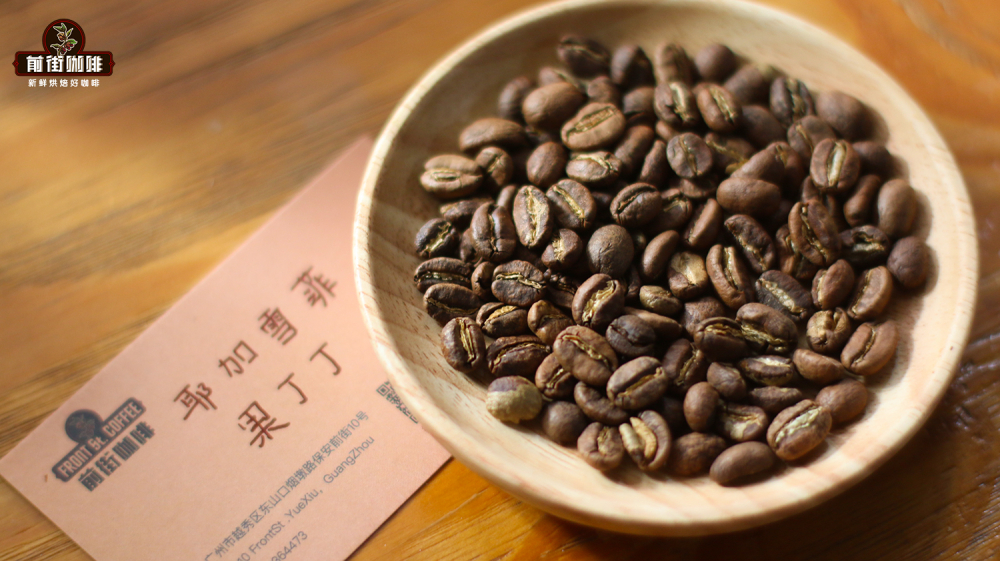
Compared with Indonesian Mandheling coffee, Front Street Yirgacheffe does not have a thick, bitter, and full-bodied mouthfeel, nor does it possess the nutty tone of Brazilian coffee, so it is not suitable for medium or medium-dark roasting. In order to retain as many aromatic compounds as possible while bringing out a slight caramel sweetness, Front Street Yirgacheffe is given a medium-light roast. By shortening the heating time, the flavor layers become more varied and the mouthfeel lighter. It is not only suitable for pour-over and drip bags but can also be used to make extremely simple cold brew coffee.
It is worth noting that Yirgacheffe actually encompasses quite a rich variety of categories, some of which are named after the processing plant, which usually means a more mature production process and relatively better green bean quality. For example, the highly cost-effective Front Street Gundingding coffee beans come from the washed Yirgacheffe of the Gundingding processing plant. After grinding, you can smell fresh passion fruit, citrus, and berry acidity. On the palate, it has citrus acidity, berry sweetness, almond, and tea-like notes, with a honey-like sweetness in the aftertaste, clean and refreshing.
Making cold brew coffee with Front Street washed Gundingding is actually not complicated. All you need is to ensure the coffee beans are fresh and master a few core parameters:
Coffee beans are in their optimal flavor period from the 4th to the 30th day after roasting, when the floral and fruity aromas are full and the flavor is pleasant. Once past 30 days, the aroma gradually diminishes, and by around 50 days, only woody and bitter notes remain. This reminds us to drink the coffee as soon as possible while it is fresh. Front Street Yirgacheffe Gundingding is freshly roasted within 5 days and supports shipping within 24 hours, precisely to ensure that you receive it in optimal condition.
Front Street Gundingding Cold Brew Coffee Recipe
1. Take 40 grams of Front Street Yirgacheffe Gundingding coffee grounds with a consistency similar to fine granulated sugar, with a coffee-to-water ratio of 1:12;
2. Prepare a clean, oil-free, sealed container with a capacity of over 600 milliliters;
3. Once all materials are ready, pour in 480 grams of room-temperature water and stir evenly so that the coffee grounds fully contact the water, then seal and place in the refrigerator to steep for 8 to 12 hours;
4. After extraction is complete, take it out and thoroughly filter out all the coffee grounds from the pitcher, then it is ready to enjoy or store.
5. Shelf life of cold brew coffee: In a sealed state, Front Street recommends consuming it within 72 hours after filtering is complete.
Many coffee enthusiasts have shared that cold brew coffee tastes excellent after being refrigerated for 7 days following extraction! In principle, the longer cold brew coffee sits, the more pronounced the fermented flavor becomes.
However, when the fermented note becomes too intense, it can mask the coffee's own flavors. For those who do not particularly enjoy heavily fermented flavors, Front Street does not recommend trying it casually. The best time to enjoy cold brew coffee is 2 to 3 days after filtering out the coffee grounds. Additionally, when drinking, you might add a moderate amount of ice cubes—first, to maintain a low temperature, and second, because once the coffee is diluted, the layers unfold further, presenting a richer flavor. When the fermented sensation is prominent, it also becomes stronger after warming up, whereas the iced version is undoubtedly more refreshing and pleasant to drink.
The above content is compiled by CoffeeHunters, a coffee news website.


