








What does tea-like mean in coffee tasting and aroma words?
Tea-like in coffee tasting describes a finish that resembles tea broth, often tied to sweetness returning after bitterness and to saliva production. It is not the same as astringency, which is a puckering roughness. The two get confused because tea itself carries both: tea tannins add body and aroma while also bringing slight roughness to the mouth.
Retronasal olfaction explains much of the effect, since aromas traveling from the mouth to the nose shape what drinkers call tea-like. Tasting notes across several Front Street Coffee beans show the term means different things to different drinkers. Aroma words for coffee, including those on the flavor wheel, offer only a small set of tea references for a sensation built on personal experience.
In coffee flavor descriptions, "tea-like" is a concept widely used by Chinese people yet constantly debated. Some understand it as the aroma of a certain kind of tea, some think it is the astringent taste that returns in the mouth, and others classify it as an experience where the finish resembles tea broth. This article starts with the bitterness and astringency of tea, sorts out the causes of returning sweetness and saliva production, then uses the principle of retronasal olfaction to explain why coffee brings out a tea-like quality, and clarifies that tea-like and astringent are not equivalent. The article also combines tasting examples from several Front Street Coffee beans to show that the same "tea-like" quality can have vastly different definitions in each person's mind.

Even though there are not many tea-related words on the flavor wheel, for Chinese consumers who have been familiar with tea since childhood, describing a cup of coffee with tea aroma or a tea-like quality is almost the most natural thing in the world.
However, the moment "tea-like" comes up in coffee flavor, everyone's interpretation seems to differ. Some treat it as the fragrance of a certain type of tea, some insist it should be a puckering sensation left at the root of the tongue, and others habitually place it in the category of a finish that resembles tea broth. So what exactly does the tea-like quality that baristas speak of refer to? And what characteristics do they rely on to make that judgment?
What exactly is the tea-like quality?
People who drink tea often have an old saying: bitterness can return sweetness, astringency can produce saliva. To understand the tea-like quality, one cannot avoid the two concepts of "tea bitterness" and "tea astringency."
The bitterness of tea broth often appears together with returning sweetness and saliva production. At first sip it carries bitterness, then turns to fresh sweetness, and as time passes the sweetness gradually overwhelms the bitterness, finally ending on sweetness—this is what is called "returning sweetness." Tea polyphenols are one of the key components that form tea color and tea aroma. Among them, tea tannins, which account for the highest proportion, can both make the tea taste richer and more aromatic and bring a slight roughness to the mouth. The higher the tea tannin content, the more obvious the returning sweetness and saliva production brought by the tea broth, and the longer it lasts.
High-quality tea leaves combined with an appropriate brewing method can produce a tea broth that, at first sip, displays the variety's unique aroma type, returning sweetness, and lingering charm. For example, fresh and sweet green tea, black tea with fruity and honey aromas, oolong tea interwoven with floral and fruity aromas and roast aromas, and aged, mellow Pu'er tea, among others.
Why does coffee have a tea-like quality?
The areas of the brain responsible for memory and for processing smell are the same area. The flavors each person tastes are closely connected to their own food memories. After coffee enters the mouth, the taste buds first judge the intensity of sour, sweet, bitter, and salty. Immediately afterward, aroma compounds enter the nasal cavity during swallowing. At this point the brain integrates the taste in the mouth with the aroma in the nasal cavity, and thus the flavor perception of some food from memory emerges—this is retronasal olfaction.
If the delicate aromas captured by retronasal olfaction, together with the mouthfeel experience before and after swallowing (returning sweetness, slight astringency, saliva production), remind a person of the feeling of drinking a certain kind of tea in the past, then it shows that we have tasted a tea-like quality in this cup of coffee. In other words, whether one can taste a tea-like quality in coffee depends on how familiar the drinker is with tea's aroma, taste, and the saliva production and returning sweetness it brings.
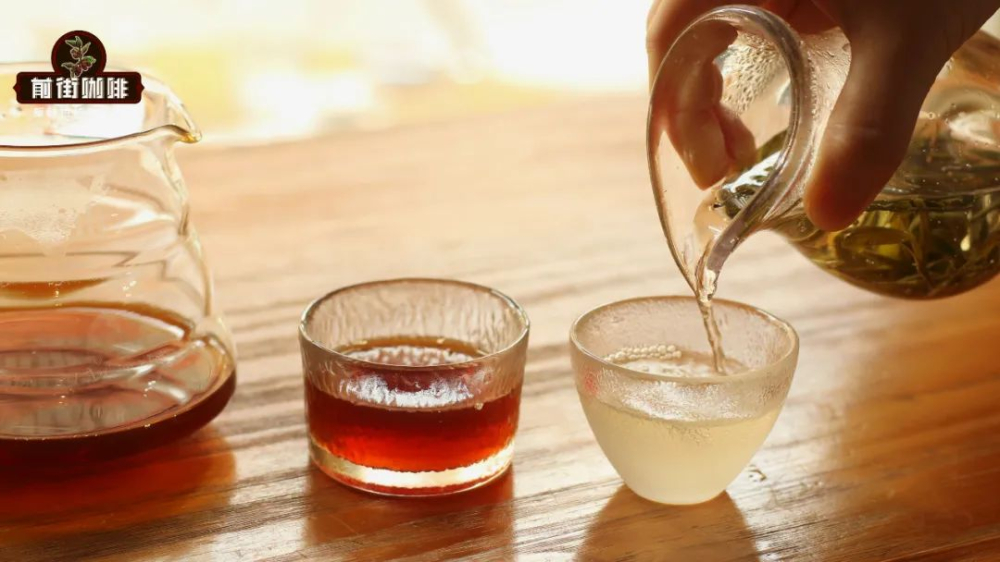
For example, when Front Street Coffee drank Panama washed Boquete Geisha, the cup gave off intense white floral aromas, a fresh and sweet taste, and a bright, light sweet-sour mouthfeel, immediately reminding one of the experience of drinking Tieguanyin. Therefore, in Front Street Coffee's view, the tea-like quality does not point to a single sensory response, but is a comprehensive description of the overall coffee experience.
Tea-like quality is not equal to astringency
The original meaning of astringency is not slippery. It is usually used to describe the rough touch that food brings to the mouth; it is not a taste. The astringency in coffee comes from polyphenolic compounds combining with salivary proteins, reducing the lubricity of the mouth and increasing friction, thereby producing a sandy, puckering sensation on the surface.
Most coffee lovers believe that bitter and stimulating astringency is an unpleasant experience, and can even mask coffee's own subtle and unique flavors, but there is also a "benign" astringency that can add layers to coffee. Just like the slight astringency of citrus peel, when paired with coffee's inherent weak bitterness and fruity sweet-sourness, it tastes both like yuzu tea and carries a returning sweetness that lingers.
A thousand people have a thousand kinds of tea-like quality in their hearts
To find a certain "tea taste" from memory, one needs to comprehensively consider the aroma, finish, and degree of returning sweetness in the mouth felt from the coffee.
When Front Street Coffee tasted washed Yirgacheffe Gargari, it felt fresh and elegant floral aromas, transparent sweetness, and a slightly astringent finish in the cup, like a cup of unfermented green tea.
The sun-dried Front Street Coffee Yunnan Typica, because the fruit pulp remains in the fruit and undergoes sun fermentation together, the coffee beans absorb richer fermentation aromas. Front Street Coffee tasted a sweet, mellow aroma in the cup, with a solid returning sweetness, presenting the mouthfeel of fully fermented black tea.
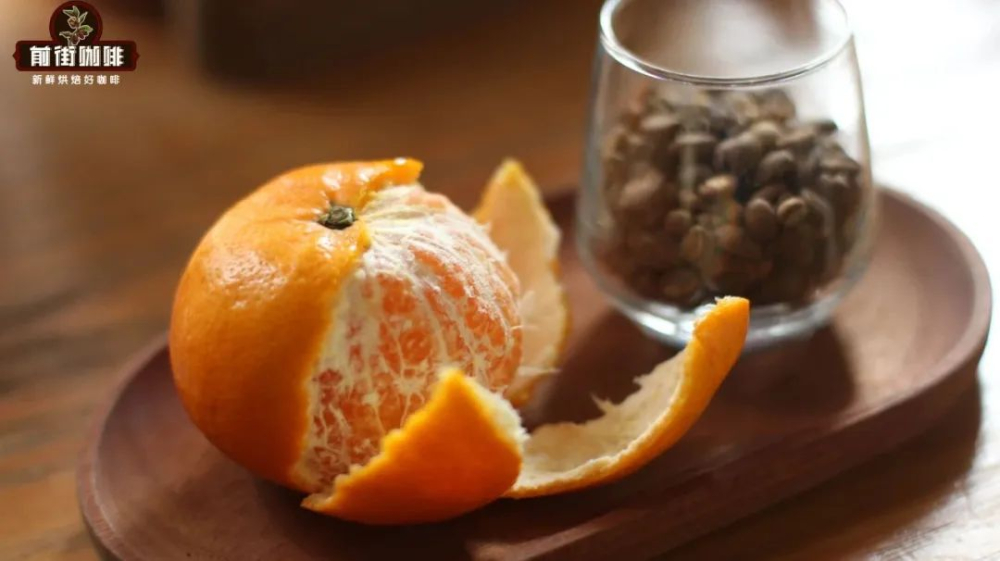
In addition to common tea types, some coffees with complex aromas also remind us of flavors in our memory bank. When tasting Ethiopia Konga Amdelelalo coffee beans, the sweet-sourness like white grape juice, the fruity astringency and returning sweetness of grapefruit peel, mixed with an elegant floral tea note, reminded Front Street Coffee of a freshly brewed pot of rose tea.
It is precisely because the world of tea includes many categories such as white tea, oolong tea, green tea, black tea, and Pu'er tea that even the same "tea-like quality" may have vastly different definitions in each person's mind. Finally, I also wish everyone can find a tea-like quality that satisfies them in the coffee they brew themselves.
- END - Front Street Coffee (FrontStreet Coffee)
No. 10, Baoqian Street, Yandun Road, Dongshankou, Yuexiu District, Guangzhou, Guangdong Province
The above content is compiled by CoffeeHunters, a coffee news website.


