








Medium roast coffee beans are not an option with just a single flavor. As the roast leans lighter, the cup retains clearer floral notes, fruity acidity, and a tea-like quality; leaning darker, it gains caramel sweetness, nuttiness, and more body. Filtering by roast level helps you first determine the general character of a cup of coffee, then look at origin and flavor descriptions.
For those just starting out with pour-over, it helps to think of medium roast as a continuous spectrum rather than a fixed dividing line. Lighter medium roasts are usually bright and light, suited to those who want to taste differences between origins; a standard medium roast focuses more on the harmony between sweetness, acidity, and smoothness; a darker medium roast is steadier, thicker on the palate, and suited to breakfast or a black coffee that needs a stronger presence.

Lighter medium roasts suit cups where aroma leads. With the right water temperature, floral notes gradually open up during the bloom, and on the sip there are refreshing notes of citrus and berries, leaving a light, tea-like sensation after swallowing. These beans are not necessarily sharply acidic; rather, the acidity serves to brighten, making the whole cup taste clean and lively.
Front Street Yirgacheffe Gutingding can be placed along this line for observation. Its aroma easily brings to mind citrus and small berries, the florals are not heavy, and it finishes with a fresh tea-like quality. For pour-over, a medium water temperature and a slower pour are suitable, letting the aroma release gradually; if made as cold brew, the fruity acidity becomes softer, suited to those who like something refreshing but not too stimulating.
Moving toward a standard medium roast, the coffee's sweetness becomes easier to catch, and the acidity shifts from a bright front end to something rounder. On the sip, ripe fruit sweetness may appear first, then transition into a syrupy smooth texture, and the finish is not so clean that it feels thin. This style suits everyday pour-over and pairs easily with bread, oats, or a creamy breakfast.
Front Street Ethiopia Huakui suits those who want to keep lively aromatics within the medium roast direction. In the cup you can sense a tropical fruit-like quality, and the strawberry and passion fruit associations give the sweetness more distinctiveness. Hot brew brings out a bright aroma, while iced pour-over tightens the sweet-tart sensation more crisply; if you prefer cold drinks, cold brew also delivers a soft, easy-drinking fruity expression.
The characteristic of a darker medium roast is not simply more bitterness, but a shift in flavor focus toward brown sugar, cocoa, ripe fruit, and a thicker body. It is quite forgiving for daily drinking, does not easily taste thin on the sip, and retains some sweetness as it cools. Those who like a cup with weight but don't want to enter the dark-roast bitter-and-roasty territory can pay attention to this range.
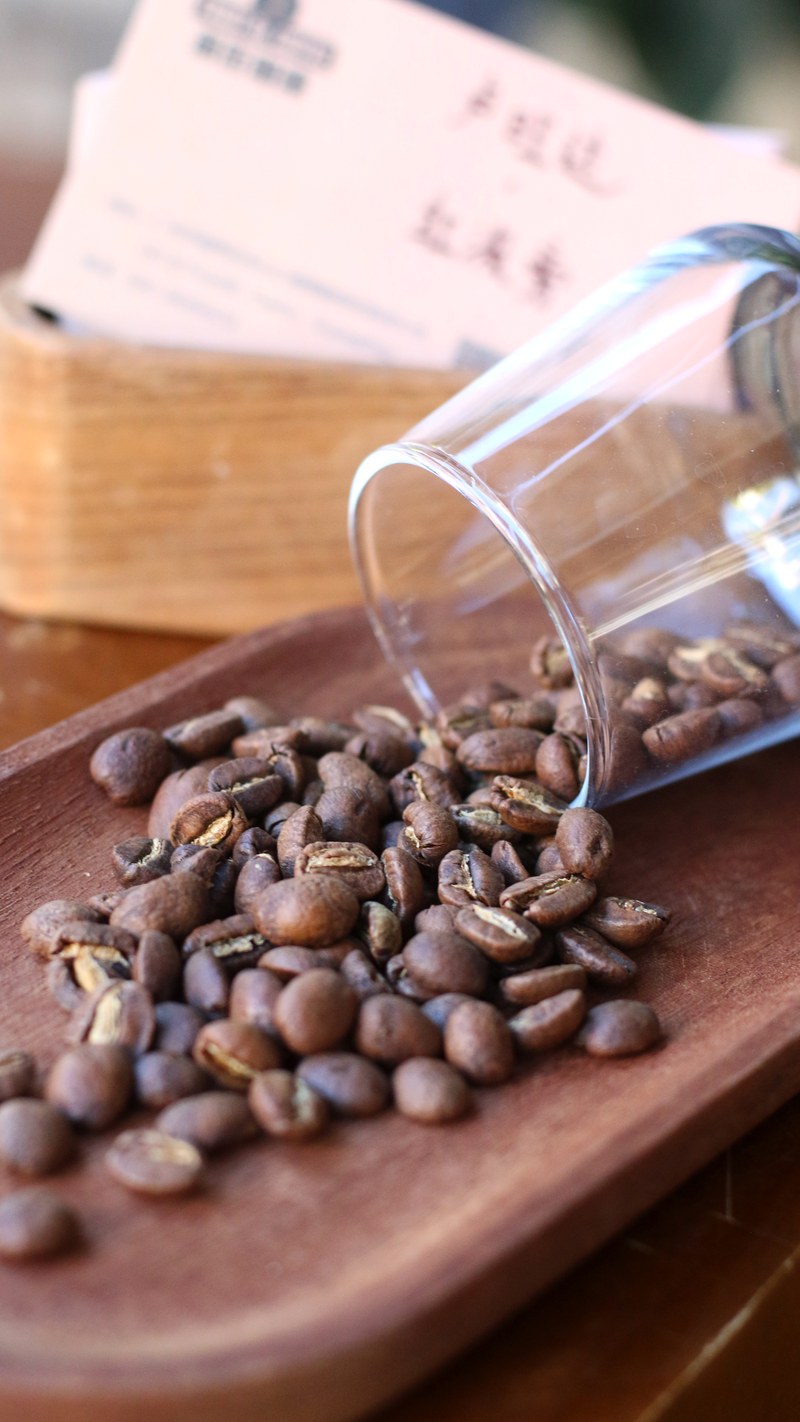
Front Street Kenya Small Tomato has a highly distinctive flavor, with a bright cherry tomato-like quality interwoven with the sweet-tartness of smoked plum, and a brown sugar-like sweetness in the back end. For pour-over, it is better to keep the coffee bed extracting evenly and avoid over-stirring; this preserves the lively, juicy mouthfeel while making the finish clearer, suited to those who enjoy a sweet-tart contrast.
When adjusting the brewing method according to roast level, start with water temperature and grind. The lighter direction needs more heat to help flavors unfold, while the darker direction can use a relatively gentler temperature, reducing the chance of heavy bitterness being amplified. If the sip feels hollow and thin, slightly fine up the grind; if the finish feels dry, reduce stirring or shorten the contact time between water and coffee grounds.
When buying, first check whether the roast level on the packaging is clearly stated, then match it against the mouthfeel weight you want. If you like floral-fruity aromas and a tea-like quality, look toward lighter medium roasts; if you value sweetness and balance, choose a standard medium roast; if you prefer a thick, steady pour-over, a darker medium roast suits you. Once you find your direction, then compare the specific beans' flavor descriptions, and everyday brewing will more easily give you the cup you expect.
The above content is compiled by CoffeeHunters, a coffee news website.


