







What Does Yunnan Coffee Taste Like and How Is It Grown?
Yunnan coffee is an Asian bean with herbal and pine base notes, plus regional brown sugar sweetness, a tea-like mouthfeel, and plum acidity. Typica and Catimor form the two main variety lines: Typica is an older Arabica variety with strong cupping performance, while Catimor resists disease well but shows slightly less flavor.
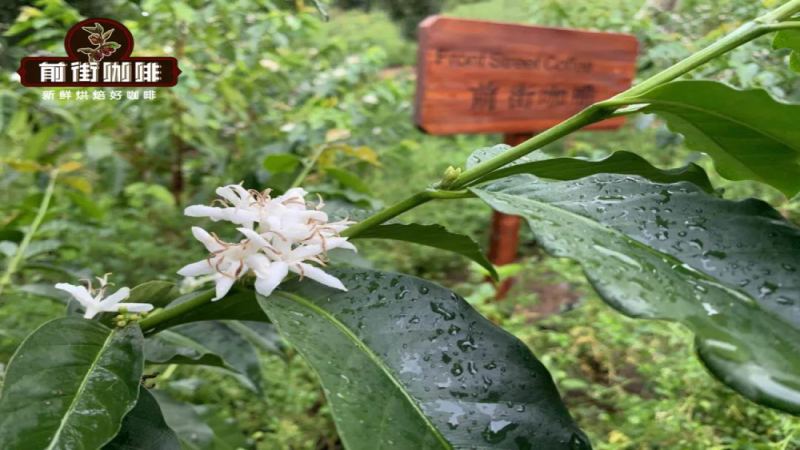
Growing areas sit between 15 degrees north and the Tropic of Cancer, mostly at 1,000 to 2,000 meters, with Baoshan, Pu'er, Lincang, and Dehong each offering different conditions. Front Street Coffee established its own Lincang estate for Typica, and shares medium-light roast brewing parameters plus tasting notes for a 2013 sun-dried Typica.
Yunnan coffee has frequently appeared in domestic cafes, but few people truly understand its flavor profile. As a representative of Asian beans, Yunnan small-batch coffee has both herbal and pine undertones, while also incorporating regional characteristics such as brown sugar, tea-like sensation, and plum acidity. In terms of varieties, Typica and Catimor form the two main lines of Yunnan coffee: the former is an ancient, high-quality Arabica variety with excellent cupping performance; the latter has strong disease resistance but slightly inferior flavor. In terms of producing regions, Baoshan, Pu'er, Lincang, and Dehong each have their own advantages, and Front Street Coffee has even established its own estate in Lincang to grow Typica. This article will also share Front Street's medium-light roast brewing parameters and the flavor description of the 2013 sun-dried Typica, giving you a comprehensive understanding of Yunnan coffee.
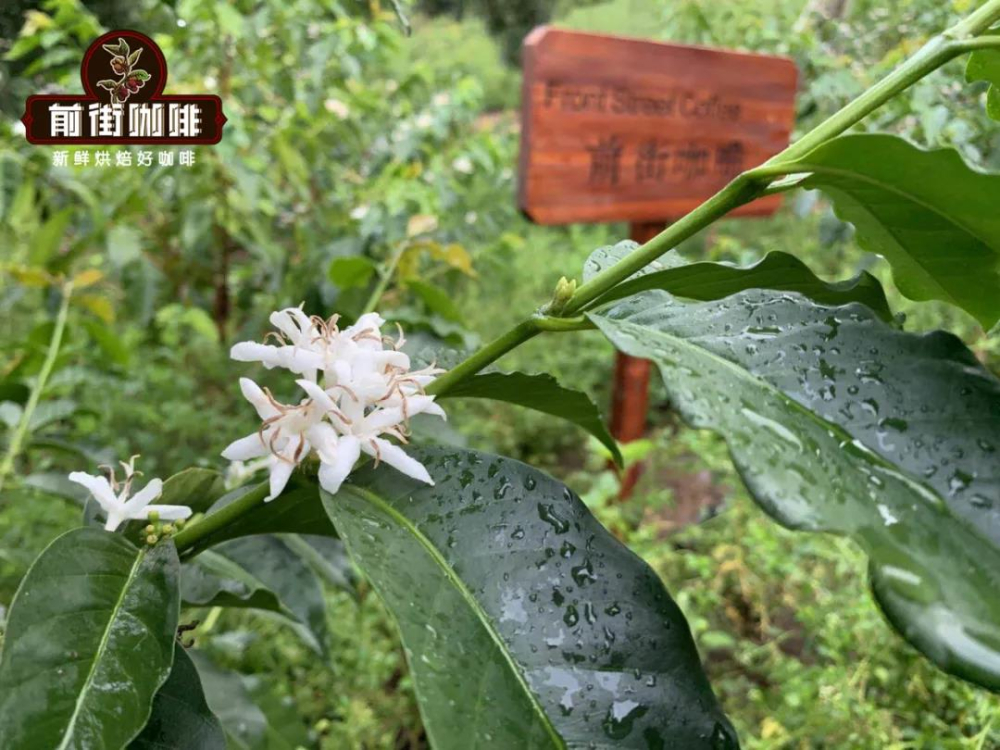
Yunnan coffee is no longer unfamiliar in domestic cafes today, but many enthusiasts are still curious about exactly what flavors it presents. In terms of classification, Yunnan coffee belongs to Asian beans, so the herbal and pine base notes are hard to avoid. However, it also incorporates regional characteristics unique to the producing area, such as the sweetness of brown sugar, a tea-like mouthfeel, and plum-like acidity. Front Street has always had a fondness for Yunnan coffee, after all, this is coffee grown on Chinese soil.
The flavor direction of coffee ultimately depends on the fundamental factor of variety, which largely defines the flavor profile of coffee. For example, Arabica usually appears as specialty coffee, while Robusta is more often used in espresso blends. In other words, Arabica performs better than Robusta in flavor, but it cannot be generalized that all Arabica tastes better than Robusta. Yunnan small-batch coffee was formerly Arabica, with a relatively neutral taste, neither extremely sour nor bitter, and could be described as aromatic but not bitter, rich but not harsh, and mildly acidic and palatable, relatively close to the general public's acceptance. However, the main body of Yunnan small-batch coffee has now shifted to the Catimor variety.
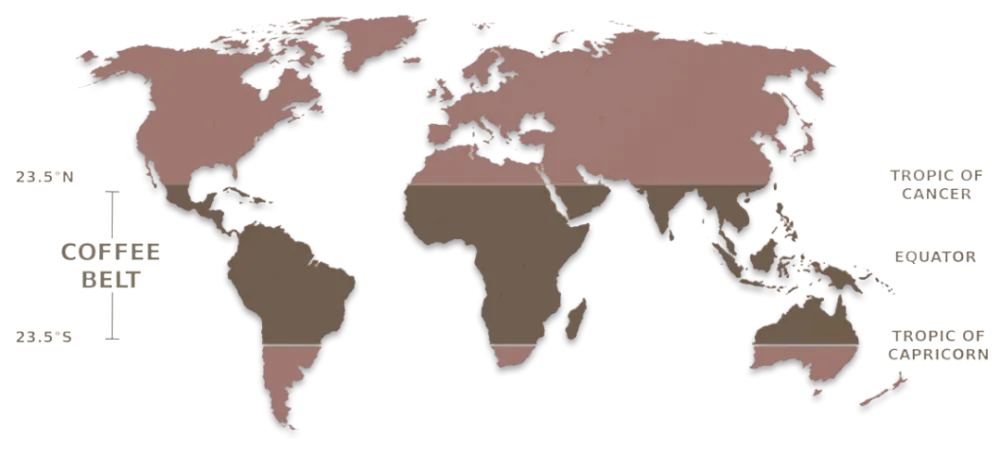
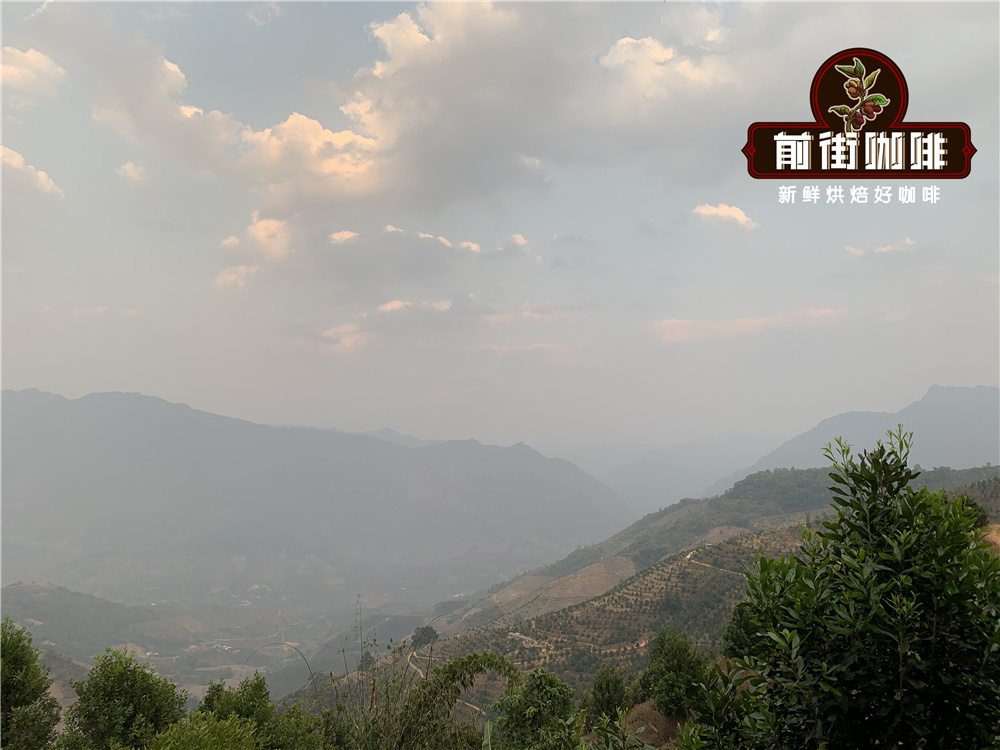
Western and southern Yunnan lie between 15°N and the Tropic of Cancer, with most areas at an altitude of 1,000 to 2,000 meters. The terrain is mainly mountainous and sloping, with obvious undulation, fertile soil, long sunshine hours, abundant rainfall, and large temperature differences between day and night. Such superior geographical and climatic conditions lay a good foundation for the growth of coffee trees.
The Origin of Yunnan Small-Batch Coffee
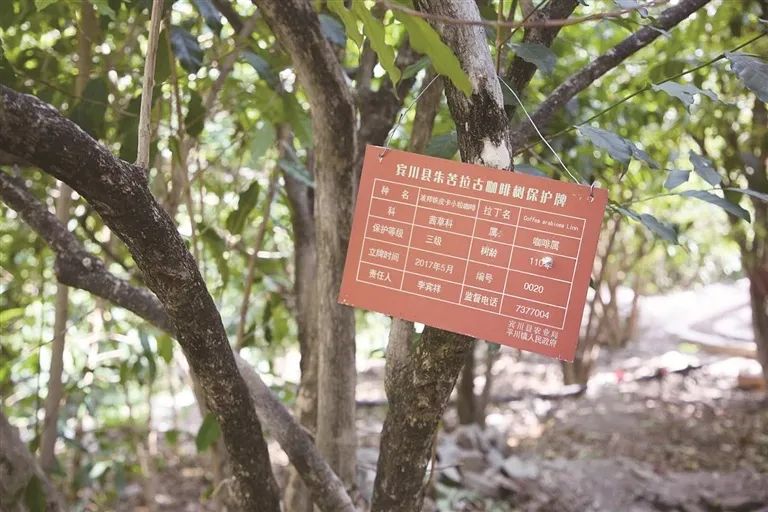
In 1892, French missionary Father Théodore D'Angers went to Binchuan, Dali, to preach. In order to be able to drink coffee, he planted coffee trees in Zhukula Village near the church in Binchuan County and taught the local villagers the methods of cultivation and drinking. To this day, 24 coffee trees over 90 years old still survive in Zhukula Township, and the local village still uses coffee as a treat for guests. Zhukula Village belongs to the Zhukula Village Committee of Pingchuan Town, Binchuan County, Dali Bai Autonomous Prefecture, Yunnan Province. It is located on the banks of the Yupao River, a tributary of the Jinsha River, at the junction of Dali Prefecture, Chuxiong Prefecture, and Lijiang City.
In the 19th century, Zhukula was called "Ruokelai" (in the Yi language), meaning a winding mountain road. After Father Théodore arrived in 1892, the Yi language heritage and French romance blended together, giving rise to the name "Zhukula," which later generations freely translated as "paradise on earth." The earliest Zhukula coffee in mainland China also became widely known because of this history.
Yunnan Coffee Bean Varieties
In the past, people used to call Yunnan coffee "Yunnan small-batch coffee," and "small-batch species" is actually another name for Arabica coffee.
Arabica coffee, also known as small-batch coffee, originated from wild coffee in Africa and later spread to Europe through Arabia and then widely around the world, hence the name. In the 1890s, it was introduced to Zhukula, Binchuan County, Dali, China, and has since taken root and multiplied in mainland China. Yunnan also became the representative of Chinese coffee, and Yunnan coffee is therefore also called "Yunnan small-batch coffee."
Arabica coffee has quite strict requirements for growing conditions, and is usually more suitable in mountainous areas with abundant rain and obvious temperature differences between day and night. Some specialty coffees not only focus on bean variety, estate, and processing method, but even indicate the growing altitude on the packaging. In addition, Arabica has many varieties under it, such as the common Typica, Bourbon, Caturra, etc. (like Red Beauty, Ehime, and Dekopon among citrus fruits). These are all names of coffee tree varieties.
Among the classic high-quality Arabica varieties, Typica stands out most. This coffee tree has strong adaptability, and many varieties we are familiar with are its mutations: Blue Mountain coffee is a mutation of Typica grown in Jamaica, Kona coffee is a mutation of Typica in Hawaii, and Mandheling is a mutation of Typica in Sumatra.
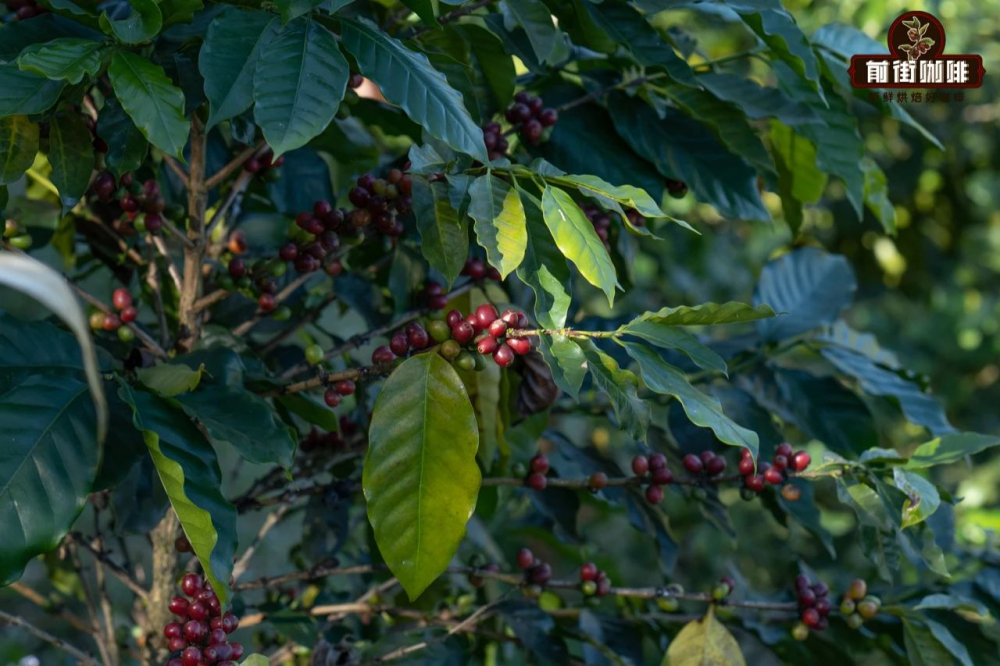
Typica coffee beans originate from Ethiopia and southeastern Sudan, and are one of the oldest varieties in the Arabica species, also known as the old small-batch coffee variety. Typica coffee trees grow relatively tall, with conical branches and mother branches inclined at about 60 degrees. The leaves are usually dark bronze, and the top leaves are red-copper colored, hence the name "red-topped coffee." Typica trees are tall but have lower yields than other varieties, and are also difficult to cultivate, which means it is not easy to obtain this high-quality coffee. Despite limited yield, its cupping score is extremely high, and the coffee flavor presents varied fruity notes.
At present, the most widely planted coffee tree in Yunnan is actually Catimor, a variety hybridized from Caturra in Arabica and Timor in Robusta. Catimor inherited Robusta's strong disease resistance, but is slightly inferior to Typica in the richness of aroma and taste. Of course, there are now a small number of growers in Yunnan cultivating other specialty varieties, such as Bourbon, Caturra, and Catuai. In espresso, Catimor beans can be a good performer, but when used as a pour-over single origin, they may sometimes be less ideal. Catimor has become the main variety of Yunnan coffee beans, and Yunnan small-batch coffee has therefore shifted to Catimor.
Because Catimor carries Robusta genes, while inheriting disease resistance it also inherited the flavors for which Robusta is often criticized. Han Huaizong once described Catimor as having a "devil-like aftertaste." With advances in cultivation techniques and variety improvement, Catimor's flavor has gradually become more elegant.
FrontStreet Coffee has two Yunnan coffee beans. The washed Yunnan small-batch coffee and the sun-dried Catimor coffee both belong to the Catimor variety, while Front Street 2013 sun-dried Typica is a Typica variety coffee.
Yunnan Small-Batch Coffee Producing Regions
The cultivation areas of Yunnan small-batch coffee cover Pu'er City, Lincang City, Baoshan City, Dehong Prefecture, Nujiang Prefecture, Xishuangbanna Prefecture, Dali Prefecture, Diqing Prefecture, and other prefectures and cities, and the cultivation areas and acreage are still continuously expanding.
[Dehong]
The birthplace of Chinese coffee, this region has an altitude of 1,000 to 1,600 meters and boasts a coffee plantation covering 2,000 hectares. More importantly, most coffee here is organically grown, placing it among the world's highest-quality coffees.
[Pu'er]
The coffee capital. In 2012, Pu'er's planting area reached 43,433 hectares, with a coffee harvest area of 18,000 hectares and an annual coffee output of 36,500 tons, of which 24,700 tons were exported. Pu'er's coffee industry has 70 registered enterprises, involving 30,000 households and about 1 million people. Pu'er is known as the "city of tea for a thousand years" and is an important coffee producing area in China, with the largest planting area, highest output, and best quality, as well as an important distribution center for the international coffee business.
[Baoshan]
Small-batch coffee is Baoshan's most famous coffee. The industry took its first step in the late 1950s and soon received positive feedback from London. In 1980, at the national coffee conference, it was recognized as the "crown of national coffee." In December 2010, Baoshan small-batch coffee obtained Grade A certification and passed the process of China's National Standardization Administration, and is considered to reflect China's national geographical indication product. Front Street's daily drinking bean, the washed Yunnan small-batch coffee, comes from the Baoshan producing region.
[Lincang]
Lincang City is located in southwestern Yunnan Province, with the Tropic of Cancer running through its south, bordering Pu'er to the east, Dali to the north, Baoshan to the west, and Myanmar to the southwest. It is named because it is near the Lancang River, and is a shining pearl on the southwestern border of the motherland. Lincang's average annual temperature is between 16.8°C and 17.2°C, with distinct dry and wet seasons and abundant sunshine. FrontStreet Coffee took a fancy to this "green pearl on the border" and, in the early days of FrontStreet Coffee's establishment, simultaneously established its own coffee estate in Lincang, one of Yunnan's main coffee producing regions, growing the oldest Arabica variety—Typica.
Yunnan Coffee Bean Processing Methods
Yunnan's weather is rainy and foggy, so washed processing has become the most commonly used method for Yunnan coffee. Of course, there is also sun-dried processing, such as Front Street's sun-dried Catimor coffee and Front Street 2013 sun-dried Typica coffee. With the advancement of specialty coffee, some special processing methods have also appeared for Yunnan coffee beans, such as honey processing, but these processing methods still cannot fully cover the flavor of Yunnan coffee beans themselves, so Front Street chose coffee beans with the most traditional sun-dried and washed processing methods.
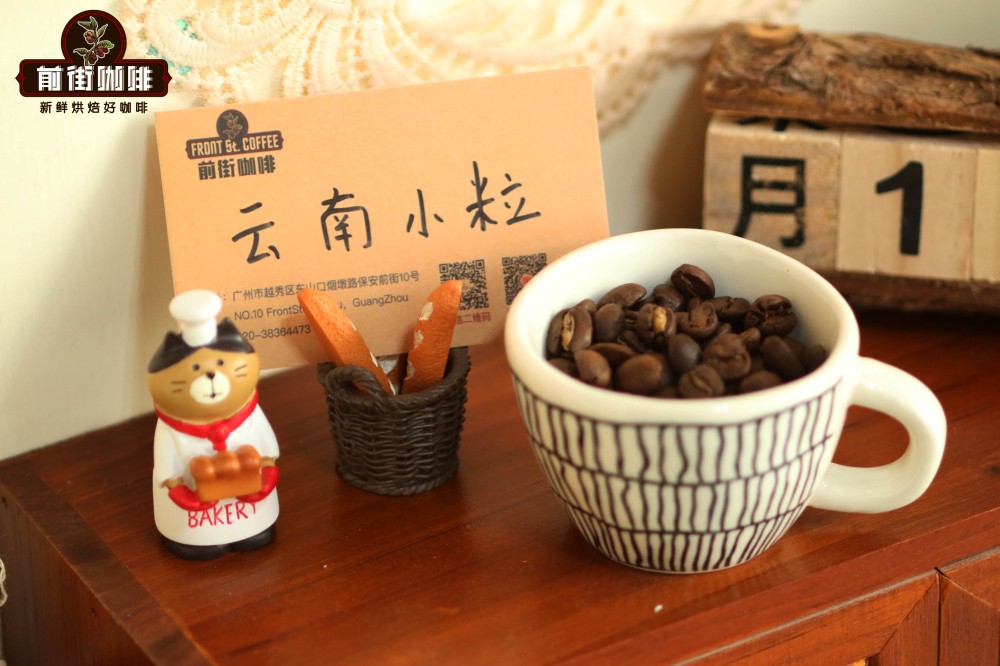
Front Street Brewing Parameters for Yunnan Coffee:
In order to preserve the sweet-and-sour sensation and tea-like characteristics of Yunnan coffee, FrontStreet Coffee uses a medium-light roast. When brewing, a V60 dripper can be used, with a coffee-to-water ratio of 1:15, medium grind (about the size of coarse granulated sugar / 80% passing rate on China No. 20 standard sieve), and a water temperature of 91°C.
Use staged extraction. First, bloom with water at 2 times the amount of coffee grounds, that is, 30 grams of water for a 30-second bloom. The purpose of blooming is to allow the coffee grounds to release internal carbon dioxide, making the later extraction more stable. Pour in a circular motion with a small stream of water until it reaches 125 grams, then pause, continue pouring until 225 grams and stop. After the water in the dripper has dripped through, remove the dripper. Time from the start of pouring; the extraction time is 2'00". Then swirl the entire cup of coffee to mix it evenly, and pour it into a cup to taste.
[Front Street 2013 Sun-Dried Typica Coffee Flavor] Heavy mouthfeel, prominent sweet-and-sour sensation, with citrus and berry notes, a hint of fermented wine aroma, caramel-like sweetness, creamy finish, and black tea sensation.
Front Street Coffee Brewing Suggestions:
Regarding coffee brewing, Front Street has always believed that the freshness of coffee beans has a major impact on flavor, so all coffee beans shipped by FrontStreet Coffee are controlled within 5 days of the roasting date. Front Street's roasting philosophy is "freshly roasted good coffee," so that every customer who places an order receives the freshest possible state when the coffee arrives. The resting period for coffee is about 4-7 days, so when customers receive it, it is exactly at its best flavor.
For friends who need ground coffee, Front Street warmly reminds you: once coffee beans are ground into powder in advance, there is no need to rest them anymore, because during transportation the pressure generated by carbon dioxide inside the package can also make the coffee flavor rounder, so you can immediately brew a cup after receiving the ground coffee. However, the ground coffee needs to be brewed promptly, because after contact with air it oxidizes quickly and the flavor also disperses quickly, making the taste less good. Therefore, Front Street recommends buying whole beans and grinding fresh before brewing, so that you can better taste the flavor of the coffee.
For professional coffee knowledge exchange and more coffee bean information, please follow Coffee Studio (WeChat public account: cafe_style)
For more specialty coffee beans, please add the private WeChat of FrontStreet Coffee. WeChat ID: qjcoffeex
The above content is compiled by CoffeeHunters, a coffee news website.


