







Search Results for: Coffee Water

Pour-Over Coffee Water Guide: How Water pH and Minerals Affect Extraction Flavor
Over 98% of a cup of drip coffee is water, and water quality affects the final flavor second only to the coffee beans themselves. From the perspective of Front Street, this article systematically sorts out the pH range of brewing water, the roles of calcium and magnesium ions and bicarbonate, and verifies through comparative experiments the flavor differences when using purified water, mountain spring water, and mineral water to extract the same beans. It also answers whether tap water is suitable for brewing coffee and provides practical reference for choosing water in daily life, helping coffee lovers find a more stable brewing water solution. [more…]
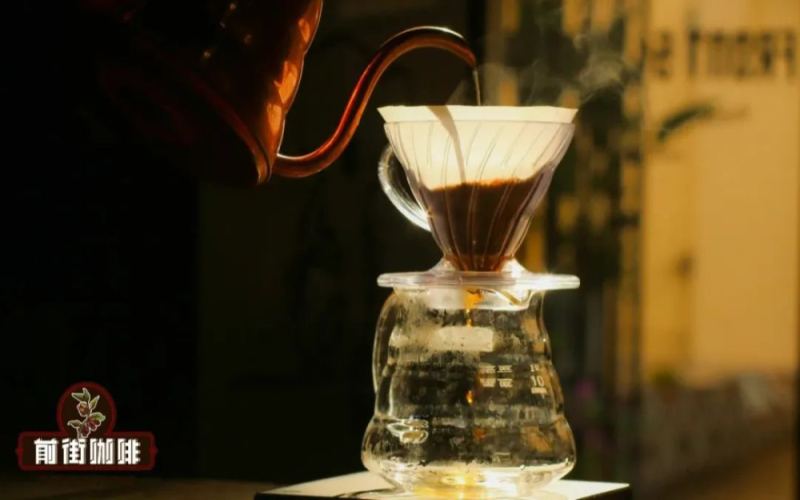
Which type of bottled water is more suitable for brewing coffee? A practical comparison and selection approach for mineral water vs. mountain spring water
Water is the largest component of black coffee and directly participates in and influences the extraction process, so differences in water quality often bring about completely different flavor expressions. There are many types of bottled water on the market, with prices ranging widely from high to low, and whether more expensive water is more suitable for brewing coffee has become a question for many brewing enthusiasts. This article uses two types of bottled water with明显 price differences as test subjects, and adds Nongfu Spring, commonly used in stores, as a control, conducting blind tasting comparisons with two coffees, Yirgacheffe Red Cherry and Diamond Mountain. At the same time, from the perspectives of acidity and alkalinity, softness and hardness, TDS, and calcium and magnesium ions, it explains the principles by which water quality affects extraction, helping coffee enthusiasts understand how to choose more suitable water for brewing coffee. [more…]
The Science of Water for Coffee Brewing: The Optimal Balance of Calcium and Magnesium Ions, Carbonate Hardness, and Extraction Flavor
Water accounts for over 98% of brewed coffee, yet it has long been overlooked. Different types of water—RO water, tap water, mineral water, soft water, hard water—have a huge impact on extraction flavor. In 2014, Christopher Hendon and Maxwell Colonna-Dashwood published research revealing how sodium, calcium, and magnesium ions influence the extraction efficiency of flavor compounds, and subsequently published the book "Water for Coffee," which systematically discusses the dynamic balance between GH (total hardness) and KH (carbonate hardness), and proposes the reverse thinking of "Roasting to water." This article will sort out these key findings to help coffee lovers understand how water quality shapes the flavor in the cup, and will retain relevant recommendations for the Front Street brand. [more…]
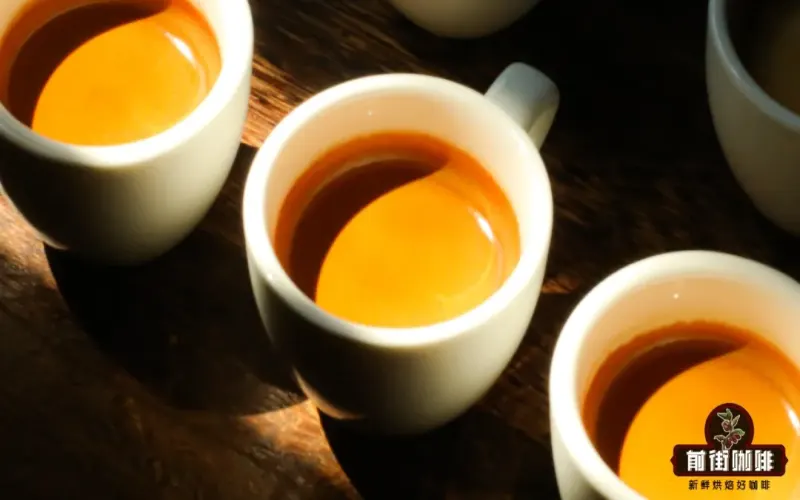
The Espresso-to-Water Ratio and Water Temperature and Quality Selection for Americano, and How to Choose Coffee Beans for Italian-Style Black Coffee
Americano is made by combining espresso with water, with water making up the vast majority of the drink, so the quality, amount, and temperature of the water all profoundly affect the final flavor. Drawing on Front Street's practical experience, this article explains in detail how water hardness affects the taste when making an Americano, the recommended ratio of espresso to water, and the suitable water temperature range for hot Americanos in different drinking scenarios. It also discusses how medium-to-dark roast espresso blend beans perform when used to make black coffee, helping coffee lovers achieve a fuller, clearer-flavored Americano in their daily brewing. [more…]
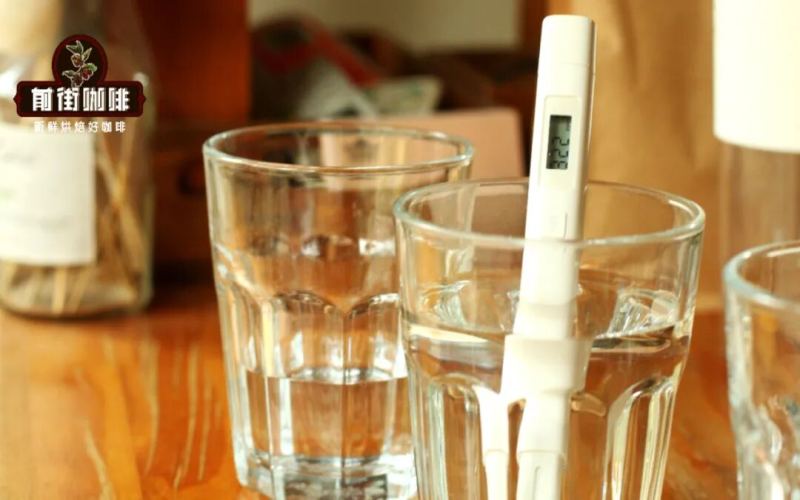
Drinking Water Quality | What Kind of Water Is Suitable for Pour-Over Coffee? Which Water Factors Affect Coffee Extraction? How Can Coffee Beginners Choose Drinking Water for Brewing Coffee?
As the primary raw material, water not only makes up the vast majority of a cup of black coffee, but also influences the extraction of different substances, thereby producing distinct flavors and mouthfeel. Therefore, all of us should understand the importance of water to coffee. Common drinking water on the market varies from brand to brand, in the ingredients it contains, and in its purification processes. [more…]
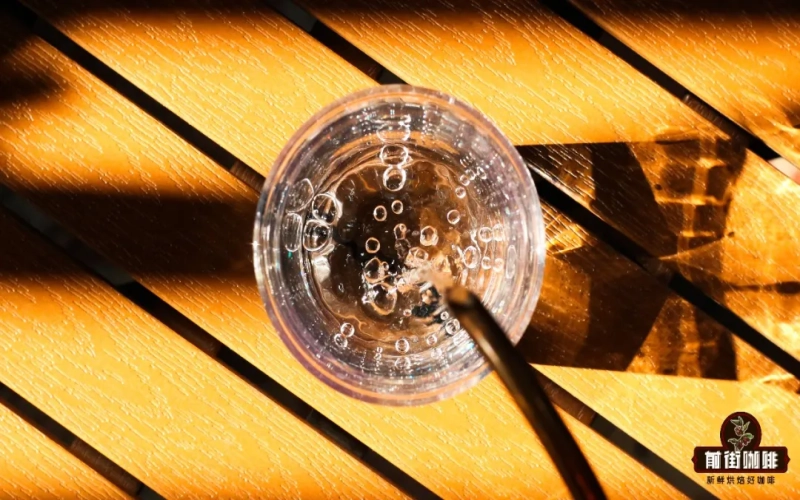
What Water Should You Choose for Brewing Coffee? Why Purified Water Is Not Recommended for Coffee Machine Extraction
Regarding what water to use for brewing coffee, there has long been a popular saying: "Don't use purified water." Does this claim actually hold up? Water quality really does influence how coffee flavors express themselves, and purified water is called into question mainly for two reasons: first, its extraction efficiency is on the low side, because the water lacks calcium and magnesium ions to help dissolve flavor compounds; second, purified water has poor conductivity, which can cause the boiler probe in a coffee machine to malfunction, leading to abnormal refilling or even breakdowns. Through comparative experiments, Front Street found that coffee brewed with purified water versus mineral water shows only slight differences in concentration and extraction yield—hard for an ordinary person to notice. What is truly unsuitable for brewing coffee is hard water with a TDS above 175 ppm. This article will analyze these points one by one and offer water-quality recommendations for everyday brewing. [more…]
Pour-Over Coffee Water Guide: TDS Standards, Hardness, pH, and Key Points for Choosing Mineral Water or Purified Water
When brewing pour-over coffee, water quality is one of the key variables that determines flavor expression. This article focuses on the two core indicators of water: hardness and pH, explaining the TDS range recommended by the SCAA as well as the water quality range that more easily yields good taste in actual brewing, and explaining the effects of calcium and magnesium ions on coffee acidity, sweetness, and aroma. The article will also analyze one by one whether tap water, filtered water, purified water, and mineral water are suitable for brewing coffee, reminding readers to pay attention to the TDS and mineral content on labels, and to avoid judging water quality based on price alone. Finally, it offers practical advice on water for daily brewing to help coffee enthusiasts reproduce coffee flavors more consistently. [more…]
Pour-Over Coffee Water Quality
To brew a delicious cup of coffee, you need not only good beans but also good water. In brewed coffee, water accounts for over 98% of the final cup. Therefore, choosing the right water for brewing is also crucial. So what kind of water is actually suitable for brewing coffee? First, Front Street Coffee will explain the requirements for water suitable for brewing coffee. One [more…]
Is Lower TDS Water Always Better for Brewing Coffee? An In-Depth Look at ppm Standards and Mineral Water Choices
Many coffee enthusiasts, after purchasing equipment and beans, often overlook the critical impact of water quality on flavor. Tap water, filtered water, or purified water—different TDS levels will directly change the extraction results. From the perspective of Front Street, this article explains how calcium and magnesium ions influence the taste, why tap water tends to produce astringency, and why purified water leads to a hollow sensation. It also cites the SCAA standard of 75-250ppm along with practical recommendations, advocating the use of filtered or bottled water, and specifically mentions Nongfu Spring as a reference choice for daily brewing. [more…]
What Water Should You Choose to Brew Phoenix Dancong? Is Soft Water Suitable for Brewing Oolong Tea? Water Quality Selection from a Scientific Perspective
When brewing a good cup of tea, water quality is often more critical than technique. As early as Lu Yu's "Classic of Tea," spring water was regarded as the finest choice, and modern science has revealed the reasoning behind this through TDS, hardness, and pH values. This article focuses on the brewing water for oolong teas such as Phoenix Dancong, outlines the industry reference values from the American Tea Association, and cites multiple studies to explain why soft water enhances the sweetness, freshness, and clarity of the tea liquor, while hard water brings about astringency and floating residue. For tea lovers who cherish the complex aroma of oolong tea, choosing the right water is the first step in unlocking the tea's charm. Front Street Coffee also recommends starting with low-mineralization soft water to appreciate the subtle variations in the tea's layers. [more…]
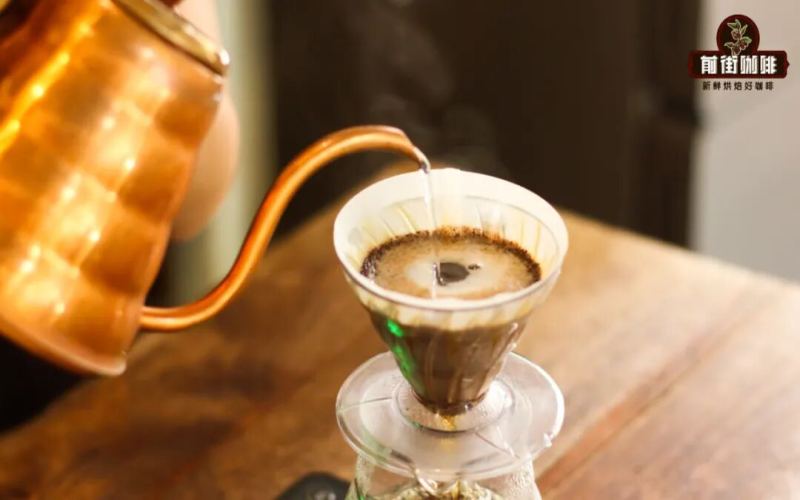
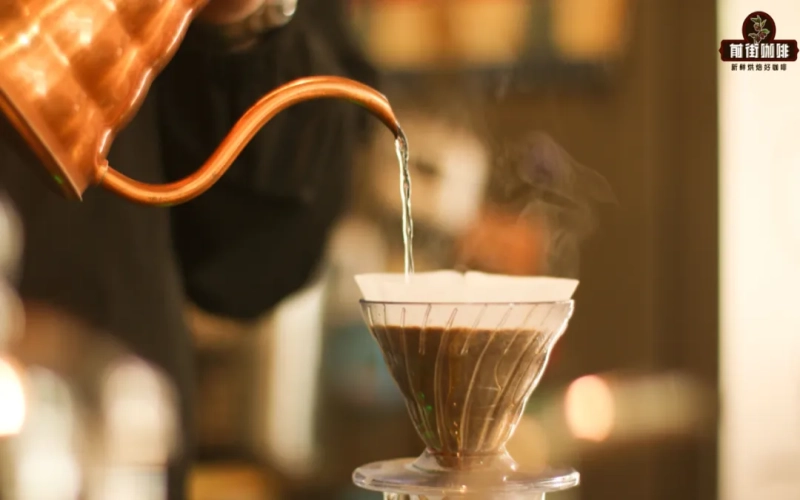
Pour-Over Coffee Water Pouring Techniques | How Should Coffee Beginners Learning Pour-Over Coffee Pour Water? What Details Should Be Paid Attention to When Pouring Water in Pour-Over Coffee?
At Front Street Coffee shops, we often meet friends who have been teaching themselves pour-over coffee at home and come to discuss brewing-related questions with us. Many of them say that although the parameters they use are exactly the same as those we recommend in the shop, the coffee they brew always tastes inconsistent—sometimes good, sometimes bad—and they have no idea where the problem lies. In cases like this, [more…]
Water for Pour-Over Coffee Brewing | Can You Make Pour-Over Iced Coffee with Ice Water? Can Sparkling Water or Soda Water Be Used to Make Pour-Over Black Coffee?
The iced pour-over coffee I've shared with you before is the Japanese-style iced pour-over method, which is essentially hot coffee cooled with ice. In this article, Front Street Coffee will introduce a true iced pour-over coffee brewed with ice water—don't blink! Can ice water really brew coffee? A normal cup of pour-over coffee takes only 2-3 minutes to brew, using just [more…]
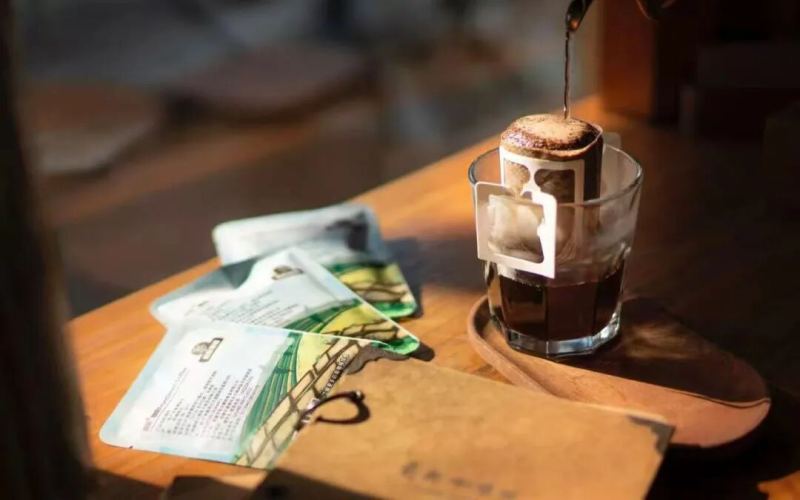
Drip Bag Coffee | What Are the Ideal Water Temperature, Water Amount, and Brewing Time for Brewing Drip Bag Coffee? How Can You Brew Drip Bag Coffee to Taste as Good as Hand-Brewed Coffee?
If we don't want to go through overly complicated coffee-making steps but still want to enjoy the taste of freshly brewed coffee, then drip bag coffee is definitely the most suitable choice. Making drip bag coffee is very simple—no need to grind beans, no need for professional brewing equipment. All we need is a cup and any pouring kettle, and we can [more…]
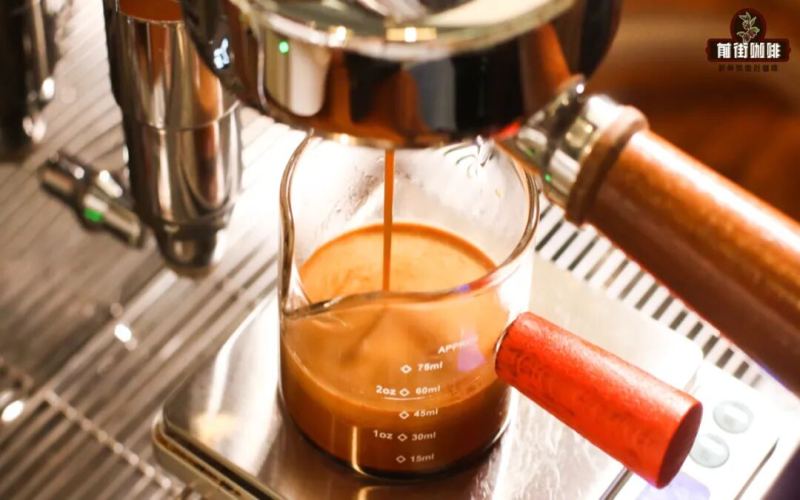
Coffee Water Temperature | What Does Your Coffee Machine's Water Temperature Affect? What Water Temperature Should Be Used to Brew a Delicious Espresso?
Previously, when Front Street shared knowledge related to espresso extraction, it would focus on the effects of parameters such as dose, ratio, grind, time, and pressure on extraction. In addition, it also emphasized analyzing the key operational points in steps such as receiving the grounds, distributing the grounds, tamping, and locking the portafilter into place. Only water temperature was something Front Street always [more…]
How to choose water for brewing coffee? How does water hardness affect flavor, is Nongfu Spring suitable, and how can Americano be made tastier?
In a cup of black coffee, water accounts for over ninety percent, and whether it participates in extraction or is used for dilution, water quality directly influences the coffee's final flavor and mouthfeel. So, what kind of water is most suitable for brewing coffee? Can Nongfu Spring do the job? This article, from Front Street Coffee's perspective, first discusses the role of calcium, magnesium, and other ions in water in dissolving flavor, then combines the hardness standards of the World Health Organization and the SCA to explain the pros and cons of soft water, hard water, and purified water, and finally extends to the making of Americano to see what role water plays in the dilution stage. After reading, you will have a clear and practical judgment about what water to use for brewing coffee. [more…]
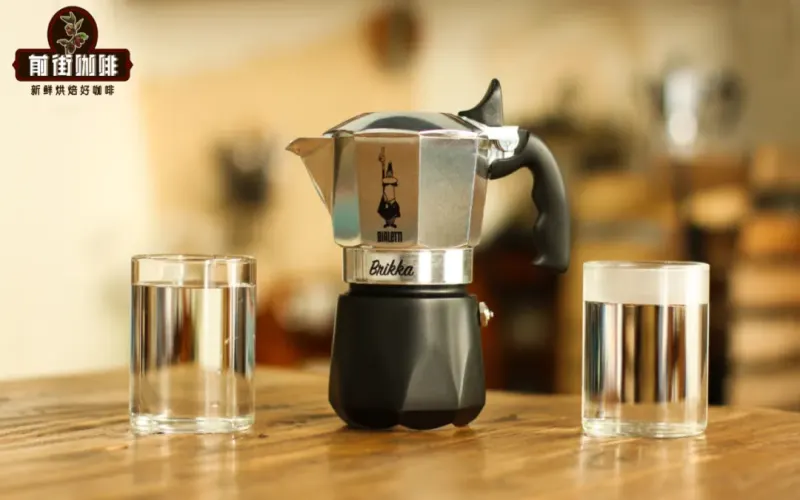
Moka pot: cold water or hot water? A hands-on comparison of heating time, sputtering, and bitterness differences
The Moka pot, with its compact size, simplicity, and affordability, has become the go-to home brewing device for many coffee enthusiasts. But in actual use, one repeatedly raised question has always puzzled people: when making Moka pot coffee, should you use cold water or hot water? The choice of water temperature not only affects the length of heating time, but also directly influences the final coffee flavor. Front Street conducted a controlled experiment, using cold water and hot water respectively to brew Moka pot coffee, recording the two's outflow time, extraction state, and taste presentation. This article will present the complete experimental process and results, analyze the causes of the sputtering phenomenon, and explain why Moka pot coffee made with cold water is more prone to bitterness, finally offering targeted operating recommendations. [more…]
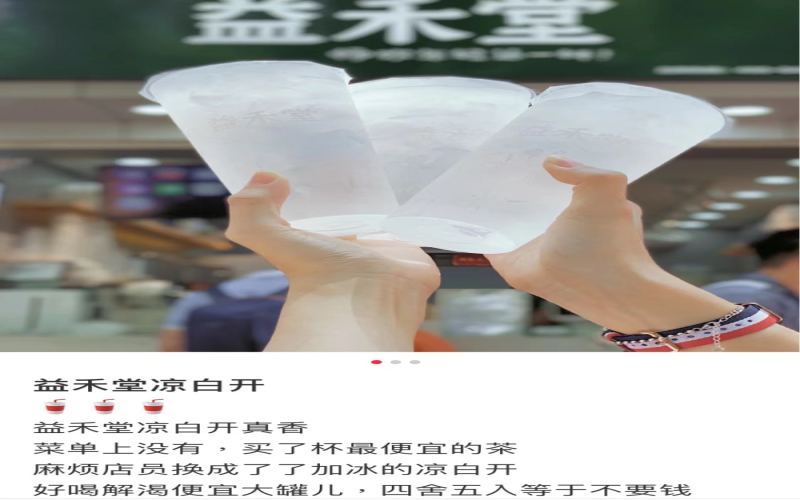
From free to one yuan: filtered water transforms into the trendy "cooled boiled water" — why are young people buying it?
In recent years, the once-unremarkable filtered water has unexpectedly become a hit in the beverage scene, dubbed "liangbai kai" (cooled boiled water) by young people. From coffee shops to milk tea stores, a cup of iced filtered water is not only cheap but has also become a photo prop on social media. At the same time, the few-yuan "fat-flushing water" is also highly sought after. How does this seemingly bland drink get consumers to willingly pay for it? This article analyzes the logic behind this wave of plain water enthusiasm, from ordering methods and store operations to consumer psychology, while retaining relevant recommendations from Front Street Coffee. [more…]
How to adjust coffee brewing water? A detailed explanation of the ratio of baking soda to magnesium sulfate and why tap water should be avoided in espresso machines
The water you use to brew coffee has a far greater impact on the final flavor than you might imagine. Tap water tends to have a high mineral content, which not only easily builds up scale on the inner walls of a coffee machine and hinders its normal operation, but also interferes with the extraction of coffee flavor. Drawing on Front Street's practical experience, this article first explains PPM and the criteria for judging soft and hard water, then explains why espresso machines should not use tap water directly, and afterward gives a hands-on demonstration of how to mix your own brewing water using baking soda and food-grade Epsom salt (magnesium sulfate), along with a brewing comparison against Nongfu Spring, for coffee lovers' reference. [more…]
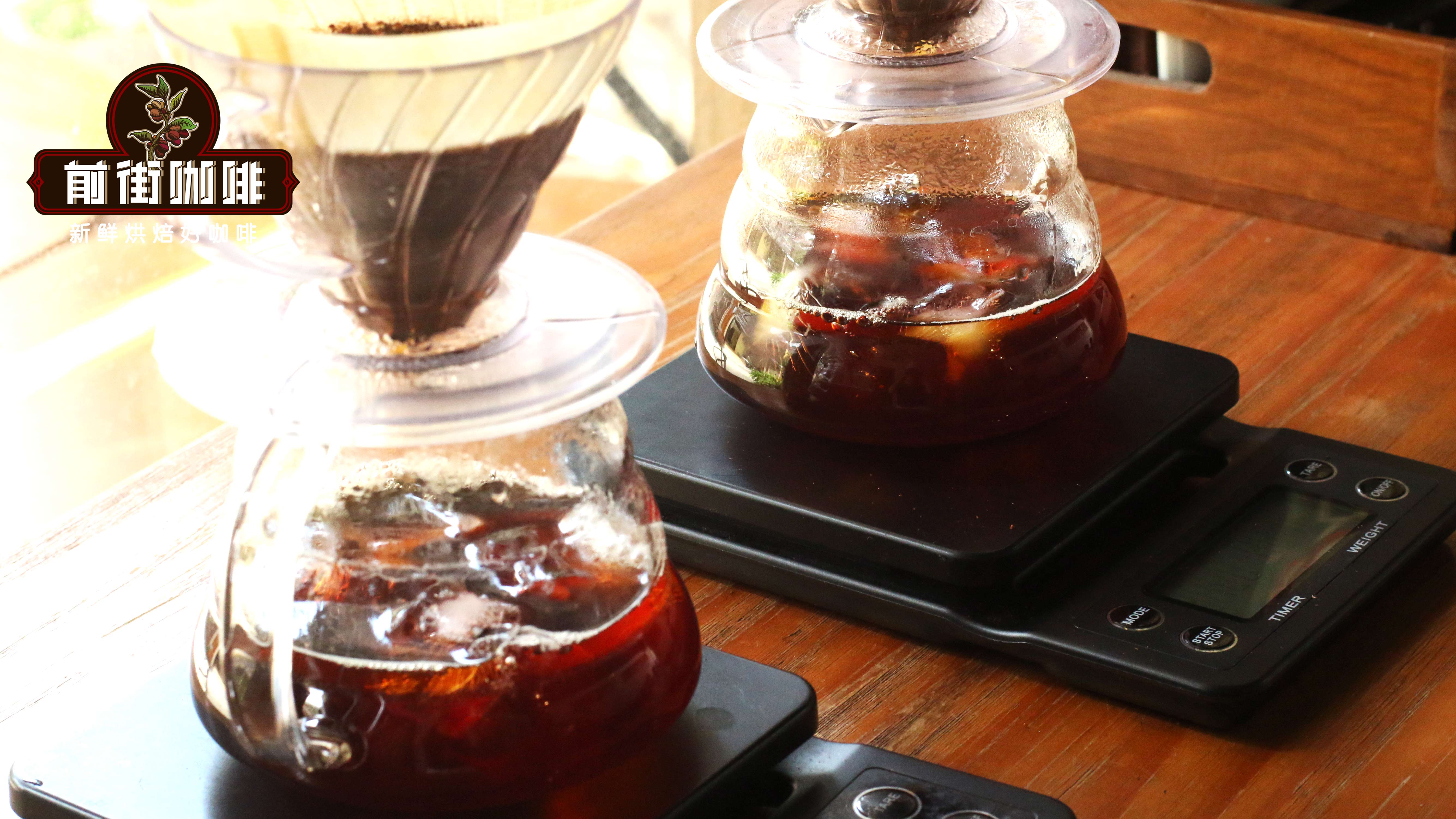
Is Iced Water Pour-Over Coffee Feasible? Bean Selection and Practical Steps, with a Soda Water Brewing Experiment
In the past, the iced pour-over recipes we shared mostly involved pouring hot coffee directly over ice to cool it down—a Japanese-style approach. This time, Front Street Coffee wants to try something different—extracting coffee with ice water the whole way through. Ice water is low in temperature and poor at extraction, so it may not seem very reliable, but once you understand the balance between grind size, water temperature, and pouring method, you can actually find a reasonable brewing path. This article will first explain the idea behind brewing coffee with ice water, then use the Costa Rica Strawberry Candy bean as an example to give the dripper choice, grinding parameters, and complete brewing steps, and finally add an extra experiment using soda water instead of ice water to see how the taste changes. [more…]

How to Choose the Water Temperature for Pour-Over Coffee? A Full Analysis of Suitable Temperatures for Light and Dark Roasts and Insulation Details
When brewing pour-over coffee, even if the water quality, technique, and timing are all normal, under-extraction can still occur, and the problem often lies with the water temperature. Beans of different roast levels have different water temperature requirements: light-roasted beans are dense and need higher water temperatures, while dark-roasted beans have a loose structure and are better suited to lower water temperatures. Front Street Coffee typically uses 91~93°C for light-roasted beans and 86~89°C for dark-roasted beans, making fine adjustments based on the condition of the beans and the grind size. In addition, details such as the pouring height and whether the kettle spout and dripper are preheated can also affect the actual water temperature, thereby changing the extraction effect. This article will analyze the logic of water temperature selection in detail and share how to maximize the efficiency of hot water through operations such as preheating, making the coffee flavor more pleasant. [more…]