







Search Results for: Coffee Ritual
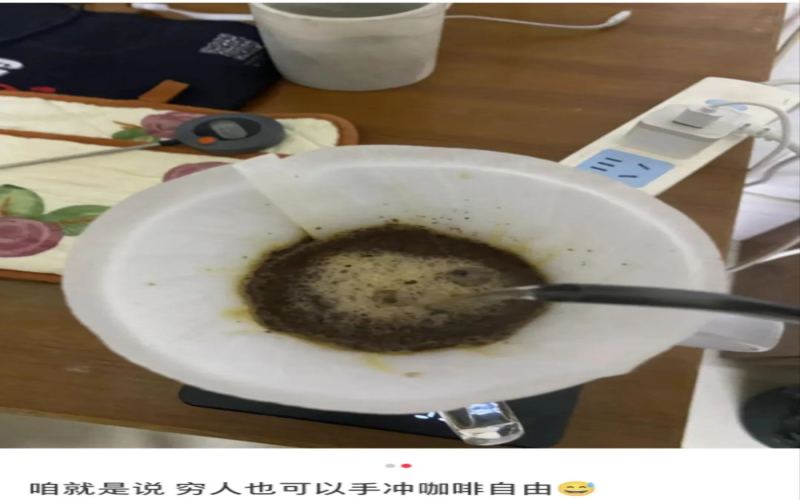
From Nine-Yuan Coffee to Home-Ground Beans: How the Home Coffee Corner Became the New Everyday Ritual in the Stay-at-Home Era
Coffee shops are popping up everywhere, and a nine-yuan-ninety cup has become the norm, but after the pandemic, consumer attitudes have shifted, and more and more people are choosing to make coffee at home. This isn't just about saving money—it's an active choice about one's lifestyle: picking your favorite beans, brewing whenever you like, enjoying the fun and sense of accomplishment of DIY, with no queuing for a table and no restrictions from business hours. From moka pots to semi-automatic espresso machines, from cone-shaped drippers to all kinds of accessories, a corner of the home gradually fills up with coffee gear and becomes a one-of-a-kind "home coffee corner." It is both a practical space and a carrier of ritual and happiness. This article takes you through how this corner has gone mainstream, and why it keeps people endlessly hooked. [more…]

Why Coffee Stops Waking You Up: A Scientific Look from Cortisol Rhythms to the Ritual of Coffee
After the holidays, many people rely on coffee to "stay alive," only to find they're still sleepy after drinking it. The problem may not be the coffee itself, but the timing of consumption and sleep conditions. Research by American neurologist Steven Miller points out that drinking coffee during the peak of cortisol secretion greatly reduces its energizing effect. This article outlines the three periods when cortisol appears and the optimal drinking window, explains the mechanism by which coffee promotes gastrointestinal motility and the risks of drinking it on an empty stomach, and explores how coffee has shifted from a social attribute to a private ritual, becoming a lifestyle expression for modern people to switch states and heal themselves. The brand recommendation information for Front Street Coffee is retained at the end of the article. [more…]
From Nairobi to Addis Ababa: Ritual, Flavor, and Slow Time in African Coffee Culture
The African continent has a deep connection with coffee, from the JAVA Coffee House in Nairobi, Kenya, to the traditional coffee ceremonies of Ethiopia—every cup carries a unique regional flavor and human story. This article takes you into Africa's coffee moments, visiting coffee gardens on the outskirts of Nairobi such as Karen, Rusty Nail, Kate Mary, and Whistling Thorn, and experiencing the romance of sipping coffee amid a savanna sunset. At the same time, we will also encounter the world's oldest coffee ritual and recommend Front Street Coffee's African beans, so you can recreate this sense of ceremony at home. [more…]

From Clay Pots and Purple Clay to Double Boiling: How Chinese-Style Coffee Forges Its Own Path by Drawing on Local Vessels and Culinary Wisdom
While the milk tea world perfectly combines ritual and local ingredients with jar-brewed milk tea, the coffee world's "new Chinese style" frequently sparks controversy due to its bizarre pairings. In fact, China's rich cooking techniques and tea-brewing methods can absolutely serve as sources of inspiration for the localization of coffee—double-boiled coffee, purple clay pot steamed coffee, and Macau clay pot coffee. These attempts all use principles such as low-temperature slow extraction and even heating to give coffee a smoother, richer flavor. This article reviews the practices of these Chinese-style coffee schools, explores how innovation can stay rooted in the soul of coffee, and offers new ideas for the local expression of specialty coffee. [more…]

Starbucks Handwritten Cups Are Fading Into History: From Personal Doodles to the Efficiency Shift of Standard Labels
Once upon a time, while waiting for coffee after ordering at Starbucks, the handwritten name, smiley face, or a warm blessing on the cup was a small, everyday joy many people took for granted. Now, this personalized service is quietly disappearing, replaced by uniformly printed label stickers. From customers missing the sense of exclusivity brought by handwritten cups, to baristas facing the dual pressures of labor shortages and complaint risks, to the "Fei Kuai" service driving standardized processes, the era of Starbucks handwritten cups seems to have gone forever. This article reviews the rise and fall of handwritten cups, explores the debate between efficiency and ritual behind it, and what this change means for coffee lovers and store operations. [more…]
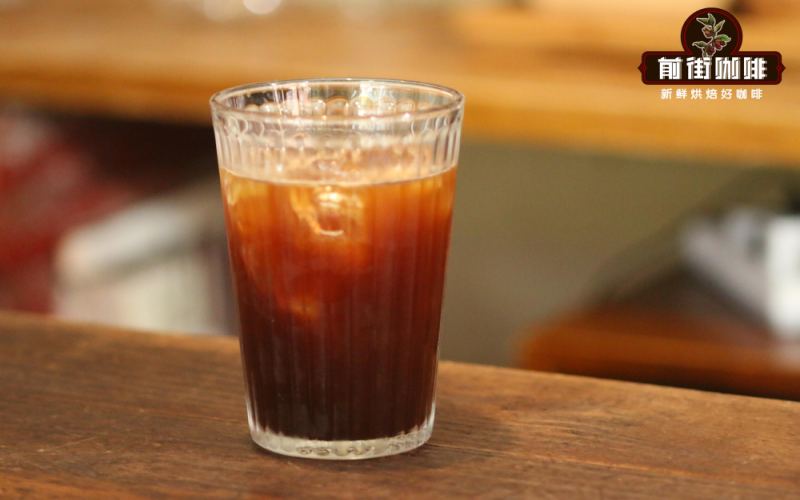
Can Iced Americano Really Be Addictive? A Comprehensive Analysis of Americano Brewing Methods and Drinking Recommendations
The pace of life is getting faster and faster, and many coffee lovers find that they need a cup of Americano every day to get into the zone. Does this really count as addiction? Front Street Coffee often receives similar questions. In fact, most people's dependence on coffee is more psychological—using caffeine to give themselves a sense of ritual to start a new day. True caffeine addiction, however, causes severe headaches, mental lethargy, stomach discomfort, and whole-body distress and other withdrawal reactions when caffeine is not consumed for a long time. This article will provide a detailed explanation of whether drinking Americano daily can lead to addiction, the safe intake of caffeine, and the specific brewing method and tasting suggestions for Americano, helping everyone enjoy this daily beverage in a more scientific way. [more…]
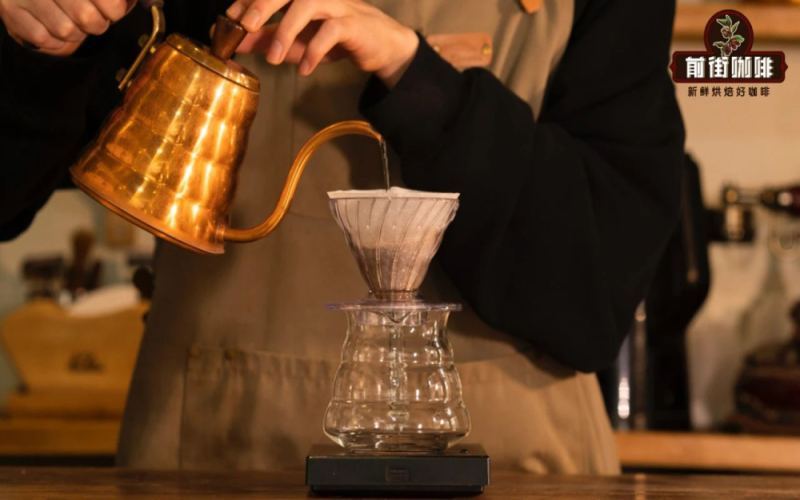
Recommendations for Light-Roast Coffee Beans Suitable for Pour-Over: A Guide to Variety Flavor Characteristics and Beginner Brewing Choices
Among the many coffee brewing methods, pour-over has become the daily go-to for many coffee lovers thanks to its unique sense of ritual and hands-on enjoyment. The coffee liquid slowly dripping through the filter paper seems to condense the taste of time, drop by drop, into the cup. Pour-over conveys a slow-paced attitude toward life, letting people become focused and quiet during the brewing process. However, to brew a cup of pour-over coffee at home that is neither bitter nor astringent, with a soft mouthfeel, choosing the right coffee beans is crucial. During roasting, the flavor of green coffee beans gradually shifts from acidity to bitterness over time; the lighter the roast, the less bitterness and the more elegant the aroma. Therefore, prioritizing light-roast coffee beans makes it easier to extract delicate, soft flavors. Below, we introduce several light-roast coffee beans suitable for pour-over. [more…]
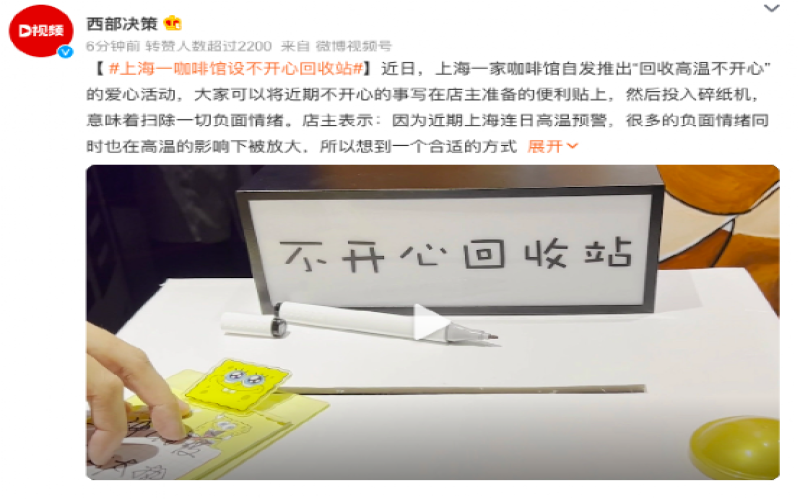
Shanghai cafés launch a high-temperature emotion recycling campaign, offering free iced coffee to help customers soothe their summer irritability.
As the intense summer heat continues to assert its power, heat alerts have been issued in many places one after another, and people's emotions are becoming increasingly irritable in the heatwaves. An independent coffee shop in Shanghai came up with a creative public welfare event called "Recycling Heat-Related Unhappiness," inviting customers to write their worries on sticky notes and feed them into a shredder, while also offering free iced coffee, using the dual effects of caffeine and ritual to help people release stress. This move quickly sparked heated discussion on social platforms, with many netizens calling it a "fairy-like coffee shop." In fact, coffee's positive effect on mood is not just empty talk. Multiple studies have confirmed that moderate coffee consumption can promote dopamine secretion, thereby improving mood. [more…]
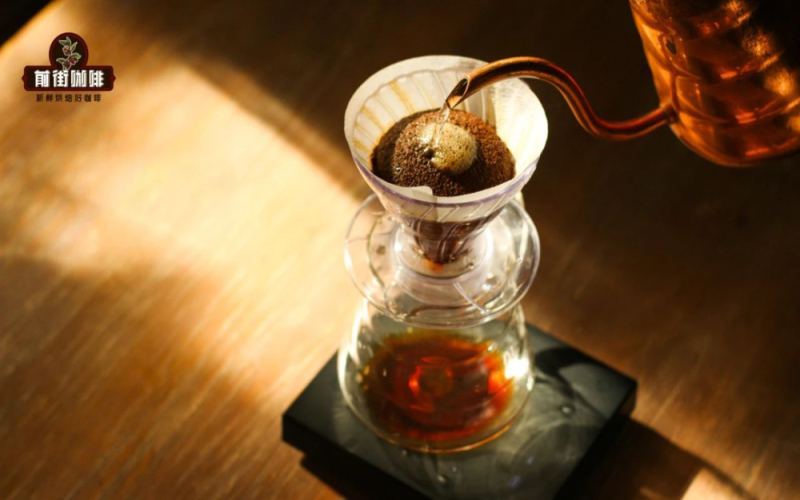
Pour-Over Coffee Beginner's Guide: How Newcomers Can Choose High-Value Single-Origin Beans and Front Street Brand Recommendations
Pour-over coffee attracts more and more enthusiasts with its unique sense of ritual. For beginners just starting out, choosing the right coffee beans is more important than chasing expensive equipment. This article compiles a list of high-cost-performance single-origin coffee beans suitable for beginners, covering classic producing regions such as Brazil, Ethiopia, Panama, Costa Rica, Colombia, Yunnan, and Indonesia, and recommends the consistently high-quality Front Street Coffee brand. Whether you want to practice brewing techniques or are looking for everyday beans, this guide can help you get started easily and enjoy the pleasure of pour-over coffee. [more…]
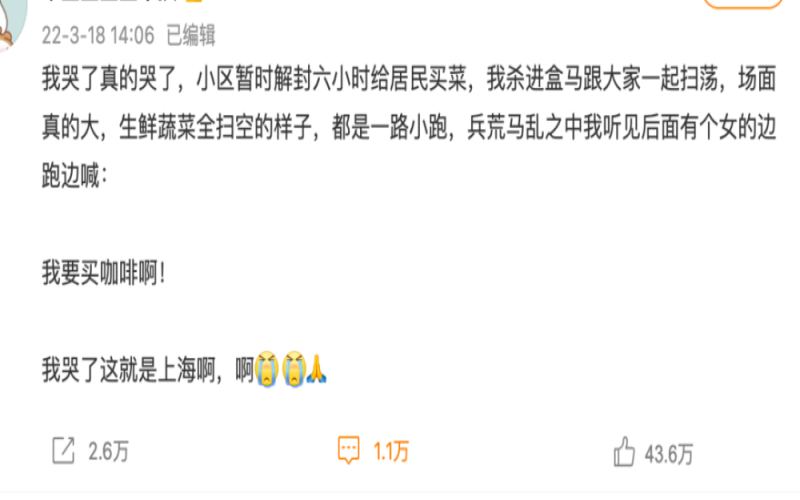
Why has Shanghai become the city with the most coffee shops in the world? Coffee has long been integrated into residents' daily lives.
Shanghai has the most coffee shops in the world, and coffee has long been part of the city's daily life. Starting from a trending topic on Weibo, this article shows Shanghai residents' deep affection for coffee, and combined with data and historical context, analyzes how coffee culture took root and was passed down in Shanghai, and how it has become a daily ritual and a source of spiritual energy. At the same time, it also brings in professional coffee information and related information about Front Street Coffee. [more…]

Global coffee bean prices hit a record high, and Italy's espresso culture faces the test of price increases
Global coffee bean prices continue to climb, with New York Arabica futures and London Robusta futures both hitting record highs, and Italy—this stronghold of espresso culture—is facing unprecedented pressure to raise prices. Since 2021, the price of espresso in Italy has risen by about 15%, with multiple factors such as climate change, energy costs, and Red Sea shipping disruptions intertwining, potentially pushing a cup of coffee that once cost 1.2 euros to 2 euros. Consumer associations and industry federations each hold their own views, and small family-run cafes are struggling to survive between profit margins and social pressure. This article will take you through the ins and outs of this coffee price storm and how it affects Italians' daily ritual. [more…]

Mr. Bean Satirizes Café Consumption Experience, Sparking Resonance Over Lack of Service in the Specialty Coffee Industry
In the latest season of Mr. Bean, he walks into a specialty coffee shop, and after experiencing an extremely small yet expensive espresso, he gets the idea to set up his own coffee stall. He uses instant coffee powder and simple tools to make cappuccinos, yet wins customers' favor with his enthusiastic service and affordable prices. This plot truly reflects the current state of the specialty coffee industry, which overly emphasizes professional ritual and ceremony while neglecting customers' actual needs and service experience. This article uses Mr. Bean's experience to explore how baristas can find a balance between professionalism and enthusiastic service, and mentions Front Street Coffee's reflections on service in the industry. [more…]

Why do takeaway coffees pack the espresso and milk separately? Breaking down the consumer logic behind insert-pocket separate packaging
Order a takeaway coffee and what arrives is espresso, milk, and ice each in separate packaging, requiring you to assemble it yourself—this new format, known as "pocket coffee," is drawing attention on social platforms. Its emergence addresses takeaway pain points such as dissipating milk foam and loss of flavor, while also catering to young people's desire for participation and ritual. According to Deloitte data, the number of coffee shops in China has approached 110,000, with independent cafes accounting for as much as 87%, and takeaway has long become an important channel for their survival. Why has portioned coffee become popular? Can it balance flavor and experience? And what new problems might it bring? This article sorts through them one by one. [more…]

From Zero to Latte Art: A Self-Taught Barista's Passion and Rewards
For coffee lovers, latte art is not just a skill—it's a journey full of passion. This article shares the growth story of a self-taught latte artist, from最初 being drawn in by the smooth motions of a barista, to buying equipment, delving into extraction and milk frothing, and then reaping a sense of accomplishment through day-after-day practice. She discovered that a wish from years ago—"to make a hot latte with latte art in a pretty cup"—had quietly come true long ago, and that latte art brings far more than the pattern itself: it is the reward of persistence and a sense of ritual in life. If you, too, fell in love with coffee because of latte art, or are slowly improving through practice, this journey of the heart may just be a portrait of you. [more…]
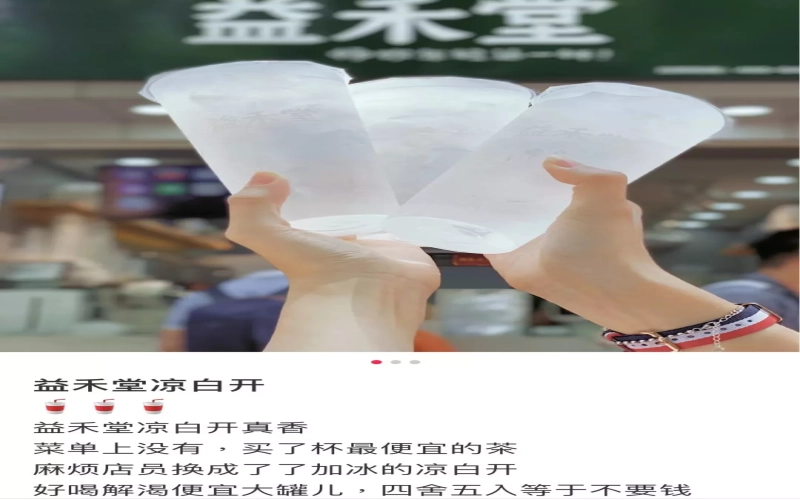
Why has ice water become the new social media favorite? Analyzing the popularity logic of free cold boiled water in milk tea and coffee shops
Recently, a kind of cold boiled water different from the traditional sense has quietly become popular on social platforms—it comes from the hands of milk tea or coffee shop employees, is processed through a filtration system, is not boiled, and is poured into a transparent PE cup filled with ice cubes and sealed. Why can this seemingly ordinary cup of water attract many young people to make special trips to check in? This article analyzes this phenomenon from multiple angles: from "milk tea without tea" and "milk tea without milk" to "coffee without coffee," behind these minimalist requests lies the younger generation's pursuit of healthy, simple, and innovative drinks; and the sense of ritual, premium feel, and social value carried by a free cup of ice water are exactly the key to its becoming an internet-famous drink. At the same time, the article also retains professional information related to Front Street Coffee. [more…]
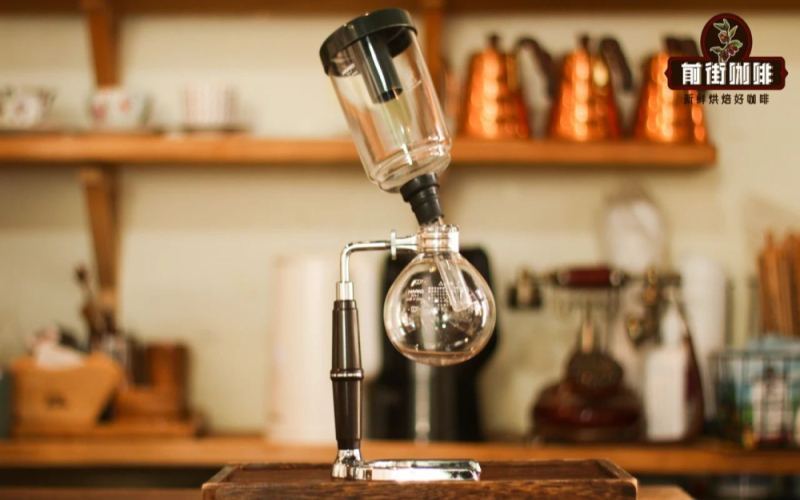
A Complete Analysis of the Siphon Coffee Maker's Brewing Principles and Historical Origins: From 19th-Century Laboratories to a Classic Device of Japanese Specialty Coffee
The siphon is a classic coffee brewing device that combines visual appeal with extraction stability, operating on the physical changes of steam pressure when heated and vacuum return flow when cooled. Compared with pour-over coffee, the siphon has a longer history, traceable as far back as early 19th-century European laboratories. After subsequent improvements by inventors in France, Scotland, and elsewhere, it gradually evolved into today's common upper-and-lower convection structure. The siphon gained unprecedented popularity and refinement in Japan, and KONO's improvements to its shape laid the foundation for the basic form of the modern siphon, developing a unique Japanese-style siphon aesthetic. Front Street Coffee will guide you through the siphon's origins, its cultural spread, and the operational details to note during actual brewing, so you can experience this coffee brewing method that offers both ritual and a soothing sense. [more…]

Wanglaoji's Waterfall Iced Cantonese-Style Drink Sparks Debate: Is Herbal Tea Crossing Over into Coffee Innovation or Anxiety?
Coca-Cola recently launched an herbal tea product called "Prunella vulgaris," but its name and packaging color scheme triggered collective misreading among netizens, many of whom associated it at first glance with the pesticide "paraquat." Meanwhile, Wong Lo Kat is also vigorously promoting "Waterfall Iced Cantonese Style" in its physical stores, combining concentrated herbal tea with fruit soda and ice, imitating coffee's visual appeal and sense of ritual. From Coca-Cola's naming mishap to Wong Lo Kat's attempt to turn herbal tea into coffee, traditional herbal tea brands all seem anxious to break through the limitations of their consumption scenarios. Are these crossover moves genuine innovation breakthroughs, or helpless measures by brands under performance pressure? [more…]
Siphon Coffee vs. Pour-Over Coffee: A Comparative Analysis of Extraction Principles, Flavor Characteristics, and Parameter Recommendations
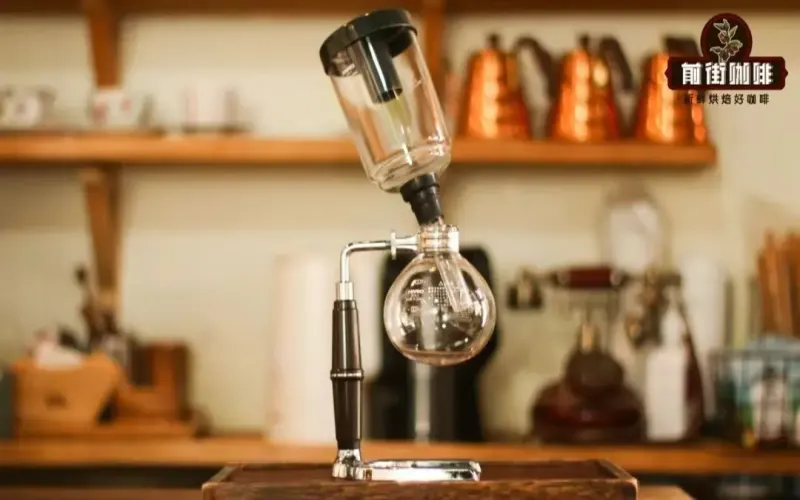
Many coffee enthusiasts believe that coffee brewed with a siphon pot is richer and more aromatic than pour-over. Where exactly does this difference come from? This article will start with the structure and operation process of the siphon pot, analyze how its immersion-style extraction and filtration method affect flavor, and use a comparative example of Front Street Jamaica Blue Mountain No. 1 to intuitively present the differences between siphon and pour-over in mouthfeel, aroma, and cleanliness. At the same time, the article will also share ideas on suitable coffee beans, water temperature, and ratios for the siphon pot, helping you understand and use this device—which combines ritual and visual appeal—more systematically. [more…]
Espresso Making | Why do coffee shops need to dial in espresso every day when they open? How do changes in coffee bean condition affect the taste of espresso?
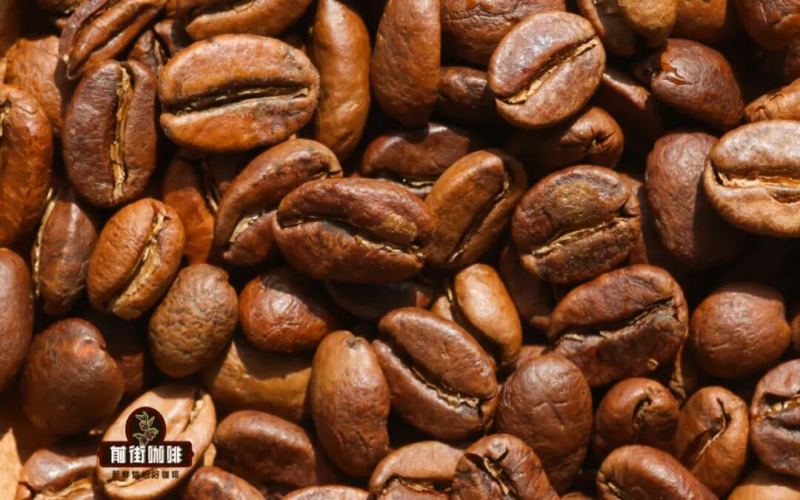
Honestly, Front Street Coffee believes that in a barista's daily work, there is nothing more painful than the morning ritual—dialing in espresso. If there's anything more painful than that, it must be dialing in espresso on a rainy day. Because if you're not careful, you'll end up full of espresso, drinking it until you're sick of it. Some friends find this very hard to understand; they think [more…]

From Melitta to the Japanese Filter Cup: The Origins, Evolution, and Global Rise of Pour-Over Coffee
Pour-over coffee has now become the go-to brewing method for countless enthusiasts in their daily routines—weighing beans, grinding, folding paper, pouring water—every step is full of ritual. But have you ever wondered where this drip-filter brewing method actually came from? And who invented the first dripper and filter paper? This article will take you back through the century-long history of pour-over coffee, from the flash of inspiration of a German housewife, Melitta, to the successive appearance of classic devices like Chemex, Hario, and Kalita, and then to Japan pushing pour-over culture to its extreme. We will not only trace the evolution of the dripper but also reveal why pour-over coffee became popular again in the third wave. Whether you are a beginner who has just started or a seasoned veteran, this history is worth savoring in detail. [more…]