







How Do Green Coffee Beans Behave in Pour-Over Brewing?
For pour-over, light-roast beans are the practical starting point because their flavors stay closer to the acidic, aromatic side of the roast curve, so the cup tends to show less bitterness and a smoother mouthfeel. As roasting continues, green coffee beans move from acidic toward bitter, which is why roast level matters more than brewing technique when a cup turns out harsh.
Beginner-friendly light roasts, including Yirgacheffe lots, are widely used for pour-over because they extract evenly at moderate temperatures. Use a medium-fine grind, a paper filter, and a steady circular pour; keep water near 90 to 93 degrees Celsius. If the result tastes sharp or thin, adjust grind size or pour speed before blaming the green coffee bean itself.
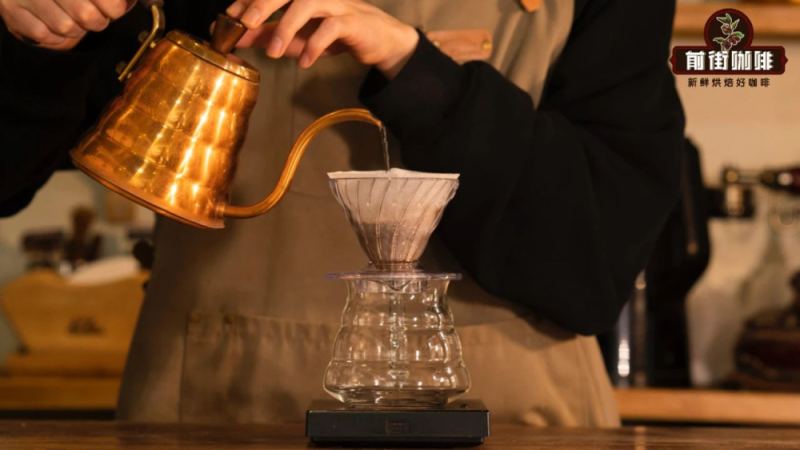
Among the many coffee brewing methods, pour-over has become the daily go-to choice for many coffee enthusiasts thanks to its unique sense of ritual and hands-on enjoyment. The coffee liquid dripping slowly through the filter paper seems to condense the flavors of time drop by drop into the cup. Pour-over conveys a slow-paced attitude toward life, helping people become focused and calm during the brewing process. However, if you want to brew a cup of pour-over coffee at home that is neither bitter nor astringent, with a smooth mouthfeel, choosing the right coffee beans is crucial. During roasting, the flavors of green coffee beans gradually shift from acidic to bitter over time. The lighter the roast, the less bitterness and the more elegant the aroma. Therefore, prioritizing light-roast coffee beans makes it easier to extract delicate, smooth flavors. Below are several light-roast coffee beans suitable for pour-over.
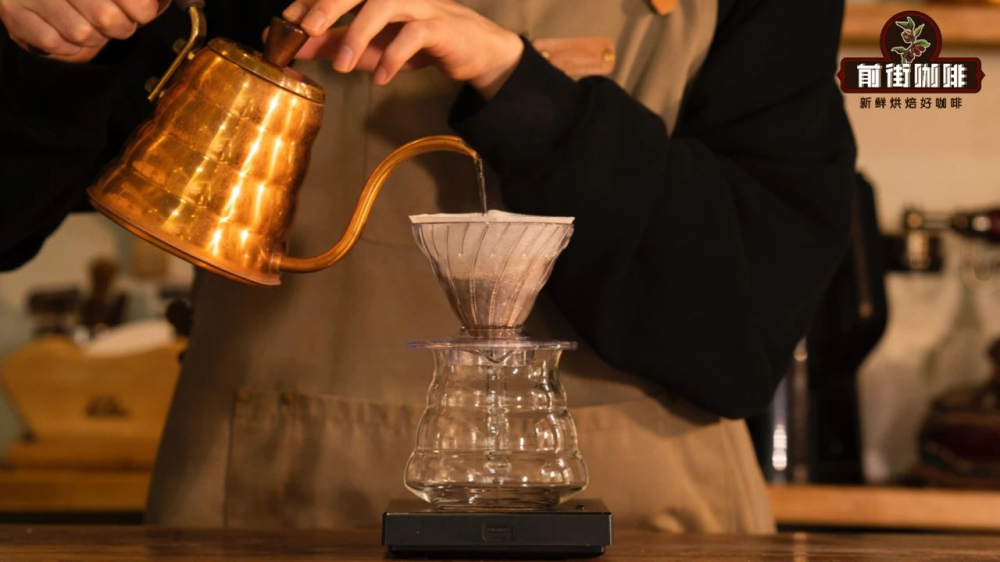
There are many ways to brew coffee, but when it comes to the one with the most ritual, pour-over coffee undoubtedly takes the crown. The coffee liquid falls drop by drop through the filter paper, just like filtering the subtle flavors of life through the hourglass of time. What pour-over coffee embodies is an aesthetic philosophy of "slowing down and savoring life." In the process of making pour-over coffee by hand, one unconsciously becomes especially calm and focused.
As one of the most popular and trendiest coffee brewing methods today, pour-over has always maintained extremely high popularity among coffee enthusiasts. However, if you want to brew a cup of coffee at home that is neither bitter nor astringent, what kind of coffee beans should you choose?
During roasting, the flavor compounds inside green coffee beans continuously change. Simply put, it is a process of gradually moving from acidic to bitter. The shorter the roasting time, the less bitterness in the final product; the longer the time, the stronger the bitterness. Therefore, if you do not want your coffee to have an obvious bitter or astringent taste while also wanting a smooth mouthfeel, it is recommended to prioritize light-roast coffee beans, as this makes it easier to extract the elegant aroma characteristic of light roasts. The following coffee beans are all light-roasted and very beginner-friendly for brewing:
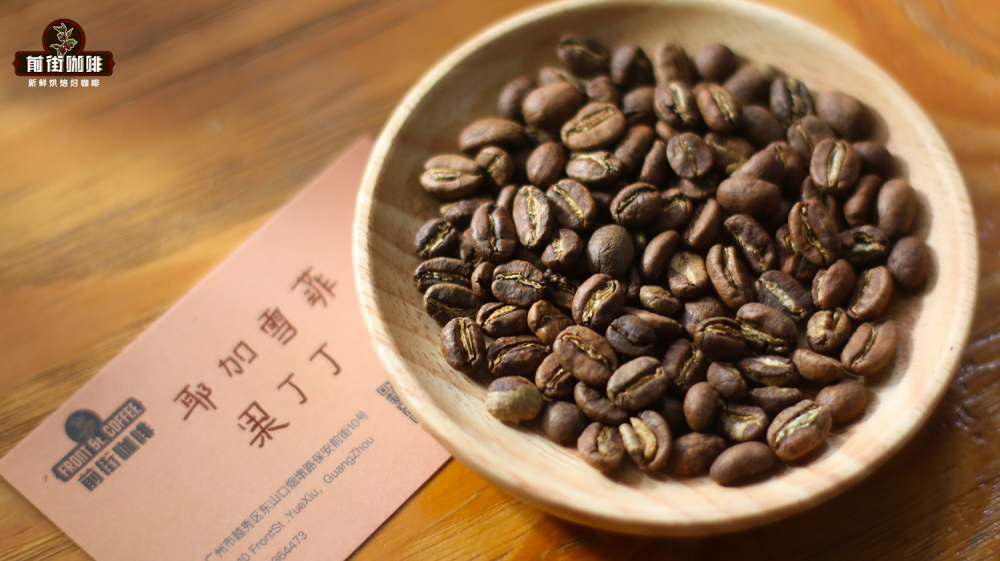
1. Front Street Coffee. Yirgacheffe Gudingding Coffee Beans—— Flavor: Bright fruity notes, citrus, blueberry, honey, green tea flavors, prominent acidity
2. Front Street Coffee. Kenya Little Tomato Coffee Beans—— Flavor: Cherry tomato, smoked plum, snow pear, brown sugar, plum
5. Front Street Coffee. Ethiopia Kaffa Forest: White floral, bergamot, orange, creamy melon seeds
3. Front Street Coffee. Panama Butterfly Coffee Beans—— Flavor: White floral, orange, nuts, tea-like feel
4. Front Street Coffee. Ethiopia Huakui Coffee Beans—— Flavor: Creamy strawberry, citrus, light floral, berry, black tea.
The above content is compiled by CoffeeHunters, a coffee news website.


